Sorry, but there's really nothing to see here right now. Our server is in maintenance mode – and our
little bot is trying to sort the error messages with its last bit of energy.
Whether it was a data leak, a power outage in the cluster, or just a grumpy bit – we don't know yet.
But what we do know is:
The data drama escalated into a server meltdown. But don't worry: We're on it.
What now?
Everything is surely running smoothly over at our colleagues from inside
digital – why not stop by!
Or you could pass the time by visiting our social media channels – for example Instagram, YouTube or TikTok. At least there are no
server problems there – promised.
Thanks for your patience. Our bot is already rebooting at full speed. 🔧
NewsTabletPixel 9’s New Cool Touch-Boosting Feature went Unmentioned
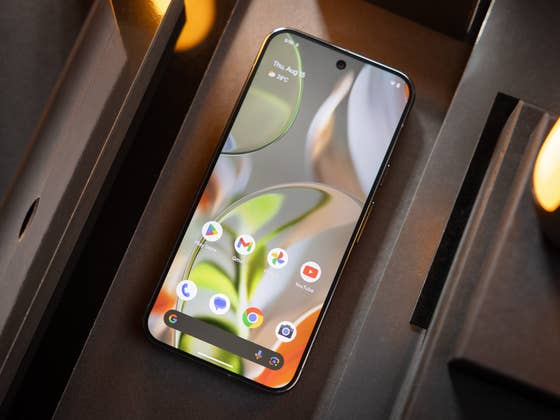
AI and Gemini assistant were under the spotlight when Google debuted the Pixel 9 range, leaving new hardware features in the handsets relatively unknown. Among those meaningful additions left unmentioned was the new Adaptive touch feature, which adjusts touchscreen sensitivity based on the panel’s state, taking into account the presence of a screen protector as well.
Also read: Possible reasons your phone’s display is not switching on.
How Adaptive touch feature works on the new Google Pixel
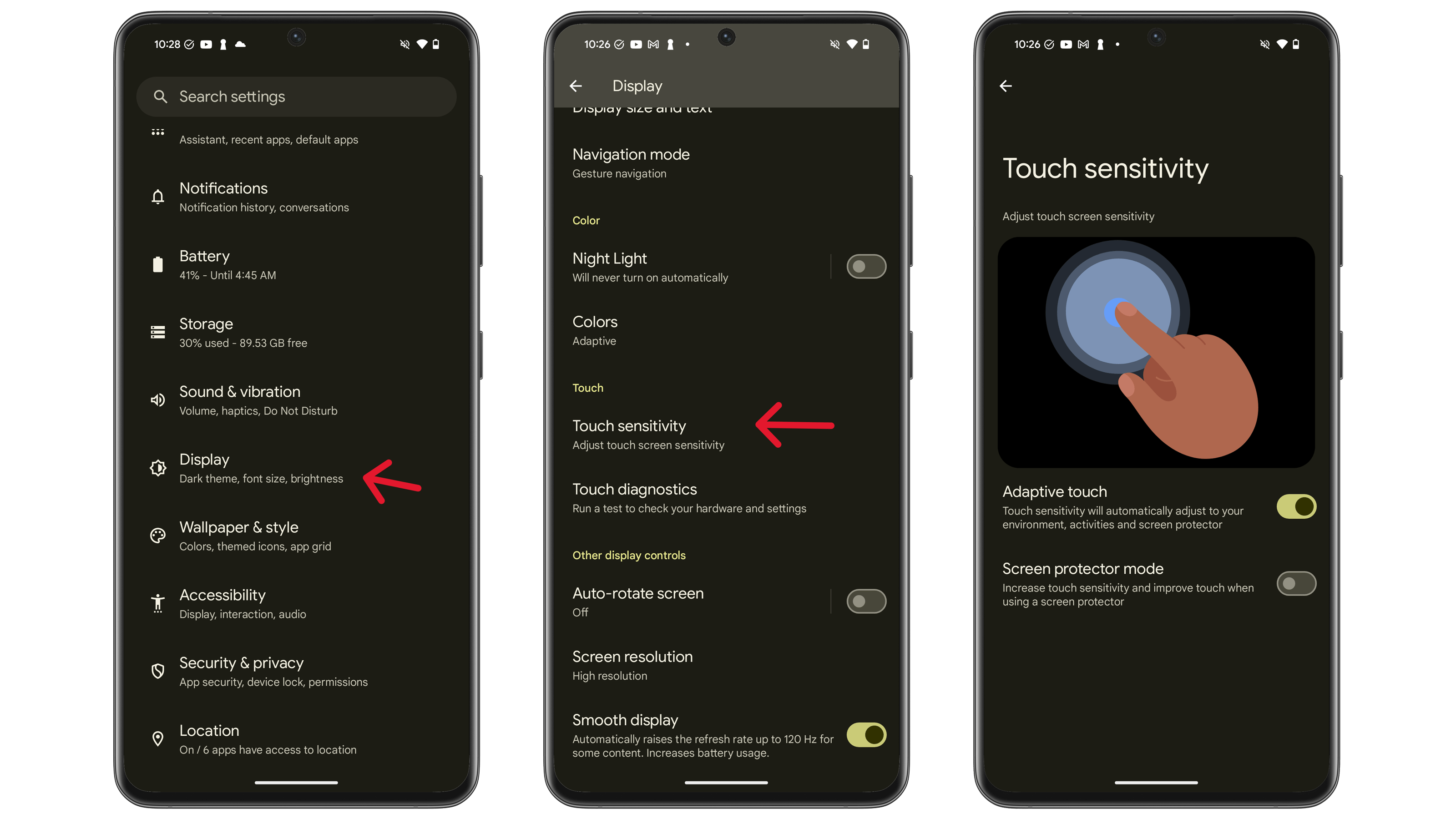
Google’s new Pixel Adaptive touch mode was leaked earlier this year. As the name implies, it automatically changes the touchscreen sensitivity based on the “environment, activities, and screen protector” present on the display. Hence, it can boost or lower the touch sensitivity depending on the display’s condition.
As noted by Android Authority, this unique feature is found within the Touch sensitivity section under Display settings. It is enabled by default on the Google Pixel 9 and Pixel 9 Pro (review) series except for the foldable Pixel 9 Pro Fold.
Google did not describe how these handsets can detect whether the display is wet or not or if there’s a screen protector installed present. However, it appears to rely on a combination of a new component and a software algorithm. The new flat display panels of the Pixel 9 could also be another factor to make Adaptive Touch possible.
Will older Pixel handsets receive Adaptive touch?
It’s unclear if Google plans to include Adaptive Touch on the older Pixel models. From what we know, there is already an existing feature introduced in the Pixel 8 (review) called Screen protector mode. However, this is limited to when a film or protector is installed and it doesn’t work automatically once enabled, requiring you to disable it if you are to remove the protector.
In comparison, the new Adaptive touch feature supports both wet and screen protector conditions and you do not need to deactivate it if you stopped using a screen protector.
The news outlet also managed to test the feature on the Pixel 9 Pro XL and compared it to the Pixel 8 Pro. They discovered the Pixel 9 Pro XL’s touchscreen continued to work normally over the Pixel 8 Pro which has a more spotty touch sensitivity experience.
What are your thoughts about the new Adaptive touch feature on the Pixel 9? Do you wish to see more manufacturers offer the same feature? Let us know in the comments.
We mark partner links with this symbol. If you click on one of these links or buttons–or make a purchase through them–we may receive a small commission from the retailer. This doesn’t affect the price you pay, but it helps us keep nextpit free for everyone. Thanks for your support!






0 comments