

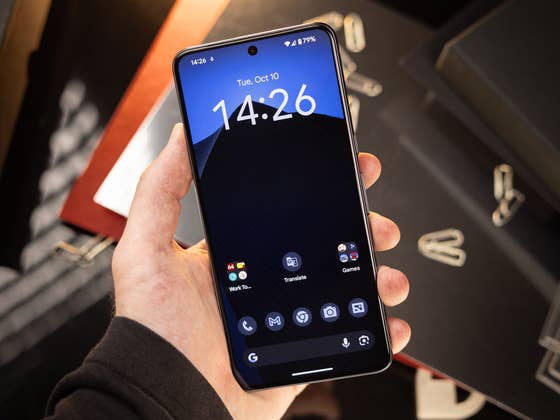
Google has struggled to keep upcoming Pixel features confidential, with unreleased details occasionally leaking. Developer Mishaal Rahman discovered code in the latest Android 14 QPR3 (Quarterly Platform Release) Beta 1 update for developers and testers that hints at an updated version of the “Adaptive Touch” feature currently in development.
Google’s Pixel automatic touchscreen sensitivity adjustment
In the software, the strings described the mode “will automatically adjust to your environment, activities and screen protectors.” The developer even forced the feature to be displayed, which is found in the same section as the existing adaptive touch in the display’s settings.
Apart from this, there’s not much else can be drawn from these codes and settings. But we can picture out that Google is making the automatic touch sensitivity function support other conditions, like when you’re wearing gloves and when the display is wet, among others. For example, touch response could be increased if gloves are detected while wet displays could reduce the sensitivity to avoid accidental touches.
These display features are not brand-new on Android smartphones at all, many manufacturers have long introduced modes like gloves-on. In the case of the search giant, though, it appears they’re taking it up a notch by automating when the feature should be enabled or not, at least on their Pixel devices.
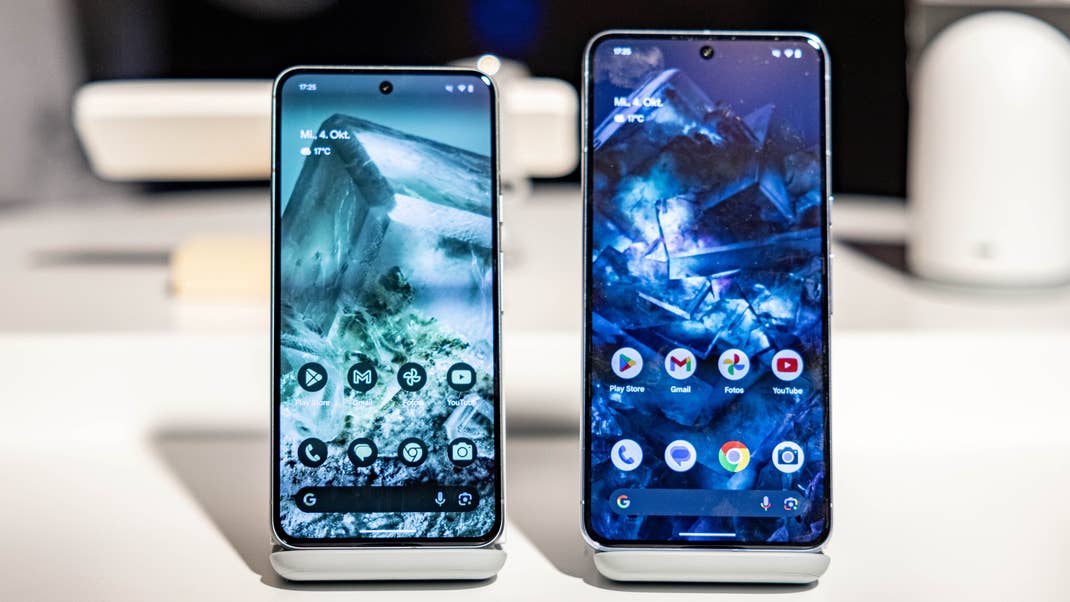
At this point, it’s unclear when the feature will be activated on these Pixel smartphones or which models are particularly getting this new Adaptive Touch. From what we know, it’s very likely that this will support the Pixel 8 and Pixel 8 Pro (review) first, given the feature is already baked on the duo. However, it’s likely that the new mode is associated with some hardware components, meaning older models may not even get this.
Would you find this adaptive touch feature useful and that non-Google OEMs should also adopt on their devices? Please let us know your thoughts on this in the comments.