

Contents
Pros of the Google Pixel 9
- Seven years of Android updates
- Gemini integration is surprisingly useful
- Better and bigger display
- Great build quality
Cons of the Google Pixel 9
- Camera produced many surprising imaging errors
- Tensor G4 performance lags behind the competition
- Image quality is not top-notch any more
- Fast charging is relatively slow
The Pixel 9 in a nutshell
Google is changing its product strategy in the ninth Pixel generation. The Pixel 9 will be exactly $100 more expensive and closer in all aspects to the small Pro model. The price jump means the Pixel 9 falls behind the competition in terms of performance, fast charging, and camera configuration. In other words, the Pixel 9 is no longer a cheaper alternative but characteristics such as Pixel-level photos, seven years of updates, and stock Android remain.
Design: Even rounder, especially the back
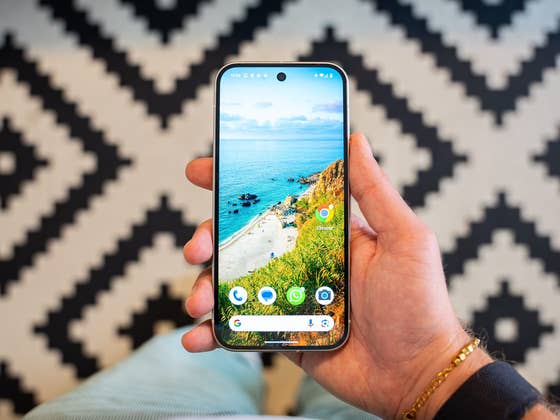
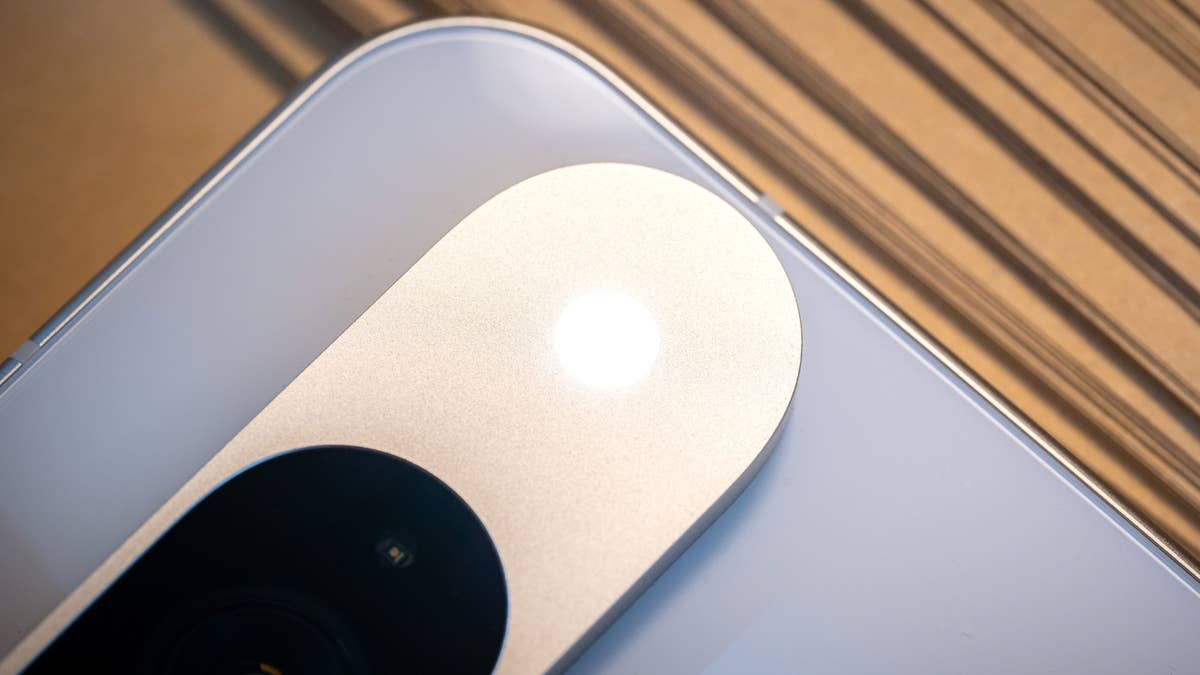
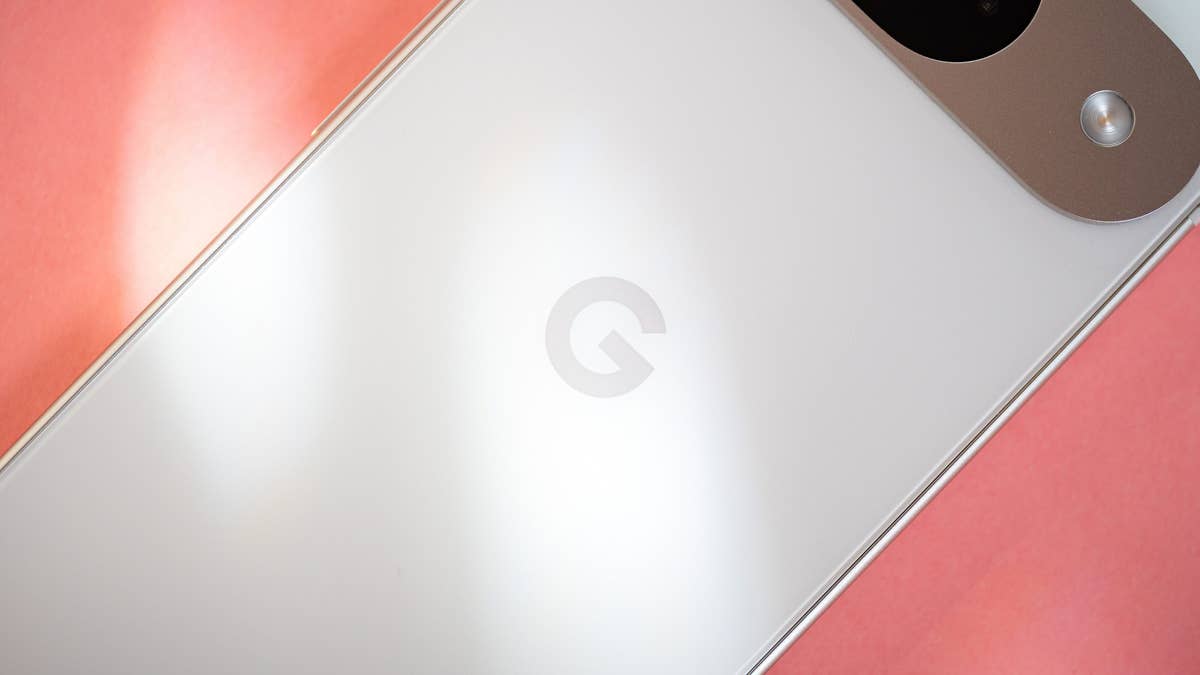
Google’s design deviates from the old form factor by ditching the straight lines and curving them around the chassis instead. The familiar camera visor behind is now gone, looking more like a ‘stadium’. With dimensions measuring 152.8 x 72 x 8.5 while tipping the scales at 198 grams, the Pixel 9 has also become narrower and heavier. Nevertheless, the display has grown to 6.3″ with IP68 certification remaining in place.
Pros:
- Larger and brighter display.
- High-quality workmanship.
- Pretty interesting camera bump.
Cons:
- Google diluted the Pixel 9’s look a little.
- Rather noticeable punch-hole camera in the display.
- No LTPO technology.
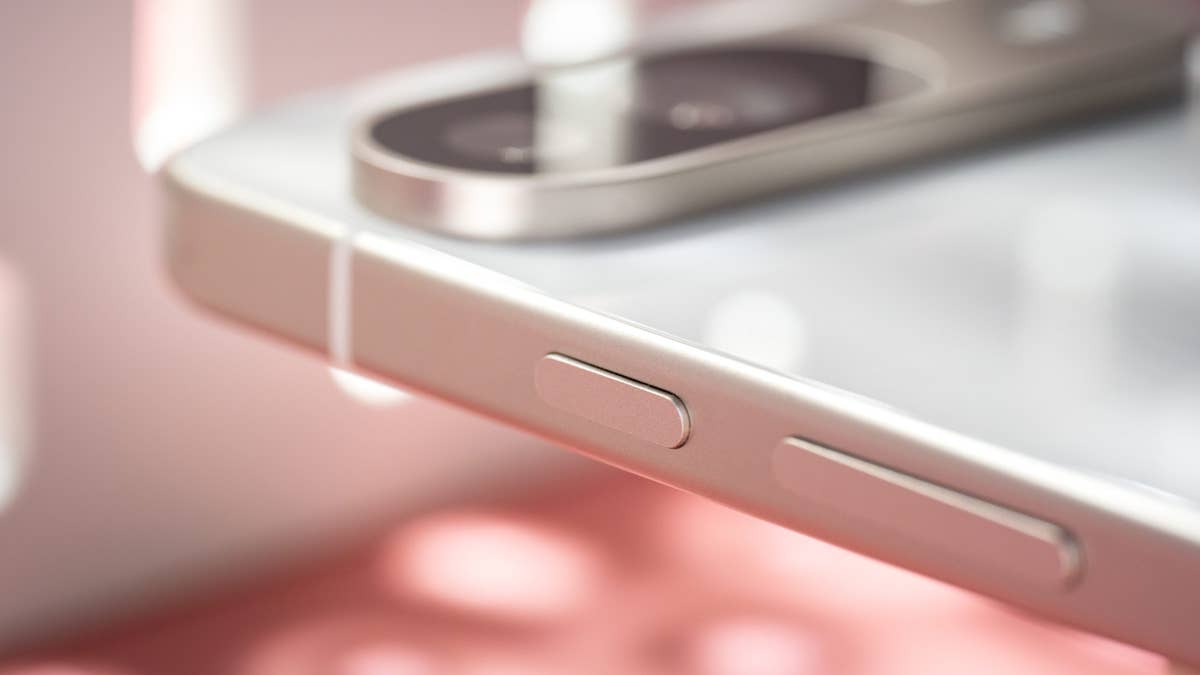
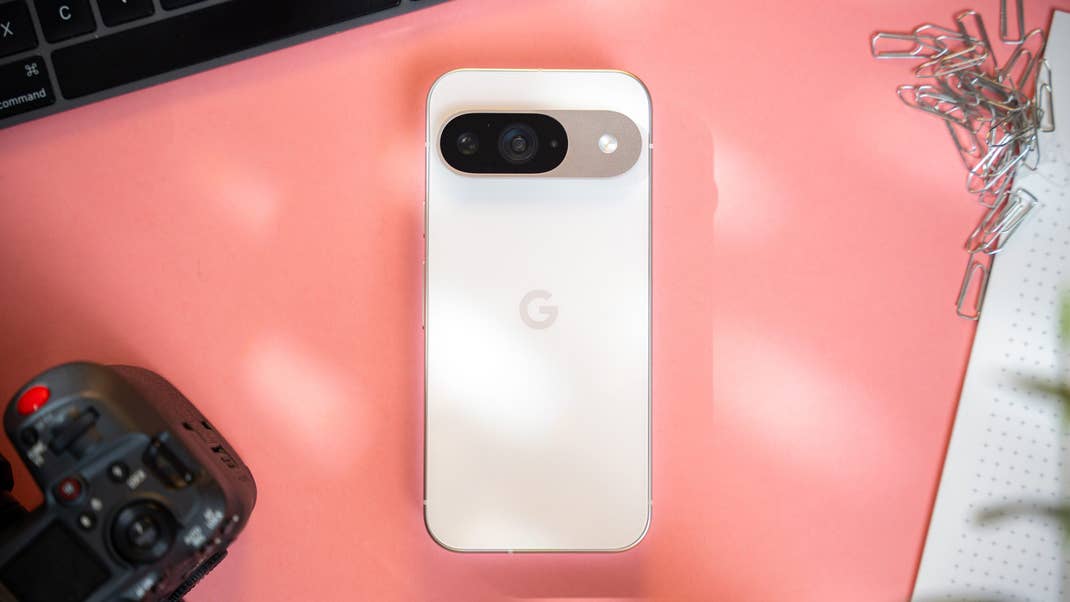
I always take product photos myself for my reviews here at nextpit. I can say based on my close-up view through my beloved macro lens: There are rarely smartphones that exude such a high level of build quality as the Pixel 9. You won’t find any gaps, the integration of the camera bump behind looked like it was personally forged by the wizard Merlin and the Lady of Avalon, while the bezels are not only perfectly symmetrical but also pleasantly thin.
IP68 certification, an aluminum case, and Gorilla Glass Victus 2 in front and at the back make the smartphone durable enough to last for the next few years without any major issues even when it is handled. Armed with one of the best vibration motors I know of, the result is a real beauty when held in the hand.
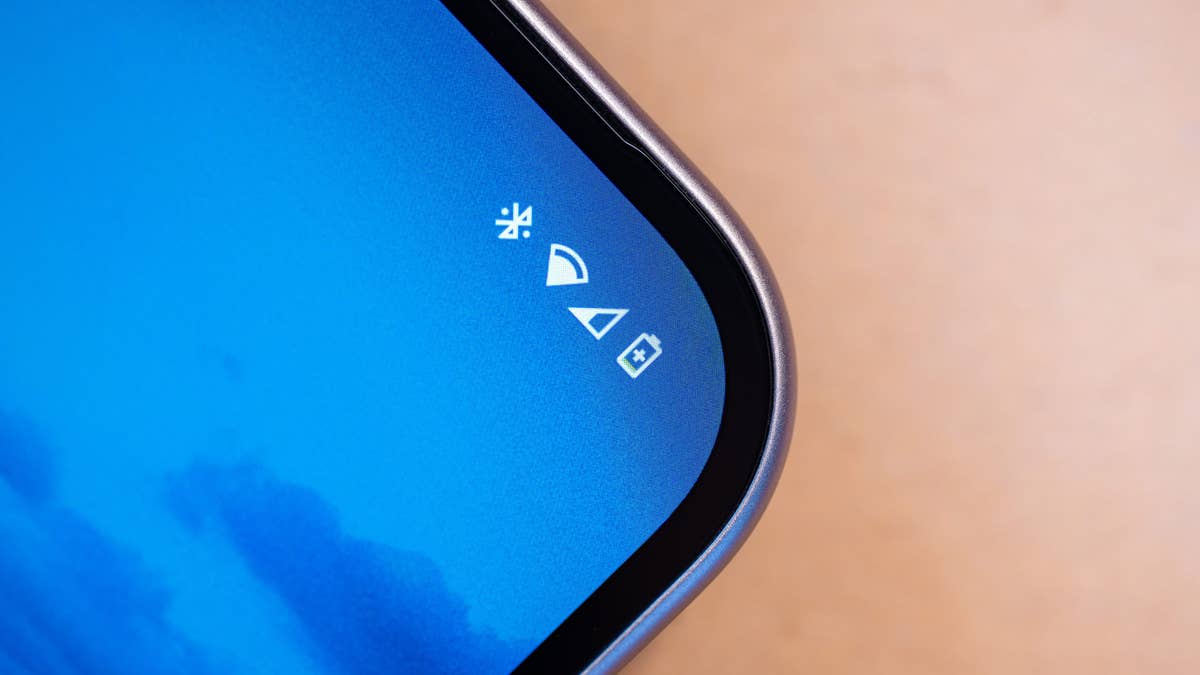
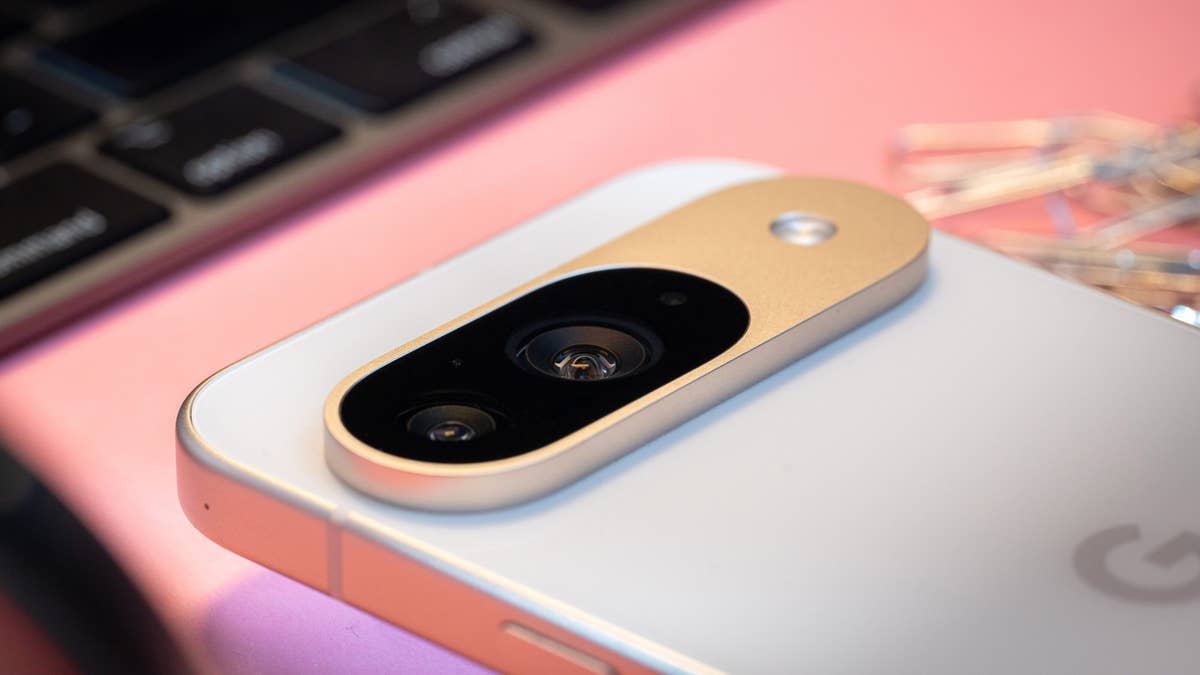
When you look at it from the front, Google fans might notice the display size has increased to 6.3″. In addition, the software giant now uses a brighter OLED display that achieves 2,700 nits at peak brightness and 1,800 nits at regular brightness. The maximum refresh rate stands at 120 Hz and can be dropped to 60 Hz to save power if required. Unfortunately, a more economical LTPO panel is only available in the Pro version. It also offers even higher brightness and a higher resolution. I must admit, having 1,080 x 2,424 pixels on the basic model does not allow individual pixels to be recognized.
I would also like to praise the improved fingerprint sensor. As with its predecessor, it is located under the display. However, Google now relies on ultrasound instead of an optical variant which makes it more reliable. Unlocking it is usually so fast that you hardly notice it in everyday use.
One point of criticism as pointed out in Antoine’s review of the Pixel 9 Pro XL is the rather large cut-out area for the selfie camera at the top of the display. Although this doesn’t really get in the way of everyday use, other manufacturers have found a more elegant solution. A minor gripe in a really pretty and high-quality smartphone!
Software: Stock Android, AI, and 7 years of updates
The Pixel 9 appears in the middle of the AI (r)evolution of operating systems. Integrated into Android 14, we find the first integrations of Gemini, Google’s in-house language model. The software update policy is excellent at seven years, but the Pixel 9 appeared too early to be delivered with Android 15.
Pros:
- Insane number of Android version upgrades.
- Well-integrated AI with the operating system.
- Pixel-exclusive functions that will improve and increase over time with feature drops.
Cons:
- Launched with Android 14.
- Occasional hiccups during the review duration.
One of the major strengths of all Pixel smartphones is how Google, the manufacturer, owns the Android operating system. The Pixel 9 is therefore the preferred device when it comes to rolling out new features and updates. Regular feature drops are always a reason why Pixel users are happy with their purchase. The same applies to the user experience offered by the stock operating system.
Stock Android looks great on the colorful Pixel displays with Material Design. Together with the powerful vibration motor and the beautiful feel of the device, it creates a special smartphone feeling. Everything looks organic, tailored to the hardware and there are small, pleasing details that are so subtle, you won’t notice them at first.
For instance, when using the back gesture, a small arrow sticks organically to the edge of the screen until it disappears accompanied by a vibration. How about having the vibration motor’s intensity change according to the display’s change in brightness within the settings? Rarely has such a technical experience felt more natural!
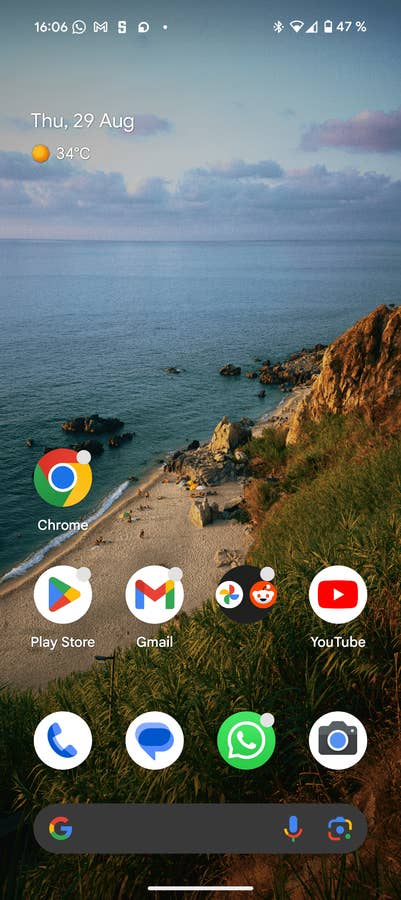
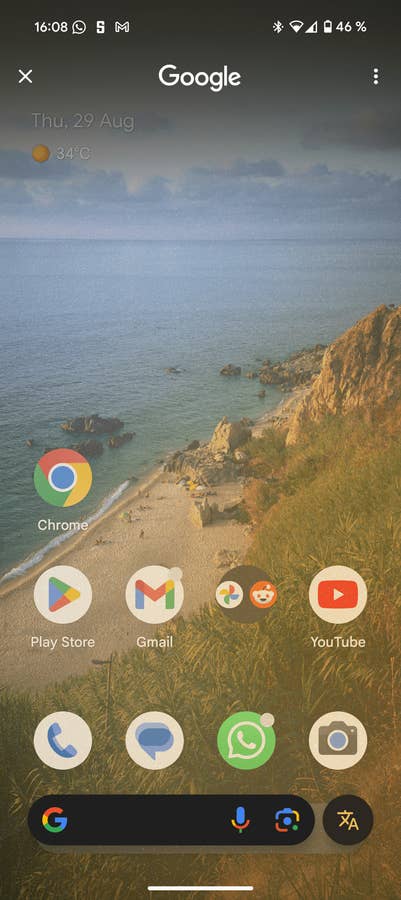
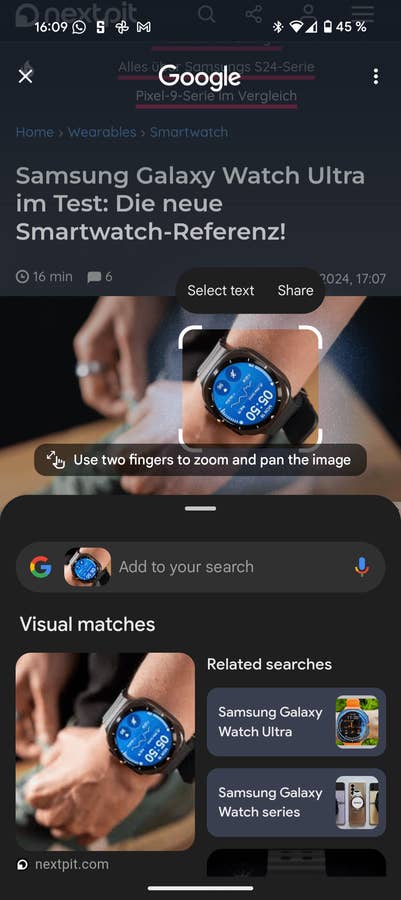
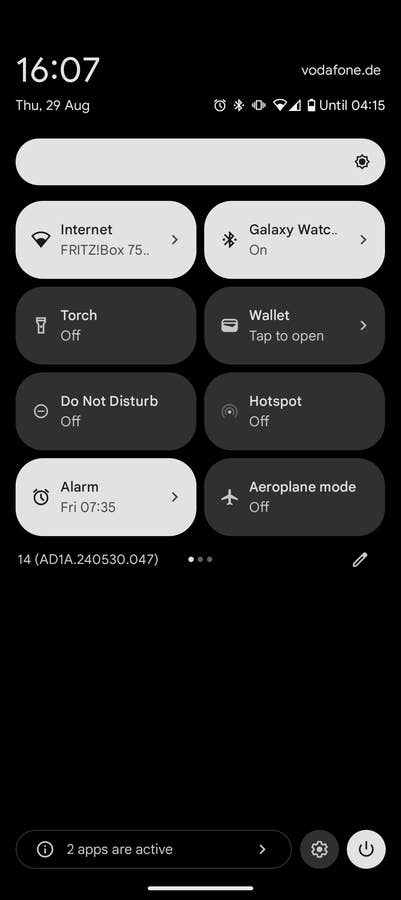
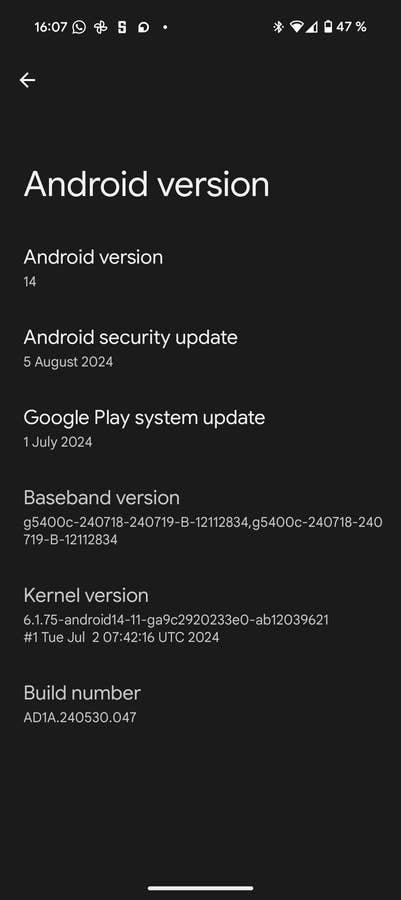
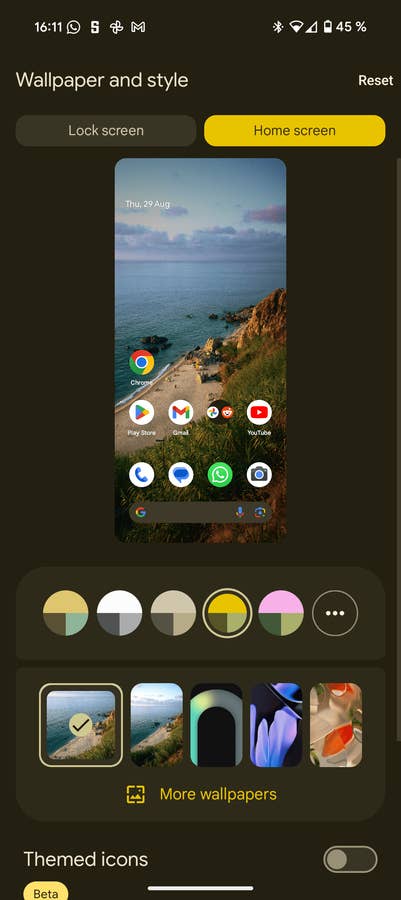
Unfortunately, the ninth Pixel generation still comes with Android 14, which is Google’s operating system from last year. As a result, we won’t be able to enjoy the new Android 15 features at launch, but since Google promises an update guarantee over the next seven years, we won’t be upset for too long. The Pixel 9 also did well in terms of durability.
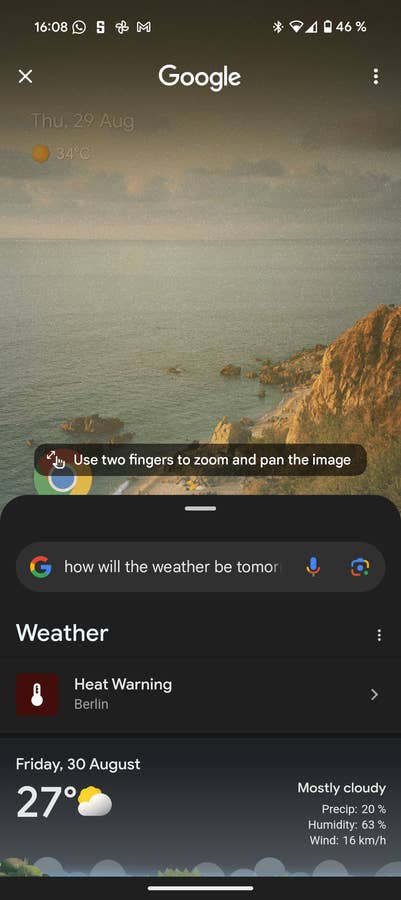
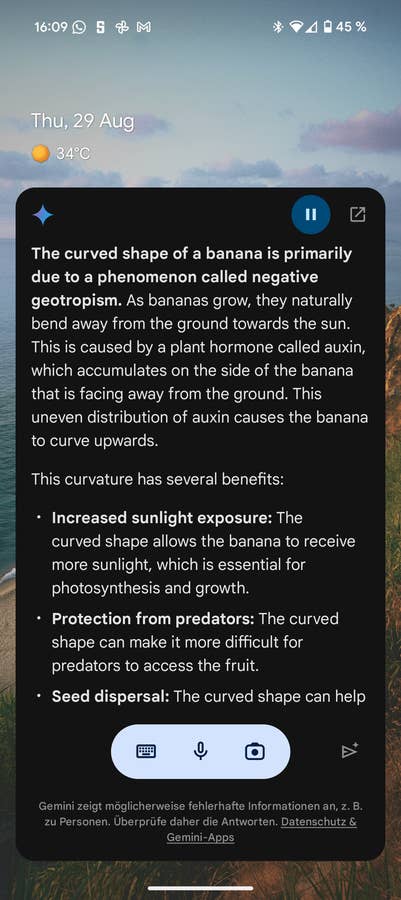
As already mentioned, Gemini is also being used on a Pixel handset for the first time. Antoine has written a detailed hands-on article about Gemini. In my experience, Gemini is currently still a “Google Assistant on steroids”. Gemini responds much more naturally to requests and can now analyze content from the screen using a simple highlight.
As Google still has to clarify some legal issues in Germany, where nextpit is located, Gemini was unable to perform any system functions. Asking for an answer to an e-mail is therefore not possible at the moment. If you want to find out more about Gemini, you can read all about it in detail in Antoine’s hands-on.
What I would also like to praise at this point: Google has integrated a free VPN into the operating system. If you want to find out more about using VPNs, read my guide!
Performance: Tensor 4 behind the competition
Google’s own Tensor processor is now in its fourth iteration. The manufacturer has mated it to 12 GB of RAM out of the box. Storage options begin from 128 GB and max out at 256 GB. Connectivity options include USB Type C 3.2, WiFi 7, Bluetooth 5.3, and 5G.
Pros:
- Super smooth Android experience.
- Modern wireless standards (WiFi 7 and Bluetooth 5.3).
- Satellite telephony capability.
Cons:
- Poorer performance compared to the competition.
- Maximum 256 GB of memory without memory expansion options.
- Poor thermal management.
Google has been relying on its own SoCs for four Pixel generations now. Although the in-house Tensor SoCs were impressive in everyday use, they fall behind Apple, Samsung, and Qualcomm in benchmarks. This still remains the case in 2024:
- Comparison of the best SoCs in high-end smartphones
| Google Pixel 9 (Tensor G4) |
Google Pixel 9 Pro XL (Tensor G4) |
Samsung Galaxy S24 Ultra (Snapdragon 8 Gen 3) |
Xiaomi 14 Ultra (Snapdragon 8 Gen 3) |
Apple iPhone 15 Pro Max (A17 Pro) |
|
|---|---|---|---|---|---|
| 3D Mark Wild Life Extreme | 2,330 | 2,588 | 5,094 | 4,680 | 3,998 |
| 3D Mark Wild Life Extreme Stress Test |
Best loop: 2,524 Worst loop: 1,358 Stability: 53.8% |
Best loop: 2,603 |
Best loop: 5,160 Worst loop: 3,013 Stability: 58.4 |
Best loop: 4,708 Worst loop: 3,606 Stability: 69.4 |
Best loop: 3,817 Worst loop: 2,842 Stability: 74.4% |
| AnTuTu | 826,999 | 1,094,183 | 1,851,716 | 1,939,484 | 1,569,312 |
| Geekbench 6 |
Single: 1,666 Multi: 3,761 |
Single: 1,950 Multi: 4,050 |
Single: 2,252 Multi: 7,107 |
Single: 1,828 Multi: 6,317 |
Single: 2,936 Multi: 7,003 |
The performance of the Pixel 9 is clearly behind the competition. Its heat management is significantly worse than the Pro XL model. A performance drop of almost 50 percent in the 3DMark stress test showed how the Pixel 9’s chassis cannot dissipate heat from the SoC fast enough. Overall, the performance lies more toward a mid-range handset.
In terms of user experience, however, the Pixel still managed to impress. The good, everyday performance level was also confirmed when we challenged the Tensor processor with mobile games or Adobe Lightroom. There were hardly any loading times on the Pixel 9 and mobile games ran smoothly at 60 fps. Although the basic Pixel is not a gaming smartphone like the Redmagic 9S Pro, it was still fun to play with.
What bothered me more in everyday use is the Pixel’s rather limited storage capacity. You can pick up the maximum 256 GB smartphone model, and it still doesn’t come with any memory expansion options. I guess Google wants to funnel photographers and videographers into its subscription model and embrace cloud storage.
The Pixel 9 scored better in terms of technical specifications. We get Wi-Fi 7, Bluetooth 5.3, a 5G modem, and even the option to use satellite telephony in emergencies. If you’re often out in the wilderness, the Pixel 9 could be a lifesaver.
Overall, the performance of the Pixel 9 was average. However, the fact that Google has improved the AI performance of the Tensor chip is not noticeable enough in everyday use. AI applications for photos such as “Add me” took a little time to complete. However, Gemini was particularly annoying with a waiting time of around five seconds. Even simple questions such as “What will tomorrow’s weather be like?” required me to wait approximately five seconds.
Camera
Pixel smartphones are particularly popular because of their cameras. While the Pro models have three cameras, we had to make do with two lenses at the back of the basic model despite the high entry price. At least the ultra-wide angle camera has been improved. The front camera with 10.5 megapixels also features autofocus now.
Pros:
- Partly very good image quality during the day.
- Exciting software functions such as “Add me”.
- Macro mode.
Cons:
- Many noticeable artifacts and image errors.
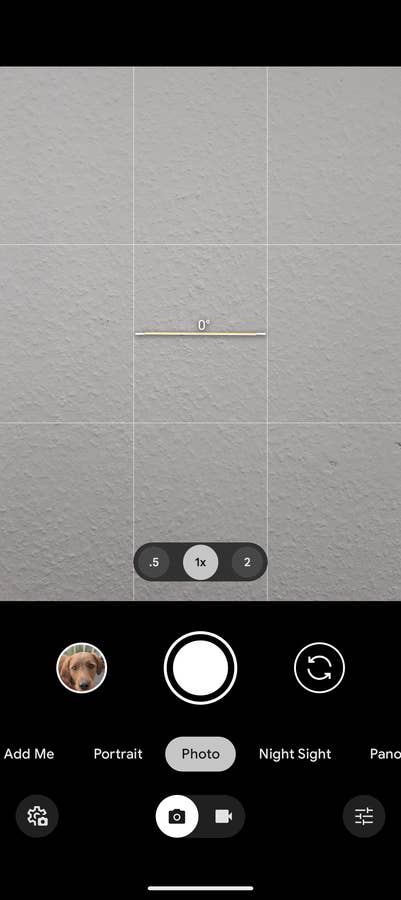
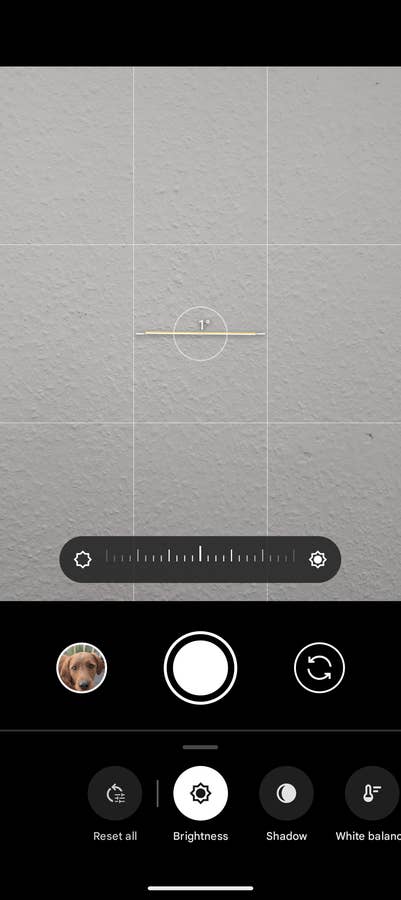
- “Professional mode” is too limited.
- Night photos are bang average.
Google optimized the ultra-wide angle camera and added autofocus to the front camera. According to the manufacturer, this turns the “advanced dual rear camera system” into a “modern dual rear camera system”. Upon closer inspection, the resolution of the ultra-wide angle camera increases from 12 to 48 megapixels, the field of view now covers 130 degrees and, with a f/1.7 aperture, the lens lets in more light than before. There is also a macro mode that automatically launches into action when required.
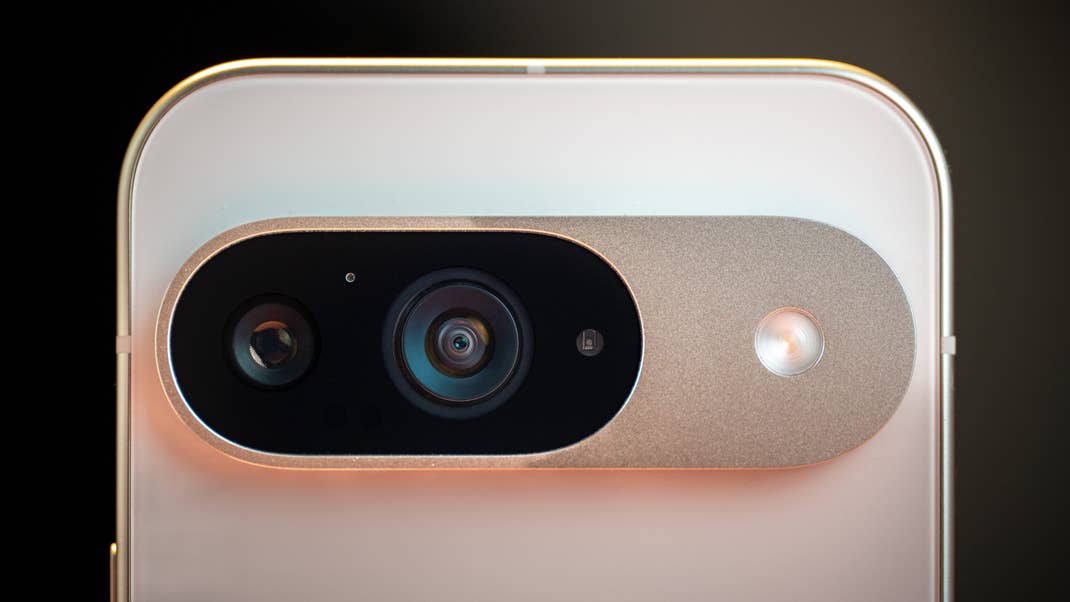
The main camera remained the same with a 50-megapixel sensor that shoots through a 25 mm lens with an aperture of f/1.7. The front camera has a resolution of 10.5 megapixels and can now focus on the subject better. As the front camera with f/2.2 is brighter, this makes sense. Just how good are the Pixel’s photos? In the last nextpit camera blind test, the Pixel 8 Pro only made it to third place. Meanwhile, competition from Xiaomi and Honor seems to be leaving their US counterparts behind in terms of camera quality.
This was also confirmed by the Pixel 9’s photos, although there were still some shots that looked really nice thanks to the Pixel’s computational photography. Unfortunately, artifacts are present, incorrect blurring appears in Portrait mode, and overexposed photos were all part of the sample photos taken. Subjectively, I found many photos taken by my old Pixel 3 XL more natural and beautiful.




























Where Google doesn’t skimp is on innovative camera features. The Pixel 9 can swap faces in group photos to ensure each person is smiling. However, the only actual new feature is “Add Me”, which allows users to “Photoshop” themselves into group photos. You can find out more about this feature in our “Add me” guide.
The Pixel 9 records videos in a maximum of 4K resolution at 60 fps. Thanks to the excellent video stabilization, the Pixel could well be a suitable vlogging or secondary video camera. Unfortunately, with a maximum storage space of 256 GB on board, such use makes it rather limited. Criticism from the performance section is repeated here.
Last but not least, night photos were surprisingly disappointing. Google used to be able to score points in this department, but the photos now look unnatural and not particularly sharp. It is no longer necessarily the case that Google’s smartphones are among the best camera smartphones.
Battery: Solid runtime, sluggish fast charging
The Pixel 9 has a 4,700 mAh battery that can be charged with a 27 W charger. This should charge the battery by half within 30 minutes. A complete charging cycle should take an hour. Wireless and reverse wireless charging are available as an alternative to wired charging via USB-C.
Pros:
- Solid battery life of 1.5 days.
- Wireless charging supported.
- Larger battery than the Pixel 8.
Cons:
- Still lags behind the competition when it comes to fast charging.
Compared to the Pixel 8, Google increased the capacity of the integrated battery from 4,575 mAh to 4,700 mAh. This resulted in a battery life of around one and a half days, which makes it suitable for everyday use. However, I have a rather mild usage pattern of just a few hours and usually don’t play any mobile games with the device. With intensive use, I think the battery should be able to a full day.
The benchmark test “PCMark Work” simulates continuous cell phone use over a long period of time. Here, the Pixel 9 lasted almost 12.5 hours before dropping from a full battery to 20%. Mind you, I kept the refresh rate fixed at 120 Hz-this has a very negative effect on the battery life.
For greater independence from the power socket, Google integrated Fast Charging into the Pixel 9. Although this is compatible with a large number of chargers via USB-C PD, the charging power is still rather limited at 27 W. You can charge half the battery in around 30 minutes. The exact charging times are shown in the following table.
| Google Pixel 9 (4700 mAh | Google 30 W charger) |
|
|---|---|
| Start |
|
| 8,5 min |
|
| 15 min |
|
| 28 min |
|
| 48 min |
|
| Full charge |
|
Wireless charging is also possible, with the in-house Pixel Stand delivering 15 W and reverse wireless charging.
Google Pixel 9 technical specifications
| Technical specifications | |
|---|---|
| Device | |
| Display |
|
| SoC |
|
| Memory |
|
| OS |
|
| Camera module |
|
| Selfie camera |
|
| Battery capacity |
|
| Connectivity |
|
| IP certification |
|
| Dimensions and weight |
|
Conclusion
In the previous Pixel generation, the price difference between the basic and Pro models was $300. With a similar performance level and almost the same features, the Pixel 8 was an alternative to Google’s top models. Unfortunately, Google was unable to maintain the price level in 2024.
With an MSRP of $799, the Pixel 9 is already in the premium segment. If we were to pick up the 256 GB model (the Pro model comes with this much storage space at launch), the price rises to $899. This makes the basic Pixel is only $100 cheaper than the Pro. As a technology journalist, this makes me wonder who I should recommend the Pixel 9 to.
This is because Pixel fans get more of what characterizes the device series in the Pro model. Those who don’t care about the manufacturer will enjoy more powerful and more functional devices for less money. That’s a shame, but it doesn’t mean that the Pixel 9 isn’t a good smartphone.
The Android experience remains excellent despite the older OS version and is even smarter now thanks to Gemini. Build quality is first-class and the performance is sufficient for everyday use. Photos and videos may have a heavily edited look, but they always put a smile on your face. Seven years of software updates and Gorilla Glass Victus 2 ensure first-class durability.
Google misses the target here in terms of the high price…even when compared to its Pro models. While the Pixel 8 received 4.5 stars last year, the Pixel 9 only managed 3.5 stars. What a shame!
We mark partner links with this symbol. If you click on one of these links or buttons–or make a purchase through them–we may receive a small commission from the retailer. This doesn’t affect the price you pay, but it helps us keep nextpit free for everyone. Thanks for your support! Prices are based on the date of publication of this article and may be subject to change.