

Contents
- 1 A comparison of all iPhones in 2025
- 2 Table of Contents:
- 3 Apple iPhone 16 Pro and Pro Max: from $999 to $1,599
- 4 Apple iPhone 16 and iPhone 16 Plus: from $799 to $1,199
- 5 Apple iPhone 15 and iPhone 15 Plus: from $699 to $1,099
- 6 Apple iPhone 14 and iPhone 14 Plus: from $599 to $999
- 7 Apple iPhone 13 and iPhone SE 3 (2022)
- 8 Other alternatives: Apple iPhone 14 and 15 Pro and Pro Max
- 9 iOS 18 has arrived
- 10 Earlier iPhone models from Apple
- 11 Apple iPhone: Model overview
A comparison of all iPhones in 2025
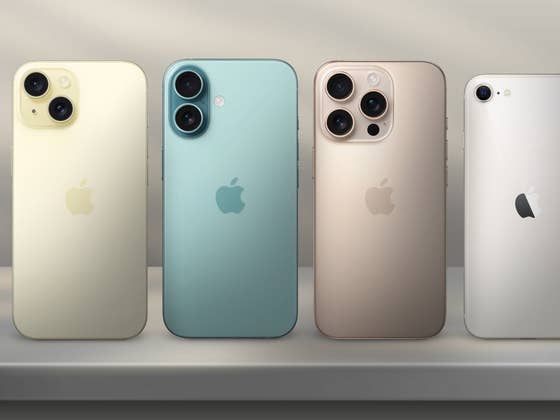
The iPhone 15 series (comparison) was replaced by the new lineup on September 9, 2024, and consists of the following smartphones: the iPhone 16 and iPhone 16 Plus, as well as the iPhone 16 Pro and iPhone 16 Pro Max.
As usual, Apple will also retain several of its older models in the iPhone catalog. In the coming months, you will be able to buy the following older models directly from Apple: the iPhone 15 and 15 Plus, the iPhone 14 and 14 Plus, and last but not least, the iPhone SE 3 from 2022.
Table of Contents:
- Official iPhone lineup
- Alternative iPhone recommendations
- iPhone operating system
- All iPhone generations from Apple at a glance
Apple iPhone 16 Pro and Pro Max: from $999 to $1,599
| 2024 Pro Max model | 2024 Pro model | |
|---|---|---|
| Device | ||
| Display |
|
|
| SoC |
|
|
| Memory capacity |
|
|
| OS |
|
|
| Camera |
|
|
| Selfie camera |
|
|
| Battery |
|
|
| Connectivity |
|
|
| IP certification |
|
|
| Dimensions and weight |
|
|
The new flagship smartphones from Cupertino are the new iPhone 16 Pro and Pro Max models, whose displays have grown to 6.3- and 6.9-inches, respectively. The two handsets are now powered by the new A18 Pro chip, which is touted to deliver 15 percent more performance with approximately 20 percent less power consumption.
The “Camera Control” button on the right side is entirely new and should help you to use the camera faster and more conveniently. The ultra-wide angle camera has been upgraded from 12 MP to 48 MP, and the same 5x telephoto lens reserved for the Pro Max last year is now also available for the Pro in 2024. Both Pro models can also record breathtaking 4K videos at 120 FPS.

From October, iOS 18.1 will also introduce the first Apple Intelligence functions, which will make your iPhones even smarter. For detailed explanations of its AI features, you may read our Apple Intelligence primer. The cameras should also benefit from the AI’s capability and can, for instance, fade out certain audio sources precisely when recording video.
The batteries are said to have become a tad bigger than its predecessor, but as usual, Apple politely held back on the details when it concerns battery capacity. Wireless charging of up to 25 W should be possible via MagSafe.
The price remains the same: You can get the cheapest iPhone 16 Pro from $999, while those who need the 1 TB model of the iPhone 16 Pro Max will have to fork out a whopping $1,599. You can choose from four colors: Black Titanium, White Titanium, Natural Titanium, and Desert Titanium for the handsets that are once again encased in titanium.
Apple iPhone 16 and iPhone 16 Plus: from $799 to $1,199
| 2024 Plus model | 2024 Base model | |
|---|---|---|
| Device | ||
| Display |
|
|
| SoC |
|
|
| Memory capacity |
|
|
| OS |
|
|
| Camera |
|
|
| Selfie camera |
|
|
| Battery |
|
|
| Connectivity |
|
|
| IP certification |
|
|
| Dimensions and weight |
|
|
| Offers* |
|
|
This year, the gap between the Pro and basic series has further widened. Nevertheless, Apple also has a number of improvements to offer in its basic two models, sporting 6.1- and 6.7-inch screens, respectively. The iPhone 16 and iPhone 16 Plus probably made the biggest leap in the SoC and are now equipped with the A18 chipset. In contrast to the iPhone 15 and iPhone 15 Plus, these two models are now also equipped to handle Apple Intelligence. However, the displays are still stuck with a 60 Hz refresh rate.
The new chipset is said to offer 30 percent more performance with 30 percent less power consumption compared to the previous year. Gamers will be pleased that ray tracing is also supported this time around. Just like the Pro models, the Action Button that was introduced in 2023 is also available this year. You will also find the brand-new Capture button to operate the camera app on the new base models.
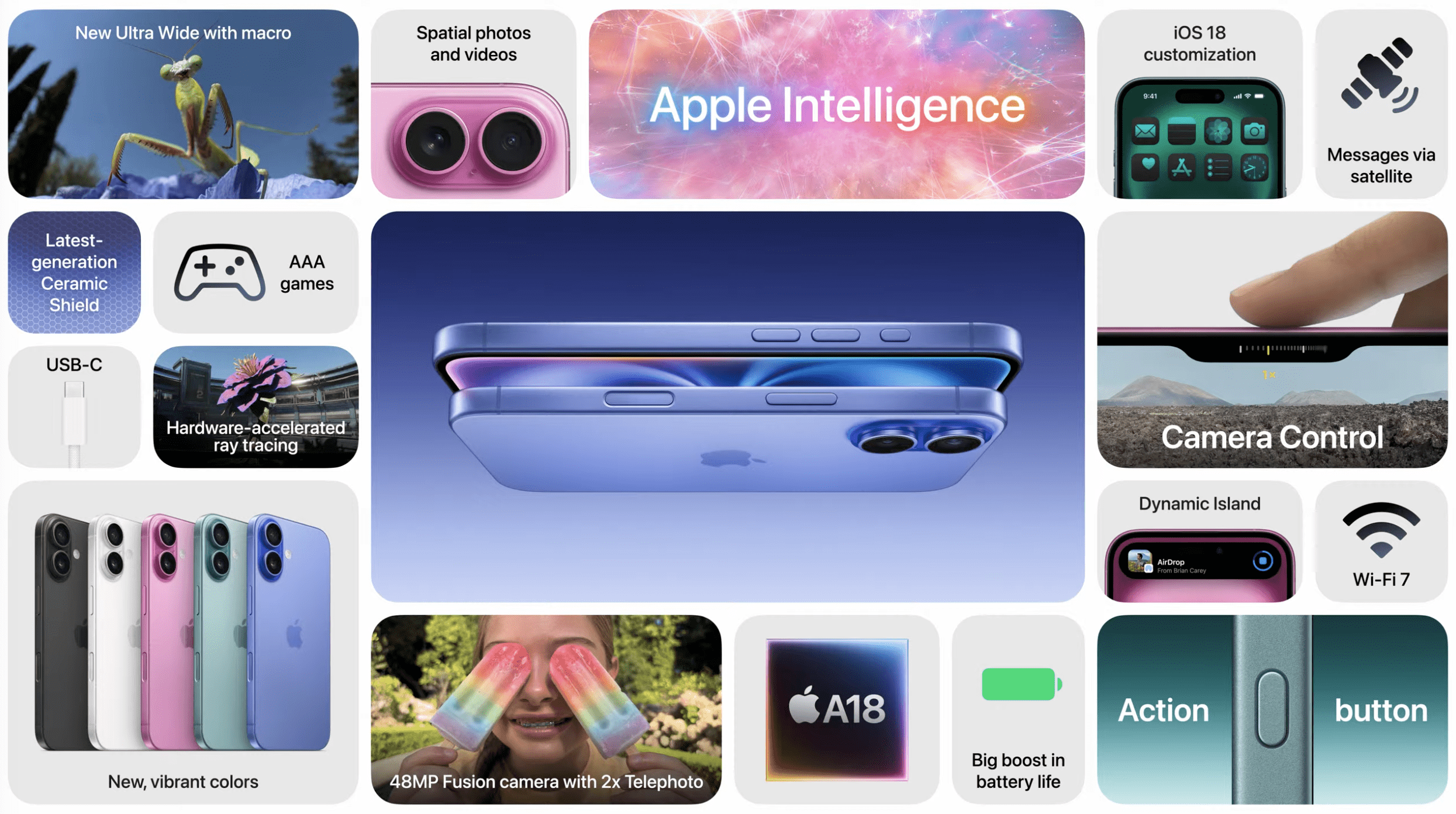
Speaking of cameras: The two sensors are now (once again) positioned below each other, after seeing a vertical placement last year. This design enables “Spatial Capture” for immersive photos and videos, which you can then view as spatial images on the Apple Vision Pro. The new iPhone models should also enable better macro photos.
Apple also promised the batteries in the basic models will last a little longer, approximately six percent longer in the iPhone 16. As with the Pro devices, everything remained the same in terms of price: The fun begins at $799. If you spend that kind of money, you still have to decide on a color. You can choose from black, white, pink, teal, and ultramarine.
Apple iPhone 15 and iPhone 15 Plus: from $699 to $1,099
| Base model 2023 | Plus model 2023 | |
|---|---|---|
| Device | Apple iPhone 15 Plus | |
| Reviews |
|
|
What Apple began in 2022 continued in 2023: The standard iPhones lag a generation behind in terms of SoCs. Accordingly, the iPhone 15 (Plus) is equipped with the Apple A16 SoC from the iPhone 14 Pro (Max). The SoC manufactured using the 4 nm process is still absolutely competitive in 2024.

Dynamic Island has also made the jump from the Pro models to the iPhone 15 and iPhone 15 Plus. However, this does not apply to all display features: ProMotion with a 120 Hz refresh rate is still reserved for the iPhone 15 Pro.
The camera has also been upgraded from the Pro drawer. The iPhone 15 and iPhone 15 Plus now offers a 48 MP shooter as the main camera and a lossless 2x zoom for the 12 MP image resolution. This is a welcome upgrade, as the standard iPhones were comparatively weak in their price range, especially where zoom prowess is concerned.
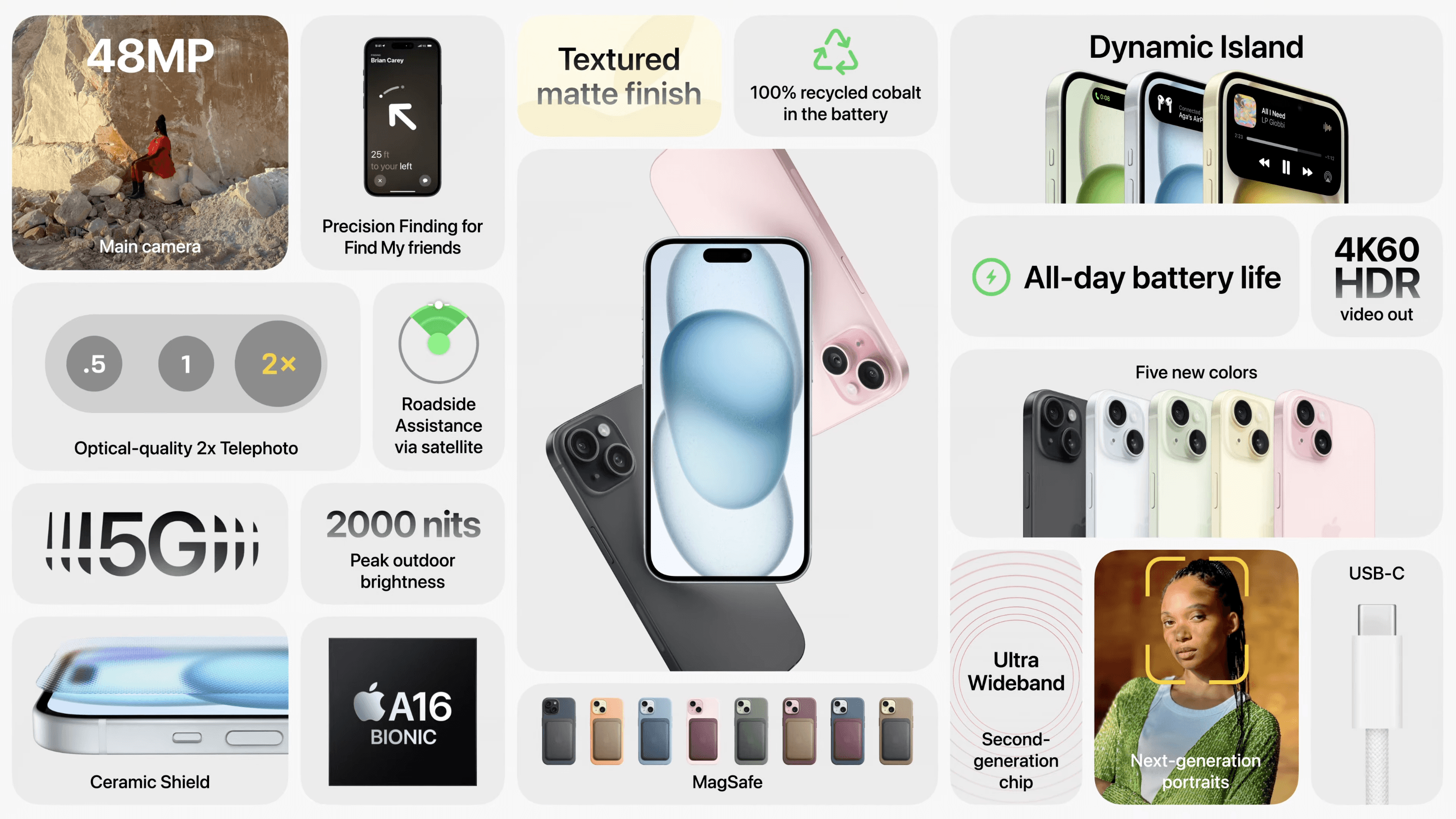
When it comes to pricing: The iPhone 15 and iPhone 15 Plus, the same principle applies here. The iPhone 15 and iPhone 15 Plus are cheaper than their predecessors at launch. Following the launch of the iPhone 16 series, Apple lowered the respective prices to $699 for the basic model, while you can now get the iPhone 15 Plus from $799.
- Also interesting to know: iPhone 15 (Plus) and iPhone 15 Pro (Max) compared
Apple iPhone 14 and iPhone 14 Plus: from $599 to $999
| Base model 2022 | Plus model 2022 | |
|---|---|---|
| Device | Apple iPhone 14 | Apple iPhone 14 Plus |
| Reviews |
|
|
Due to low interest in the mini variant, Apple opted for a new strategy for the standard iPhone 14 series models in 2022: Cupertino replaced the 5.4-inch mini variant with a Plus variant, with the same 6.7-inch handset posing as the Pro Max model.
As mentioned earlier, the iPhone 14 and iPhone 14 Plus are equipped with the same Apple A15 Bionic chipset as 2021’s Pro series. However, Apple says the five-core GPU is eight times faster than the previous generation. Both models are of course compatible with 5G.
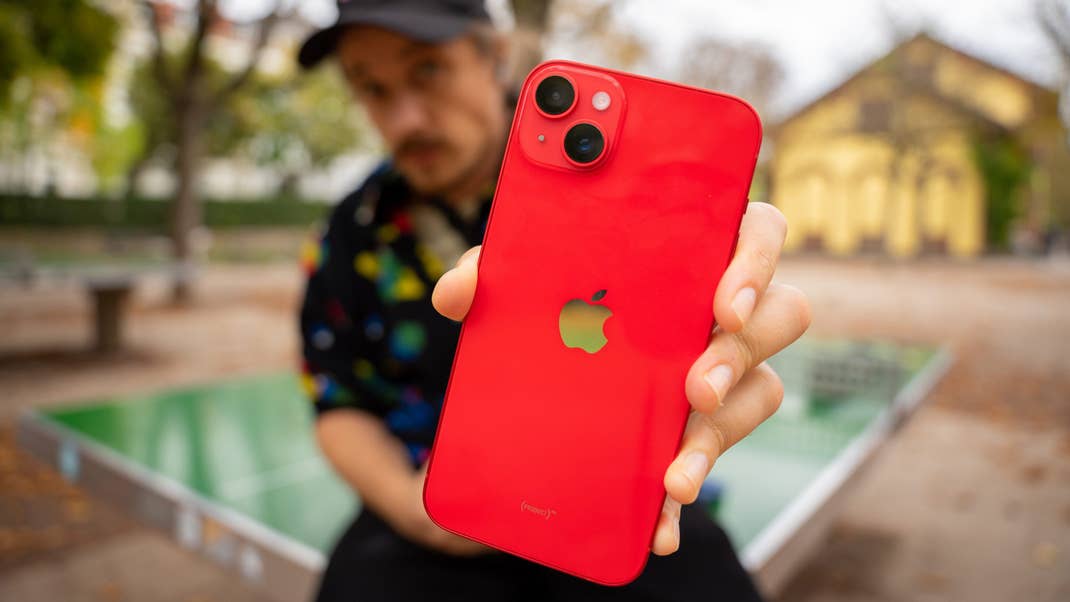
Apart from the difference in display size between the vanilla and the Plus models, the specifications are essentially identical: Both displays have a 60 Hz refresh rate, can achieve a maximum brightness (peak) of 1,200 nits, and retain the classic notch that has become an Apple trademark.
- Want more information? Read our iPhone 14 review
As for the camera module, buyers of the non-Pro models will have to live without the telephoto lens. The iPhone 14 and iPhone 14 Plus, on the other hand, come with the new Action Mode and an improved camera setup.
Here, we can see a dual camera module, led by a new 12 MP main lens. The sensor is larger compared to the previous generation, with a 1.9 µm pixel size. The ultra-wide angle camera also has a 12 MP sensor, which Apple has not provided any further details.
Not in the mood for long reviews? Then first take a look at our comparison between the iPhone 14 (Plus) and the iPhone 14 Pro (Max).
Apple iPhone 13 and iPhone SE 3 (2022)
| Base model 2021 | Current SE model | |
|---|---|---|
| Device | Apple iPhone 13 | Apple iPhone SE 3 (2022) |
| Reviews |
|
|
Finally, we come to the entry-level iPhones in Apple’s portfolio. The company has long since retired the iPhone 13 mini officially, and you can no longer purchase the iPhone 13 from Apple’s website. 2022’s iPhone SE 3 does share some similarities with the iPhone 13, and is still available. Since you can still purchase the vanilla iPhone 13 from numerous third-party retailers and it is comparable with the iPhone SE, we listed this model in our article.
First the similarities: Both models are powered by the Apple A15 Bionic chip, which is manufactured using the 5 nm process. But that’s almost it for the similarities.
The iPhone SE 3 from 2022 is the last smartphone to feature a home button in front. Basically, the 4.7-inch display is significantly smaller than in the iPhone 13 (6.1-inches). The resolution and pixel density are also significantly better on the larger panel, and unlike all other current iPhones with their OLED displays, the iPhone SE still relies on an IPS LCD panel.

- You can read more details in the iPhone 13 review and in the iPhone SE (2022) review.
With Ceramic Shield glass over the display and an IP68 rating, the iPhone 13 is also a bit more resistant than the iPhone SE 2022, which is only protected with a IP67 rating. Wireless charging and MagSafe are unavailable in the smallest iPhone, nor is UWB, which is extremely practical for AirTags (review). The camera features a dual camera and a single camera, whereas the iPhone 13 also has the edge in the main camera with Sensor Shift OIS.
Other alternatives: Apple iPhone 14 and 15 Pro and Pro Max
Apple removed the iPhone 14 Pro and iPhone 14 Pro Max from its official portfolio with the launch of the iPhone 15 series—and the same fate has now fallen onto the Pro models in the iPhone 15 series. However, this does not mean the smartphones are unavailable from third-party providers and still represent a really exciting option in 2025. That’s why we don’t want to withhold the four models from you here.
Apple iPhone 15 Pro and Pro Max
The iPhone 15 Pro and iPhone 15 Pro Max are the first Apple smartphones which feature a new material choice. Cupertino replaced the stainless-steel frame of the old Pro models with a titanium chassis. Compared to the iPhone 14 Pro and iPhone 14 Pro Max, the latest flagships are now 19 g lighter and you can feel it while holding it in your hands. Another change to the chassis? Apple replaced the DND slider on the iPhone with an Action Button that you can assign numerous features to, ranging from flashlight to voice memo.
Pros of the Apple iPhone 15 Pro
- Titanium case is elegant and robust
- More compact and lighter than the iPhone 14 Pro
- A17 Pro is faster and has impressive graphics performance
- New triple camera with 48 MP
- USB-C port offers countless possibilities
- Very practical action button
Cons of the Apple iPhone 15 Pro
- Relatively slow charging despite USB-C
- Action button partly immature
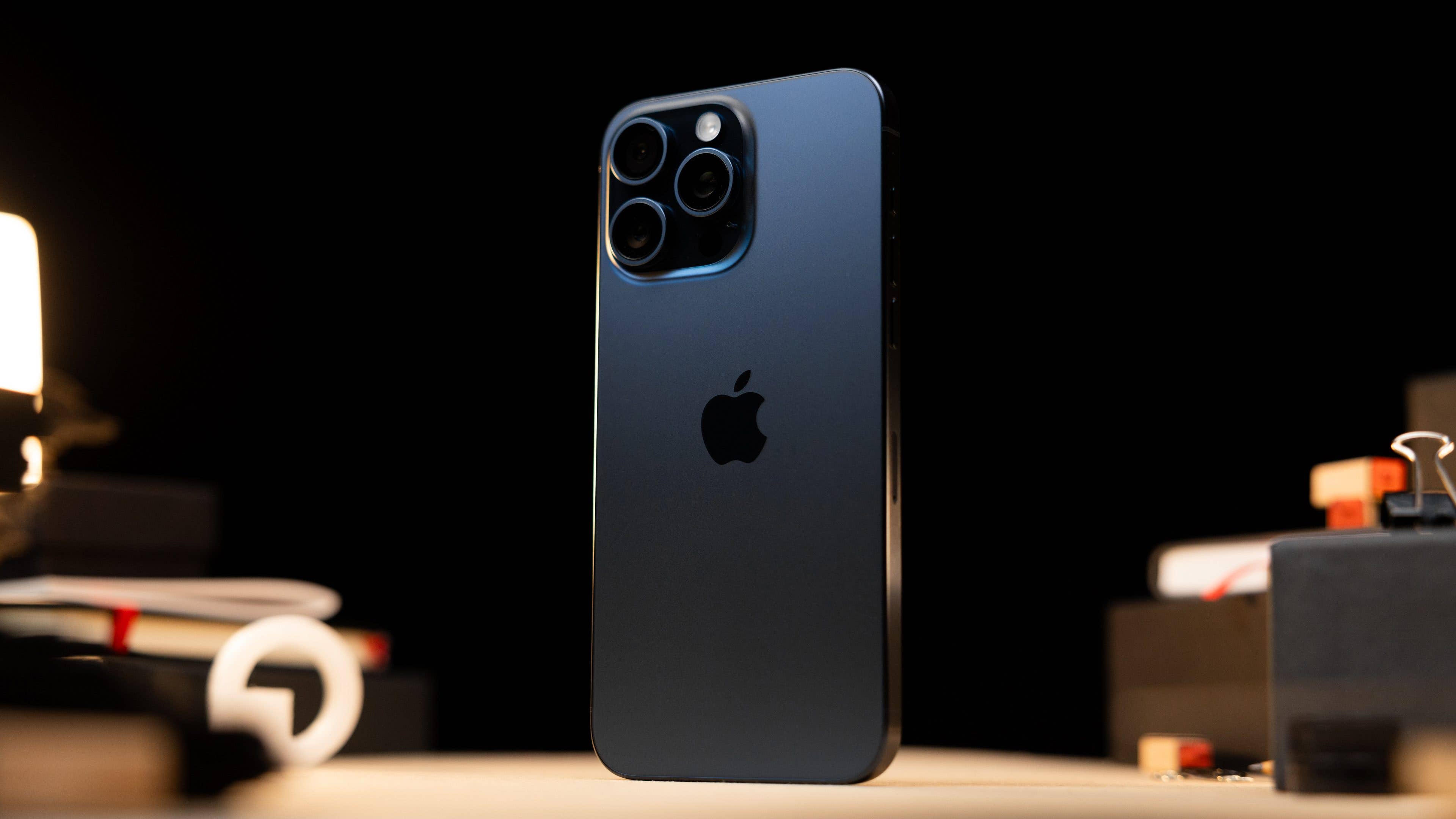
Under the luxurious hood of the iPhone 15 Pro (Max) is the new Apple A17 Pro. The new SoC is the first in the industry to be manufactured using the 3 nm process and made a huge leap forward in terms of performance. We are still eagerly awaiting Apple’s game announcements: in 2024, actual AAA titles such as Assassin’s Creed: Mirage and Death Stranding will make it to the iPhone 15 Pro and Pro Max in console quality. It is not done over cloud gaming, but locally. Resident Evil Village on the iPhone 15 Pro Max has already completely impressed Antoine!
The primary camera is still a 48 MP shooter but with slightly larger sensors this time. The ultra-wide angle camera has an improved macro mode and the iPhone 15 Pro Max has a new telephoto camera. Unlike the familiar 3x telephoto camera in the iPhone 14 Pro (Max) and iPhone 15 Pro, the current Pro Max now boasts a 5x zoom. This gives you better telephoto photos, but also widens the gap with the main camera.
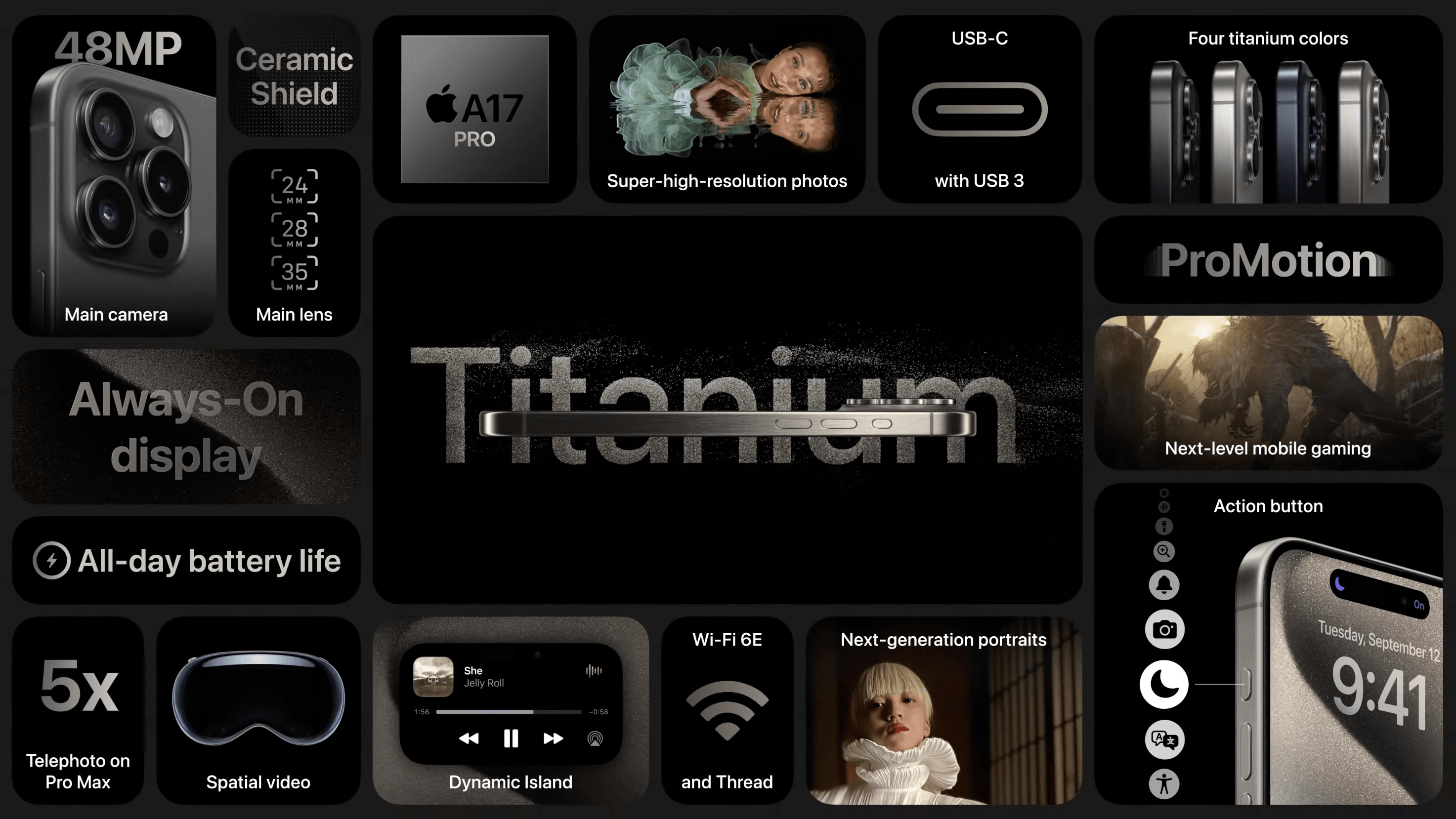
In video mode, both iPhones now offer ProRes with 4K60 and can also record directly to external storage media via the new USB-C port (yay!). LOG video and the ACES color system are also supported. And yes, to match the Apple Vision Pro, the new iPhones also offer the option of recording stereoscopic 3D videos using the UWW and main camera.
Another eye-catching development is this: both Pro iPhones are cheaper than their predecessors at launch. The iPhone 15 Pro starts at $999 with the iPhone 15 Pro Max at $1,149.
Apple iPhone 14 Pro and Pro Max
As of 2021, the 2022 iPhone 14 Pro and iPhone 14 Pro Max models only differ in screen size and battery capacity. Nevertheless, there are many differences compared to the basic iPhone 14 series models. For example, only the Pro models feature Apple’s A16 SoC, which also made it to the iPhone 15 and iPhone 15 Plus in 2023.
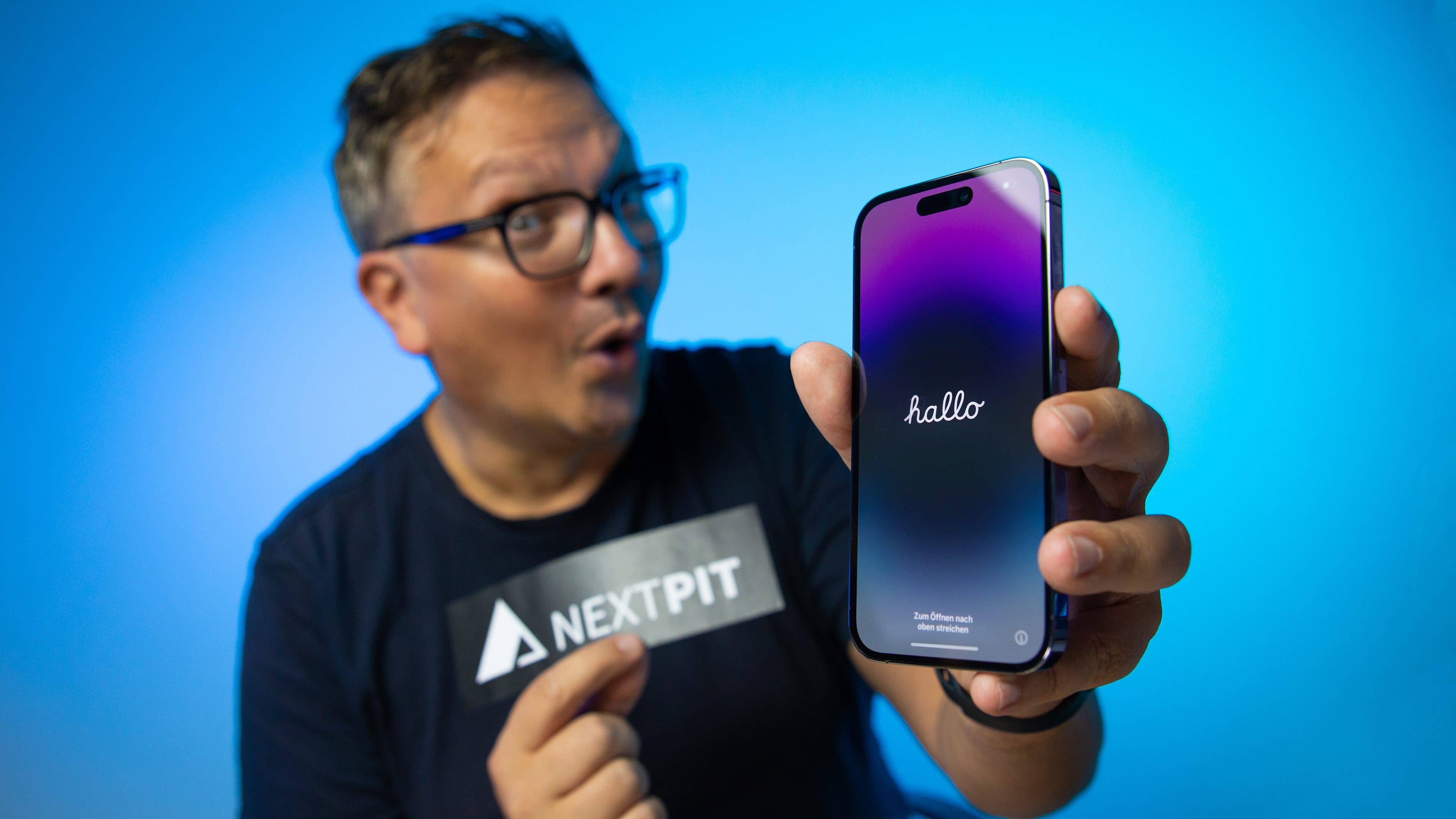
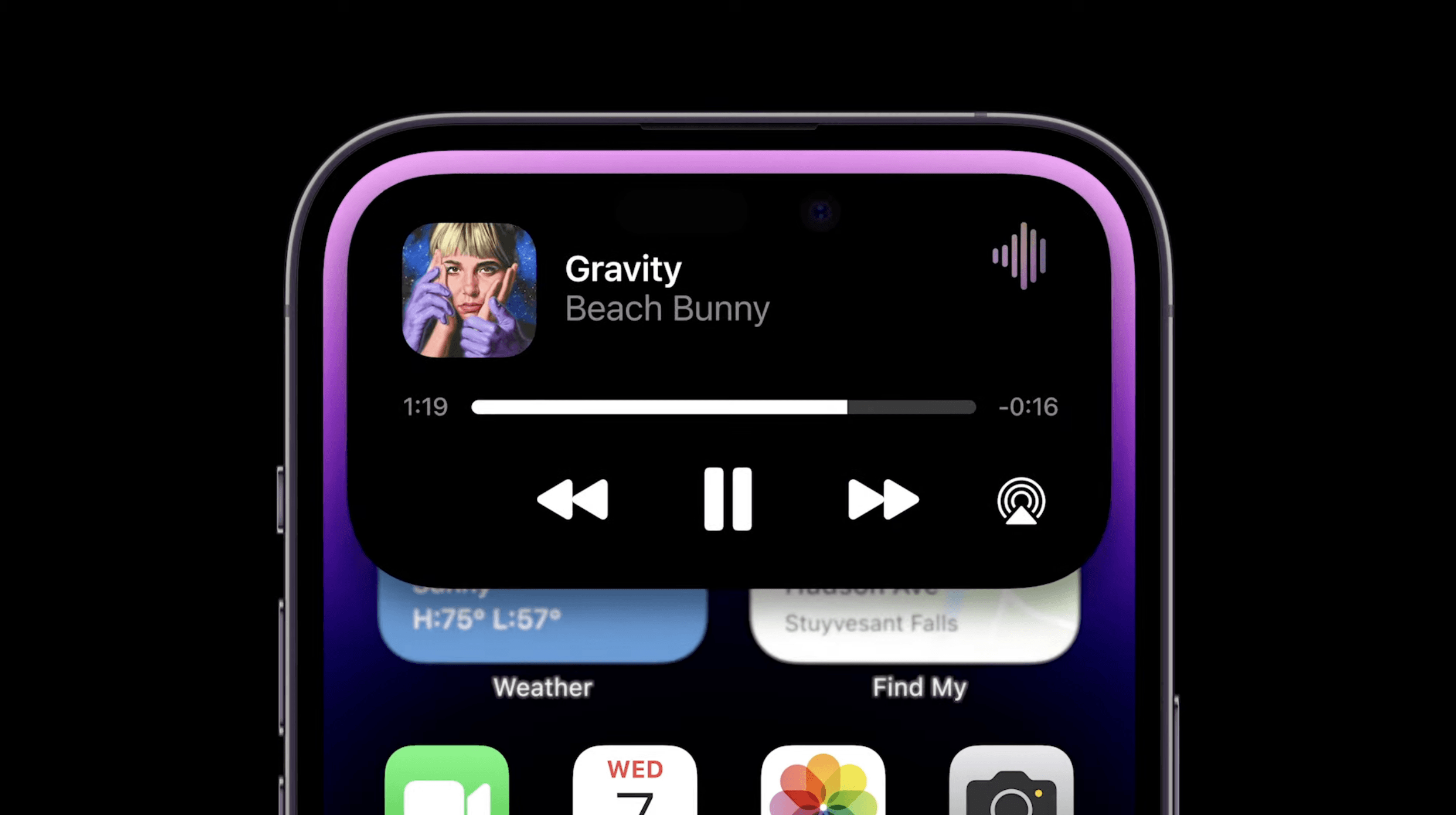
The iPhone 14 Pro models were the first new iPhones to feature the pill-shaped notch called Dynamic Island, which Apple uses to house the 12 MP TrueDepth front camera and Face ID sensors. Apple mentioned this solution takes up 30 percent less screen space than the classic notch.
As for the software, the Dynamic Island displays on-screen animations for notifications, alerts, and other contextual information. Both models now also exclusively offer an Always-on Display screen.
There was a quality leap in the camera module compared to the previous models. There is a brand-new sensor on the back of the Pro models. The main camera now offers 48 MP instead of 12 MP and comes with a quad-pixel system that enables 4-in-1 pixel binning. There is also a 12 MP ultra-wide-angle lens that enables macro shots and a 12 MP telephoto lens on board.
On the video side, the iPhone 14 Pro and 14 Pro Max can shoot in ProRes and benefit from a new Action mode that stabilizes video and compensates for camera movement. ProRAW support and a LiDAR sensor are also only available in the Pro models.
iOS 18 has arrived
At WWDC in spring 2024, Apple unveiled iOS 18, the natural successor to iOS 17. iOS 18 is now rolling out, just a few days after the unveiling of the new 2024 iPhones. With this iOS generation, Apple introduced its AI platform Apple Intelligence, the first functions of which will only be available as beta versions on compatible iPhones with iOS 18.1 in October.
- Also interesting: You definitely don’t know all of these 27 iPhone tips yet!
With iOS 18, Apple wants to redefine the way we use our iPhones. The update brings a host of new features that improve personalization, simplify daily tasks, and enhance the overall user experience. Apple has also once again taken care of improving privacy options. For more information on all the updates, be sure to check out our iOS 18 guide:
- Also read: Here are the new Apple iOS 18 features
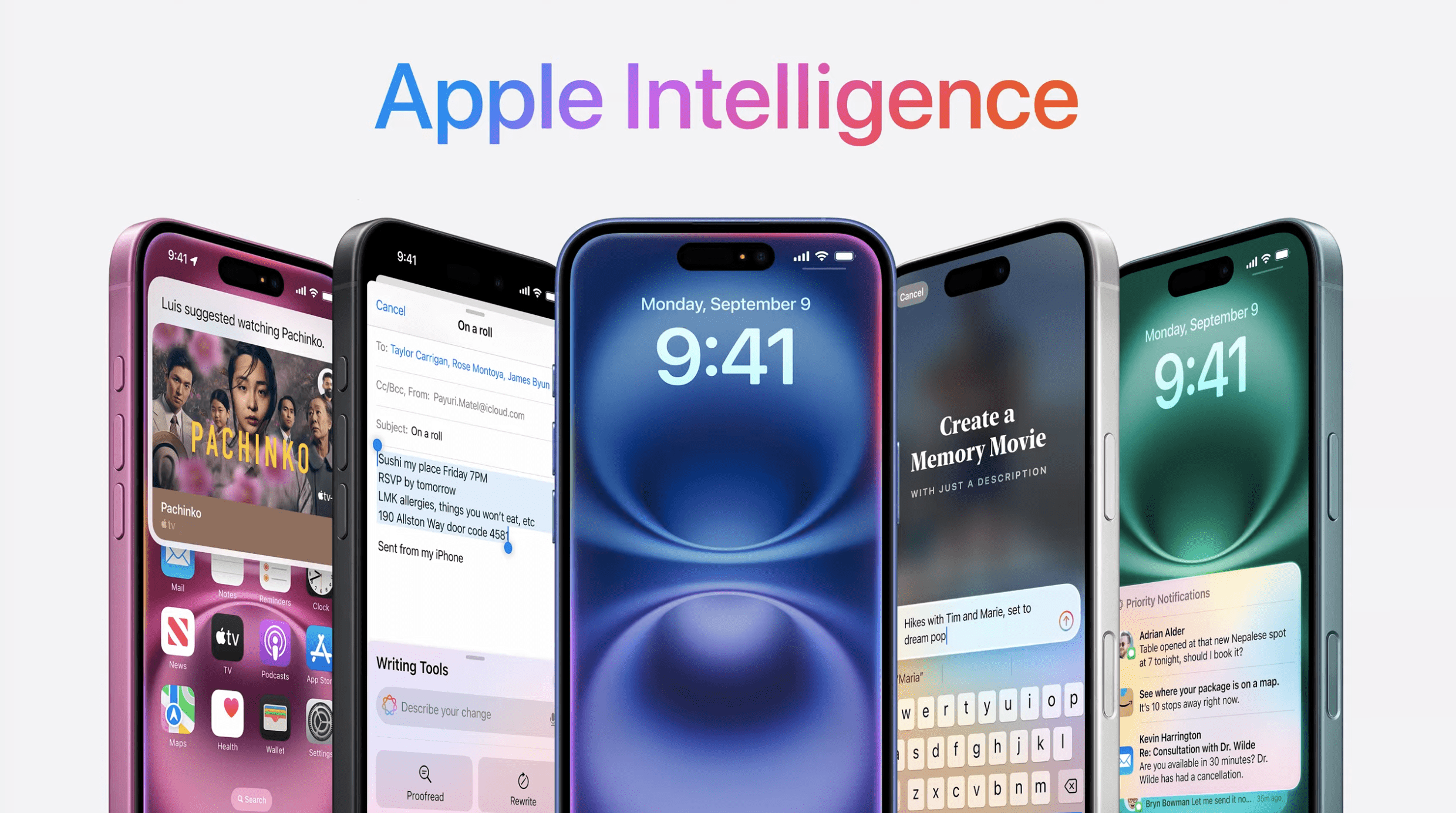
Let’s not kid ourselves: The presentation of the new iPhones wasn’t about minor changes to the software design or a certain feature that has been improved. The highlight of the new iPhone generation is undoubtedly the introduction of Apple Intelligence. Under this term, Apple combines all its AI features, most of which are also executed locally on the iPhone.
This means the technology is limited to the latest models, i.e. last year’s Pro models and the new iPhone 16 generation, for instance. If the computing power is still insufficient, Apple’s servers are available and they do not store your information but only process the desired operation. Apple dubbed this Private Cloud Compute.
If you want additional AI power, you can also use ChatGPT, although you will be asked before the process whether you want to really do this. Initially, you will be able to use Apple Intelligence to summarize texts, tidy up your gallery, or have Siri (which has been given a completely new look) explain the functions of your device.
For now, however, only compatible iPhones with the language set to US English will be able to benefit from Apple Intelligence. The first new AI features will be available here from October 2024, while other English dialects for Canada, Australia and the UK will be supported by the end of the year. Chinese, Japanese, French and Spanish will follow in 2025 with no mention of German yet. However, if you want to use Apple Intelligence earlier: by switching the language to US English, it should also work for you.
Earlier iPhone models from Apple
Which iPhone generation introduced Touch ID? How about “Dynamic Island?” When did Apple do away with the headphone jack? When did Antennagate happen? Join us on a journey through the iPhone’s past in the following iPhone history overview:
Apple iPhone: Model overview
| Year | Models | Highlights |
|---|---|---|
| 2024 | iPhone 16 iPhone 16 Plus iPhone 16 Pro iPhone 16 Pro Max |
|
| 2023 | iPhone 15 iPhone 15 Plus iPhone 15 Pro iPhone 15 Pro Max |
|
| 2022 |
iPhone 14 iPhone 14 Plus iPhone 14 Pro iPhone 14 Pro Max |
|
| 2022 | iPhone SE (2022) |
|
| 2021 | iPhone 13 iPhone 13 mini iPhone 13 Pro iPhone 13 Pro Max |
|
| 2020 |
iPhone 12 mini iPhone 12 Pro iPhone 12 Pro Max |
|
| 2020 | iPhone SE (2020) |
|
| 2019 |
iPhone 11 Pro iPhone 11 Pro Max |
|
| 2018 |
iPhone XR iPhone XS iPhone XS Max |
|
| 2017 |
iPhone X iPhone 8 iPhone 8 Plus |
|
| 2016 |
iPhone 7 iPhone 7 Plus |
|
| 2016 | iPhone SE |
|
| 2015 |
iPhone 6s iPhone 6s Plus |
|
| 2014 |
iPhone 6 iPhone 6 Plus |
|
| 2013 |
iPhone 5s iPhone 5c |
|
| 2012 | iPhone 5 |
|
| 2011 | iPhone 4s |
|
| 2010 | iPhone 4 |
|
| 2009 | iPhone 3GS |
|
| 2008 | iPhone 3G |
|
| 2007 | iPhone |
|
Have we forgotten anything? Do you have any suggestions or feedback for us? We look forward to your comments!
We mark partner links with this symbol. If you click on one of these links or buttons–or make a purchase through them–we may receive a small commission from the retailer. This doesn’t affect the price you pay, but it helps us keep nextpit free for everyone. Thanks for your support! Prices are based on the date of publication of this article and may be subject to change.