Sorry, but there's really nothing to see here right now. Our server is in maintenance mode – and our
little bot is trying to sort the error messages with its last bit of energy.
Whether it was a data leak, a power outage in the cluster, or just a grumpy bit – we don't know yet.
But what we do know is:
The data drama escalated into a server meltdown. But don't worry: We're on it.
What now?
Everything is surely running smoothly over at our colleagues from inside
digital – why not stop by!
Or you could pass the time by visiting our social media channels – for example Instagram, YouTube or TikTok. At least there are no
server problems there – promised.
Thanks for your patience. Our bot is already rebooting at full speed. 🔧
NewsTabletApps Gain Ability to Ensure Your Android Device Is Up-to-Date
Google Play has evolved into more than just a platform for apps. Over the years, Google has consistently enhanced it to benefit both users and developers. The latest Play Integrity API update introduces further security improvements that is aimed at safeguarding Android devices.
Don’t miss this: How to Enable Android Anti-Theft features on your smartphone
What Is the Play Integrity API?
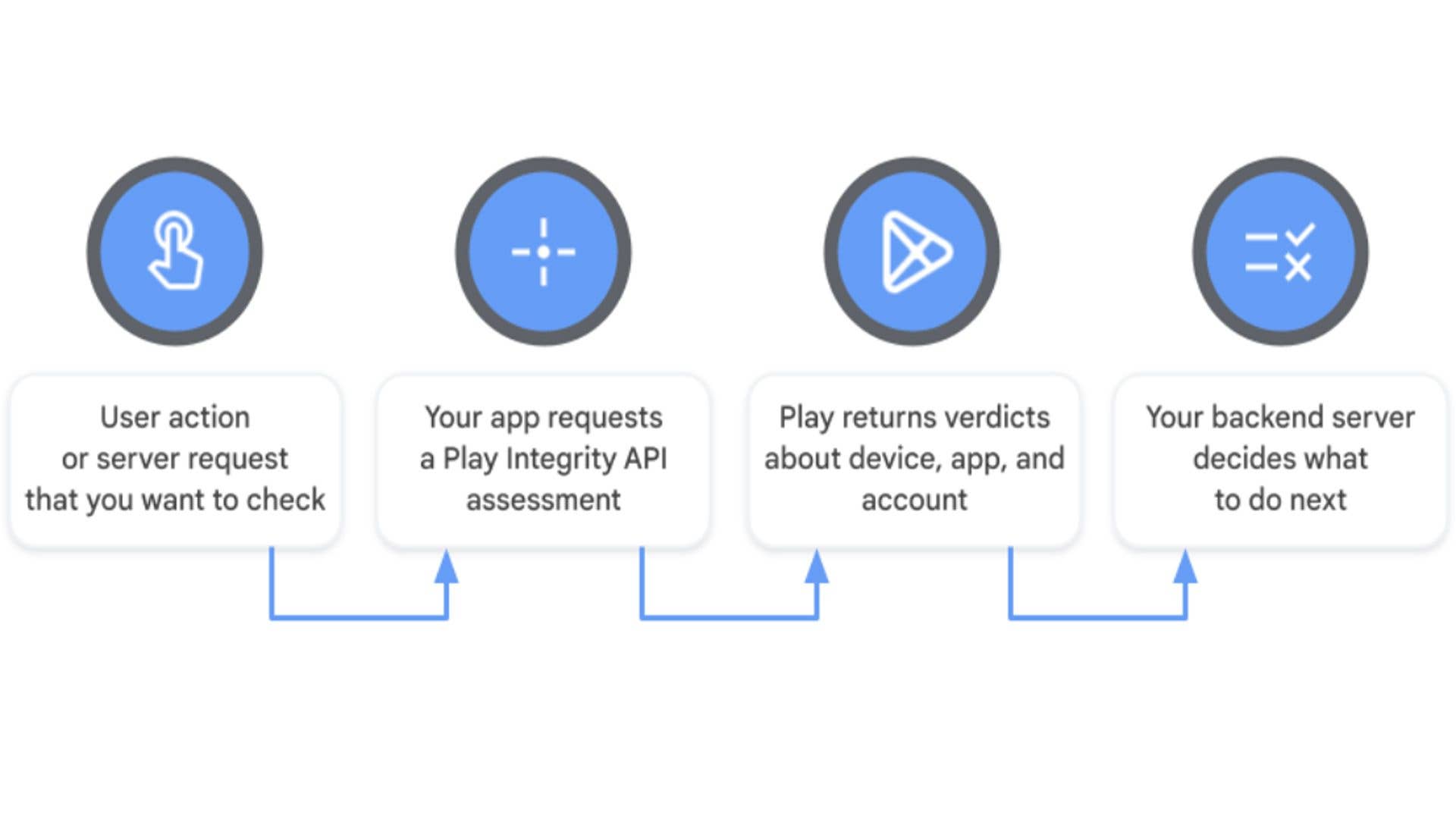
The Play Integrity API is a security feature that enables apps and the operating system to communicate, verifying that apps are running on secure, uncompromised hardware—such as non-rooted Android devices.
By implementing these safeguards, Google reduces the risk of malware attacks that can compromise sensitive data through phishing, spoofing, or other malicious methods. With the latest changes, developers will gain even more control over verifying their app environments.
Android Apps Will Detect Outdated Software
A significant enhancement focuses on device recognition, particularly the “meets strong integrity” response. This update allows the API to check whether a device is running the latest software and enables developers to restrict app functionality based on a device’s security status.
For example, the API can detect whether an Android phone has received security updates over the past year. If the device falls behind on updates, developers can limit app features or user access, enhancing security.
This feature is especially critical for financial, banking, and enterprise apps, where actions like unauthorized money transfers or account modifications can be blocked if the device fails to meet security standards.
According to Google’s blog post, this feature will be available on devices running Android 13 and later. However, for Android 12 and older devices, developers can implement alternative security measures, including more stringent restrictions.
In addition, the update improves the API’s performance by reducing latency, and enabling faster communication between apps and the operating system, resulting in a smoother user experience.
Developers already using the Play Integrity API can switch to the new device recognition verdict immediately. Google also plans to automatically update the API for all developers by May 2025.
What do you think of Google’s ongoing efforts to enhance Android security? Share your thoughts in the comments below!
We mark partner links with this symbol. If you click on one of these links or buttons–or make a purchase through them–we may receive a small commission from the retailer. This doesn’t affect the price you pay, but it helps us keep nextpit free for everyone. Thanks for your support!







0 comments