Sorry, but there's really nothing to see here right now. Our server is in maintenance mode – and our
little bot is trying to sort the error messages with its last bit of energy.
Whether it was a data leak, a power outage in the cluster, or just a grumpy bit – we don't know yet.
But what we do know is:
The data drama escalated into a server meltdown. But don't worry: We're on it.
What now?
Everything is surely running smoothly over at our colleagues from inside
digital – why not stop by!
Or you could pass the time by visiting our social media channels – for example Instagram, YouTube or TikTok. At least there are no
server problems there – promised.
Thanks for your patience. Our bot is already rebooting at full speed. 🔧
ComparisonsTabletPixel 6a vs. Pixel 6 vs. Pixel 6 Pro: Which Google phone is right for you?
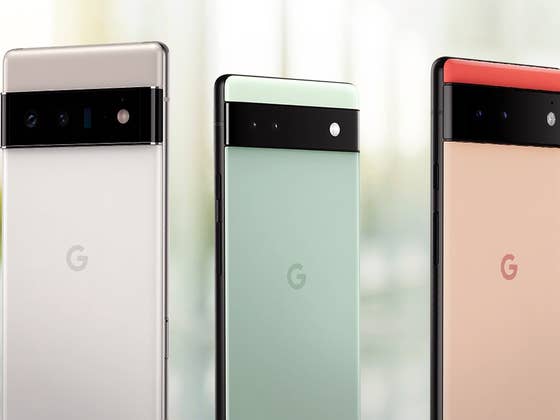
The Pixel 6 line promises to be a watershed for Google and the Android ecosystem. With the release of the Google Pixel 6a, it is even clearer the differences between the three models, going beyond the larger screen size. To help you understand which model fits best into your day-to-day routine, we have compared the Google Pixel 6a, Pixel 6 and Pixel 6 Pro.
Google Pixel 6a vs. Pixel 6 vs. Pixel 6 Pro comparison table
Besides the form factor, all models in Google’s latest line of smartphones are also packed by the same Google Tensor SoC. So, given the limitations of the other hardware components, you can still expect a very similar performance between the most basic to the most advanced model. We’ll go into more detail about the differences below.
Pixel 6a vs. Pixel 6 vs. Pixel 6 Pro: Models and prices
The 6th generation of Google devices is divided into three price categories, and the storage options vary depending on the market where Google sells the device. The prices shown in the table below refer to the launching of each model. That said, you will find the Pixel 6 and Pixel 6 Pro for a more affordable price right now, given that both devices form announced in October 2021.
It is also worth noting that the Pro model is available in more sober color options—Cloudy White, Stormy Black and Sorta Sunny—, while the traditional Pixel 6 has more colorful versions—Kinda Coral and Sorta Seafoam, in addition to the option in Stormy Black. The all-new Pixel 6a is available in the colors Charcoal, Chalk and Sage.
Pixel 6a vs. Pixel 6 vs. Pixel 6 Pro: Screen size matters here
At first glance, the three models can already be identified by the screen. But while the XL versions of previous Pixel generations—except the 5th, which did not have an option with larger screen—were differentiated basically by the size of the diagonal, the Pixel 6 line brings important distinctions.
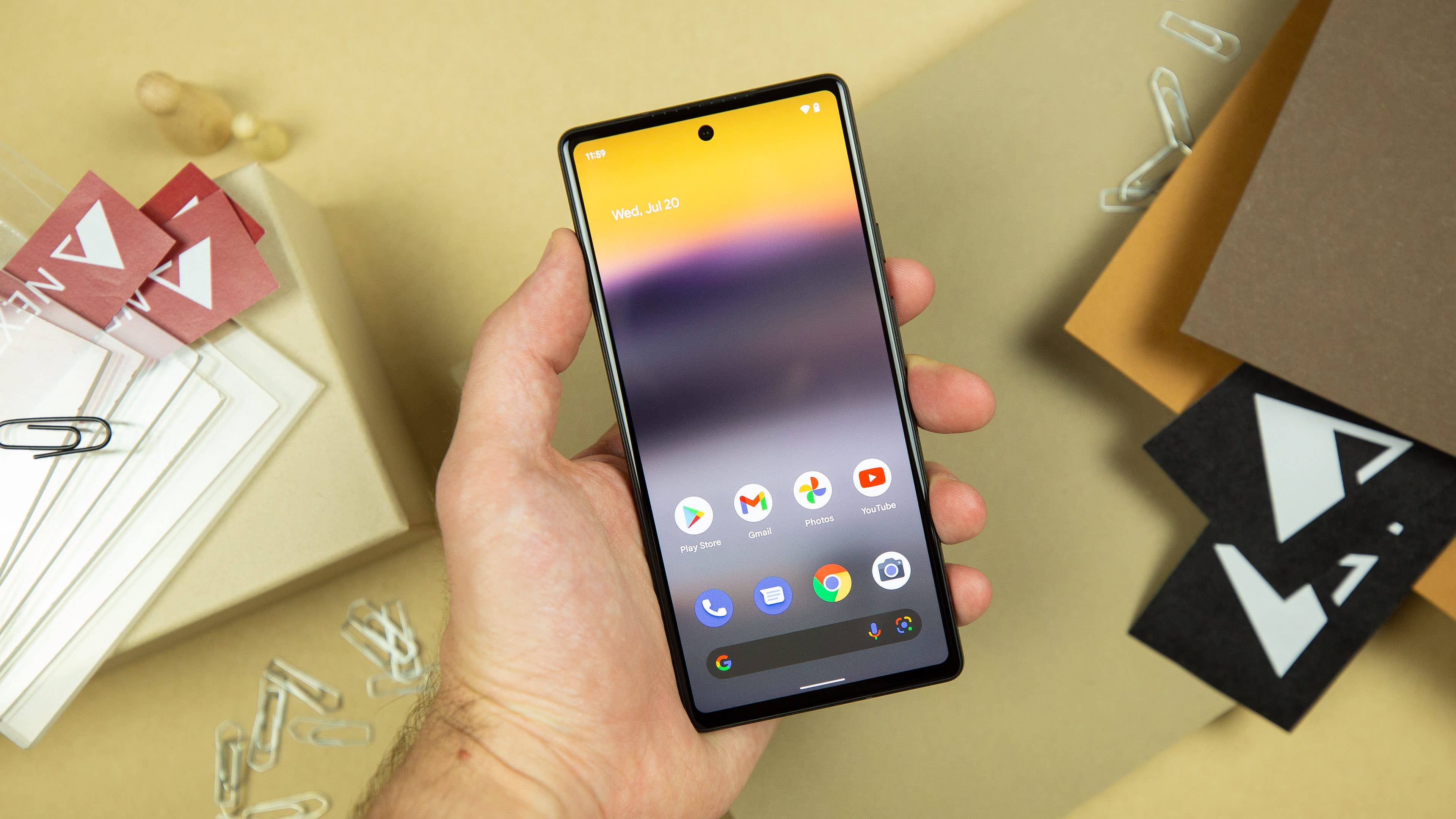
Starting with the resolution, which is Full HD+ in the Pixel 6 and Pixel 6a models, and Quad HD+ in Pixel 6 Pro. Considering the screen sizes—6.4, 6.1 and 6.7 inches, respectively—the result is a higher pixel point density on the Pixel 6 Pro: 411ppi, 429ppi versus 512ppi.
In addition, another important difference is in the operation of the OLED panel. While the Pixel 6 maintains the 90 Hz refresh rate of the previous generation, the Pixel 6 Pro has LTPO technology that allows you to change the refresh rate of the screen from 10 to 120 Hz, optimizing power consumption. The new Pixel 6a, on the other hand, comes to market with a basic 60 Hz refresh rate.
The screen finish also changes between the devices, the vanilla model is equipped with a flat screen, while the Pixel 6 Pro uses a slightly curved display on the sides. In practice, the more expensive model has smaller edges. Both models feature Gorilla Glass Victus protection over the display to reduce the chance of scratches and shattering.
Regarding the screen of the Pixel 6a, just like in the conventional model, we have a flat screen, but here Google chose to use the Gorilla Glass 3 cover glass.
TL;DR: Our team had the chance to test all three models and in all three cases, the screen experience was highlighted as excellent, even on the Pixel 6a model, which uses a lower screen refresh rate. In any case, it is undeniable that the Pixel 6 Pro offers superior screen technology; but because it is more compact, the Pixel 6a has the better grip.
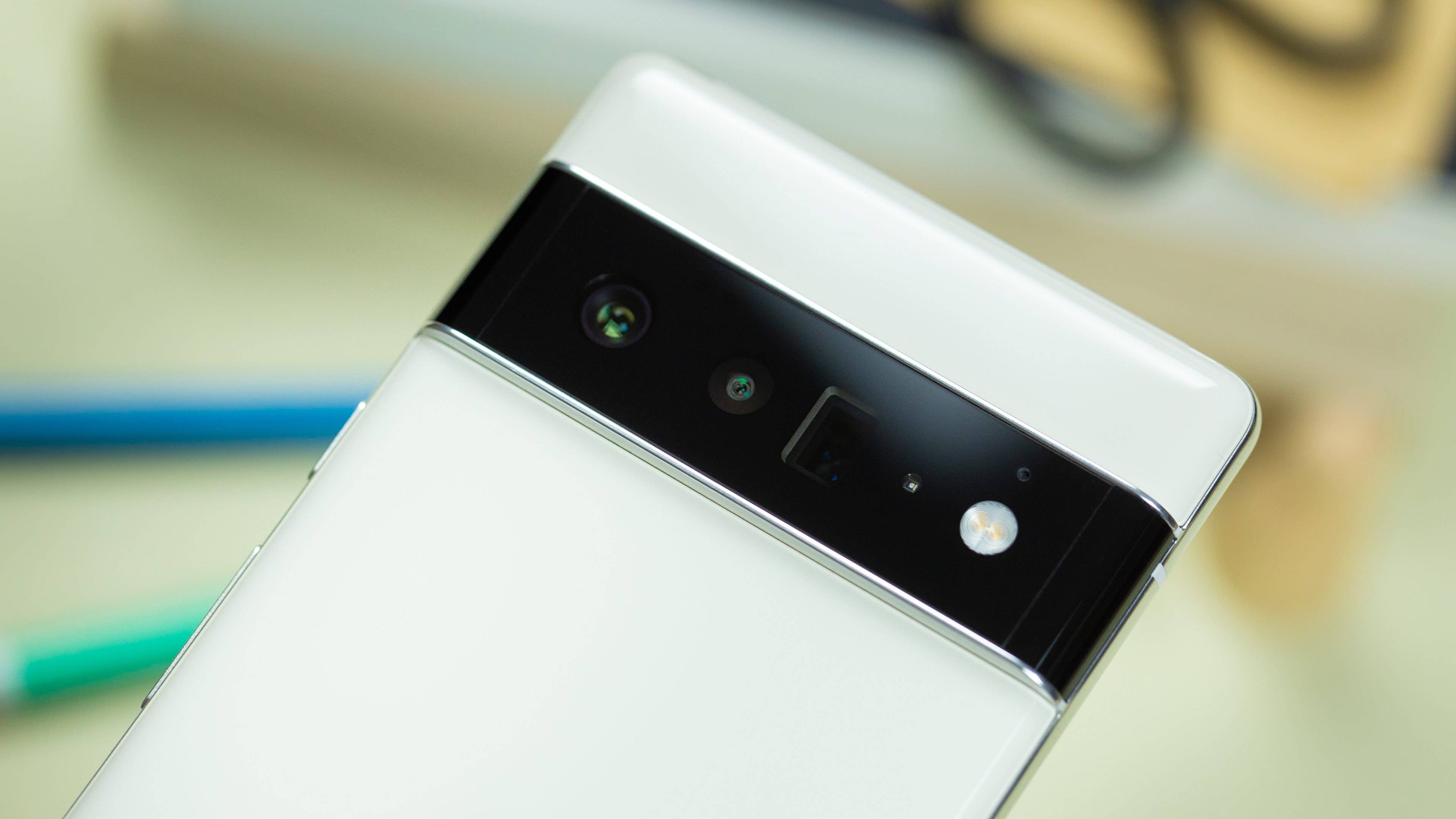
On the back, although all the models follow a similar design, the horizontal strip that houses the camera array holds another difference between the Pixel 6 phones. While the Pixel 6 and Pro models feature the same main and ultra-wide-angle sensors, the Pro option stands out for its telephoto camera.
The 48-megapixel sensor lens available only on the Pixel 6 Pro is of the periscopic type, and offers 4x magnification, with a 23.4° field of view, without giving up optical image stabilization.
The Pixel 6a, on the other hand, has a distinct camera module. The Pixel 6a is built with a dual camera module, comprising a 12.2 MP wide-angle lens and another 12 MP ultrawide lens.
Google Pixel 6a ultra-wide camera: Day light
Quelle: NextPit
Google Pixel 6a main camera: Day light
Quelle: NextPit
Google Pixel 6a 2x zoom camera Day light
Quelle: NextPit
Google Pixel 6a 7x zoom camera Day light
Quelle: NextPit
Google Pixel 6a ultra-wide camera: Day light
Quelle: NextPit
Google Pixel 6a main camera: Day light
Quelle: NextPit
Google Pixel 6a 2x zoom camera Day light
Quelle: NextPit
Google Pixel 6a main camera: Internal shot
Quelle: NextPit
Google Pixel 6a main camera: Internal shot
Quelle: NextPit
Google Pixel 6a ultra-wide camera: Day light
Quelle: NextPit
Google Pixel 6a main camera: Day light
Quelle: NextPit
Google Pixel 6a 2x zoom camera Day light
Quelle: NextPit
Google Pixel 6a 7x zoom camera Day light
Quelle: NextPit
Google Pixel 6a Selfie Camera 8MP
Quelle: NextPit
Google Pixel 6a Selfie Camera 8MP – Portrait mode
Quelle: NextPit
Google Pixel 6a Selfie Camera 8MP – Portrait mode
Quelle: NextPit
Google Pixel 6a Selfie Camera 8MP
Quelle: NextPit
Google Pixel 6a Selfie Camera 8MP – Portrait mode (close up)
Quelle: NextPit
Google Pixel 6a Selfie Camera 8MP (close up)
Quelle: NextPit
Google Pixel 6a main camera: Night shots – Night mode on
Quelle: NextPit
Google Pixel 6a main camera: Night shots – Night mode off
Quelle: NextPit
Google Pixel 6a main camera: Night shots – Night mode on
Quelle: NextPit
Google Pixel 6a main camera: Night shots – Night mode off
Quelle: NextPit
Google Pixel 6a main camera: Night shots – Night mode off
Quelle: NextPit
Google Pixel 6a camera samples: night shots – Night mode on
Quelle: NextPit
Google Pixel 6a main camera: Night shots – Night mode on
Quelle: NextPit
Google Pixel 6a ultra-wide camera: Night shots – Night mode on
Quelle: NextPit
Google Pixel 6a main camera: Night shots – Night mode off
Quelle: NextPit
Google Pixel 6a main camera: Night shots – Night mode on
Quelle: NextPit
Google Pixel 6a Selfie camera: Night shots – Night mode on
Quelle: NextPit
Google Pixel 6a Selfie camera: Night shots – Portrait mode
Quelle: NextPit
Google Pixel 6a Selfie camera: Night shots – Night mode on
Quelle: NextPit
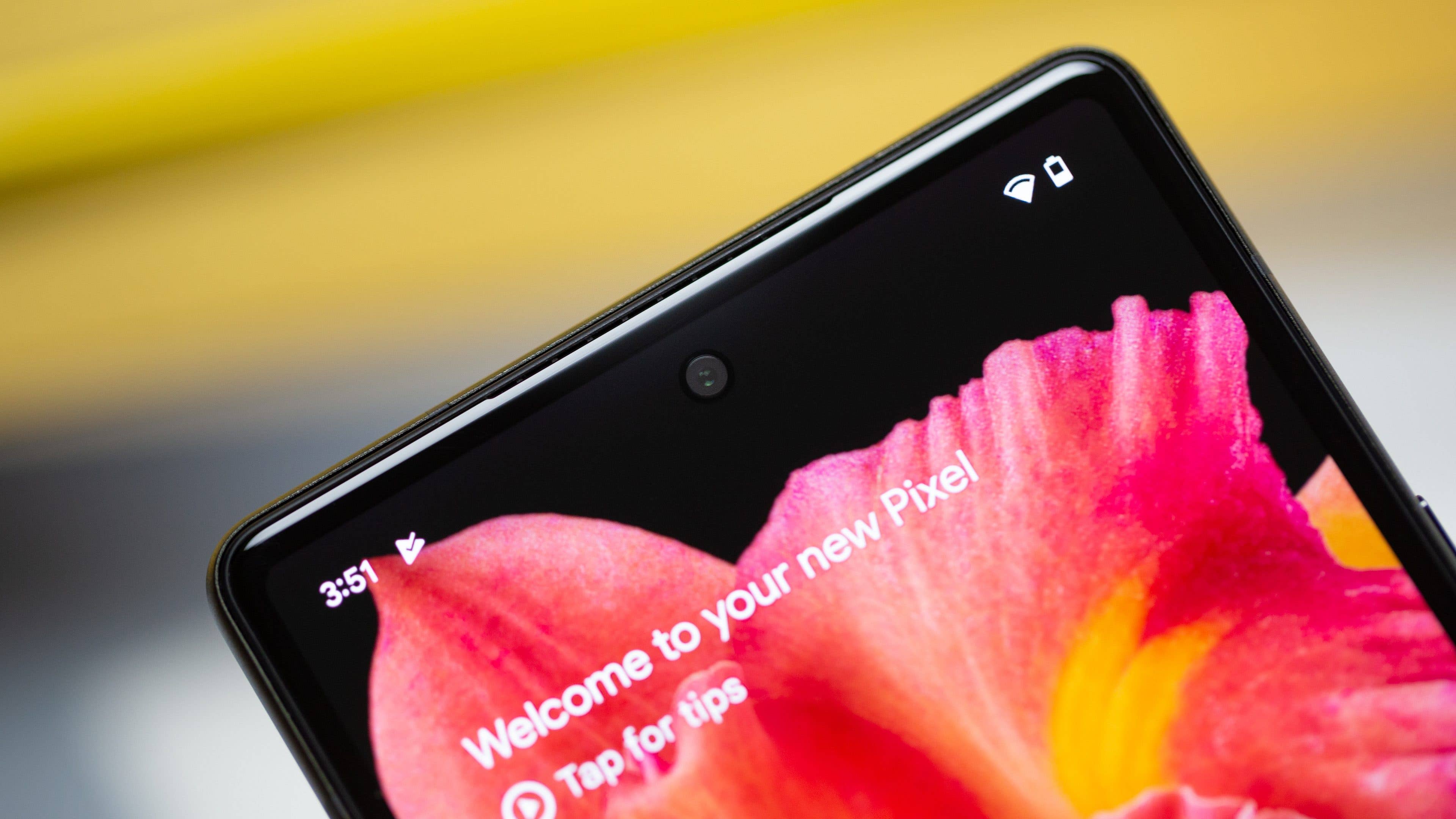
The selfie camera also changes between the models, with an 8-megapixel sensor on the Pixel 6 and Pixel 6a and 11.1 MP on the Pro. Also, the field of view is different—84° and 94°, respectively—and only the Pixel 6 Pro is capable of recording videos with the front camera in 4K resolution; the other two devices make recordings up to 1080p, with 30 fps on both phones.
TL;DR: The camera module is where these three models really differ from each other. While the Pro variant offers a more versatile experience by bringing three lenses to the table, the other models rely on just two cameras and software features like Super Res Zoom to amplify images. Considering that Google’s camera offers support for an advanced AI algorithm, both the Pixel 6 and Pixel 6a offer more than satisfactory zoomed images, with an advantage for the vanilla model.
When it comes to the camera software, both the Pixel 6 and the Pro variant offer the same features, such as Real Tone (for skin tones), Night Sight (for night mode), and Magic Eraser (to erase unwanted elements in the image). The newer model though lacks the Motion Mode features.
Pixel 6a vs. Pixel 6 vs. Pixel 6 Pro: Battery and charging
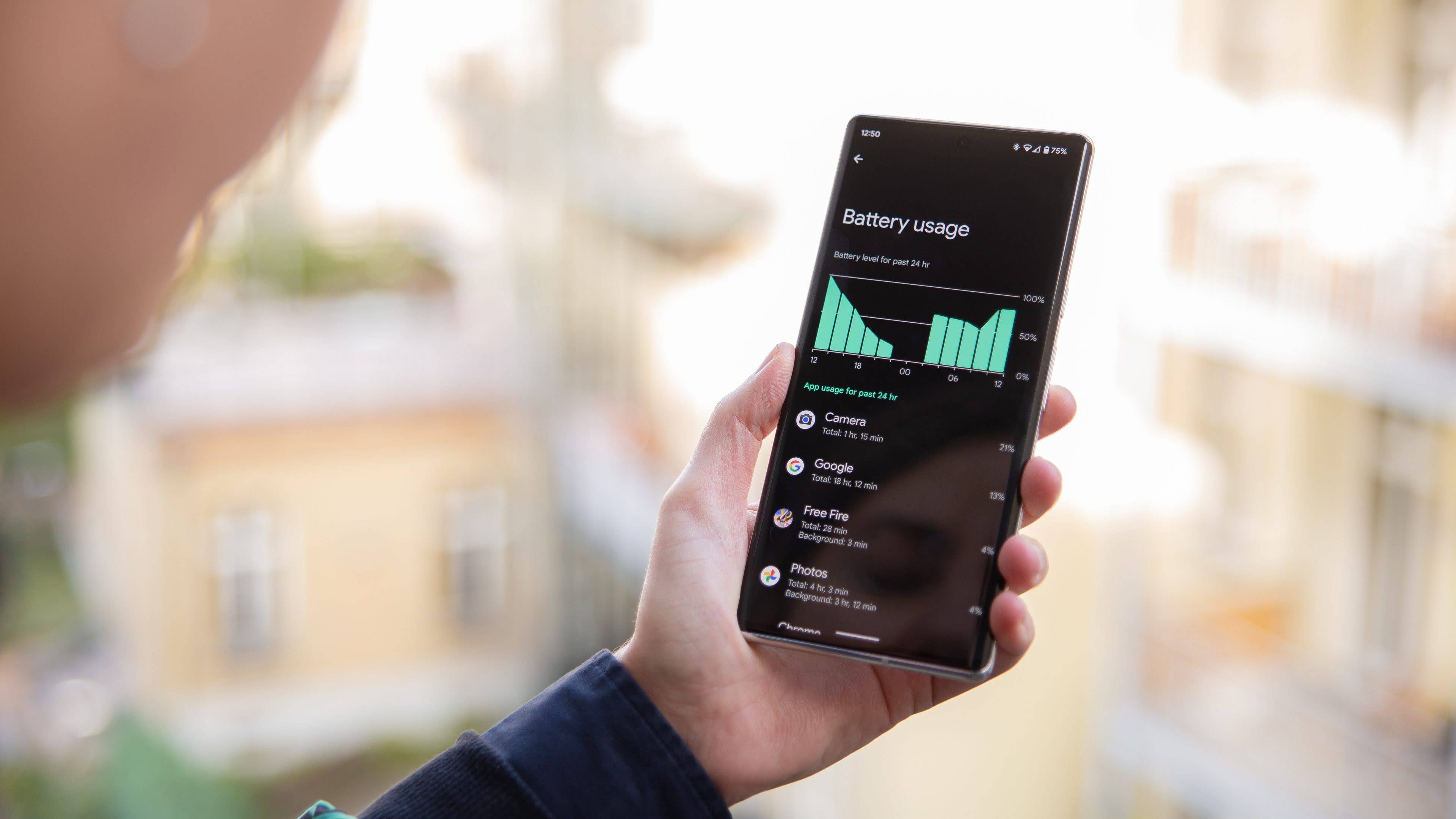
As expected, the Pixel 6 Pro takes advantage of the larger dimensions to use a battery with more charge capacity—5,003 mAh, versus 4,614 mAh of the smaller model. But according to Google, the autonomy between the models should be equivalent, of about 24 hours in normal use, or up to 48 hours with the power saving mode.
In the recharging part is another difference between the models, more specifically in wireless charging. Both are compatible with the Qi standard, but while the Pixel 6’s maximum wireless charging power is 21W, the Pixel 6 Pro is compatible with up to 23W.
When it comes to the Pixel 6a, the battery capacity was listed as 4,410 mAh and the charging power stands at a maximum of 18 Watts. The device doesn’t offer wireless charging support.
Wired, all devices are compatible with USB-C PD 3.0 chargers, at a maximum power of 30 W for the Pixel 6 and 6 Pro, and a maximum power of 18 W for the Pixel 6a. But, it’s worth noting that the plug adapter is not included in the packaging of either of the Pixel 6 models.
TL;DR: In our tests, the battery life of the Pixel 6 models corresponded to the market average. So, you can use each of the devices without fear of running out of battery life at the end of the day. However, the fast charging technology used by Google can still be (very) optimized, especially when compared to the charging times of phones like the OnePlus 10T and Xiaomi 12 Pro.
Conclusion
The Pixel 6 series bring important differences, reminiscent of the distinction between the iPhone 13 and 13 Pro Max. Not only the screen size, but also features like resolution, refresh rate and camera set, have changed between the models.
The Pixel 6 Pro’s more sophisticated set is reflected in the price, even so, photography fans should take into account the telephoto camera, which offers more creative options. The screen is another point to consider, with the difference between flat and curved finishes, in addition to the points mentioned size, resolution and refresh rate.
However, with the release of the Pixel 6a, it has to be said that the gap between the standard variant and the Pro has widened, as the Pixel 6 now competes directly with the more affordable model.
Thus, if you are looking for a smartphone with an excellent and versatile camera, my suggestion is to turn to the Pixel 6 Pro. Now, if you want great performance at a good quality camera, you can stick with the Pixel 6a and still save a few bucks. Plus, you’ll be taking home the Pixel with the best form factor of the entire series. Would you agree?
Which Pixel phone is right for you?
Google Pixel 6: 46%
Google Pixel 6 Pro: 41%
Google Pixel 6a: 14%
Votes: 59
This article was written in collaboration with Rubens Eishima. With the release of the Google Pixel 6a, our comparison has been updated and the comments from before the update have been kept.
We mark partner links with this symbol. If you click on one of these links or buttons–or make a purchase through them–we may receive a small commission from the retailer. This doesn’t affect the price you pay, but it helps us keep nextpit free for everyone. Thanks for your support!
Ich habe 15 Jahre Erfahrung in der Bewertung von Smartphones und Wearables und vereine technisches Know-how mit einer echten Leidenschaft für Innovation. Ich habe bekannte Tech-Websites wie AndroidPIT und Canaltech in Brasilien geleitet und möchte jetzt meine Expertise mit einem Publikum auf der ganzen Welt – unter anderem in den USA, Deutschland, Frankreich, Spanien und Brasilien – durch ehrliche, praxisnahe Tests teilen.
Kürzlich habe ich meinen Fokus auf digitale Gesundheit verlagert, mit einem besonderen Augenmerk auf Geschlechtergerechtigkeit und dem Ziel den geschlechtsspezifischen Datengraben zu überwinden. Ich brenne dafür, durch einfache, klare Texte Frauen in den Bereichen Technik und Gesundheit eine stärkere Stimme zu geben. Ob ich nun die neuesten Gadgets teste oder neue Trends im Bereich der digitalen Gesundheit erkunde – ich bemühe mich stets, komplexe Themen verständlich aufzubereiten.
Persönlich bin ich ein begeisterter Läufer – ich habe 2024 den Berlin-Marathon absolviert – und bereite mich auf eine lange Radtour von Deutschland nach Österreich vor, die im Jahr 2025 in nur vier Tagen schaffen will.



























0 comments