Sorry, but there's really nothing to see here right now. Our server is in maintenance mode – and our
little bot is trying to sort the error messages with its last bit of energy.
Whether it was a data leak, a power outage in the cluster, or just a grumpy bit – we don't know yet.
But what we do know is:
The data drama escalated into a server meltdown. But don't worry: We're on it.
What now?
Everything is surely running smoothly over at our colleagues from inside
digital – why not stop by!
Or you could pass the time by visiting our social media channels – for example Instagram, YouTube or TikTok. At least there are no
server problems there – promised.
Thanks for your patience. Our bot is already rebooting at full speed. 🔧
OpinionsTabletOpinion: Samsung just went from worst to best in Android updates
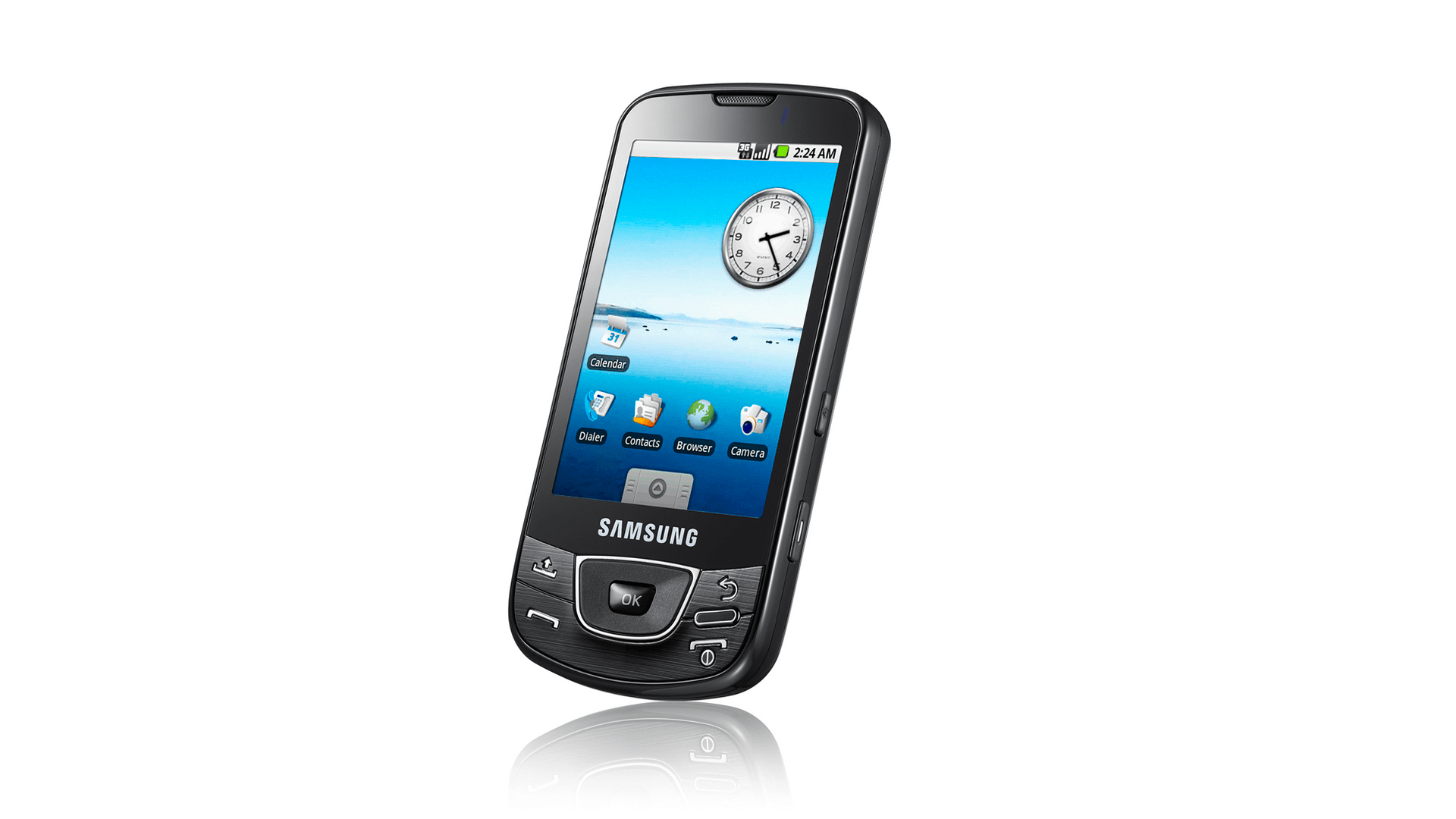
Samsung early days in the Android ecosystem were rocky at best. I still remember an acquaintance who, to this day, won’t buy smartphones from the South Korean brand because of the lack of updates for their Samsung Galaxy. I am referring to the original, the i7500 Galaxy, which was launched way back in 2009. Guess what? 13 years later, Samsung’s update policy is the best among Android-powered smartphones.
Truth be told, before the MiFans point that out in the comments, Android updates aren’t as crucial as they were in the early days when app compatibility quickly deteriorated if your device was left not supported. Security updates are even more important nowadays as we deal with increasingly crucial information on our devices.
Still, for a company with a terrible track record, Samsung really made the effort to improve its image and consolidate its position against its Chinese rivals. This is akin to not having to juggle “motherland” ROMs with global ones, the South Koreans used their less confusing phone lineup—in a time when even once-darling OnePlus is going through an identity crisis with parent company Oppo, issuing several Nord lineups in the US and EU in an effort to differentiate itself.
It all changed in a small slide was squeezed in between the launch of the Galaxy Note 20 series (RIP) and the Galaxy Z Fold 2. During the August 2020 Unpacked event, Samsung promised “three generations of Android OS upgrades” for its flagships and some Galaxy A models. That promise applied not only to future devices but was retroactively applied to phones (and some tablets) which were launched 18 months before, such as the Galaxy S10 line.
Prior to that, Galaxy S owners could expect two Android updates, along with an extra year or two of security updates, an update policy that was average among Android flagships and was bested only by the Google Pixel range.
The 2021-2022 season also saw Samsung fix another issue, and managed to update its devices in a timely manner, having updated all of its flagship devices (since the S10 line) and even the A52 & A72 mid-rangers by the second week of 2022. In the past, it was not unusual to see a new Android version start rolling out only after a new Galaxy S model was released, which usually happens in February, by the time OnePlus owners had the version on their devices for more than a month already.
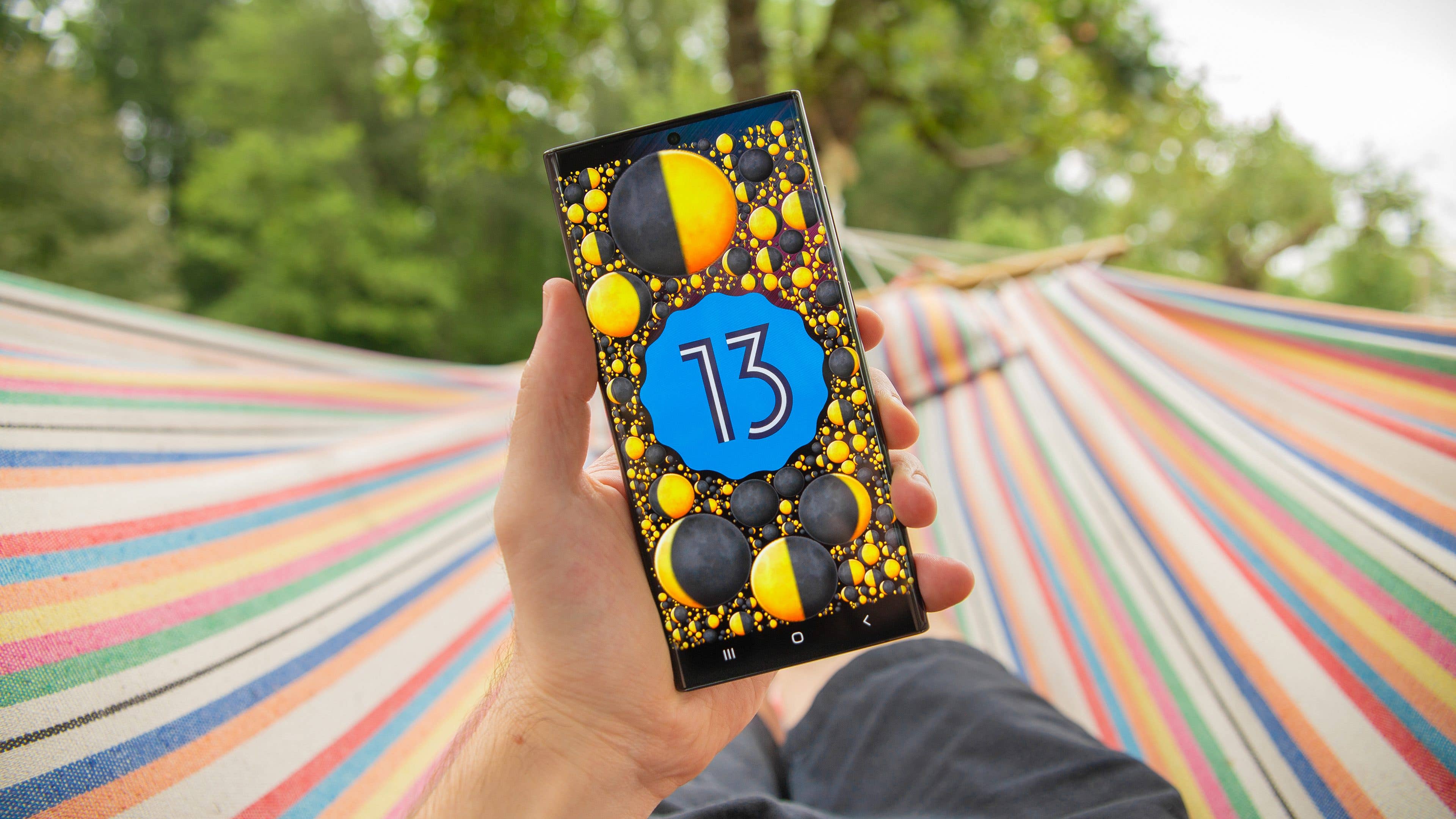
After an earlier Android 13 release in August, and admittedly smaller changes in Google’s operating system, Samsung managed to improve its track record, and set a new benchmark in Android updates for 2022-2023. Before the end of the year, not only all the supported flagships were updated, even low-end devices like the Galaxy A22/M22 (from 2021), A13 (from 2022), and even the best-selling Galaxy A51 mid-ranger from 2020 were not left out of the equation.
Of course, that is still not as good as Google’s or Apple’s track record, which updated the Pixel 4a and iPhone SE (2020) on the same day as the flagship phones, respectively. However, it is still better than every other Android manufacturer, with only OnePlus/Oppo coming remotely close, with the former having already updated its flagships, while the latter is beginning to update some 2022 mid-range phones.
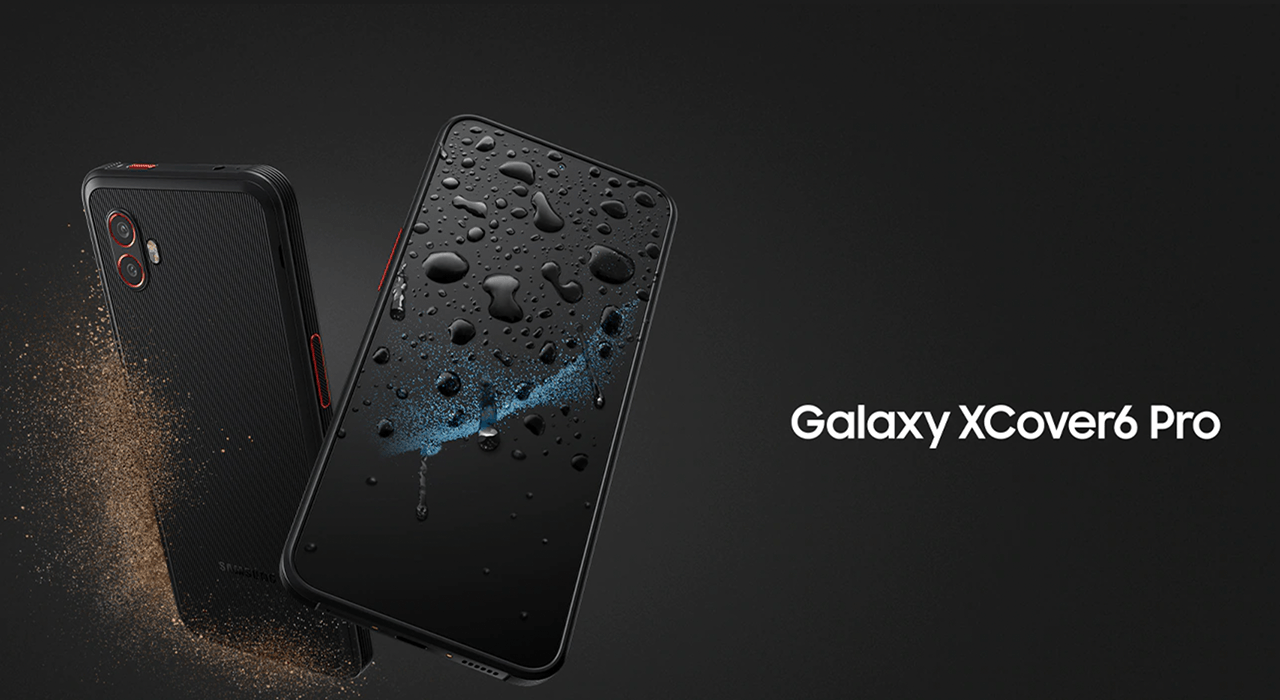
At the time of writing this story, the only 2022 launches from Samsung that are still waiting for Android 13 are the ones running One UI Core (the light version of the regular Samsung skin), and market-specific models such as the Galaxy M13 and M23. In those cases, the M models are scheduled to be updated in January, while the A04s and A04 with One UI Core 4 should be updated by February.
Xiaomi, meanwhile, just recently announced its MIUI 14 with Android 13, with no single device updated so far. Just to make matters worse, The excellent value-for-money proposition and bestseller Redmi Note 9, released in April 2020 four months after the Galaxy A51 (and already running Android 13), is not slated to get Google’s latest operating system…
As usual, not everything is great when it comes to One UI updates. Samsung still uses a three-tier system when it comes to security updates, with the previously mentioned Galaxy A51 scheduled to receive only biannual security updates, while old flagships from the S10 line are only getting quarterly patches. Only some recent flagship models and “Enterprise” models are currently scheduled for monthly updates.
At least Samsung clearly defined what to expect from its most recent models, with a website highlighting its current tiers. Thankfully, initiatives like Android Enterprise have forced other brands to follow suit, with similar pages from Xiaomi, Nokia, and even Sony.
Now the stage is set for improvements all around, let’s hope that Oppo, Vivo, and especially Xiaomi and Motorola follow suit and offer better software support to at least match OnePlus and Samsung in the next launches, something that gets increasingly more important as device prices keep rising and the sustainability word gets thrown around by the marketing teams in most launches.
Unfortunately, my daily driver, a Galaxy S9 (which I have to swear to some colleagues I still use) wasn’t part of the renewed Samsung update policy, but at least the ancient phone still received a few security fixes four years after its release. What about you? Do you also care more about security patches than full Android updates? How does your smartphone brand fare in the update game?
We mark partner links with this symbol. If you click on one of these links or buttons–or make a purchase through them–we may receive a small commission from the retailer. This doesn’t affect the price you pay, but it helps us keep nextpit free for everyone. Thanks for your support!
Seit 2008 schreibe ich für verschiedene Websites in Brasilien, Spanien, Dänemark und Deutschland über Technologie und habe mich auf mobile Ökosysteme spezialisiert. Dabei dreht sich bei mir alles um die interessantesten Modelle, ihre Komponenten und natürlich die ganze Welt der Apps. Dabei lege ich nicht nur Wert auf Leistung und Spezifikationen, sondern auch auf Aspekte wie Reparaturfähigkeit, Haltbarkeit und Herstellersupport.






0 comments