Xiaomi 14T Pro Review: Great Camera and Performance
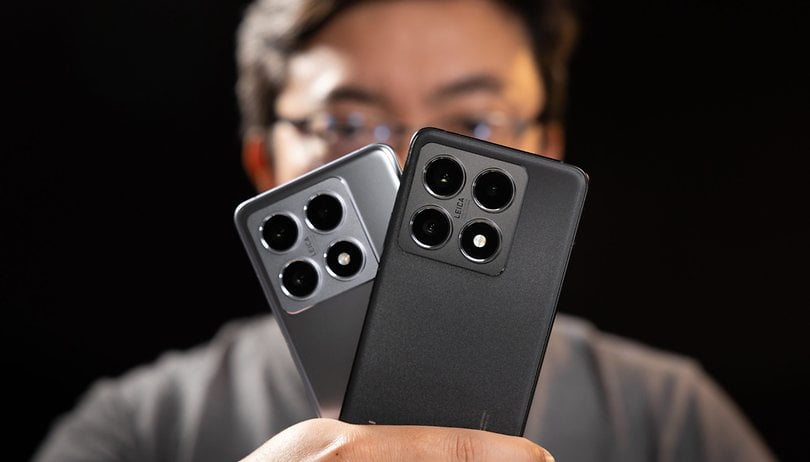

The Xiaomi 14T Pro once again refreshes the company’s flagship phone line with the usual upgrades in software and hardware without breaking the bank. Keep reading to find out how it performs in camera, battery, performance, and more.
Good
- Excellent daily performance
- Versatile camera in both hardware and software
- Fast charging wired or wireless
Bad
- Average gaming performance
- No charger in the box
- Bloatware and ads
Xiaomi 14T Pro in a nutshell
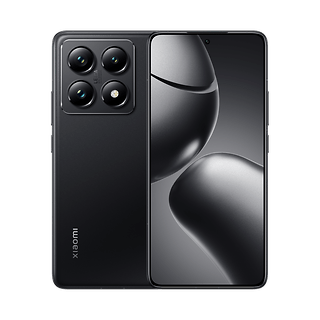
The Xiaomi 14T Pro is a flagship phone from the Chinese brand that follows the second semester’s refresh cycle. As usual, it tries to offer a flagship experience at a lower price point, and like with its predecessor, the phone starts at €799.00 in Europe, with no plans for a release in the US.
For that money, Xiaomi offers a balanced set of specifications, including a big and bright OLED display that refreshes at up to 144 Hz, 12 GB of LPDDR5x RAM, three storage options ranging from 256 GB to 1 TB, a triple camera setup with the help of Xiaomi’s partner Leica, and a Dimensity 9300+ chip from MediaTek. Charging can reach 120 W, but unlike past Xiaomi models, the required adapter is not included in the box.
Solid, big-screened phone
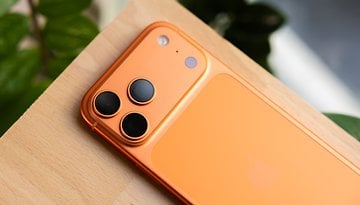
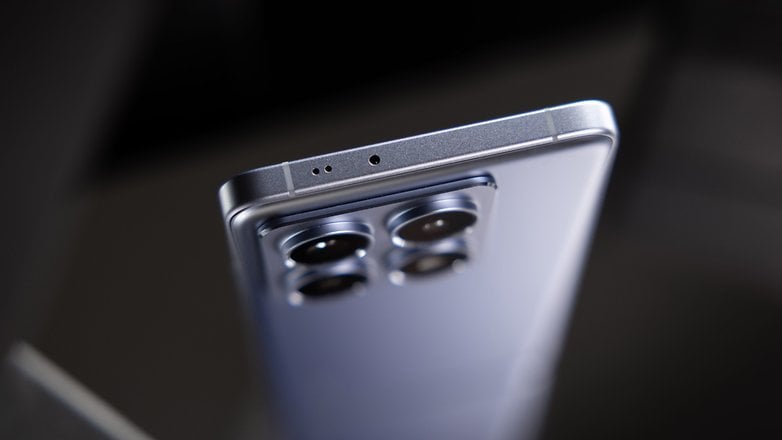
With the never-ending appetite for big screens, the Xiaomi 14T Pro is another phone from the brand to use a 6.67-inch OLED panel. The display dictates the overall build of the phone, with thin bezels around it, and ample space in the back for the triple camera module.
Pros:
- Good build quality.
- Bright and smooth display.
- Premium feel.
- IR blaster.
- IP68 rating.
Cons:
- No headphone jack or microSD support.
Measuring 160.4 x 75.1 x 8.39 mm with a weight of 209 grams, the Xiaomi 14T Pro feels solid in the hand, with a nice grip. The phone is available in gray, blue, and black versions (all prefixed “Titan” in marketing materials), with a textured glass back that stays mostly free of fingerprints.
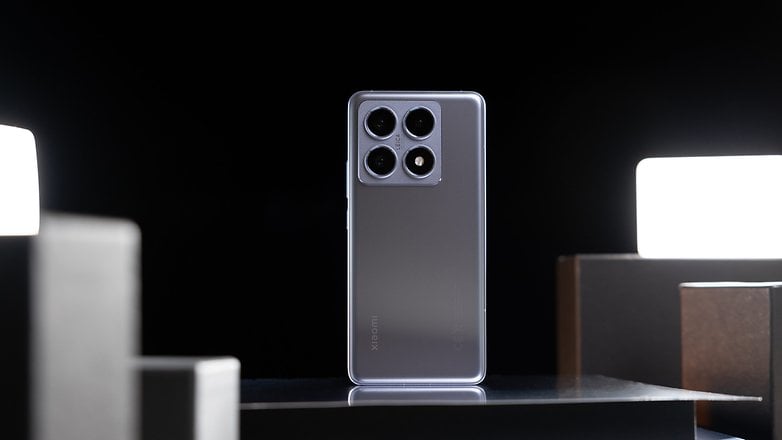
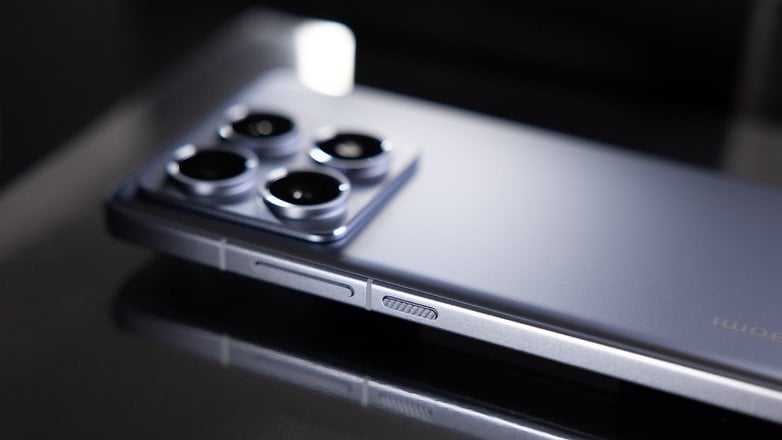
The flat sides returned from the previous generation, as well as the placement of all buttons on the right side, in easy-to-reach positions—with a textured power button to avoid mistakes.
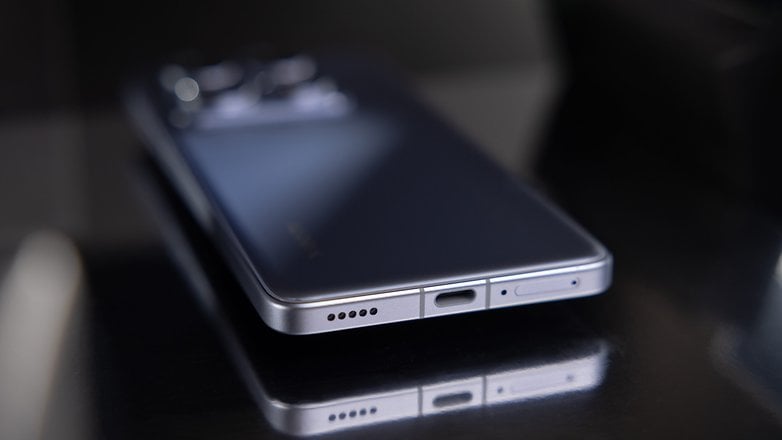
The top features a microphone and the traditional IR blaster, with the other microphone on the bottom surface, next to the USB-C port, and the dual SIM card tray—there is also support for eSIM. The left side is empty. And finally, there is a protective case in the box, which is always welcome.
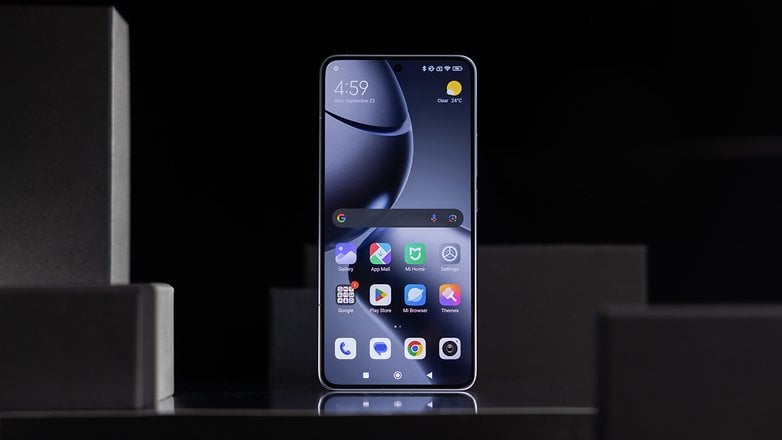
The OLED display dominates the front with small bezels around it. Our test units (one blue and one black) came with a screen protector pre-applied, but it was slightly off-center in one of the devices.
Xiaomi quotes a 4000 nits peak brightness, something that we couldn’t confirm, but the screen was usable under daylight without issues. Color reproduction and viewing angles were excellent (OLED panels are pretty much a commodity these days).
The flat display on the Xiaomi 14T Pro offers similar specs to the phone’s predecessor: 2712x1220 resolution, a smooth 144 Hz refresh rate, but no LTPO tech for extra power savings, only an option for a fixed 60 Hz mode.
HyperOS with its ups and downs
Powered by HyperOS 1.0.5.0 over Android 14, the 14T Pro phone brings the usual pros and cons of Xiaomi’s interface, with lots of third-party apps and ads, but tons of customization options.
Pros:
- Fluid and customizable.
- Shorter setup than before (feat. Google).
Cons:
- Bloatware and ads.
- Shorter update policy than rivals.
One positive point in the Xiaomi 14T Pro usage came right in the initial setup. Apparently, Google reorganized the process to delay non-crucial steps depending on the user’s selections. The first screen still holds the accessibility options, but we found the process more streamlined from there.
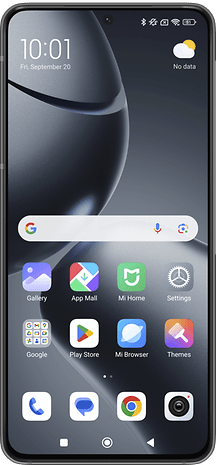
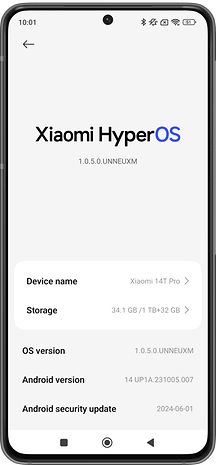
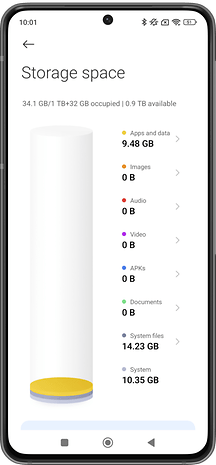
The EU-mandated default browser and search selection, for example, were moved to the post-setup steps, together with Assistant settings. The change can be attributed to Google (the Pixel 9 family showed similar improvements) and we expect to see it reaching the entire Android ecosystem.
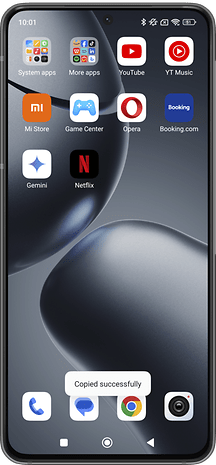
After updating the apps on a fresh install with default settings, we counted 12 third-party apps and 34.8 GB of used storage, something that not even flagship Xiaomi phones are immune to.
Another typical weak point is the number of notifications and ads all over the interface, for which my colleague Antoine wrote a comprehensive guide to clean up and make the phone yours. Ads even reached the “More apps” folder on the home screen, with suggestions of additional apps to install.
Xiaomi advertised a lot of AI features, true to any 2024 phone, but most of them were unavailable during the review. The company promised that most of them were going to be offered with an update on launch day (AKA as you are reading this).
One exception we could test was AI subtitles, which worked fine with the media we tested. Gemini AI features are also onboard, with the standard Gemini app already pre-installed, and Circle to Search promised with an update in October.
Finally, Xiaomi promises five years of security updates and four years of system upgrades to the 14T Pro. The policy is good enough for most people but still lags behind alternatives from Google and Samsung in the same price range.
Good showing from the Dimensity 9300+ CPU
The Xiaomi 14T Pro sidesteps the company’s long relationship with Qualcomm to use the rival MediaTek Dimensity 9300+ SoC. On top of that, there is plenty of RAM and storage to offer snappy performance. Gaming, however, is not the phone’s strong point.
Pros:
- Great CPU performance.
- Good thermal management.
- Modern GPU with Ray Tracing support.
Cons:
- Disappointing GPU performance.
In our tests, using the interface, apps, browsing the web, and taking pictures, the Dimensity chip performed on par with any other flagship processor in the Android ecosystem.
Despite using the same cores found on the rival Snapdragon 8 Gen 3, the Dimensity 9300 simply skipped efficiency cores and went with four Cortex-X4 performance cores and four Cortex-A720 balanced cores, instead of the 1+5 setup on the Qualcomm chip, which adds 2 efficiency cores (A520).
| Xiaomi 14T Pro (Dimensity 9300) |
Xiaomi 14 Ultra (Snapdragon 8 Gen 3) |
Google Pixel 9 Pro (Tensor G4) |
Galaxy S24 Ultra (Snapdragon 8 Gen 3 |
Poco F6 Pro (Snapdragon 8 Gen 2) |
|
|---|---|---|---|---|---|
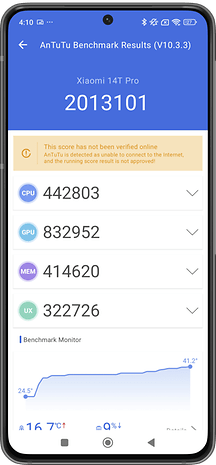
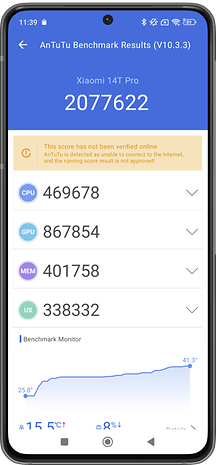
| AnTuTu | 2,013,101 (Perf. mode: 2,077,622) |
1,939,484 | 948,187 | 1,851,716 | 1,563,987 |
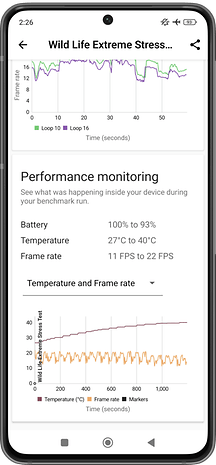
| 3DMark Wild Life Extreme Stress Test | Best loop: 2983 (2958) Worst loop: 2633 (2641) Stability: 88.3% (88.4%) |
Best loop: 4708 Worst loop: 3606 Stability: 76.6% |
Best loop: 2559 Worst loop: 2046 Stability: 80% |
Best loop: 5160 Worst loop: 3013 Stability: 58.4% |
Best loop: 3035 Worst loop: 1639 Stability: 54% |
| 3DMark Steel Nomad Light Stress Test | Best loop: 1132 (1142) Worst loop: 1086 (1089) Stability: 95.4% |
Best loop: 1685 Worst loop: 1335 Stability: 79.2% |
Best loop: 1043 Worst loop: 873 Stability: 83.7% |
||
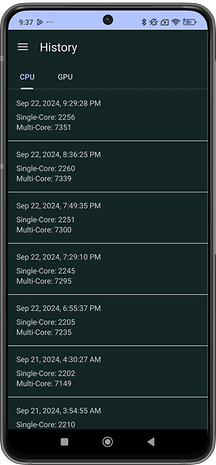
| Geekbench 6 | Single: 2188 (2243) Multi: 7158 (7304) |
Single: 1828 Multi: 6317 |
Single: 1934 Multi: 4466 |
Single: 2252 Multi: 7107 |
Single: 1442 Multi: 5318 |
While we doubt most people will ever notice a difference between the two chips, the Dimensity 9300+ topped our main CPU Geekbench by a decent margin, while only losing in the AnTuTu test to an overclocked version of the Snapdragon 8 Gen 3 on the niche RedMagic 9S Pro Casi tested a few months ago.
The same cannot be said about gaming performance, however, despite the Xiaomi 14T Pro using ARM’s flagship GPU core, the Immortalis-G720. The GPU—with 12 cores on the Dimensity chip—is compatible with all the latest features, including ray tracing (RT) support.
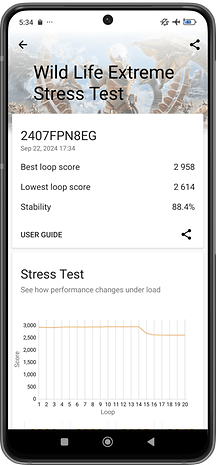
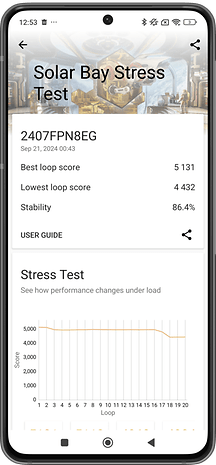
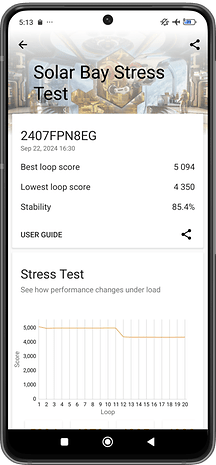
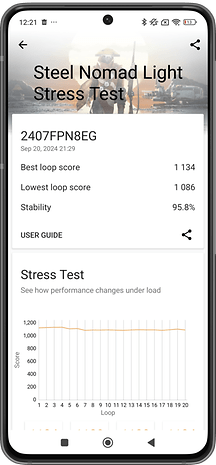
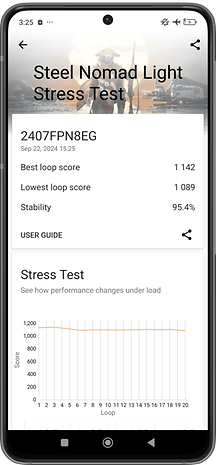
In practice, however, the Xiaomi 14T Pro didn’t run games much better than the Pixel 9 Pro with a more modest 7 cores of the older generation ARM Mali-G715 GPU. Performance was perfectly fine in titles such as Call of Duty Mobile or Genshin Impact, but the 3DMark scores shows the chip’s limitation next to the Snapdragon’s Adreno GPU.
By default, the Xiaomi 14T Pro comes set at a “Balanced” performance profile, but the improvements using the “Performance” mode—set at the Battery settings—were within the margin of error. The Performance mode can be identified by a blue battery icon with a double arrow in the status bar.
Regardless of performance mode, the Xiaomi 14T Pro managed the temperature well, with no excessive heat generation—which was a problem iwe found in older phones from the brand. We were initially worried that the inclusion of only performance cores would affect thermals and stability, but Xiaomi and MediaTek (and TSMC) did a good job here.
Xiaomi 14T Pro camera
With a true triple camera setup, the Xiaomi 14T Pro offers the usual set of cameras for a flagship phone: A main sensor with 50 megapixels, an ultra-wide lens with 12 MP, and a 2.6x telephoto with 50 megapixels. On top of that, Xiaomi adds its suite of AI features plus image processing and styles from its Leica partners.
Pros:
- Versatile camera.
- Usable 10x zoom shots.
- Many image modes and filters.
- Excellent night shots.
Cons:
- Inconsistent colors between lenses.
Despite not using the big 1-inch sensors from its Ultra series, Xiaomi did a good job on the 14T Pro’s cameras, with a good dose of help from Leica’s color processing (or “science”, if you spend time on photography websites).
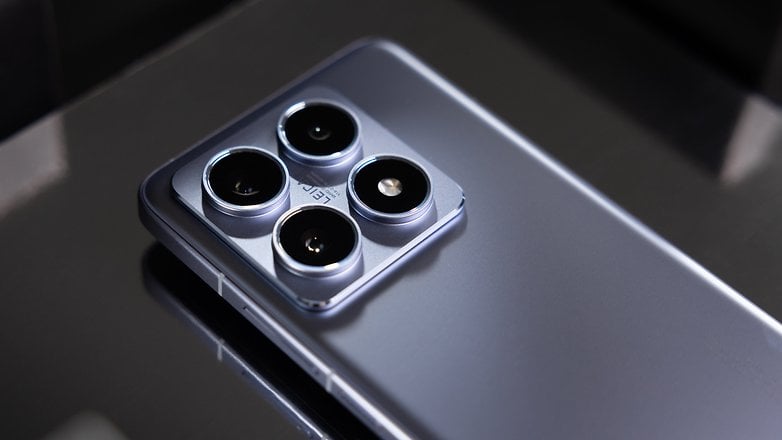
The main camera is powered by a proprietary 1/1.3’’-size “Light Fusion 900” sensor, which is identified as OV50H40 in hardware (suggesting an OmniVision sensor). It performed very well in our tests, with a nice level of detail and sharpness, and realistic color reproduction.
The camera app offers two photographic styles for the back cameras: Leica Authentic and Vibrant. With the first one resulting in more “moodier” images, and the second one with a little bit more punch (but not on the same saturated levels found in Pixel or Galaxy shots). Unless noted, all shots were taken with the “Leica Vibrant” setting.




















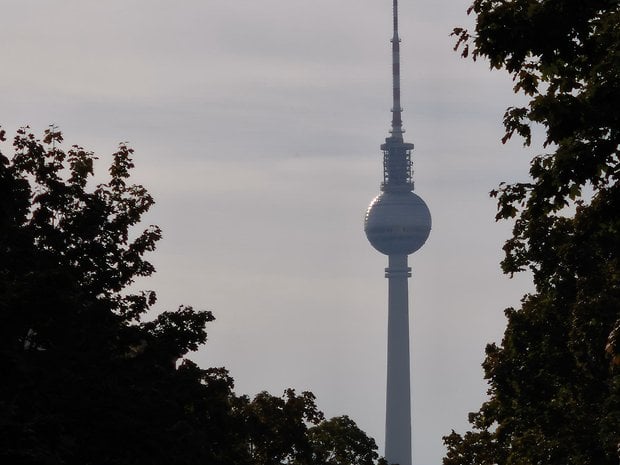








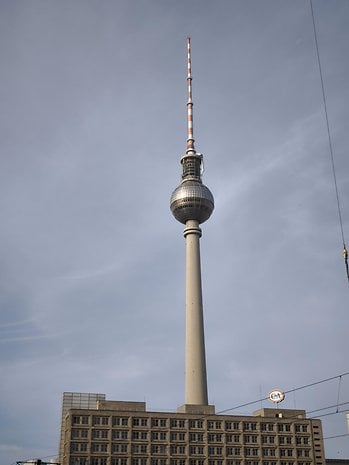
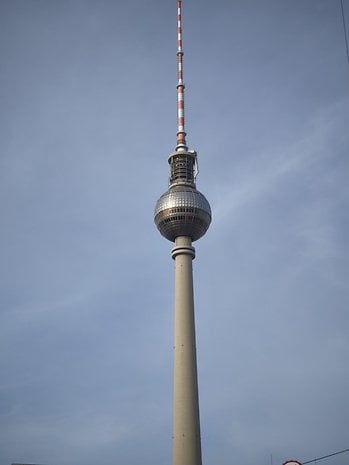
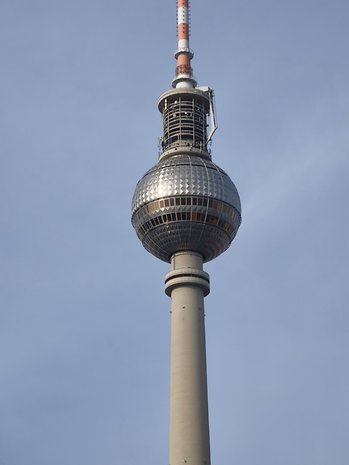
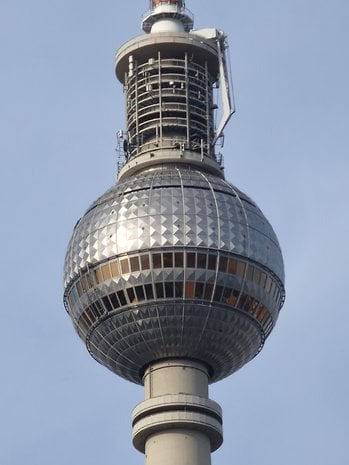


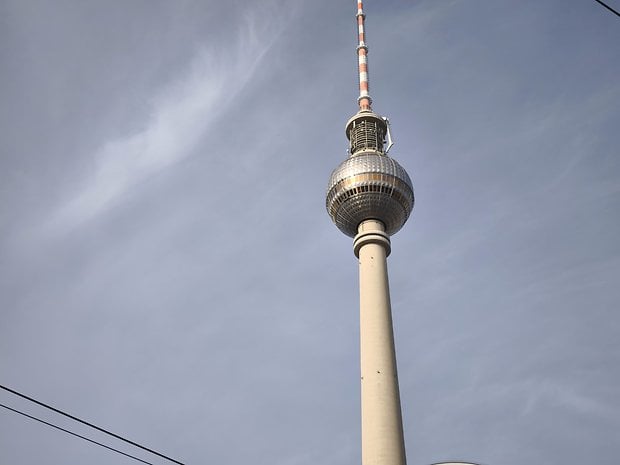
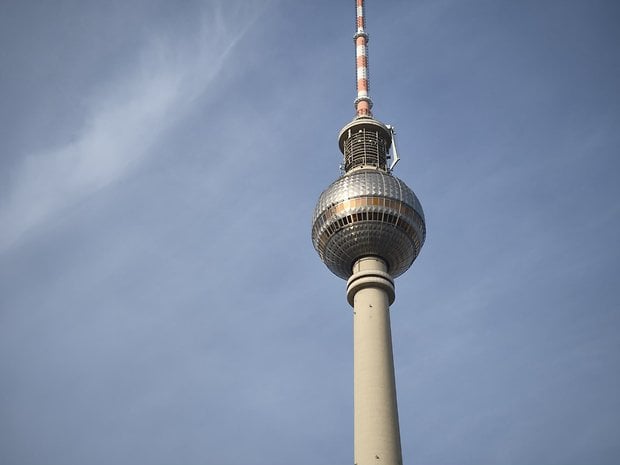
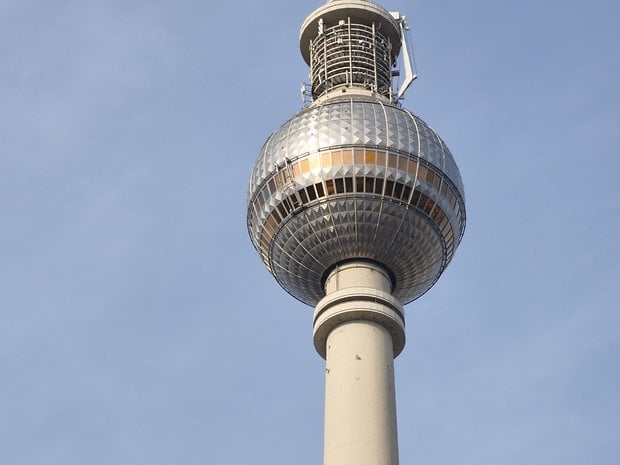
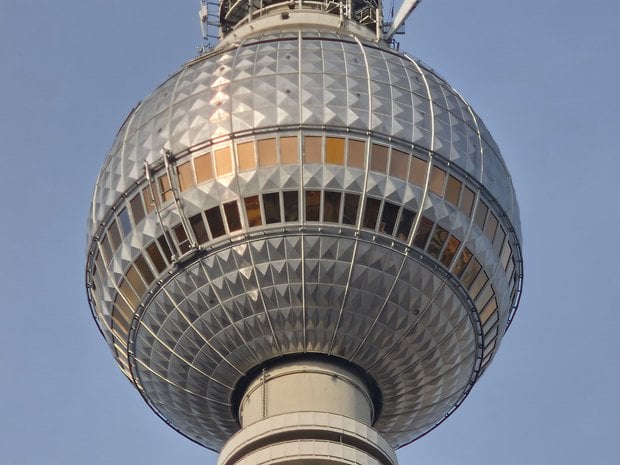
















Ultra-wide shots usually had totally different color processing, resulting in more saturated and brighter images (maybe overcompensating the much smaller OV13B10 sensor also from OmniVision). I must say, however, that in many cases, the “overprocessed” ultra-wide shots would win over the main camera pictures in blind tests.
The 2.6x telephoto lens, on the other hand, tended to be more consistent with the main camera. And while it usually performed very close to the 2x digital zoom from the main camera, it allowed to go even further, with usable results at 5x or 10x zooms in daylight.
























Night photography also had some good results from the main and telephoto cameras. Zooming in usually introduces digital artifacts, and the ultra-wide camera usually can’t capture enough light. But between the two 50 MP cameras, results were mostly sharp with a good level of detail and keeping light sources under control.
We also took portrait shots during the night, using both styles available on the Portrait mode: Leica Portrait and Master Portrait. Side note: Portrait photography is apparently on the rise in China, with both Xiaomi and Honor advertising the mode heavily in their materials, but back to the review.






Without any kind of portrait photography experience (or studio lighting), we didn’t have the ideal conditions for judging the images, but in general we liked to play with the options. Master Portrait returned more realistic results, while Leica Portrait better highlighted the subject from the background. And both styles presented excellent subject separation.




Selfie shots were also good—not as much as with the back cameras, though—but don’t offer the same Leica or portrait styles. Skin tone and texture were realistic, and the default options are free from the excessive processing from “Beauty effects”.
Xiaomi 14T Pro battery
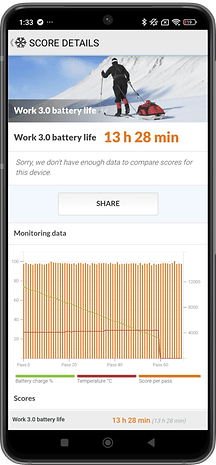
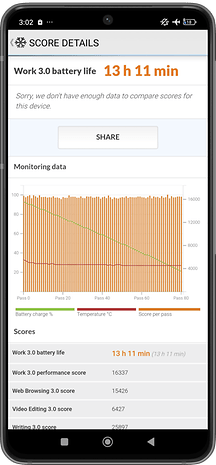
With a 5000 mAh battery capacity, the Xiaomi 14T Pro offers enough battery life for an entire day of usage, probably two for more frugal users. Xiaomi’s highlight is once again when it comes to charging, with 120 W wired and 50 W wireless, but no charger included in the box.
Pros:
- Fast charging with or without wires.
Cons:
- Charger not included.
Xiaomi finally caved in to the market and stopped bundling a charger with the Xiaomi 14T Pro. A real shame, since the phone is capable of very fast charging times with a compatible HyperCharger 120 adapter. Just remember to activate the required “Top speed” charging mode if you are in a hurry.
| Charging | Xiaomi 14T Pro (5000 mAh | 120W ) ["Fast" option] |
Google Pixel 9 Pro (4700 mAh | 300 W USB-PD) |
Pixel 9 Pro XL (5060 mAh | 140 W USB-PD) |
Galaxy S24+ (4900 mAh | 45 W USB-PD) |
|---|---|---|---|---|
| 5 minutes |
|
|
|
|
| 10 minutes |
|
|
|
|
| 20 minutes |
|
|
|
|
| 30 minutes |
|
|
|
|
| 1 hour |
|
|
|
|
| Full charge |
|
|
|
|
| PC Mark Battery test |
|
|
|
|
With the default option, we got a charging time of 32 minutes. Turning on Top speed mode dropped that time to 25 minutes, with a 50% charge in just 10 minutes.
Not only that, the phone can also be recharged wirelessly with a proprietary 50 W stand or at a lower input power with any standard Qi charger. There is no reverse wireless charging on the Xiaomi 14T Pro, however (at least with the tested firmware).
Xiaomi 14T Pro technical specifications
| Xiaomi 14T Pro | |
|---|---|
| Display |
|
| SoC |
|
| Memory |
|
| OS |
|
| Camera |
|
| Selfie Camera |
|
| Battery |
|
| Connectivity |
|
| IP Certification |
|
| Dimensions and weight |
|
| Other points that may interest the nextpit community:
|
|
Final verdict
The Xiaomi 14T Pro offers a sensible balance of features and hardware for the price. The performance and user experience leave nothing to be desired when compared to its competitors in the same price range, except maybe for those who prioritize AAA gaming on their phones.
The company’s investment in photography over the past years already showed excellent results in 2023 and the new phone is another good step forward in the field, with a nice package both in hardware and software. It gives competitive shots without having to use expensive huge sensors or lenses.
Charging is once again a highlight in the phone, but the omission of the charger in the box is a sad development, as the 120 W adapter is required to take advantage of the feature. Another issue is the the amount of bloatware and ads in the system, but at this point, we imagine that Xiaomi customers unfortunately take that for granted.
In the end, while we can’t recommend the Xiaomi 14T Pro as an upgrade for someone with a recent flagship, it is a good option to consider if you have an older high-end phone or are looking to step up from any mid-range phone.