Sorry, but there's really nothing to see here right now. Our server is in maintenance mode – and our
little bot is trying to sort the error messages with its last bit of energy.
Whether it was a data leak, a power outage in the cluster, or just a grumpy bit – we don't know yet.
But what we do know is:
The data drama escalated into a server meltdown. But don't worry: We're on it.
What now?
Everything is surely running smoothly over at our colleagues from inside
digital – why not stop by!
Or you could pass the time by visiting our social media channels – for example Instagram, YouTube or TikTok. At least there are no
server problems there – promised.
Thanks for your patience. Our bot is already rebooting at full speed. 🔧
ReviewsXiaomi 12X review: This smartphone should not exist
The Xiaomi 12X was unveiled by its manufacturer as a compact and affordable flagship. And while the Xiaomi 12 and Xiaomi 12X are very similar, you’ll see in this comprehensive review that the compromises made in the Xiaomi 12X were not trivial.
The Xiaomi 12X has been released globally since March 28, 2022 and comes in a single memory configuration of 8/256 GB with an asking price of $749.90. It is currently not available in the US officially. On paper, it is identical in every way to the Xiaomi 12, the “actual” flagship from the Chinese manufacturer apart from the fact that it is more compact and easier to hold.
At least that’s what Xiaomi would like you to believe. In reality, the Xiaomi 12X skips several key elements of the Xiaomi 12 and Xiaomi 12 Pro. An older SoC, a more outdated version of Android, a limited update policy, and slower charging speeds. These compromises certainly justify its more competitive price, especially in a context where Xiaomi has significantly increased its prices. But these are also its weaknesses that raise the question of the model’s relevance in Xiaomi’s catalog.
Basically, isn’t the Xiaomi 12X simply muddying up the line-up this year? It is for me and for some of us.
Design: Very nice compact form factor
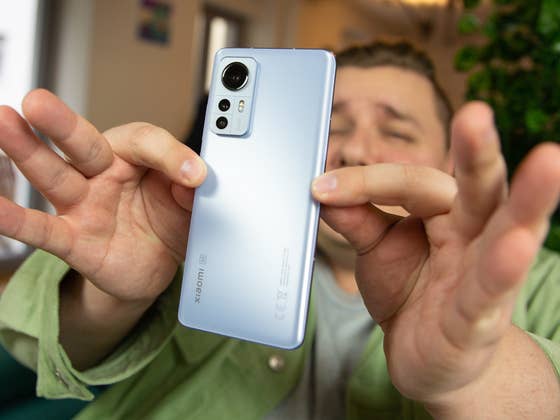
The Xiaomi 12X is a more compact version of the Xiaomi 12, make no mistake about it. In fact, it is its main selling point. Hence, it sports a similar design that is as appealing as the base model.
The base model is already quite compact, as my colleague Ben noted in his Xiaomi 12 review. The Xiaomi 12X measures 152.7 x 69.9 x 8.2 mm and tips the scales at 176 g. This form factor is really nice to hold, although the ergonomics suffer a bit when you have big fingers like mine.
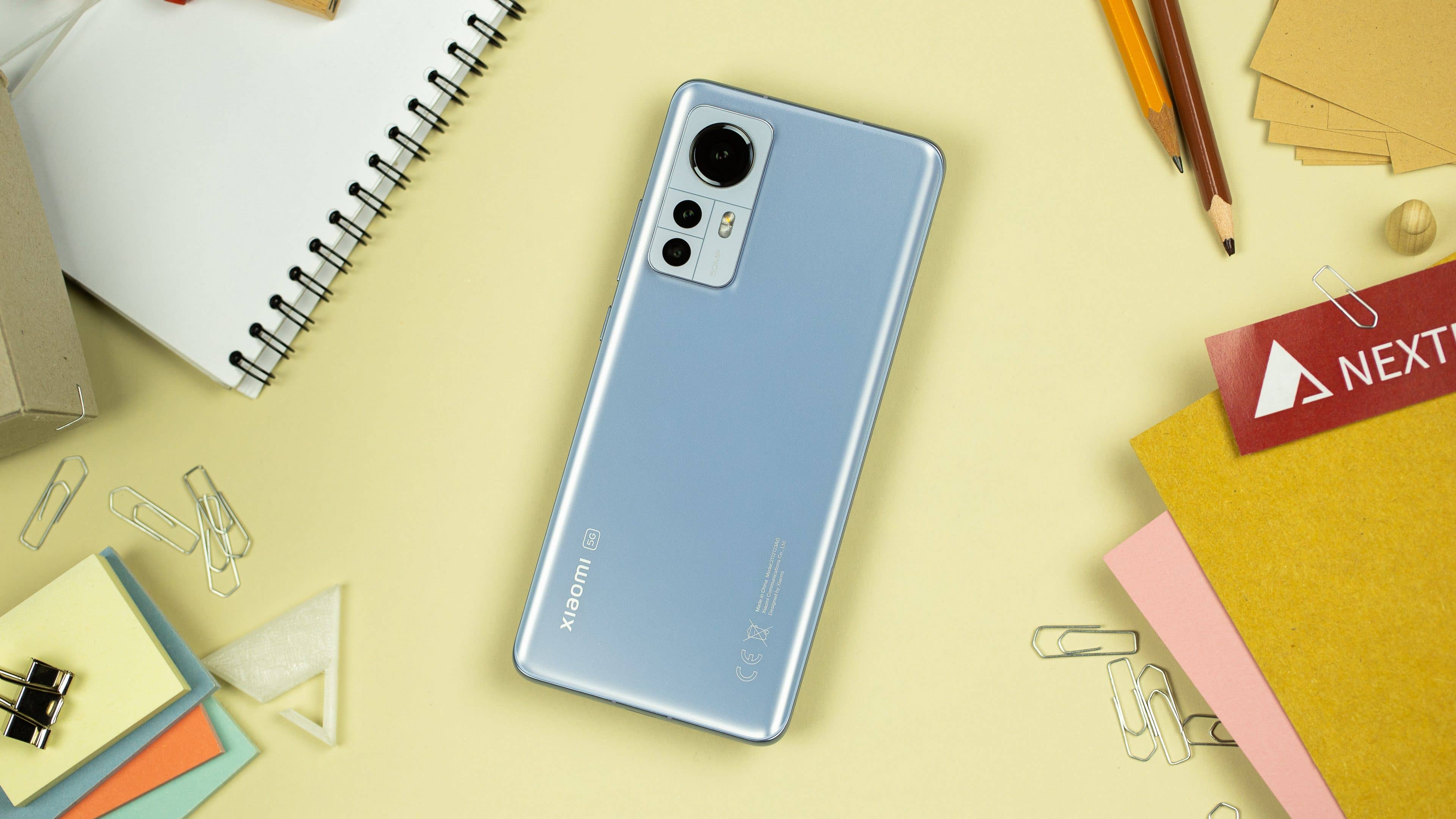
The matte glass back coating is very smooth and extremely soft to the touch. I also really like the reflections from the light blue shade that I find to be soothing. The camera module behind sits vertically in a rectangular island and stands out way too much for my personal preference. The main lens occupies half of this island which gives the impression of having a huge sensor.
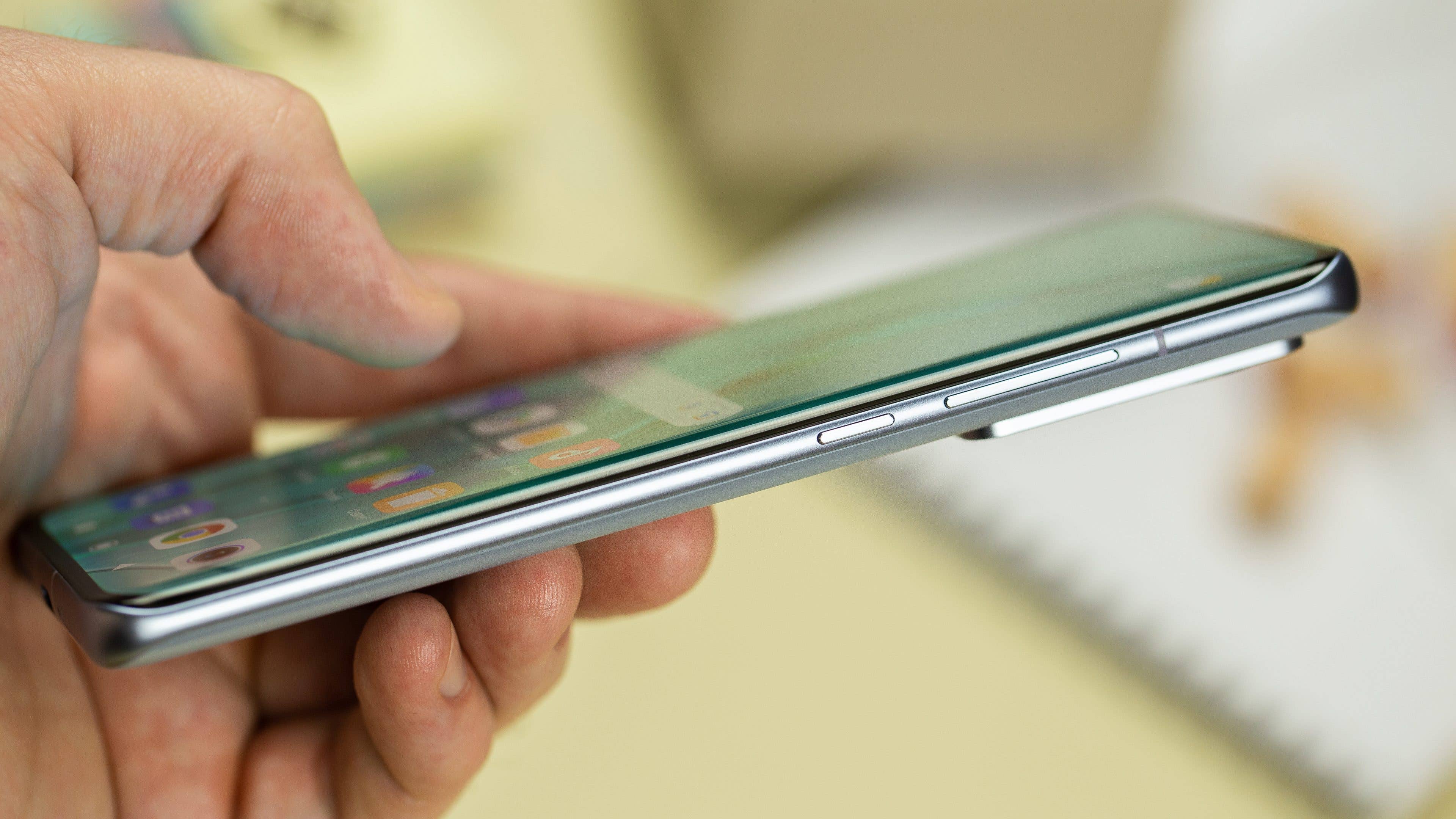
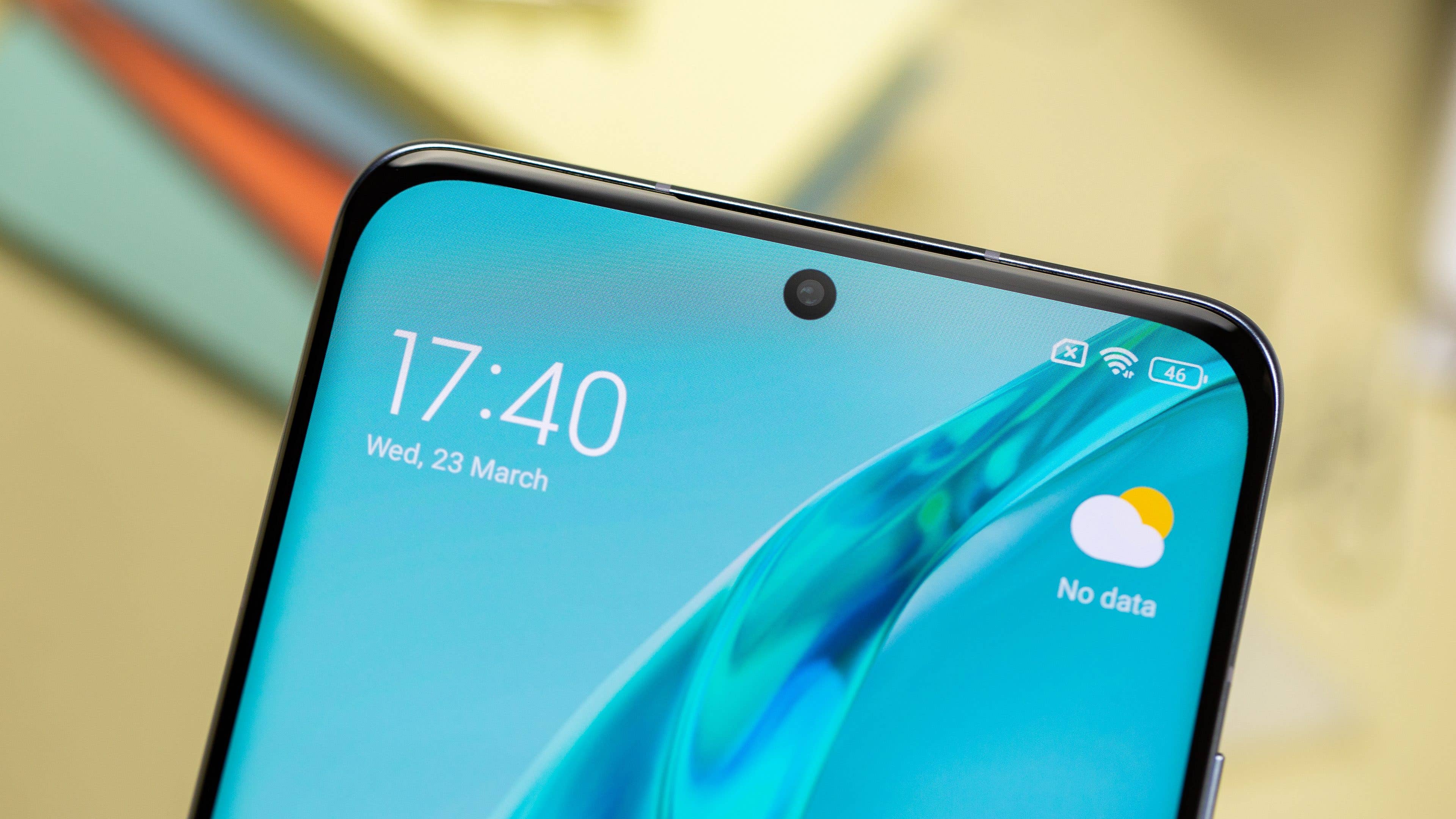
In front, the screen has curved edges and a center punch hole camera at the top. Just like the back, the screen is protected by Gorilla Glass Victus. There are also two Harman Kardon stereo speakers but it misses out on a 3.5mm jack. The Xiaomi 12X also lacks an IP rating that offers water and dust resistance.
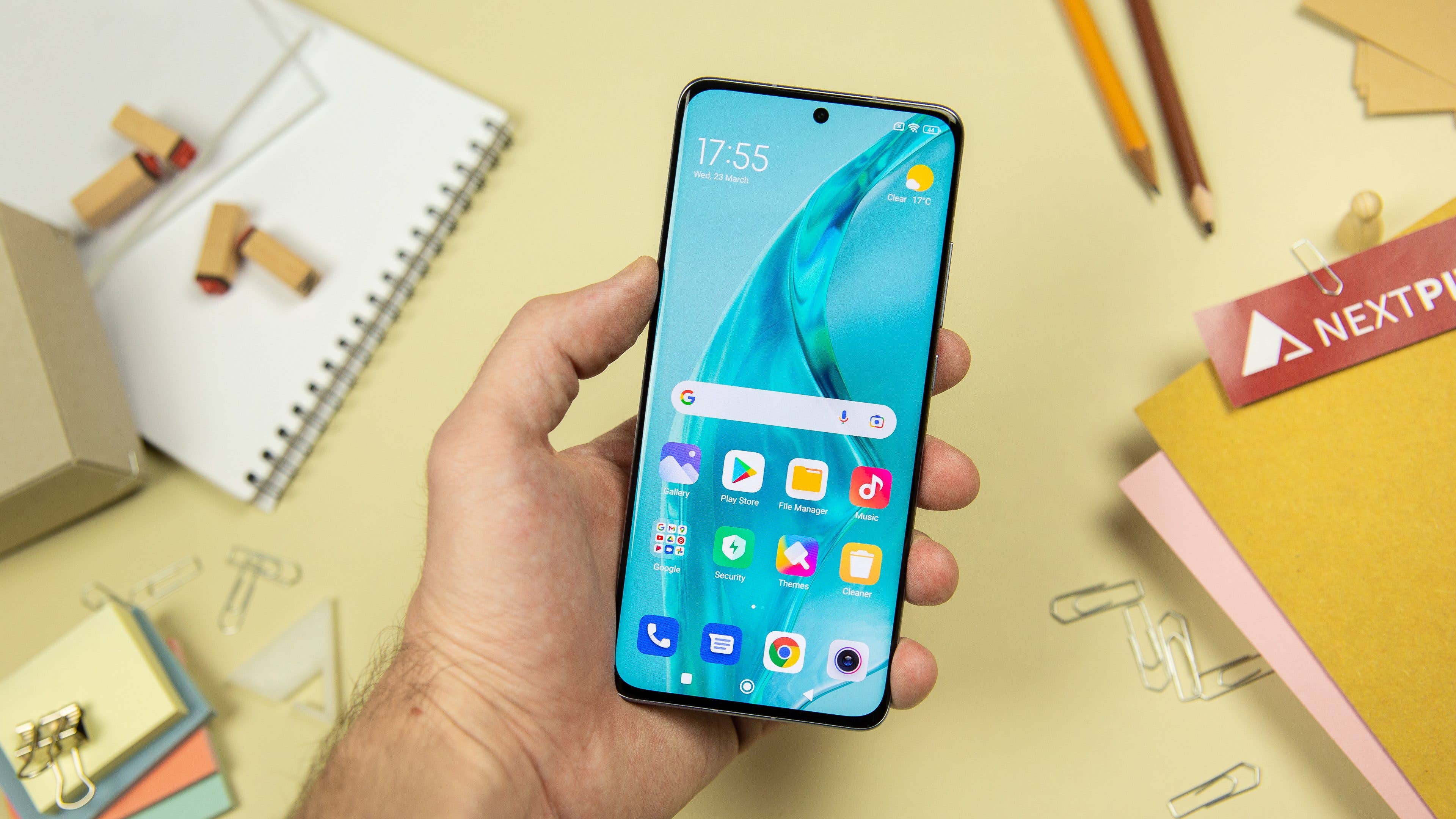
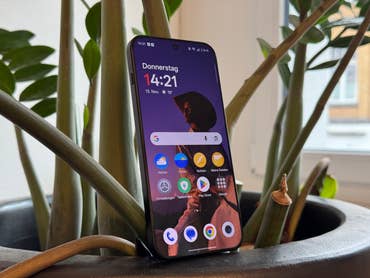
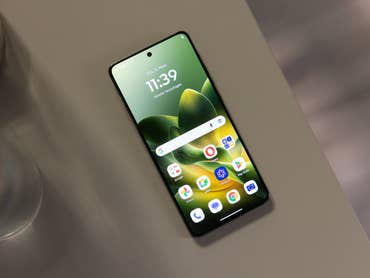
The Xiaomi 12X packs a 6.28-inch AMOLED display with a Full HD+ resolution of 1080 x 2400 pixels and an adaptive refresh rate of 120 Hz. The maximum brightness was rated 1100 nits (peak level). This is the only element where the Xiaomi 12X did not make any compromises over the base model.
The screen quality is always top notch on Xiaomi’s flagships. It offers the same HDR10+ and Dolby Vision certified screen as on the base Xiaomi 12 model and thus, is one of the first handsets to natively support 12-bit colors.
The 120Hz adaptive refresh rate is also in the mix but the sampling rate is unfortunately limited to 480Hz. The display supports the full DCI-P3 color spectrum and I found the P3 color matching mode in the advanced options to be very effective.
The 1,100 nits maximum brightness is only a part of the screen. The brightness in typical and in HBM (with the high lumonisity mode) are generally lower, around 500 and 930, respectively, according to what I have seen in other reviews.
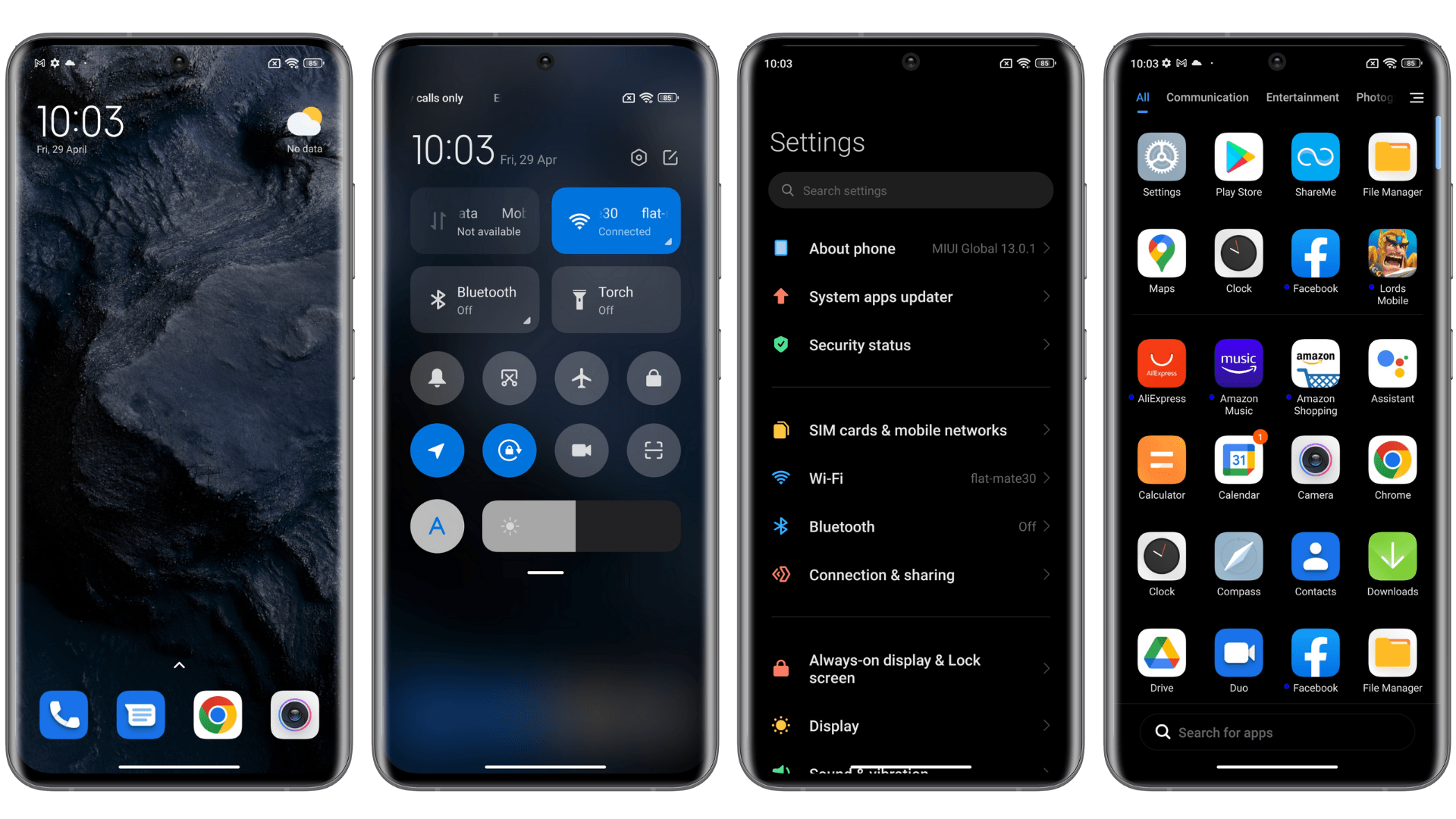
I will not dwell on the interface itself since MIUI 13 will be the subject of a full dedicated review very soon. Just note that the changes compared to MIUI 12 are incremental in nature. You can check out my selection of the best MIUI 13 features as well as my tutorial on how to remove ads from MIUI since they are present even on Xiaomi’s high-end smartphones.
Other than that, there is also the issue of having way too much bloatware present. This can be an irritating problem to those who have been using clean versions of Android all this while before making the switch to Xiaomi’s handsets. I think it is also a shame that Xiaomi doesn’t offer the same update policy as on the Xiaomi 11T/11T Pro and Xiaomi 12/12 Pro. Forget about 3 major versions of Android and 4 years of security updates here.
On the other hand, MIUI 13 is based on Android 11 and not Android 12, so we don’t have the reworked Material You widgets, Privacy Panel, clipboard protection, hidden precise geolocation, and the improved Face Unlock algorithm. To make matters more painful, you are one year behind other flagships released in 2022 in terms of the operating system. I know that at Xiaomi, it’s mostly the MIUI versions that count, but still!
Performance: The Snapdragon 870 SoC can still hold its own
The Xiaomi 12X packs a Snapdragon SoC: not the Snapdragon 8 Gen 1, but the Snapdragon 870 that is mated to 8GB of LPDDR5 RAM and 256GB of UFS 3.1 storage.
What I liked:
Snapdragon 870’s performance still holds up today.
No overheating issues.
What I disliked:
$750 for a smartphone with a mid-2021 SoC is average
The Snapdragon 870 is an SoC that was released last year and was usually reserved for high-end smartphones, targeting mid-range gaming enthusiasts as well. On paper, the Xiaomi 12X is at fault for this compromise of not integrating the latest processor compared to most of its Android competitors. Even the Poco F4 GT, which retails for $599 that is some $200 cheaper than the Xiaomi 12X, has a Snapdragon 8 Gen 1.
Xiaomi 12X
Xiaomi 12
Xiaomi 12 Pro
3DMark Wild Life
4283
9626
9975
Geekbench 5
Single core: 966
Multi-core: 3340
Single core: 1179
Multi-core: 3591
Single core:1155
Multiple core: 3356
But in daily use, the difference is imperceptible. Admittedly, the benchmark scores are far less impressive on the Xiaomi 12X than on other 2022 Android flagships. But I was able to quietly play all my games with the graphics at maximum setting without experiencing any noticeable framerate loss.
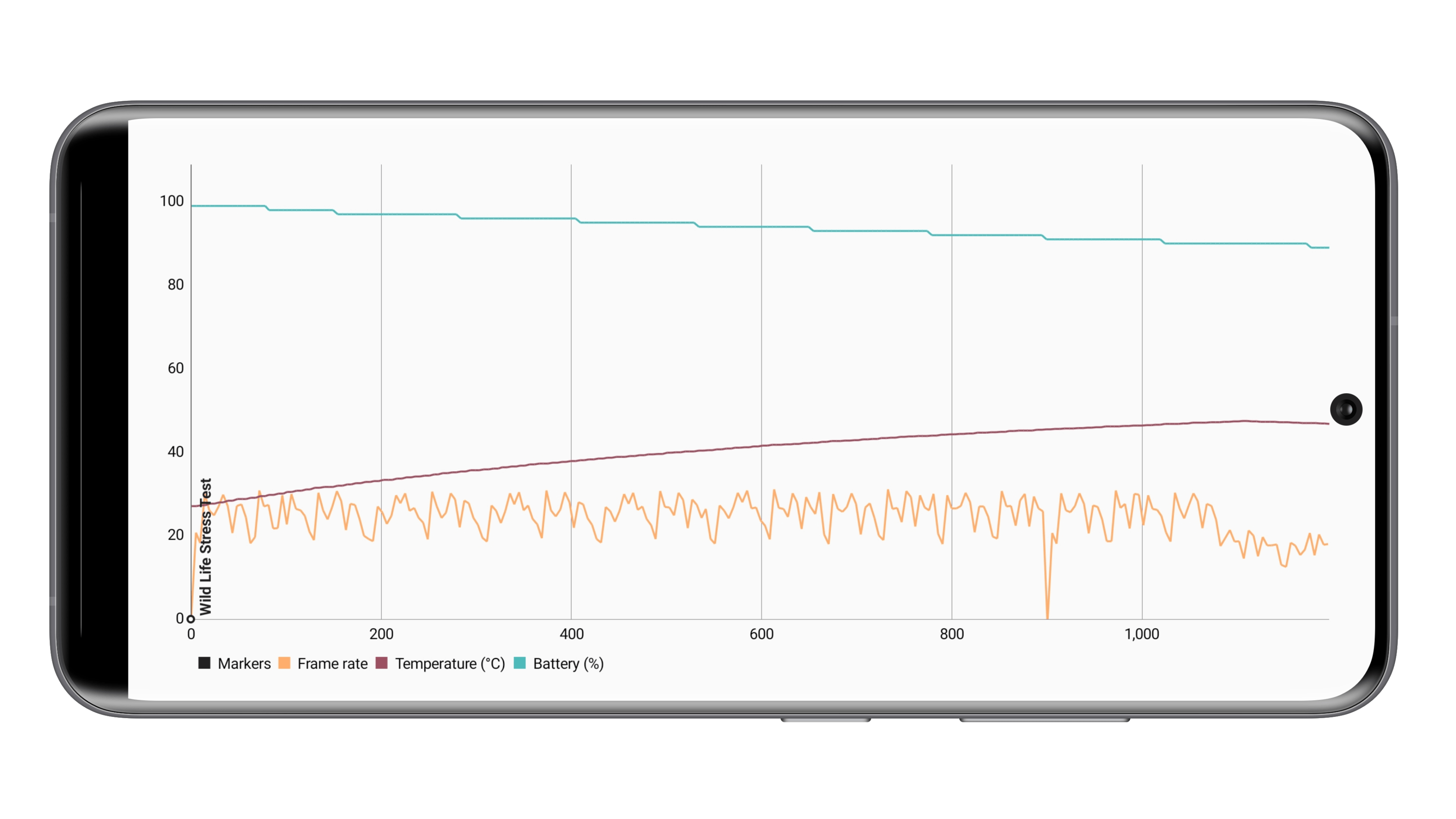
As you can see below, the framerate remained stable for most of the duration of the Wild Life Stress Test benchmark by 3DMark, which simulates intensive gaming use for 20 minutes. Apart from a drop in the final loops, temperature control was rather exemplary.
I think that Xiaomi didn’t make such a bad choice by integrating the Snapdragon 870 SoC here, especially when we know how much the Snapdragon 8 Gen 1 SoC overheats the smartphone it runs on. But this choice should have been reflected in the price of the phone.
Camera: The Sony IMX766 is the perfect brew
The Xiaomi 12X features a triple camera module at the back carried by the famous 50 MP Sony IMX766 for the main lens and complemented by a 13 MP ultra wide-angle lens and a 5 MP macro lens. In front is a 32 MP selfie camera.
What I liked:
Main lens that is effective both during the day and at night.
On paper, the camera module has frankly evolved very little compared to last year’s Xiaomi Mi 11, apart from the fact that we find the famous Sony IMX766 sensor in the main lens. This is the same sensor that is included in many Android flagships this year and that I find to be an excellent choice.
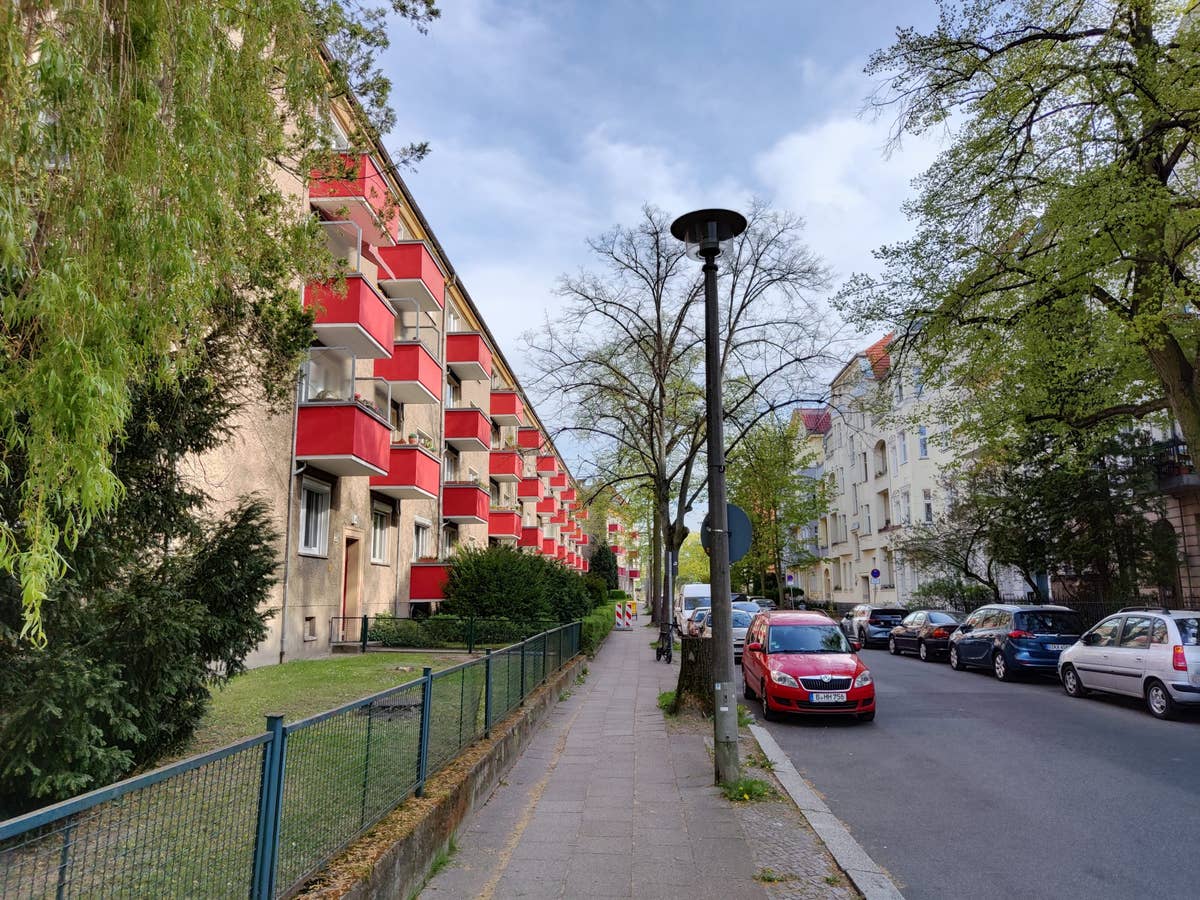
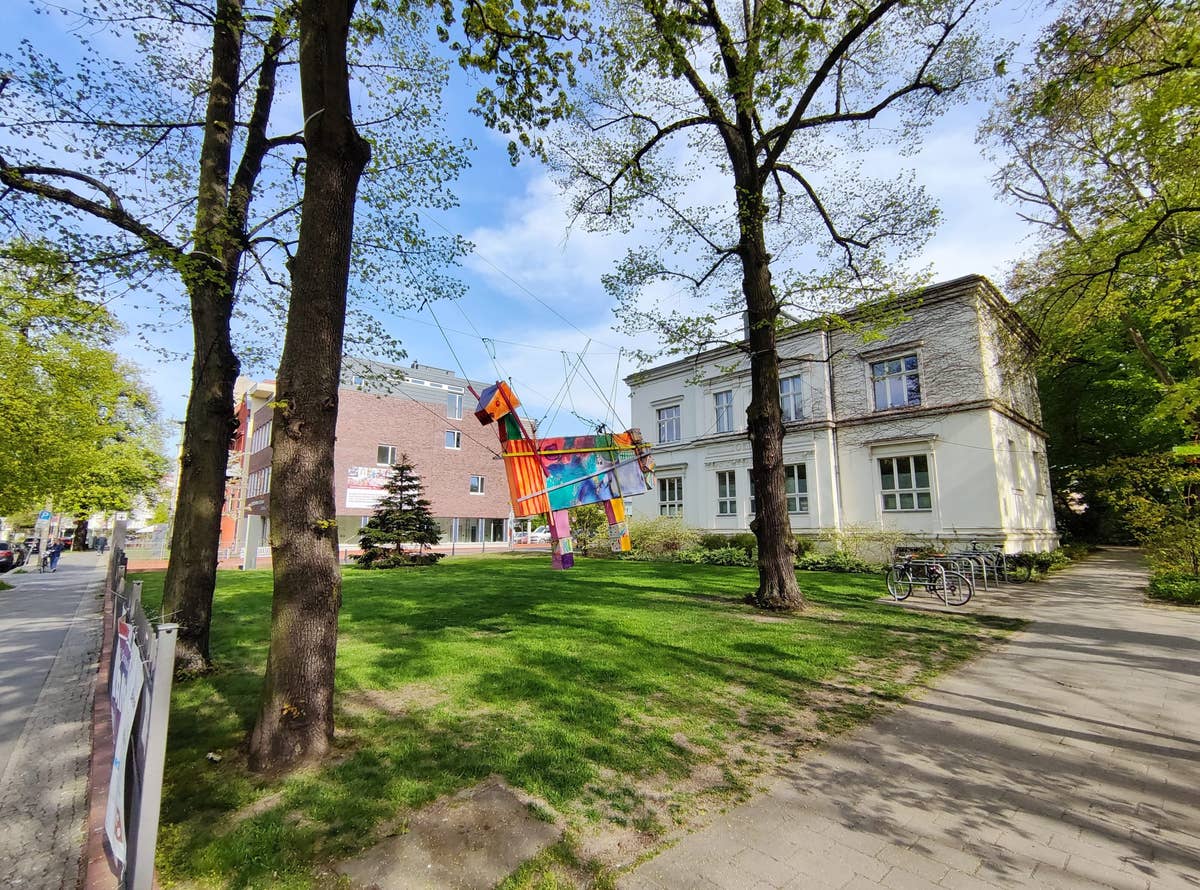
During the day, the primary lens obviously performed very well. We achieved a good level of detail and sharpness. The dynamic range is also wide enough in most scenarios and the exposure is well managed.
Quelle: NextPit
Quelle: NextPit
Quelle: NextPit
Quelle: NextPit
Quelle: NextPit
Quelle: NextPit
Quelle: NextPit
Quelle: NextPit
Quelle: NextPit
Quelle: NextPit
Quelle: NextPit
Quelle: NextPit
Quelle: NextPit
Quelle: NextPit
Quelle: NextPit
Quelle: NextPit
Quelle: NextPit
Quelle: NextPit
Quelle: NextPit
Quelle: NextPit
Quelle: NextPit
Quelle: NextPit
Quelle: NextPit
Quelle: NextPit
Quelle: NextPit
Quelle: NextPit
Quelle: NextPit
Quelle: NextPit
Quelle: NextPit
Quelle: NextPit
Quelle: NextPit
Quelle: NextPit
Quelle: NextPit
Quelle: NextPit
I noticed quite a bit of color inconsistency between the main lens and the ultra wide-angle. The distortion of photos taken by the ultra wide-angle lens is too noticeable for my taste, almost giving a fish-eye effect to the shots.
The zoom is obviously limited as soon as we exceed the optical capabilities of the lens and the purely digital magnification degrades the image considerably the moment you go beyond 2x magnification.
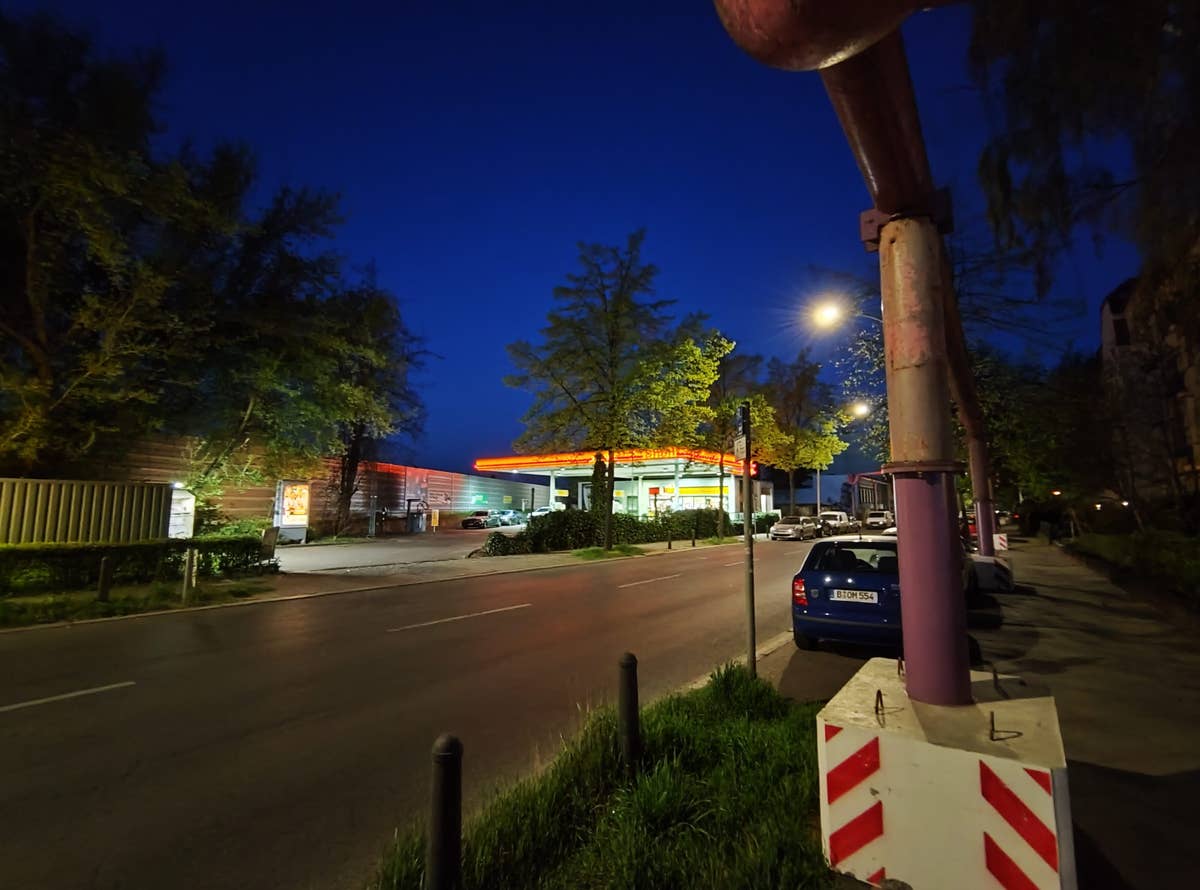
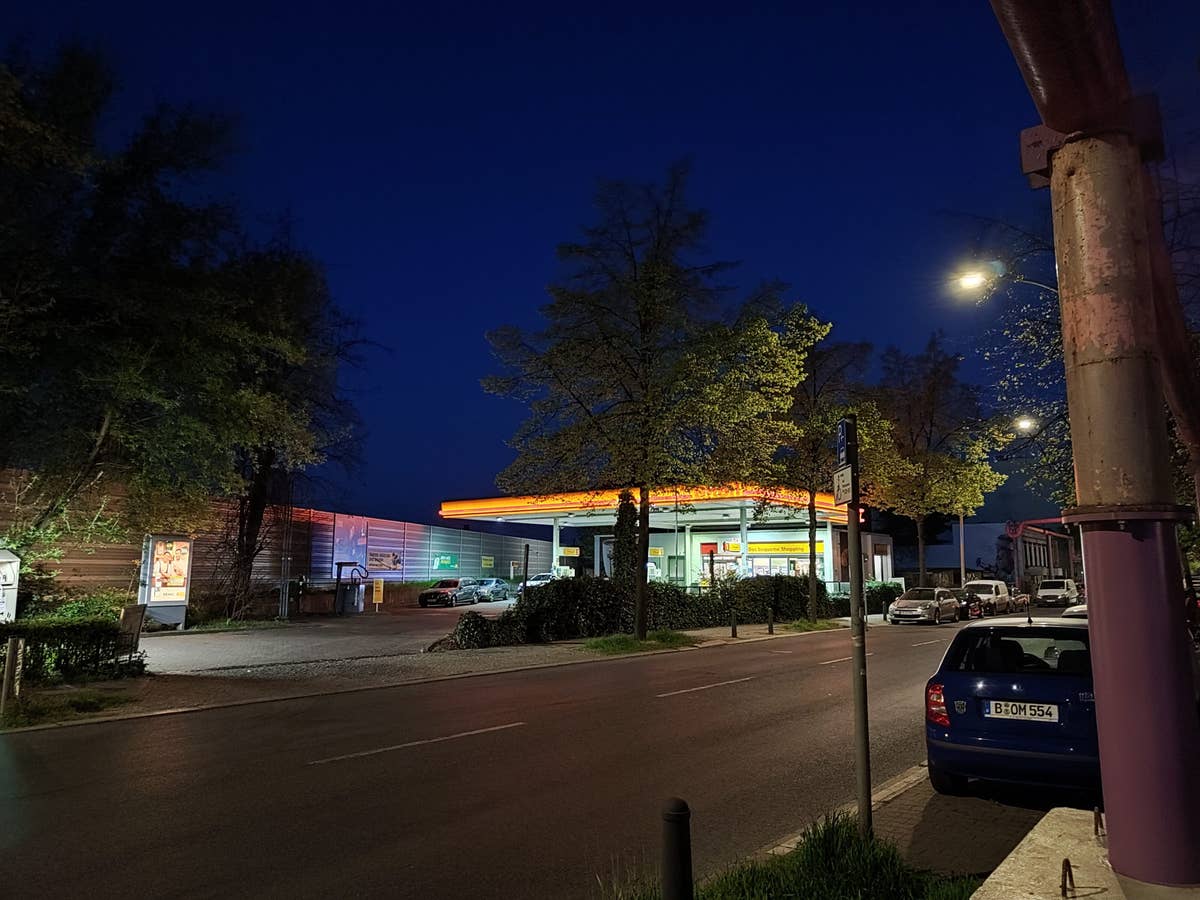
The night mode worked rather well and improved the quality of the shots by reducing the digital noise and limiting the flare effect of strong light sources.
Xiaomi 12X Video 1080p @ 60 FPS
Empfohlener redaktioneller Inhalt
Dieser externe Inhalt von YouTube wurde von der nextpit Redaktion ausgewählt und ergänzt den Artikel. Du hast die Wahl, ob du diesen Inhalt laden möchtest.
Externen Inhalt erlauben
Ich bin damit einverstanden, dass externer Inhalt geladen wird. Personenbezogene Daten werden womöglich an Drittplattformen übermittelt. Nähere Informationen enthält die Datenschutzerklärung.
Xiaomi 12X Video 4K @ 60 FPS
Empfohlener redaktioneller Inhalt
Dieser externe Inhalt von YouTube wurde von der nextpit Redaktion ausgewählt und ergänzt den Artikel. Du hast die Wahl, ob du diesen Inhalt laden möchtest.
Externen Inhalt erlauben
Ich bin damit einverstanden, dass externer Inhalt geladen wird. Personenbezogene Daten werden womöglich an Drittplattformen übermittelt. Nähere Informationen enthält die Datenschutzerklärung.
Xiaomi 12X Video Selfie 1080p @ 60 FPS
Empfohlener redaktioneller Inhalt
Dieser externe Inhalt von YouTube wurde von der nextpit Redaktion ausgewählt und ergänzt den Artikel. Du hast die Wahl, ob du diesen Inhalt laden möchtest.
Externen Inhalt erlauben
Ich bin damit einverstanden, dass externer Inhalt geladen wird. Personenbezogene Daten werden womöglich an Drittplattformen übermittelt. Nähere Informationen enthält die Datenschutzerklärung.
Battery life: Excellent but lacks 120 watts fast charging
The Xiaomi 12X comes with a 4,500 mAh battery that accepts 67 watts of wired fast charging.
What I liked:
Excellent battery life.
Charger is included in the box and compatible with PD 3.0 and QC 4.
65-watt fast charging.
What I disliked:
No wireless charging support.
No 120 watts HyperCharge support.
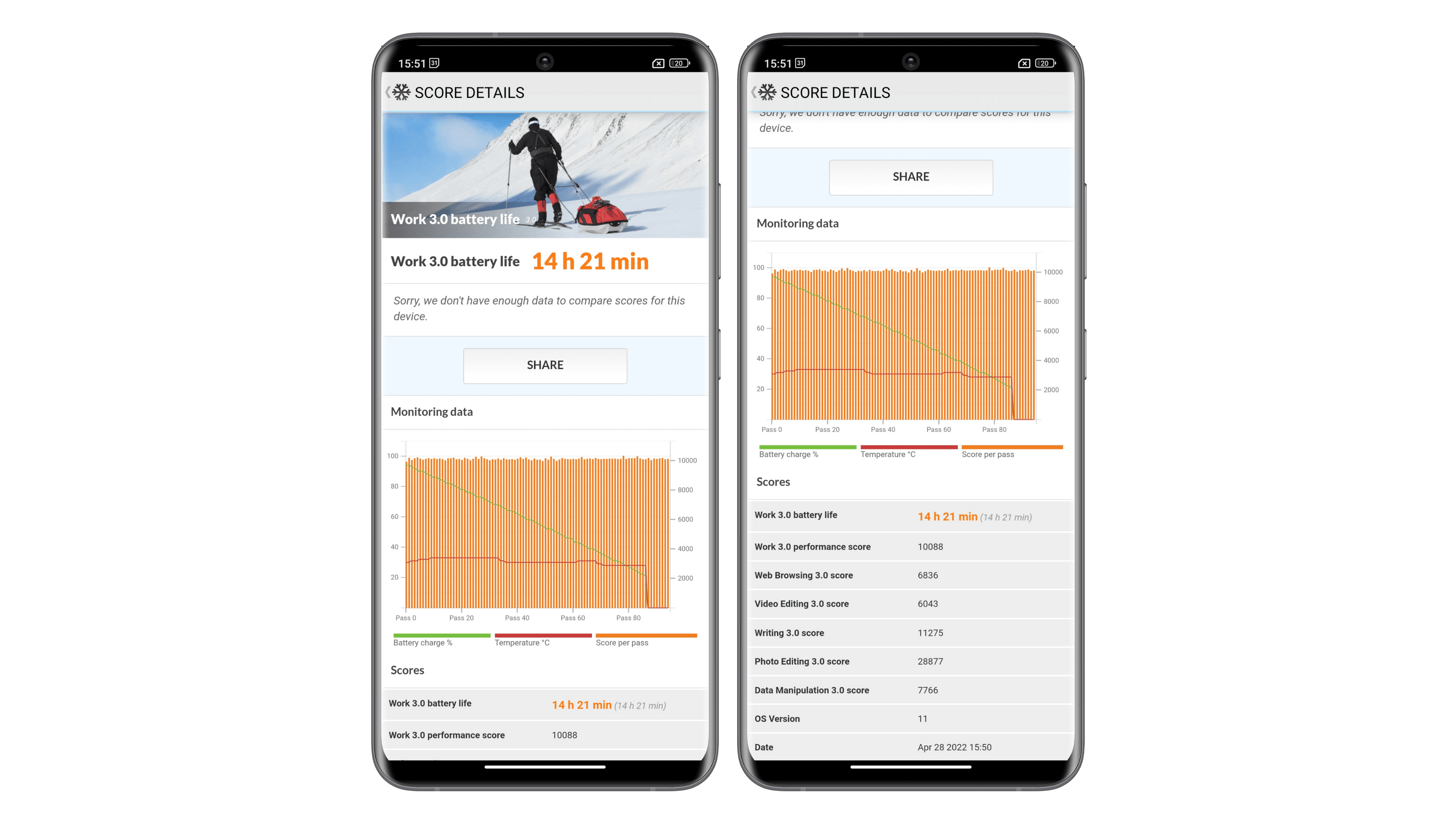
I put the Xiaomi 12X through the PC Mark benchmark that we normally use, where it simulates unrealistic usage (because it is too intensive and unbalanced). I set the screen brightness to 200 nits with the adaptive refresh rate enabled and the resolution at Full HD+ (you can’t change the resolution anyway).
The Xiaomi 12X took 14:21 to fall below the 20% remaining battery life mark. So, that’s more than a full day of use with the screen on all the time. With a more realistic screen time and real-world usage, you can easily last 2 days before needing to plug it into the mains.
The 67-watt wired fast charging is more than enough for everyday use. It took me just over 15 minutes each time to go from 0 to 50% charge and just over 45 minutes to go from 0 to 100% (46 minutes being my best time).
On the other hand, I find it to be a real shame that Xiaomi did not implement its new HyperCharge technology at 120 watts. Even the Xiaomi 11T Pro that was released last year came with that, which means it is rather silly to reserve this feature for the Xiaomi 12 Pro this year (and the Redmi Note 11 Pro+ 5G).
The Xiaomi 12X is a well-balanced smartphone that I would recommend without any hesitation if it were released in 2021.
Let’s be clear, I don’t blame it for the technical compromises made compared to the basic Xiaomi 12. I find them to be viable in terms of product strategy, for a model supposed to be a lite flagship. But they lose all relevance in terms of price. $750 is too high for such specifications in 2022 in my opinion.
The Snapdragon 870 SoC still holds up very well and has the merit of running much cooler than the Snapdragon 8 Gen 1 or even the Snapdragon 888 when under heavy load. The camera module is quite decent, although it lacks a bit of versatility. The screen is very nice and perfectly calibrated. Battery life is excellent and the compact form factor is a criterion that remains sought after by an increasing number of users.
On the other hand, I don’t see why this smartphone deserves to exist. Or rather, why it deserves to coexist in the Xiaomi catalog alongside the Xiaomi 11T Pro, which is much cheaper around $660 for the 8/256GB model, sporting similar specifications while offering a more powerful and updated SoC, 120 watts charging, Android 12, as well as a more extensive update policy.
So instead of buying the Xiaomi 12X, just give it a miss (an X, lol!!!!!) and buy a Xiaomi 11T Pro.
We mark partner links with this symbol. If you click on one of these links or buttons–or make a purchase through them–we may receive a small commission from the retailer. This doesn’t affect the price you pay, but it helps us keep nextpit free for everyone. Thanks for your support!
Schwarzer Gürtel beim Lesen von Datenblättern. OnePlus-Fanboy a.D. Durchschnittliche Lesezeit für meine Artikel: 48 Minuten. Hasst es, von sich selbst in der dritten Person zu sprechen. Wäre in einem früheren Leben gerne Gaming-Journalist gewesen. Versteht keine Ironie. Head of editorial bei nextpit Frankreich.
bro, check your facts, Xiaomi 12x is EXACTLY the same size as the Xiaomi 12, only the Pro version is bigger. The cameras are EXACTLY the same on Xiaomi 12 too, so get your things straight, you obviously have no idea what you’re talking about







































bro, check your facts, Xiaomi 12x is EXACTLY the same size as the Xiaomi 12, only the Pro version is bigger. The cameras are EXACTLY the same on Xiaomi 12 too, so get your things straight, you obviously have no idea what you’re talking about