

Rayneo X3 Pro: State-of-the-Art Eyewear
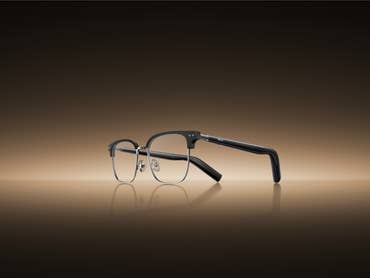
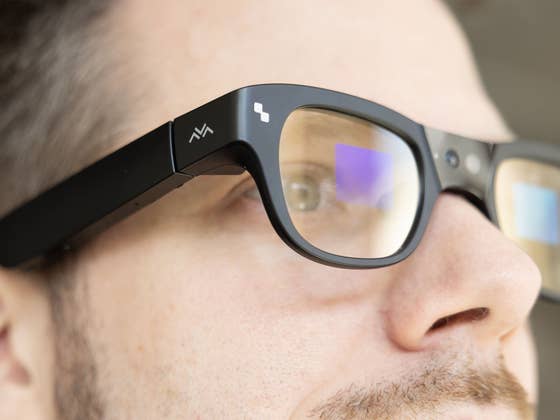
They were already on parade at CES, and TCL brought its Rayneo X3 Pro to MWC 2025 as well. The smart glasses are equipped with microphones, loudspeakers, a camera, and even a color display in the lenses.
Even if the integrated hardware in the surprisingly light frame is an impressive engineering feat, this is on a whole new level. If the glasses view the world through our eyes and information is processed by an AI model, then it will inevitably gain insights into the most private areas of our life.
The burning question is, how can we control this data?
The hardware platform that powers the Rayneo X3 Pro is Qualcomm’s Snapdragon AR1 Gen 1. This chip is also used in the Ray-Ban Meta Glasses. The computing power is, of course, very limited, as there is neither much space nor enough battery capacity in the glasses to supply a powerful processor with enough juice to handle high-performance tasks.
However, Qualcomm has other chips, and users carry these around with them in the form of their smartphones. The solution is therefore as follows: the AI model runs on the Qualcomm processor in the smartphone.
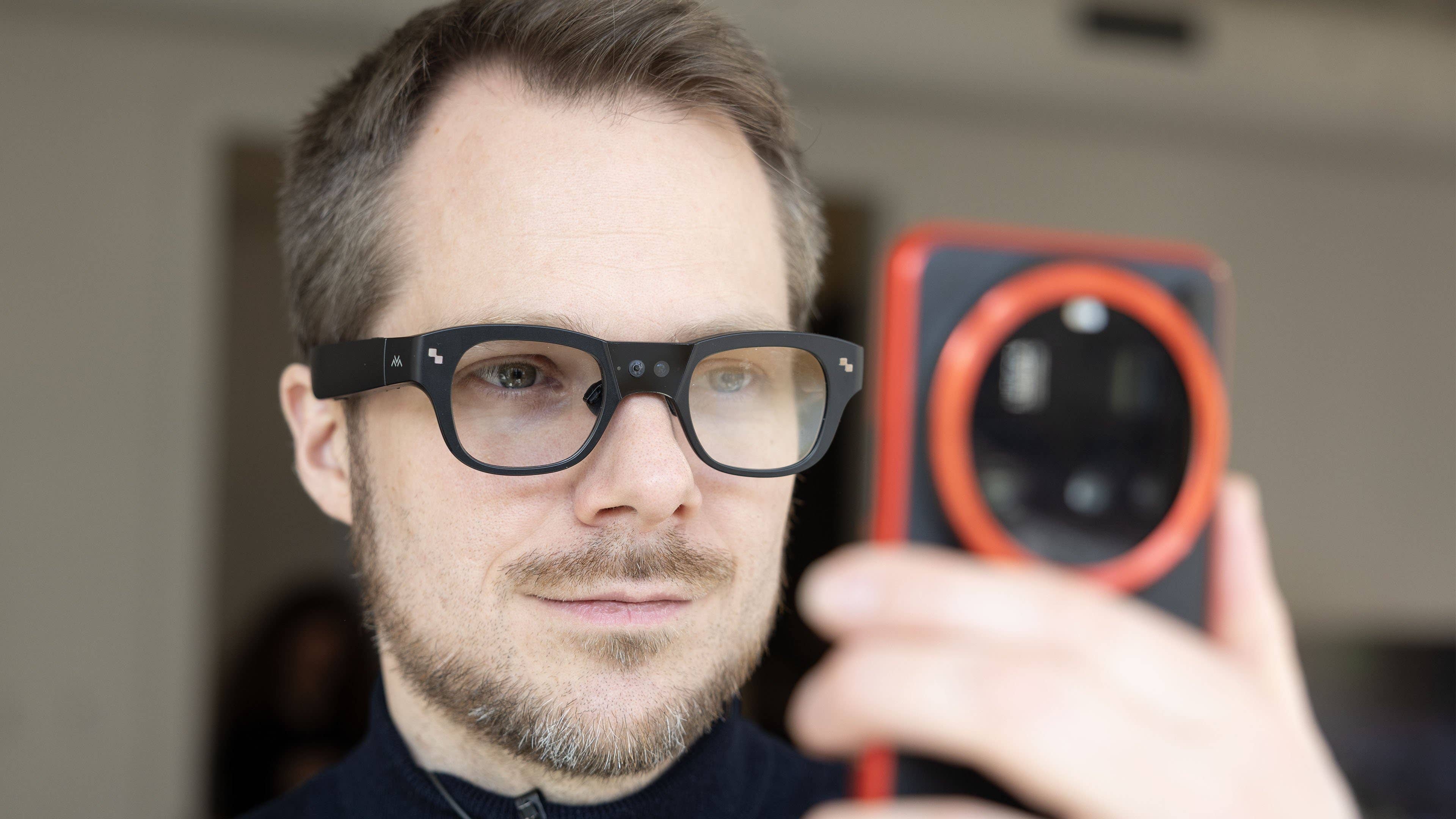
Qualcomm and TCL described the following scenario at MWC: The user looks at their home gym and asks the assistant: “Recommend a fitness workout that I can do.” From there, the AI system kicks into gear.
- In the first step, the smart glasses take a photo and analyze the available equipment
- Then, with the help of RAG (Retrieval Augmented Generation), the AI model receives individual fitness and health data about me and therefore knows how much to expect from me
- As an option, further information can also be entered via RAG, such as a specific training regimen that I follow
- Finally, a workout recommendation is locally generated on the smartphone and the glasses will return its results to me.
In this case, the interaction works because the chip manufacturer Qualcomm created a cross-device platform. The smart glasses become the interface for the user, while the smartphone takes care of the computing power, with data privacy being assured as sensitive data never gets sent to the cloud.
The application possibilities are almost endless. With the smart glasses, I have an almost omniscient assistant that sees and hears everything happening around me, ranging from cooking recipes to navigation on the road, translations and conversation notes, or additional contextual information on everything I’m looking at. What would be your idea of a killer app?