Sorry, but there's really nothing to see here right now. Our server is in maintenance mode – and our
little bot is trying to sort the error messages with its last bit of energy.
Whether it was a data leak, a power outage in the cluster, or just a grumpy bit – we don't know yet.
But what we do know is:
The data drama escalated into a server meltdown. But don't worry: We're on it.
What now?
Everything is surely running smoothly over at our colleagues from inside
digital – why not stop by!
Or you could pass the time by visiting our social media channels – for example Instagram, YouTube or TikTok. At least there are no
server problems there – promised.
Thanks for your patience. Our bot is already rebooting at full speed. 🔧
NewsTabletUrgent: Microsoft Will Soon Delete Millions of Passwords Forever
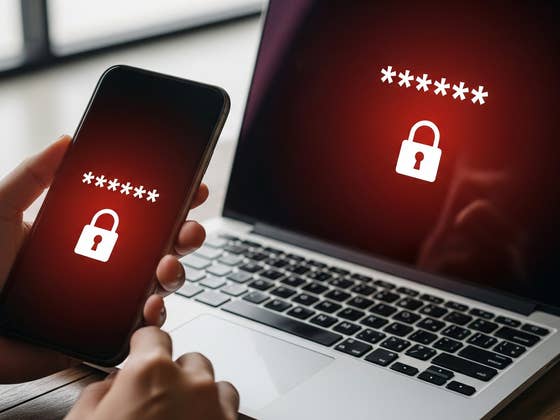
Have you ever used the Microsoft Authenticator app to manage your passwords? If you do, or know someone who does, you should learn what’s happening with the app before it’s too late. Microsoft is retiring the password storage functionality within the app, meaning you won’t be able to use it after the deadline, and millions of passwords could be wiped out. Learn what’s replacing it.
Make your device theft-proof with this feature – Follow these steps on how to enable it
What Will Happen to Your Passwords in Microsoft Authenticator?
Back in June this year, Microsoft commenced phasing out the password storage capability from the app, which has already blocked users from adding or storing new passwords. In July, the app’s autofill feature is expected to cease functioning by the end of the month.
This will be followed by the removal of users’ data and passwords sometime in August. You won’t be able to access them after that date. However, users should note that the Microsoft Authenticator app itself will remain active, along with core features such as 2FA and ID management.
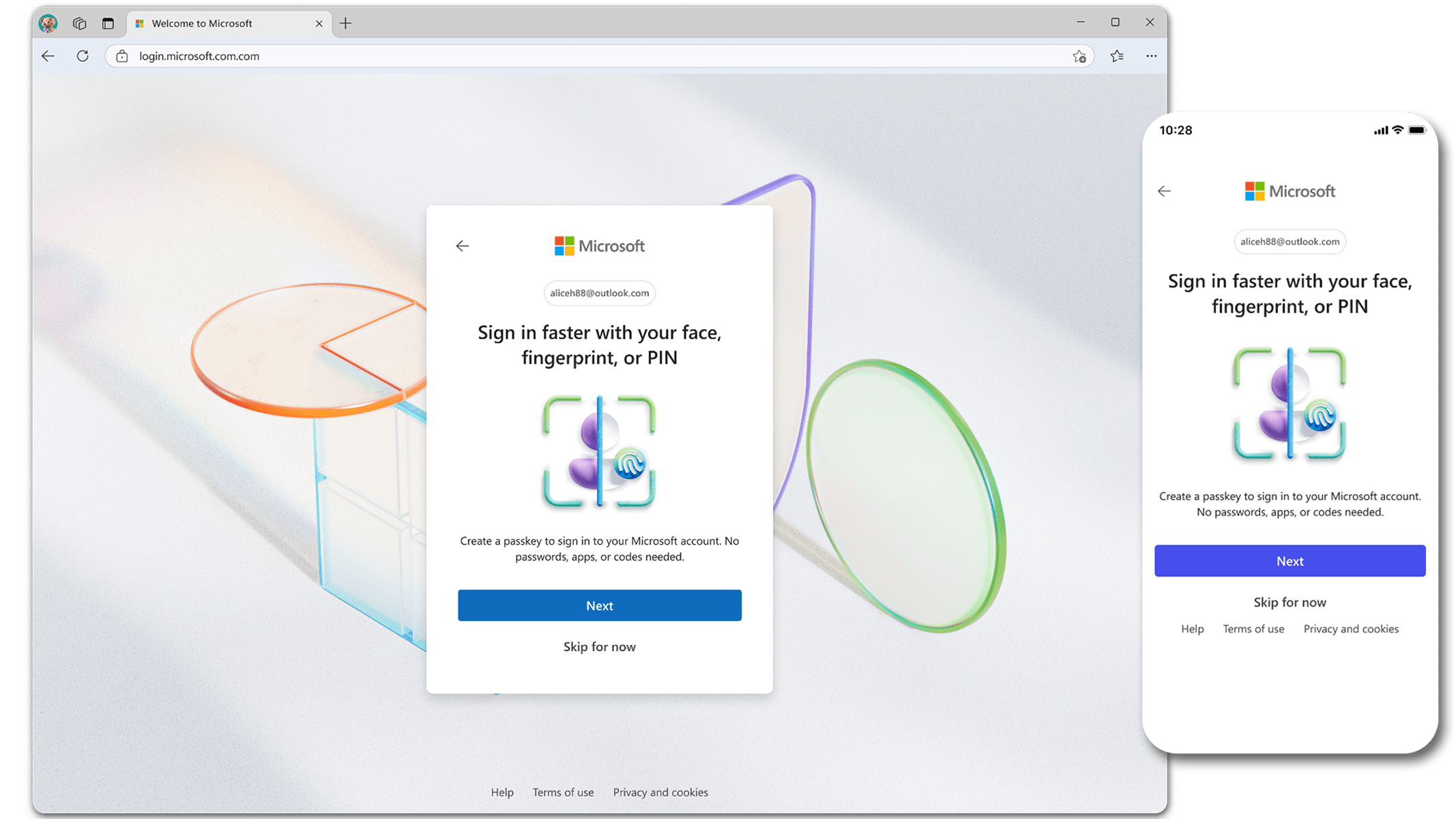
During this transition, users can migrate their passwords to Microsoft Edge or other password managers if they wish. However, they are advised to adopt passkeys going forward, which is also supported in the Authenticator app for Windows, Android, and iOS.
What are Passkeys? Why Use One?
Microsoft has begun transitioning to passkeys, a more advanced authentication method. This is a new passwordless security standard developed by the FIDO Alliance, with prominent members including Microsoft, Google, Samsung, Meta, Amazon, and Apple. You can learn more about passkeys in this article.
Passkeys offer numerous advantages over traditional security methods, such as 2FA codes and passwords. Among these are greater resistance to phishing and hacking, as passkeys are tied to specific apps and websites. Additionally, the private keys created don’t leave the device where they are generated. In short, attackers cannot guess your passkeys, unlike passwords.
More importantly, this technology offers convenience for users, as passkeys can be authenticated using biometrics like fingerprint scanning, PINs, and face/eye recognition. This is a faster method than remembering and typing passwords. Passkeys are also securely synced between devices for added convenience.
Have you transitioned to new password managers or used passkeys on your devices before? We’d like to hear about your experience in the comments.
We mark partner links with this symbol. If you click on one of these links or buttons–or make a purchase through them–we may receive a small commission from the retailer. This doesn’t affect the price you pay, but it helps us keep nextpit free for everyone. Thanks for your support!