Sorry, but there's really nothing to see here right now. Our server is in maintenance mode – and our
little bot is trying to sort the error messages with its last bit of energy.
Whether it was a data leak, a power outage in the cluster, or just a grumpy bit – we don't know yet.
But what we do know is:
The data drama escalated into a server meltdown. But don't worry: We're on it.
What now?
Everything is surely running smoothly over at our colleagues from inside
digital – why not stop by!
Or you could pass the time by visiting our social media channels – for example Instagram, YouTube or TikTok. At least there are no
server problems there – promised.
Thanks for your patience. Our bot is already rebooting at full speed. 🔧
NewsGoogle Has a Crazy Plan to Challenge Windows and macOS
For many years, Android and Chrome OS have shared some core DNA and features, allowing seamless service integration and cross-platform app functionality. However, they have existed mainly separately, keeping their development paths distinct. Following earlier reports of the two operating systems merging, Google has finally confirmed this.
Back in November last year, there was heavy speculation (via Android Authority) that Google was moving Chrome OS to the Android platform, which would allow the company to streamline the development of two different OSes.
The chatter was almost on point. Sameer Samat, President of the Android Ecosystem at Google and a veteran at the company, confirmed in a recent interview with TechRadar that they indeed plan to combine the two operating systems into a “single platform.”
This confirmation not only solidifies the initiative but also strongly suggests that Google’s eventual aim is to create a more powerful, unified system that combines the best features and flexibilities of both platforms. This also opens the door for the company to provide an ultimate alternative that would directly challenge iPadOS or even macOS for Apple’s MacBooks and Microsoft’s Windows.
Why Google Wants a Unified Operating System
It has become more apparent that Google envisions combining the two OSes into one platform would give them an edge in boosting the usability and flexibility of a single operating system. For instance, they would no longer need to develop each OS separately, nor would app developers need to target two distinct platforms.
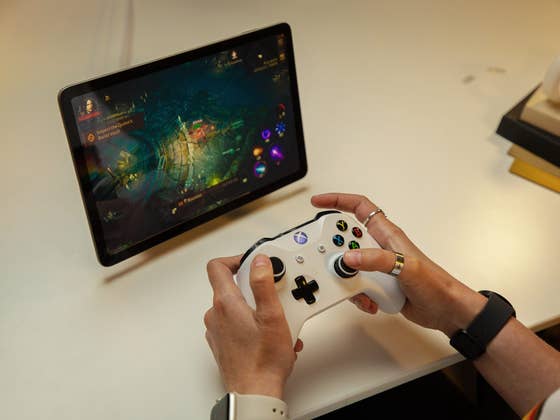
At the same time, they likely want to harness the advantages of each platform, such as Chrome OS’s strength in supporting large-screen devices like laptops and its cloud-centric workflow. With a merged platform, this could also open the door for Google to bring Android’s gesture-driven UI to these larger form factors.
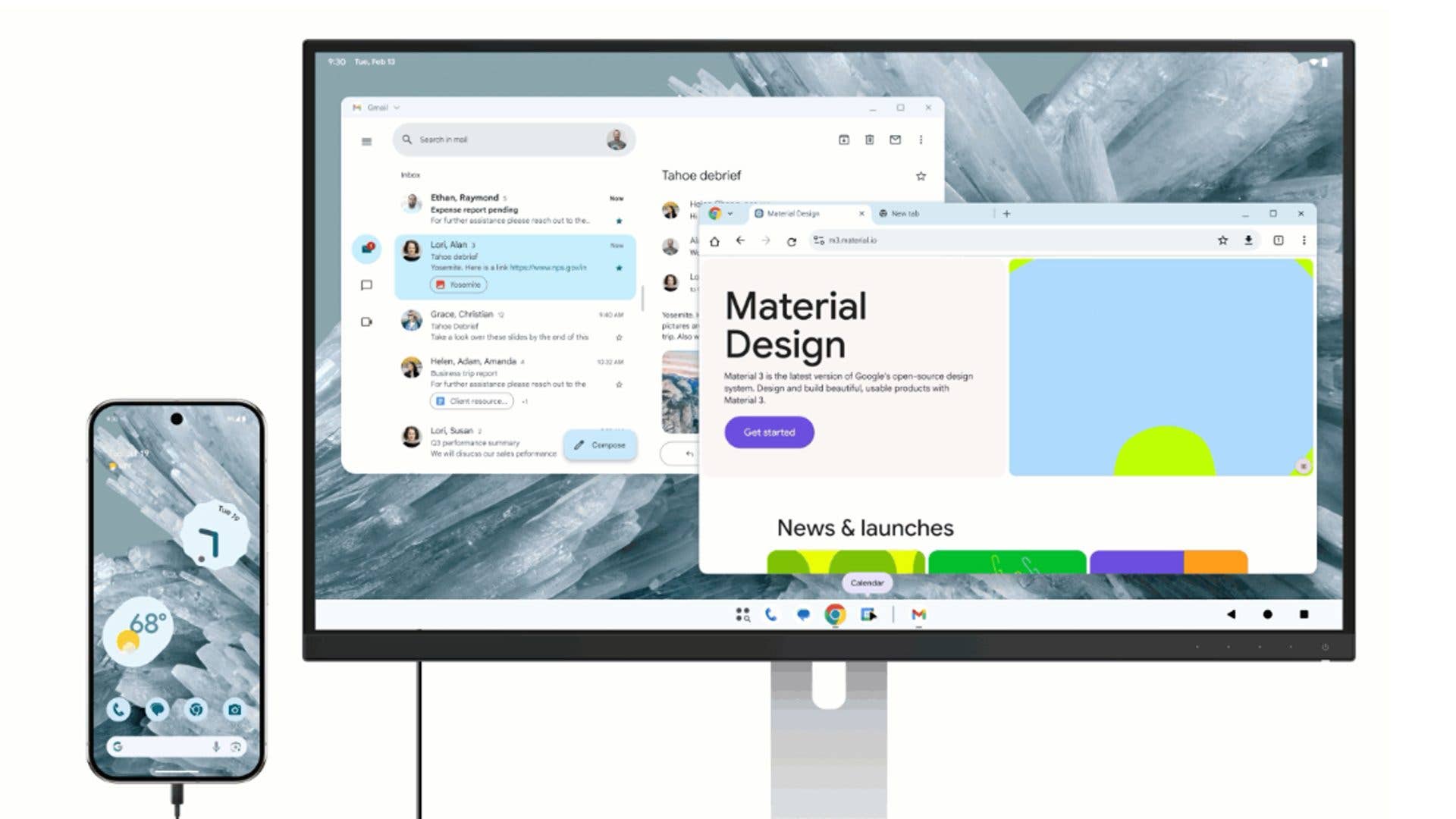
It was also hinted in the latest development of Android that Google intends to bring features from the two platforms. In Android 16, the major OS has gained a more powerful desktop mode when connecting to external displays and PC accessories, along with wider support for canvas mode on tablets.
All that said, there’s still no clear layout for how Google will market its combined operating system in the future, or even what name it will give it. But what’s clear is that it wants to bet on this to challenge the platforms of large-screen devices and PCs, which are mostly dominated by Apple and Microsoft.
What are your thoughts on Google combining Android and Chrome OS into one? Do you think this was long overdue and should have been made earlier? We’d like to hear and discuss your answers in the comments.
We mark partner links with this symbol. If you click on one of these links or buttons–or make a purchase through them–we may receive a small commission from the retailer. This doesn’t affect the price you pay, but it helps us keep nextpit free for everyone. Thanks for your support!







0 comments