Sorry, but there's really nothing to see here right now. Our server is in maintenance mode – and our
little bot is trying to sort the error messages with its last bit of energy.
Whether it was a data leak, a power outage in the cluster, or just a grumpy bit – we don't know yet.
But what we do know is:
The data drama escalated into a server meltdown. But don't worry: We're on it.
What now?
Everything is surely running smoothly over at our colleagues from inside
digital – why not stop by!
Or you could pass the time by visiting our social media channels – for example Instagram, YouTube or TikTok. At least there are no
server problems there – promised.
Thanks for your patience. Our bot is already rebooting at full speed. 🔧
NewsTabletCheaper Self-Repair: Apple to Allow Used Parts for iPhone Repairs
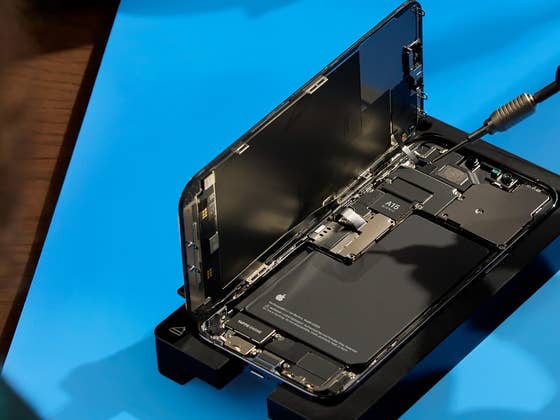
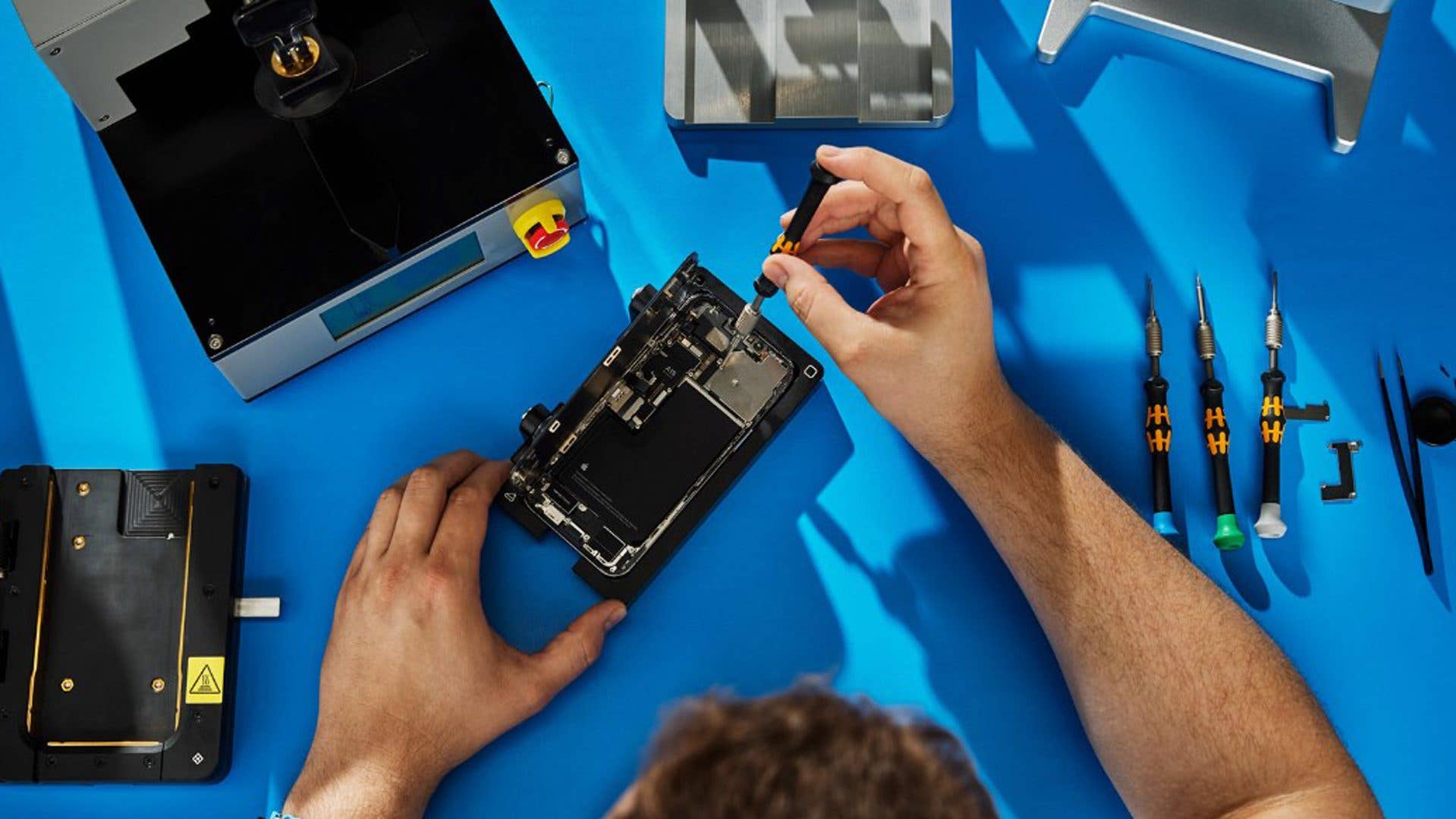
Apple is one of the pioneers of self-service repair program that allowed iPhone users to fix their device provided they will only use new and genuine replacement parts. But with the announcement today, the iPhone maker is shifting away from one key area of its stringent service process which will let customers and third-party service centers utilized used parts.
Also read: How to extend iPhone’s battery life using the low power mode
The planned reversal in its policy (via Washington Post) is said to commence starting this fall and will be applicable first with the iPhone 15 (review) models and the upcoming iPhone 16 before eventually supporting older iPhone models.
Which used parts can you use to repair your iPhone?
At the same time, parts that will be covered include used batteries, display panels, and camera modules. However, Apple says they intend to include biometric sensors like Touch ID and Face ID in future iPhones.
It was explained that they didn’t able to support these biometric sensors right away is because they’re building a new “parts pairing process” to tell if these parts were spoofed or that the security system within has been compromised.
Apple added that they are going to use an on-device authentication method to detect if an installed component is original and working properly. Essentially, users will be able to view their status from the settings under General and inside About. The change in the settings is said to be expanded via a new firmware once the updated program starts.
Apple is also adding a safeguard through the existing Activation Lock system to avoid parts from stolen and locked iPhones to be used. For instance, if the on-device authentication detects that the parts come from an iPhone in lost mode or that is locked with the system, the iPhone being repaired will be not be reactivated.
If a device under repair detects that a supported part was obtained from another device with Activation Lock or Lost Mode enabled, calibration capabilities for that part will be restricted.
Along with this new guideline, Apple is also changing how customers and service centers can obtain genuine parts. With that, parties won’t be required to give Apple the device’s serial numbers when ordering components except for logic boards.
Apart from paying less when using used parts, what else do you think are the immediate benefits of this change? We’d like to hear your opinion in the comments.






0 comments