Opinion: Phone certifications are getting out of control
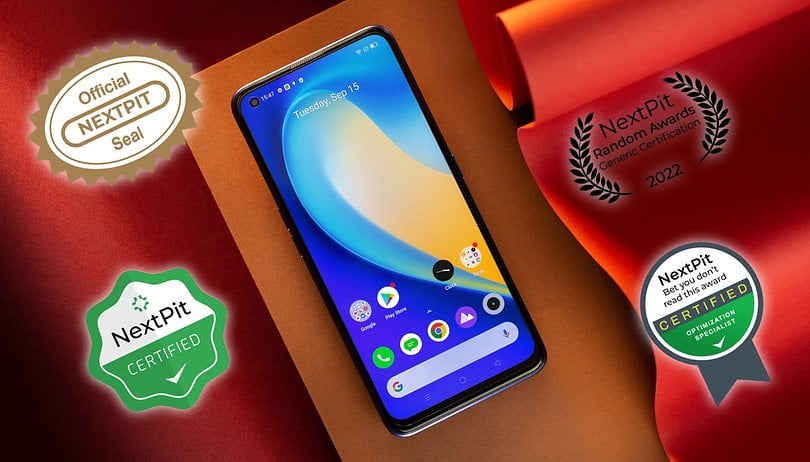

Most of us know how difficult it is to differentiate your product in a highly commoditized market, with strong competition from dozens of different brands in some regions. One way to get the attention of the market is to highlight special features with certifications from a well known company, but in my opinion things are getting out of hand.
It is something that has been bothering me for a while now. Don’t get me wrong, testing organizations are important for guaranteeing quality, interoperability, and safety of products, but some recent new certifications seem to state things that should be obvious or even common sense.
Worse, with manufacturers highlighting more and more certifications, we risk dilluting the meaning of the more traditional ones, especially when some of them seem to be treated as a temporary fad.
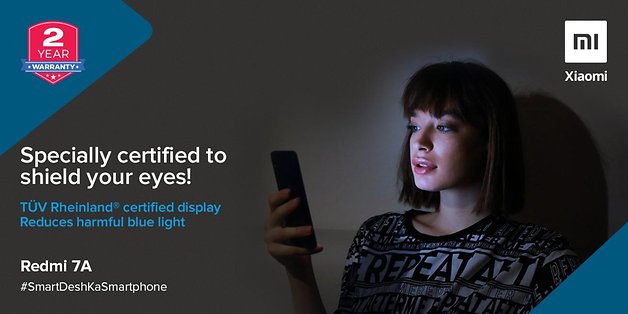
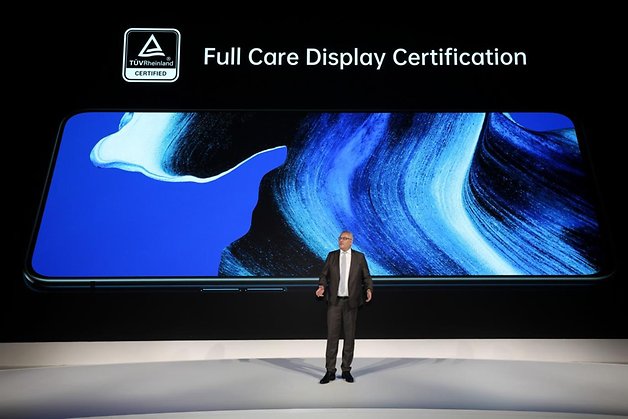

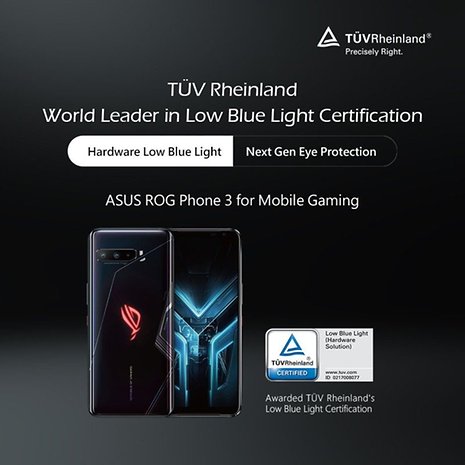
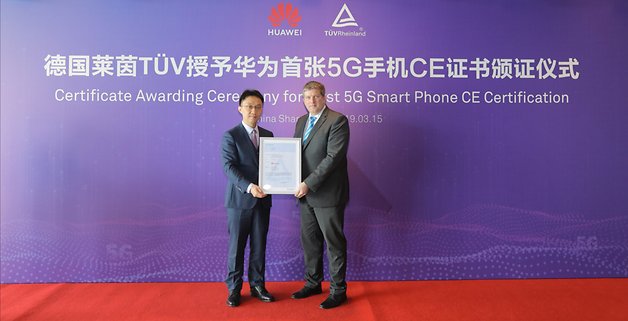
Around three years ago it was the threat of blue light, perhaps in response to the Night Shift feature implemented by Apple starting in 2016 in its mobile and desktop operating systems. 2019 saw an avalanche of Android devices with TÜV Rheinland certification for low blue light.
Again, I am not contesting the validity of the certification — which predates Apple’s Night Shift, by the way —, or the harmful effects of light wavelengths in the blue range, but was it really necessary? And why is it not as highlighted as three seasons ago?
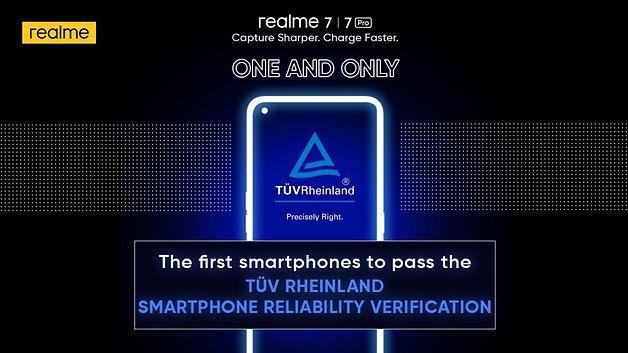
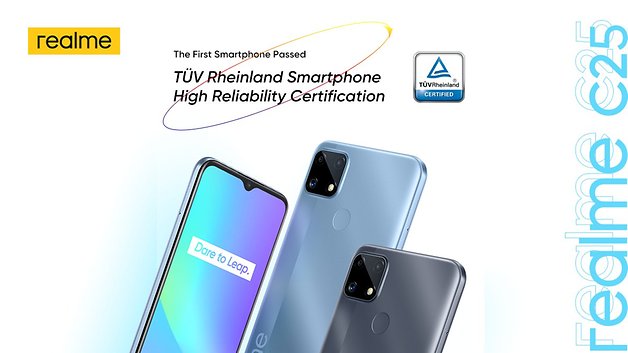
Others seem to state what should be the default, like the “Smartphone reliability” awarded to the Realme 7 and 7 Pro phones in 2020, just to be bested the following year by the first smartphones to pass the “Smartphone High reliability” certification, the Realme C21 and C25. What will 2022 bring us?
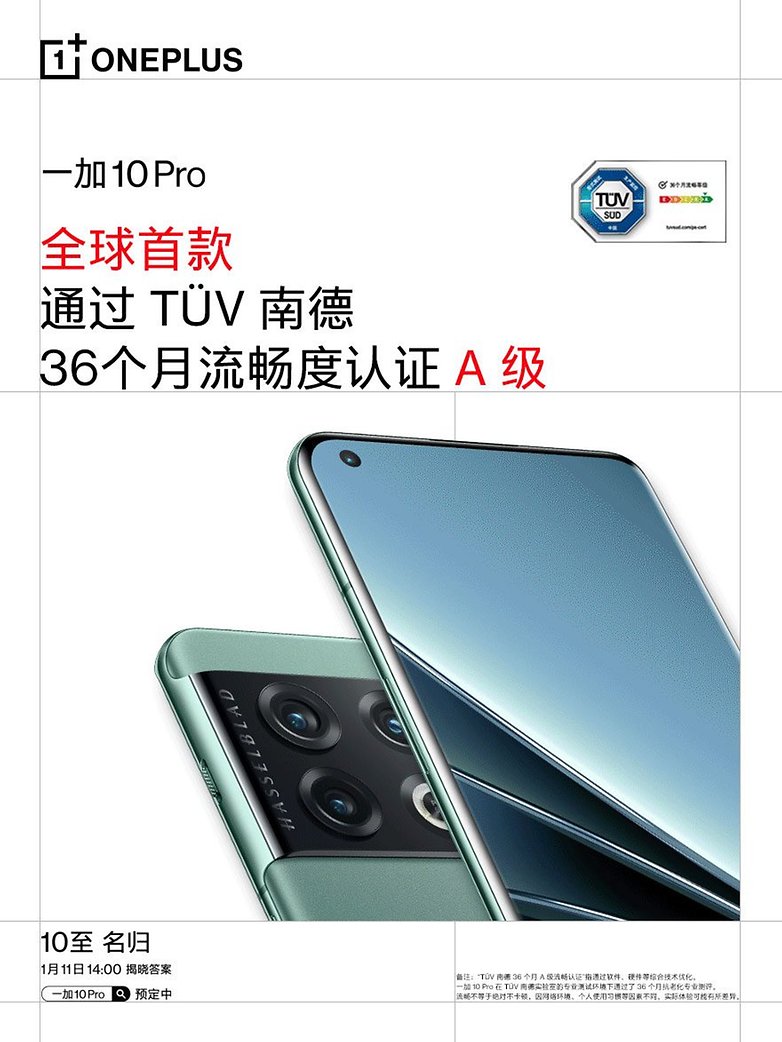
Not to be left behind, the recently announced OnePlus 10 Pro was marketed in China for being the first smartphone awarded the 36 个月流畅度认证. Which Google translates as a “36-month fluency certification”, and GSM Arena reported as ensuring the phone will remain responsive for at least three years.
That is something that some of us already expect from a flagship phone — my ancient Galaxy S9 still performs nicely to this day, and I bet an equivalent OnePlus 6 would as well — unless, of course, a software update breaks things terribly, which is something that is partially out of the brands’ control due not only to new Android versions but also the features (and bugs) implemented with Google Play Services.
Regardless, the official device page’s footnote makes it clear that “Smooth does not mean absolutely ‘no lag’, the actual experience may vary due to different network environment, personal usage habits and other factors”. Otherwise, how can you take Google’s updates or apps getting more and more bloated into account?
Anyway, some of our readers probably won’t even notice the push for increasingly more creative certifications, as they seem to be more marketed in developing countries, such as my native Brazil (which saw a strong ISO900x trend years prior…).
But have you ever thought about what each certification really means? Is that something you want us to cover in-depth or do you think they are just marketing gimmicks that should be ignored? Or maybe I am making a lot of fuss for something insignificant? Let us know in the comments!














It depends on the cert for me. And different people have different concerns that may be reflected in one cert and not another.