Sorry, but there's really nothing to see here right now. Our server is in maintenance mode – and our
little bot is trying to sort the error messages with its last bit of energy.
Whether it was a data leak, a power outage in the cluster, or just a grumpy bit – we don't know yet.
But what we do know is:
The data drama escalated into a server meltdown. But don't worry: We're on it.
What now?
Everything is surely running smoothly over at our colleagues from inside
digital – why not stop by!
Or you could pass the time by visiting our social media channels – for example Instagram, YouTube or TikTok. At least there are no
server problems there – promised.
Thanks for your patience. Our bot is already rebooting at full speed. 🔧
NewsVR & ARGalaxy Watch 7 and Watch Ultra May Get a Truly Fast 3 nm Processor
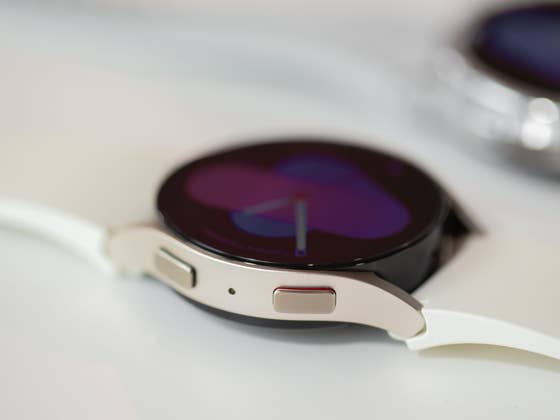
Unlike Samsung’s smartphones that receive a yearly chipset upgrade, its Galaxy smartwatches rely on incrementally updated processors for a couple of years or so before a superior chip with notable improvements is introduced. It does look as though the expected major silicon upgrade might happen with the Galaxy Watch 7.
Also read: Top 10 ways to improve your Samsung Galaxy Watch’s battery life
It has been reported by News Daily that Samsung is set to utilize the 3 nm fabrication process for the chipset which will see action in the Galaxy Watch 7. The smaller lithography process would be a significantly big jump from the Galaxy Watch 6’s (review) 5 nm Exynos W930 SoC, which has been using the same fabrication process ever since the Galaxy Watch 4.
On this note, it would end the 3-year cycle of a major processor upgrade for Samsung. However, it remains unclear how many years the South Koreans intend on using the same manufacturing process on their future smartwatches and wearables.
Why is smaller better?
As far as performance is concerned, not much else is known about how fast the upcoming 3 nm Exynos is compared to the previous Galaxy Watch chipsets. However, when it comes to ever-decreasing nodes, chipmakers would be able to cram in more transistors for enhanced performance. At the same time, it may also result in improved battery life by having more efficient output.
In the same report, the source also mentioned that the Galaxy Watch 7 is the first device from the company to benefit from the 3 nm yield. The Galaxy S24, which is rumored to be announced in January 2024, will still rely on the 4 nm node while its successor through the Exynos 2400 SoC on some variants.
Meanwhile, the 3 nm chips for phones are estimated to be ready within half a year’s time. Once again, this could keep Samsung a step behind Apple, which already introduced its first custom 3 nm chip in the form of A17 Pro equipped on the iPhone 15. Regardless, Samsung has a better shot in the wearable space if it can deliver the 3 nm Exynos silicon next year.
Samsung Galaxy Watch Ultra
More than the chipset, a separate rumor suggested the next-generation Galaxy Watch may benefit from micro-LED display technology that will enable way better screen quality and battery life. There was also a more recent report that Samsung may launch its first Galaxy Watch Ultra model, making the new processor and display very fitting companions.
Apart from a fully upgraded processor, what else are you looking for most that Samsung should add to the Galaxy Watch 7 or Watch Ultra? Do you think they should also introduce improved biometrics sensors? Shoot us your answers in the comments.
We mark partner links with this symbol. If you click on one of these links or buttons–or make a purchase through them–we may receive a small commission from the retailer. This doesn’t affect the price you pay, but it helps us keep nextpit free for everyone. Thanks for your support!



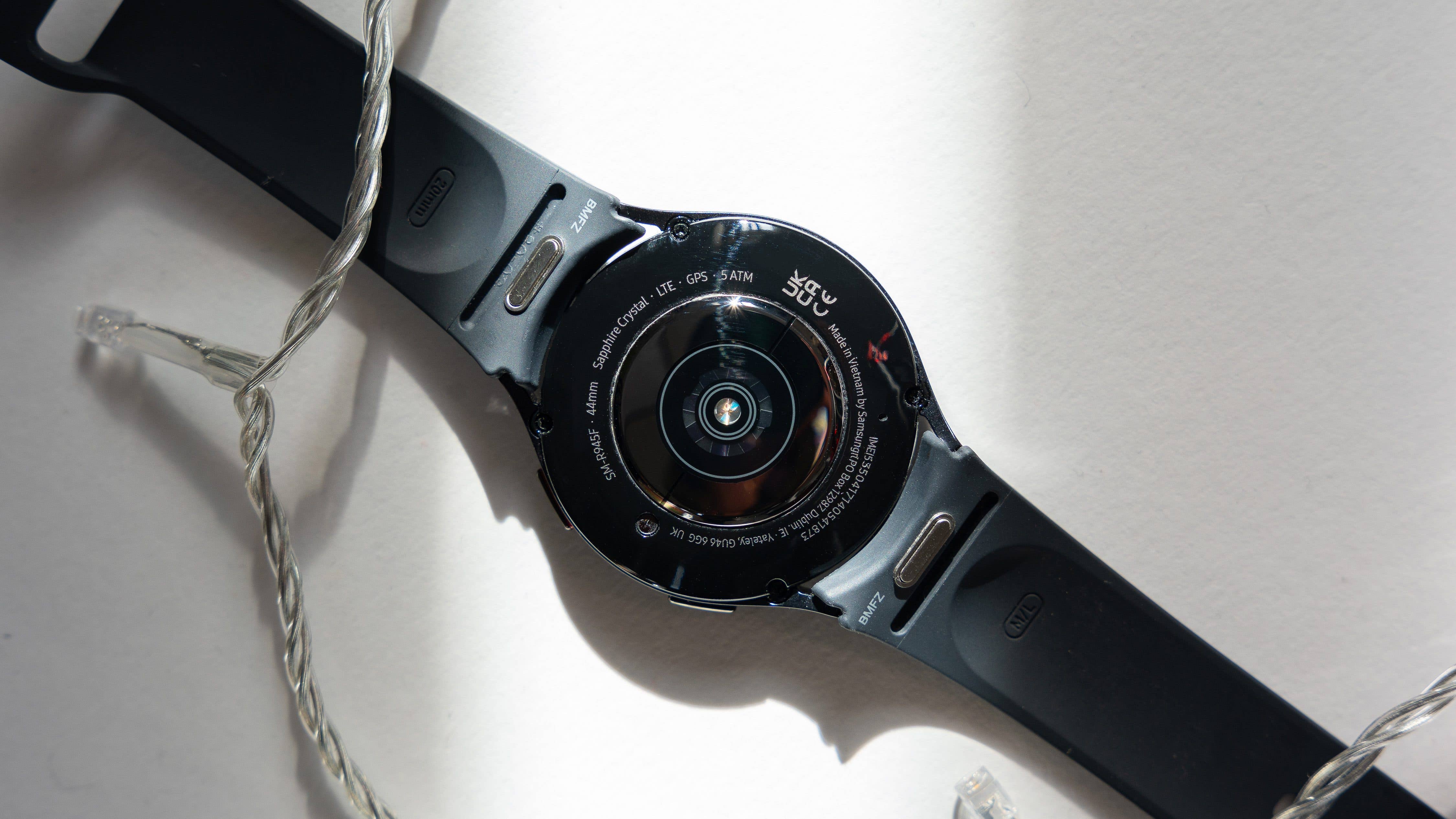




We could really use the long-hinted at glucose monitor.