Xiaomi Pocophone F1 performance review: full throttle at all times
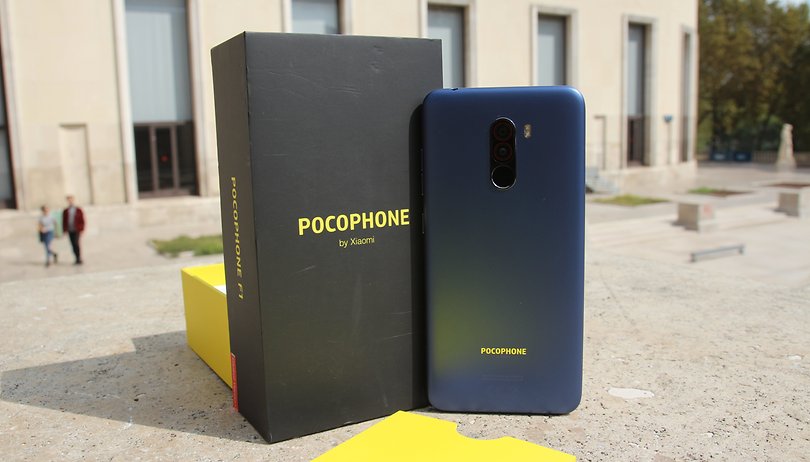

With the Pocophone F1, Xiaomi has shocked the smartphone industry and delighted its customers. The device offers mega power on paper at an extremely low price - there must be a catch! But at least in the performance tests we carried out, we simply didn't find it. The thing is scarily fast!
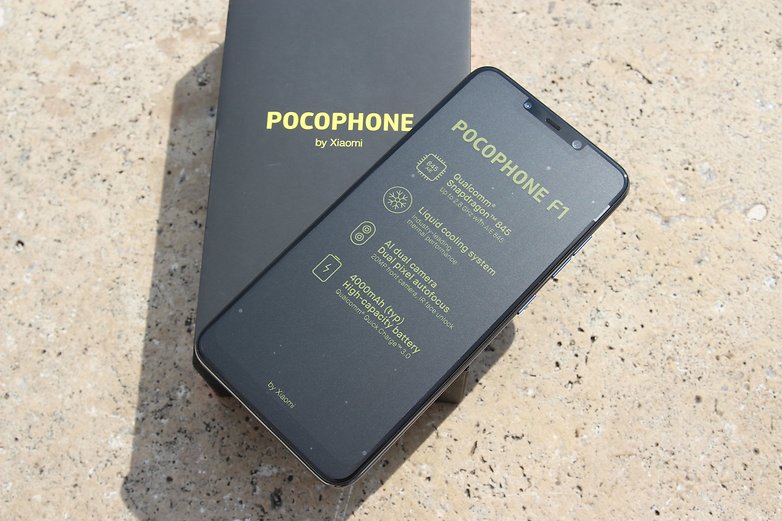
Before we get started, let's take a quick look at the hardware that Xiaomi is bringing to the table here for around $300. There’s a Snapdragon 845 in the Pocophone, currently the most powerful chip on the market. Both models, the 6 GB or the 8 GB of RAM versions, offer plenty of multi-tasking memory. The fact that Xiaomi has opted for a display without a 2K resolution is an advantage in terms of performance because the GPU then has to make a little less effort.
Apps start racing quickly
Slow smartphones, which most users have experienced at one time or another, is one of the most frustrating parts of everyday usage. The most important thing here is the speed at which apps are launched, as well as how well they can multitask. In all these disciplines, there is hardly a smartphone that can hold a candle to the Pocophone F1 in terms of performance. The animations and apps just slide under the fingertips, so it's a real pleasure to operate the smartphone. And it doesn't matter how many apps are running simultaneously, the Xiaomi smartphone just won't slow down.
What's good enough for normal use isn’t always when it comes to gaming. But with the Pocophone F1 it is. Games run without any problems. From PUBG to Dungeon Hunter to Asphalt 9, the Xiaomi smartphone is so fast for games that it's a joy to play. What’s remarkable is that the Pocophone doesn't even get too hot when gaming for long periods. There are many smartphones that warm up much more. This suggests that the cooling system works well and that the performance stays optimum for a long time.
The OnePlus 6 is even faster
In the benchmarks, the performance of the Pocophone F1 can be compared with the competition. Although the OnePlus 6 has the same processor as the Xiaomi smartphone and also no 2K display on the front, the tests yield slightly better results - an indication that the software slows down more with Xiaomi than with OnePlus. The Honor 10, which is available at a similar price to the Pocophone F1, has a hard time keeping up.
Xiaomi Pocophone F1 benchmark results
| Xiaomi Pocophone F1 | OnePlus 6 | Honor 10 | |
|---|---|---|---|
| 3DMark Sling Shot Extreme | 3335 points | 4073 points | 2526 points |
| 3DMark Sling Shot Vulkan | 2717 points | 3275 points | 2845 points |
| 3DMark Sling Shot | 3987 points | 5583 points | 3179 points |
| 3DMark Ice Storm Unlimited | 53899 points | 62113 points | 30954 points |
| Geekbench 4 Single / Multi Core | 2467 / 9085 points | 2448 / 8970 points | 1897 / 6441 points |
| Passmark Memory | 12112 points | 12465 points | 13798 points |
| Passmark Disk | 65178 points | 73927 points | 62015 points |
All in all, the Xiaomi smartphone doesn't need to hide its performance, on the contrary. The Pocophone F1 is in the absolute luxury class here, and masters every task in the blink of an eye. In terms of everyday performance, it's faster than the top models from Huawei, Sony or Samsung - and remember, this thing costs a fraction of the price of those.
When do you need the power of your smartphone most? Do you struggle with speed issues?













Pocophone F1
Lookwise it is top quality. Though the back panel is plastic it does not look plastic with the shiny finish.
Remarkable monitor with distinction in hues. There is an choice to adjust the contrast also. Observing Hd movies and Hd pictures provides a wonderful truly feel. One particular issue I failed to like is the text hidden or info concealed the notch. When I variety anything on complete screen method I m not able to see what is driving the notch. I personally am not a fan of notch so, I had to change that off.
best offer here : woocarts (dot) com/product/xiaomi-pocophone-f1-dual-sim-6gb-ram-64gb-lte
But have to be sure about the bands it supports, is good for me in San Antonio TX, Poco believe or if I remember support more than the Mi A1 or A2, which the latter 2 do not support ATT band 17 but I still get 4g due to other band support ..do your homework... The Poco is fully compatible for here in SA TX.
I already ordered a Poco F1 for my wife, for Christmas. So many reviews about how this phone beats other more expensive phones, will not be in stock when that time comes around, ordered early before stock has issues due to Christmas gifts. I had the Mi A1 (loved it) now have the Mi A2...love it even more, right size, not a fan of note type phones. did my homework on the Poco, she loves her Samsung Note 5 ...which is still good for a 2-3 year old phone...and still fast...but not paying the $1,000+ for a new Samsung Note....that is absurd, love the $312 price I paid for the global version from the official Xiaomi online store. She will love it.
No, it indicates OnePlus cheats more in the benchmarks