Samsung Galaxy S9 vs Galaxy S8: Almost twins
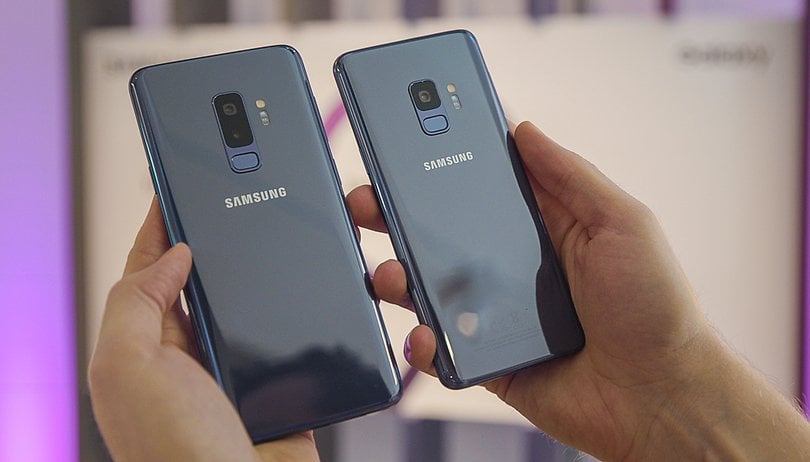

The Samsung Galaxy S8 sold well and received great reviews. Then, its successor, the Galaxy S9, arrived on the market. But how do the two Galaxy phones compare? Is the upgrade to the S9 worthwhile for those who own the S8? Here is our comparison.
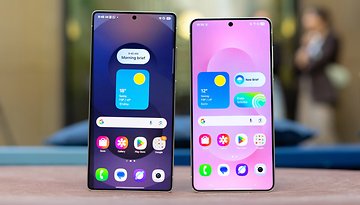
First of all, the design: The Galaxy S9 and the S8 are like two peas in a pod, at least appearance-wise. There is a new purple color for the S9, but the rest of the design is almost identical. Dimensions, display size, curved edges, weight; there are hardly any differences.
However, Samsung has been working on questionable biometric unlocking methods: iris and face recognition that can be combined to work faster and more reliably. If you have twisted your finger on the Galaxy S8 in an attempt to unlock your smartphone, you'll be pleased to know that with the Galaxy S9, the sensor sits underneath the camera and it's much easier to reach.
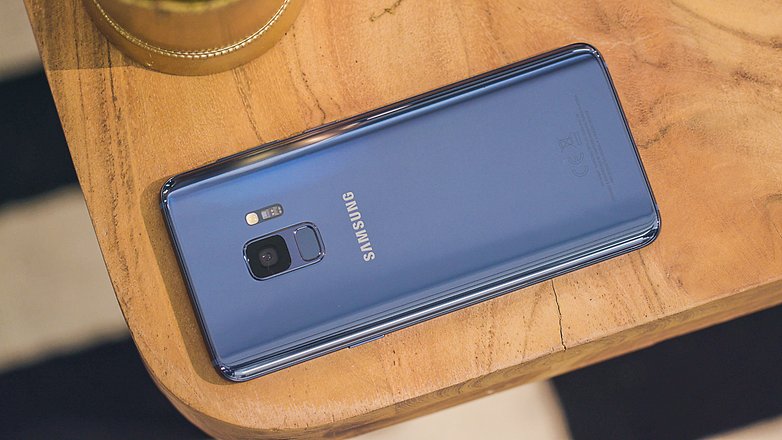
Speaking of cameras: Unlike the Plus model, the standard Galaxy S9 does not have a dual camera. The resolution is the same compared to the Galaxy S8, but with the new image sensor and the variable aperture, which alternates between f/2.4 and f/1.5, the low light performance is supposed to improve. The Galaxy S9 records 4K videos at 60 fps, the S8 only at 30 fps.
Super slow motion also enters the Galaxy family with the S9, but only with 720p. Especially for video enthusiasts, there are some exciting new features in the Galaxy S9, but the S8's camera still keeps up.
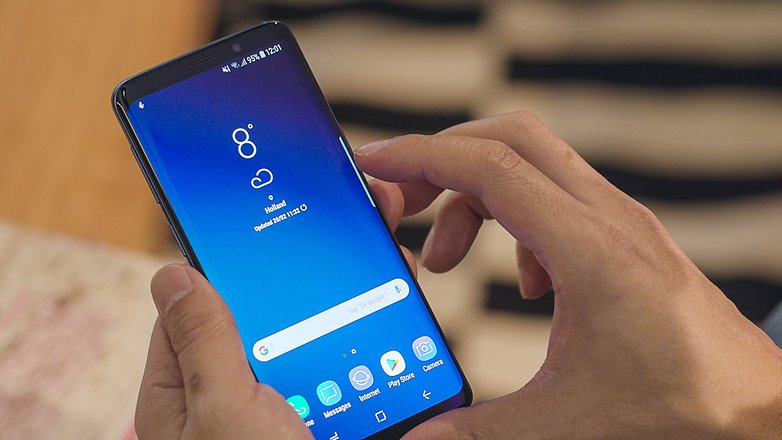
On paper, there isn't much to differentiate them
Looking at the key specifications, it quickly becomes clear that there aren't many differences between the two Galaxy smartphones in terms of performance. The Snapdragon 845 is, at least on paper, only slightly faster than the 835 from the year before, leaving both Samsung phones with 4GB of RAM.
Neither the battery nor the screen is different, so the battery life is similarly good.
Samsung Galaxy S9 vs. Galaxy S8: Technical comparison
| Galaxy S9 | Galaxy S8 | |
|---|---|---|
| Processor | Snapdragon 845, 10 Nanometer | Snapdragon 835, 10 Nanometer |
| Display | 5.8-inch Super-AMOLED, QuadHD+, 18,5:9 |
5.8-inch Super-AMOLED, QuadHD+, 18,5:9 |
| Camera | Rear: 12 MP, OIS, f/1.5 - f/2.4 |
Rear: 12 MP, OIS, f/1.7 Front: 8 MP, f/1.7 |
| Storage | 4 GB RAM, 64 / 256 GB storage, expandable via microSD |
4 GB RAM, 64 GB storage, expandable via microSD |
| Battery | 3,000 mAh | 3,000 mAh |
| Software | Android 9 Pie | Android 9 Pie |
Many of the updates in the Galaxy S9 are more about software than hardware. In particular, Bixby Vision was further developed and integrated into the system.
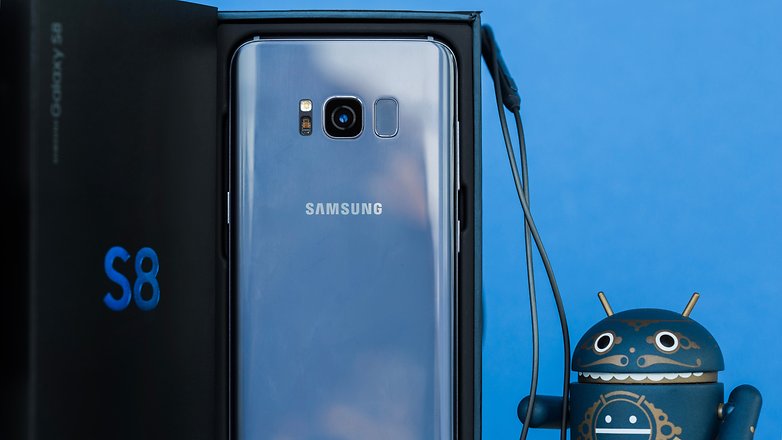
Is it worth upgrading to the Galaxy S9?
It doesn't look like there are many reasons to invest in the Galaxy S9 if you already own an S8. Clearly, the fingerprint sensor is more convenient to reach, unlocking via face and iris recognition is slightly faster, and the camera may be a little better in low-light. But let's face it, this is not enough motivation to splash the extra cash to upgrade from the S8 to the S9.
What do you think? Will you be making the upgrade from S8 to S9? Or perhaps go straight to the S10?









i have budget for this
love it
Samsung smartphones have too much bloatware and duplicate apps. Updates are slow and Exynos chip has poor gaming, camera and audio performance. Screen is not properly calibrated, battery drains fast and Selfi cameras are bad. Charging is slower compared to the competition and in display fingerprint sensor is unreliable. Camera performance in lowlight is bad and video bit rate is low compared to iPhone. Only two major Android version updates and poor resale value.
Personally, I would upgrade to S9 from S8. I like the S9's stereo speakers and the fact that it supports TMO's band 71 (600Mhz).
With the reduced pricing both are very good choices. You can't go wrong with either. Those displays alone are worth their weight!
In the process of upgrading now - with £200 off for trade in of S7 it makes sense.
Peace ?