Sorry, but there's really nothing to see here right now. Our server is in maintenance mode – and our
little bot is trying to sort the error messages with its last bit of energy.
Whether it was a data leak, a power outage in the cluster, or just a grumpy bit – we don't know yet.
But what we do know is:
The data drama escalated into a server meltdown. But don't worry: We're on it.
What now?
Everything is surely running smoothly over at our colleagues from inside
digital – why not stop by!
Or you could pass the time by visiting our social media channels – for example Instagram, YouTube or TikTok. At least there are no
server problems there – promised.
Thanks for your patience. Our bot is already rebooting at full speed. 🔧
ReviewsMotorola Droid Turbo 2 review: the notcracker
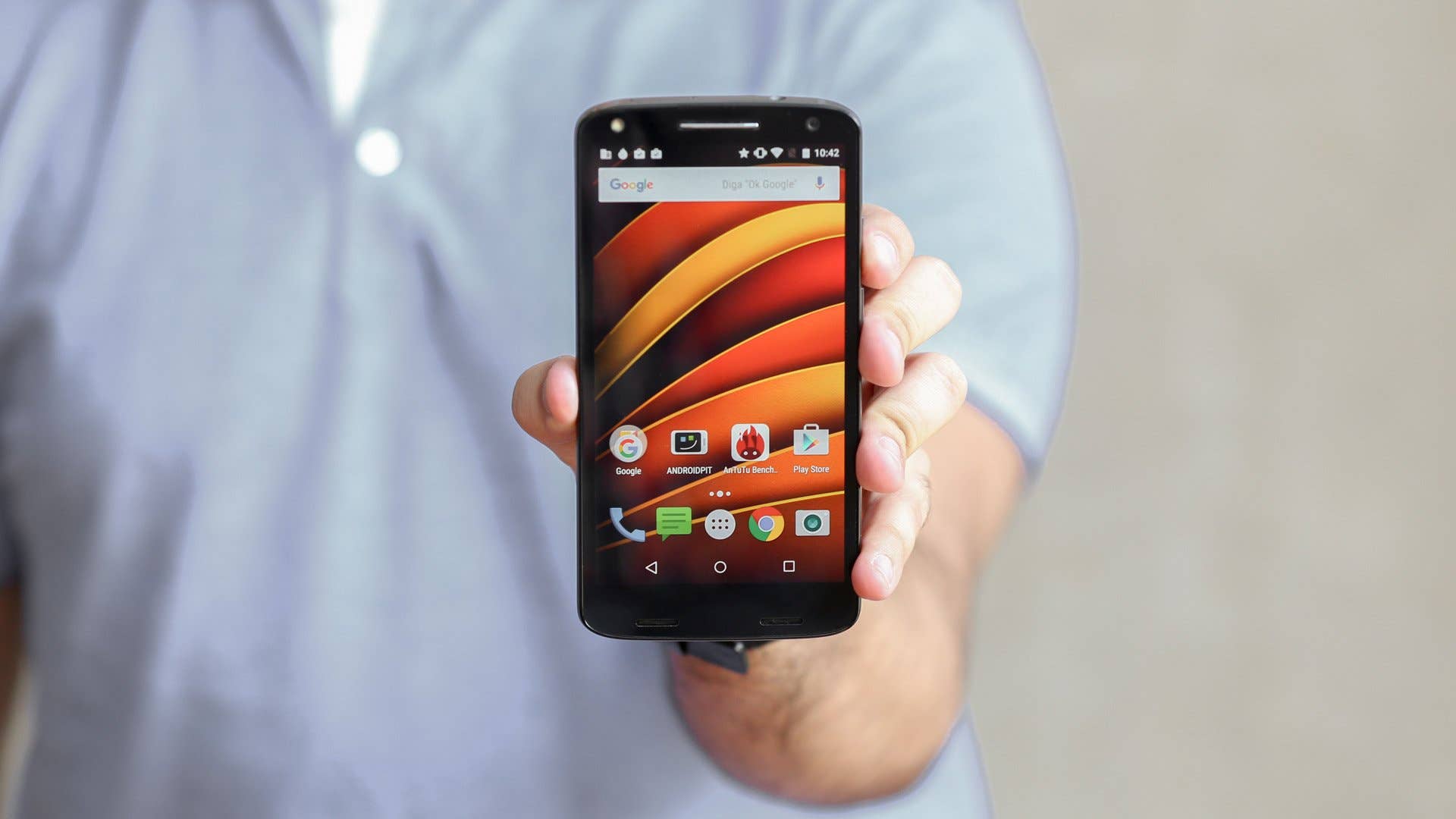
There’s a new member in Motorola’s 2015 flagship lineup: the Droid Turbo 2. It extends the feature set of the Moto X Pure Edition with a bigger battery, faster processor and an “unbreakable” screen. The Droid 2 eschews Motorola’s tradition of high-end but affordable phones, however, so is it worth the cost? Find out in our full Motorola Droid Turbo 2 review.
The Droid Turbo 2, called the Moto X Force outside the United States, was revealed on October 27 in partnership with Verizon. Its official release date was October 29 and it costs US$624 (US$26/month for 24 months) for the 32 GB version, or US$720 (US$30/month for 24 months) for the 64 GB model. You can buy it from Motorola website now, as well as from the big retailers. The Droid Turbo 2 comes with a four-year warranty against screen breakage .
The Moto Maker customization service is available free to all Droid Turbo 2 customers, and allows you to change the rear panel to one of the following options: ballistic nylon, synthetic leather or silicone. You can also customize the colors, buttons and camera bezel at no extra cost.
Motorola Droid Turbo 2 design and build quality
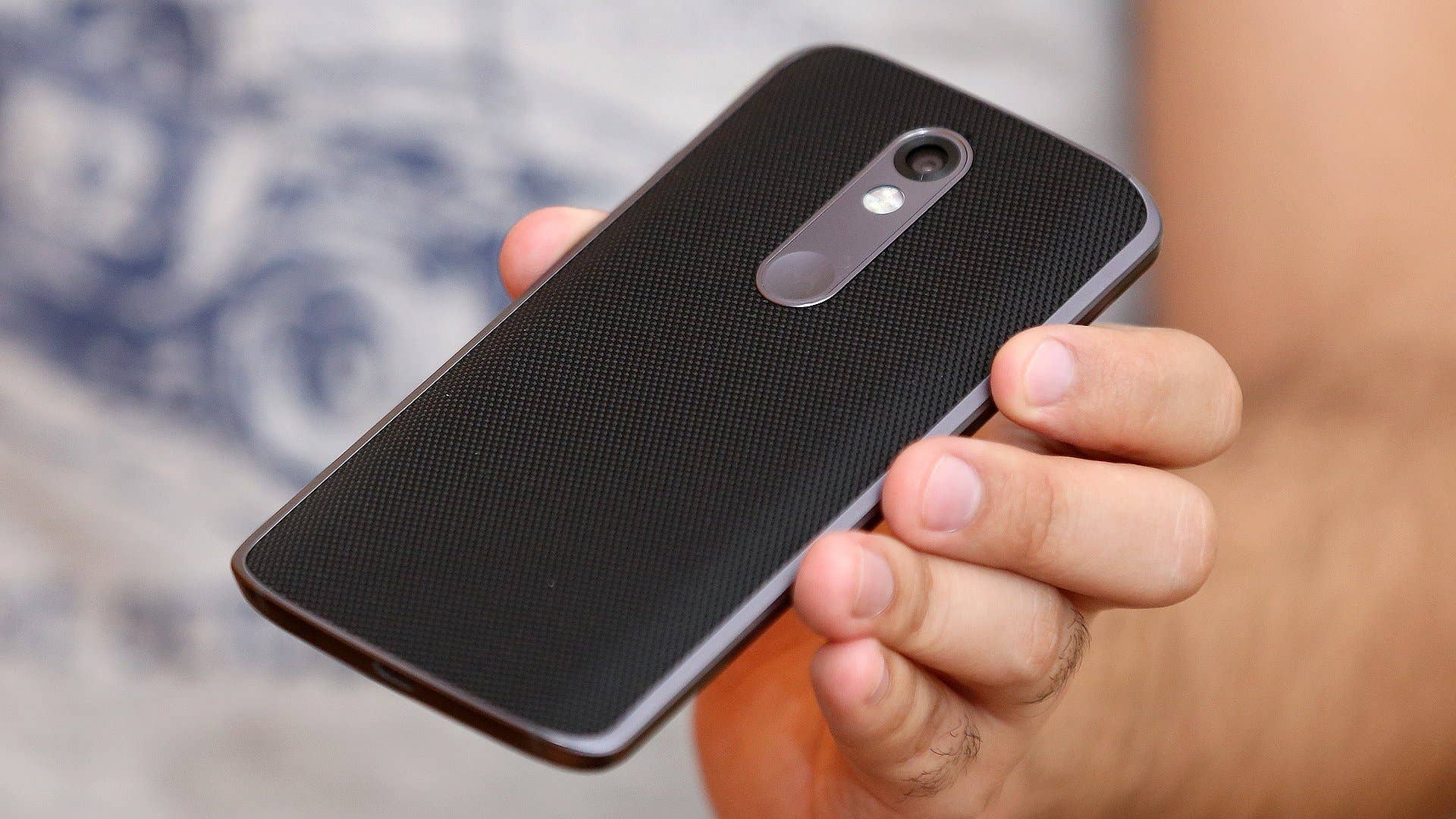
The Droid Turbo 2 design is a mixture of the Moto X Play and Moto X Pure Edition. It’s more reminiscent of the Pure than the Play, but has a new texture on the back. Motorola went all-out with the materials used in the construction of this device; there is virtually no sign of plastic, or anything other than glass and aluminum.
The unit we tested had the ballistic nylon back. The finish was similar to the Moto Maxx, only it seemed less prone to wear. Instead of a curved back, Motorola chose a flat surface that only curved towards the sides, which makes the device ergonomic, but not as comfortable in the hand as other Motorola phones, such as the Moto X Pure Edition.
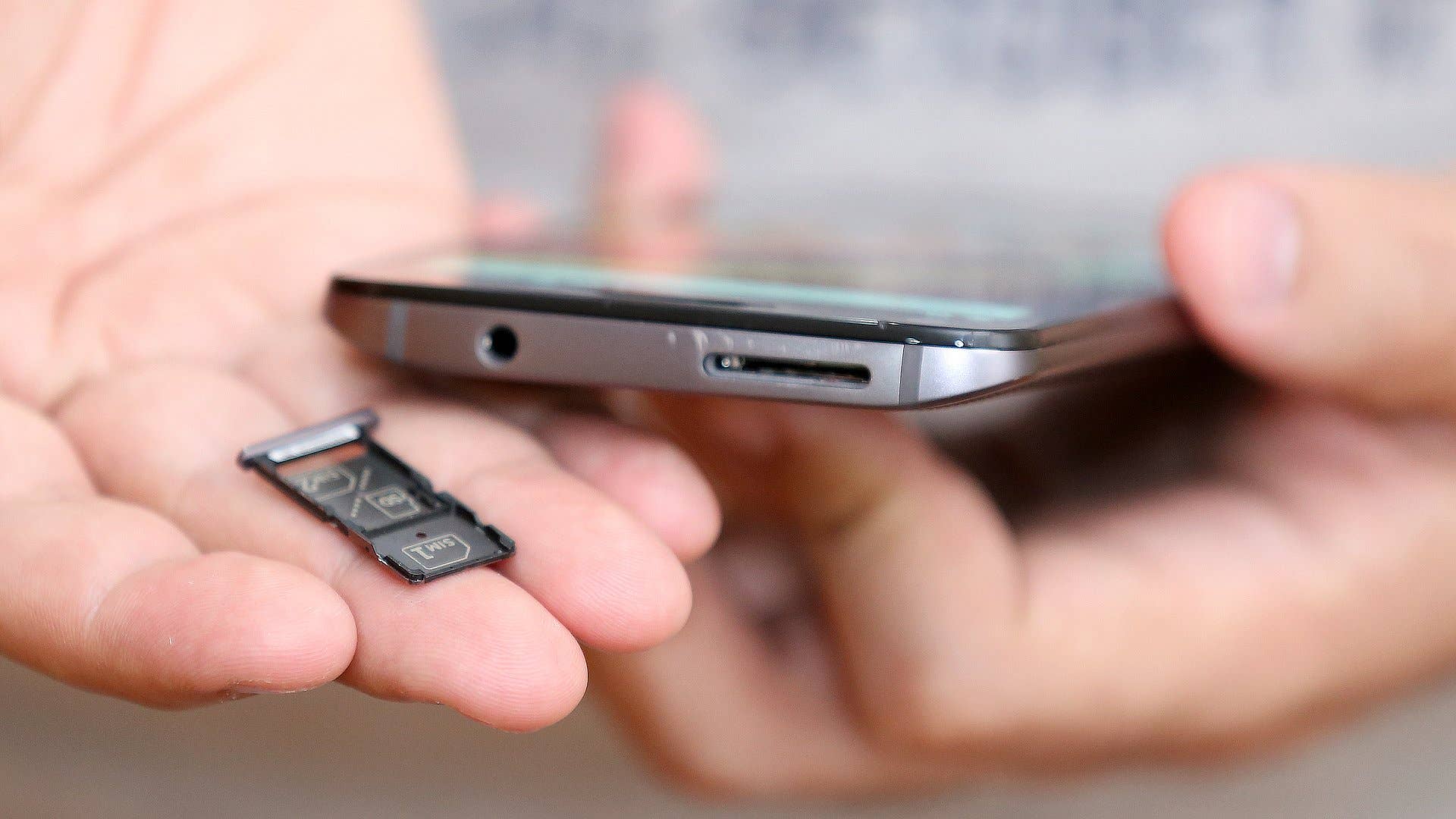
Another point that caught my attention was the new position of the SIM card tray, which is now at the top of the device and no longer the side. This will please owners of last year’s Droid Turbo; the previous model’s SIM slot was buried between the volume buttons. The Droid Turbo 2 also offers a hybrid slot for nano SIM and microSD cards.
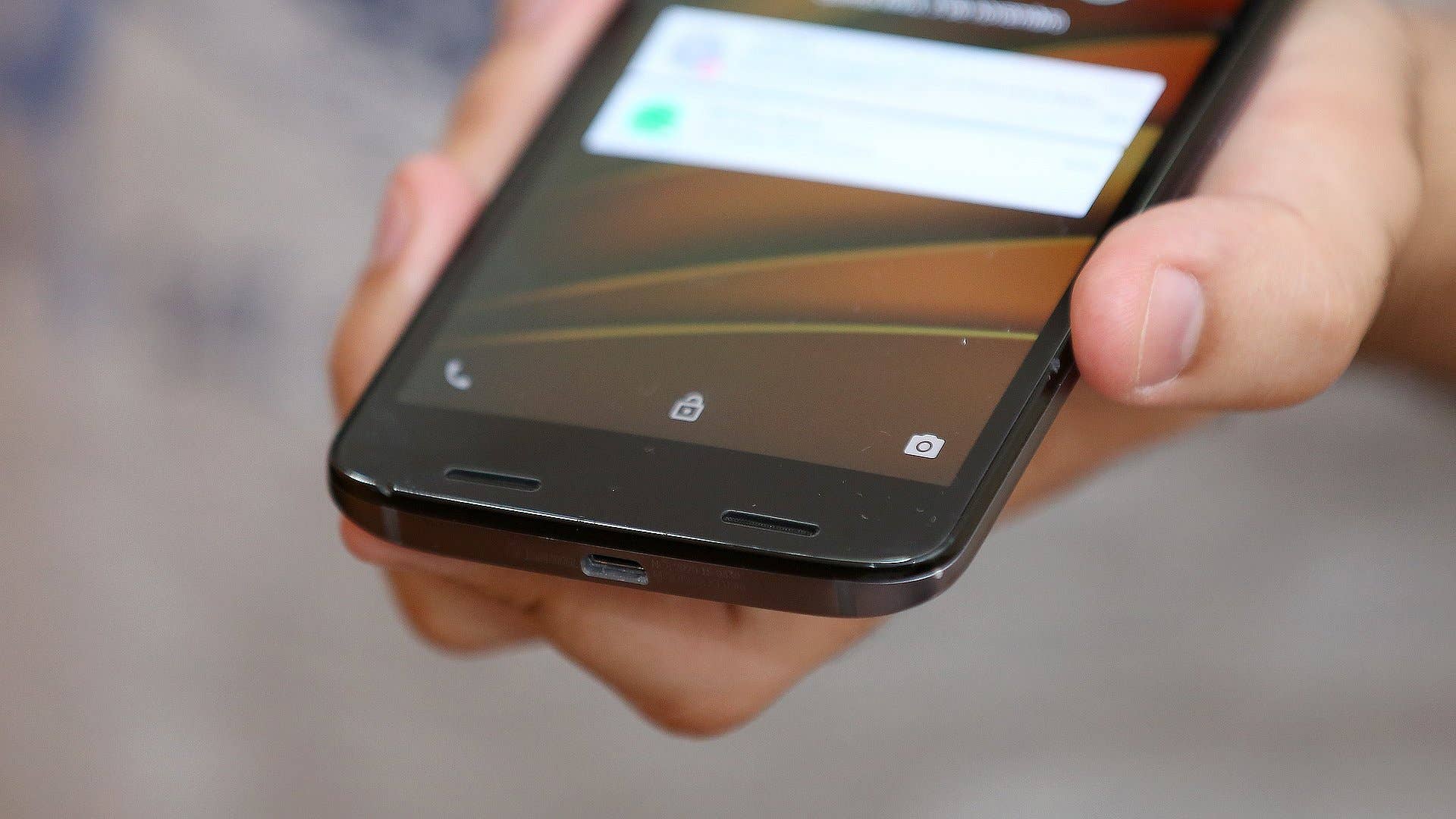
On the front of the device, there’s a prominent upper speaker (equal in size to the one on the Moto X Pure), and a lower speaker that’s broken into two sections. The interrupts the elegance of device’s design, especially on the white model where it stands out more. It’s also worth mentioning that the lower left port doesn’t emit any sound, it’s just there for the sake of symmetry.
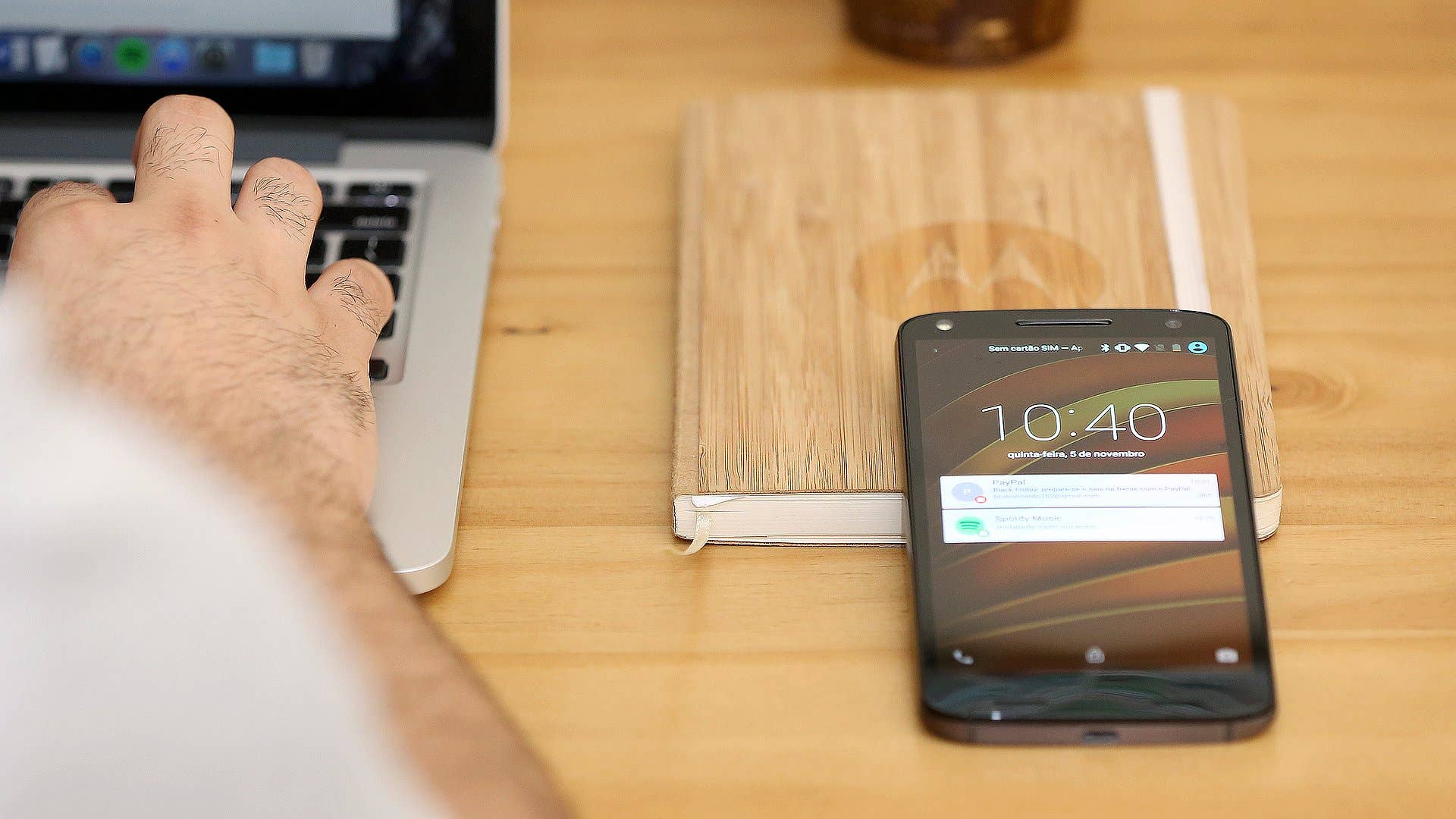
At the top there’s LED flash with warm tones, just like on the Moto X Pure Edition, and, just to the right, proximity sensors and a notification LED. The proximity sensors work in conjunction with Motorola’s software to provide ambient notifications on the display.
Overall, the look of the Droid Turbo 2 follows the design standards used in other Motorola devices and I personally find this phone quite elegant. Its back is beautiful, although its front does look slightly awkward, due to those lower speakers.
Motorola hasn’t followed the current trend for fingerprint sensors, and has instead put its effort into developing a new type of screen technology that we haven’t seen in smartphones before. Following on from the silicone coating on the Moto X Pure, which protected the device against discoloration, and the IPX7 certification of the Moto G (2015), comes the Droid Turbo 2, a phone with an “unbreakable screen”.
Motorola did a great job of building the new 5.4-inch panel with AMOLED technology and a 2K resolution (1,440 x 2,560 pixels, 544 ppi). The screen has five layers to reinforce the structure and resist routine impacts. Motorola calls this ‘ShatterShield’ technology. It includes an aluminum chassis, a flexible P-OLED panel, and a dual-touch layer covered by two lenses (one internal and one external). But how does it work? Let us explain.
First: The external lens has a special coating that’s resistant to scratches and scrapes. This lens replaces Gorilla Glass and can be seen on the surface of the phone.
Second: Underneath this lens is an integrated internal layer that’s designed to be more flexible than ordinary glass. It doesn’t affect color reproduction or sharpness, as it has been designed to maintain the clarity and fidelity of what’s displayed on the device.
Third: Unlike other devices, the touch panel is not near the surface of the display but is actually the third layer down. The dual-touch layer is protected by the first two layers to ensure a more sturdy device.
Fourth: Next comes the flexible screen, the flexible P-OLED panel. The letter ‘P’ means ‘plastic’. This layer ensures that the other panels are capable of absorbing shocks.
Fifth: To ensure greater durability, Motorola developed a rigid aluminum chassis. This layer also serves to protect the device’s internal components in the event of a drop. Without this part, impacts could destroy components that are connected to or near the screen.
To my surprise, the Droid Turbo 2 came out unscathed after a series of drops. There are concerns about the sensitivity of the touch panel, since the touch layer is not attached to the P-OLED panel, as it is in other devices that use AMOLED technology. However, I can say that the touch sensitivity on the screen is excellent, and that there are no delays, even with the anti-scratch film applied on the screen.
When this phone hits the ground, the top lens (first layer) can flex without breaking the screen or damaging the other four inner layers. This layer, plus the second, are covered by Motorola’s four-year warranty. Here’s an important note: the guarantee only covers the first and second layers of the Moto ShatterShield. The P-OLED screen, dual-touch panel and chassis are not covered because they are ordinary layers and not designed to be resistant to falls.
The phone’s structure has not received any special reinforcement, that is, the leather can wear and fray or nylon can stain over time. The aluminum frame could also be prone to scratches, breaks or bending, so handle the Droid Turbo 2 with the same care you would your current device, but relax in the knowledge that an accidental drop won’t be as disastrous.
The display’s sharpness and viewing angles are excellent, as is the balance of contrast and brightness. The brightness is intense and helps outdoor readability.
Like the Moto X Pure, the Droid Turbo 2 has internal nano-coating technology that makes it resistant to water splashes. This technology protects the Droid Turbo 2 from accidental water spills, or splashes of rain, but will not pretect it from full submersion or exposure to sweet, salty, hot or cold water.
Moto app
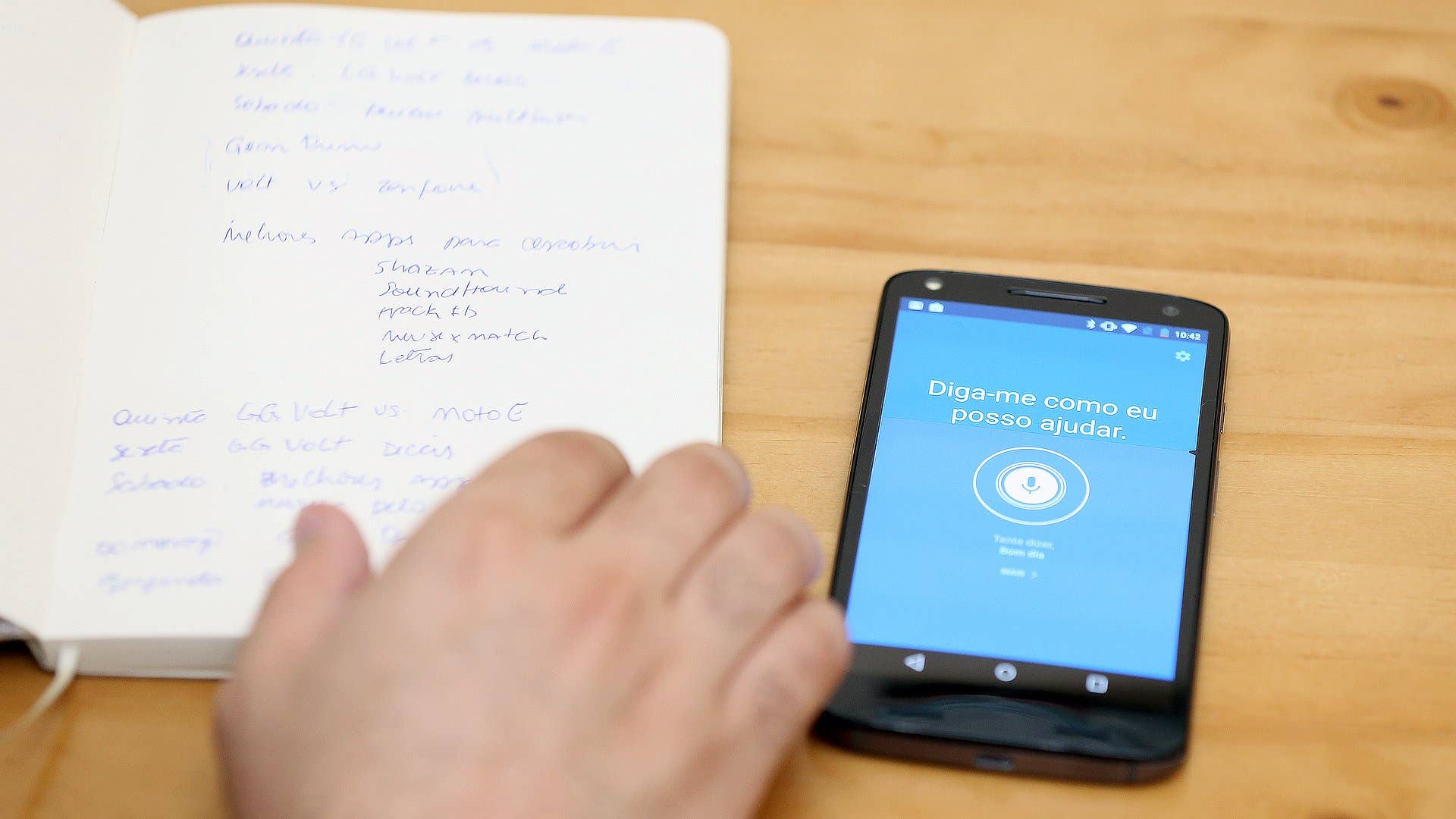
As a member of the Moto X family, the Droid Turbo 2 has the same voice commands and gestures as the rest of the series. The Moto app is factory installed in the Droid Turbo 2 and has the same features as it does in the Moto X Pure. During my testing, the Motorola voice assistant proved to be sensitive and responsive to activation commands, regardless of the ambient noise that was present, and all Moto application functions worked well.
The Moto screen offers a range of features, including the ability to check notifications by passing your hand over the device, without the need to unlock the screen.
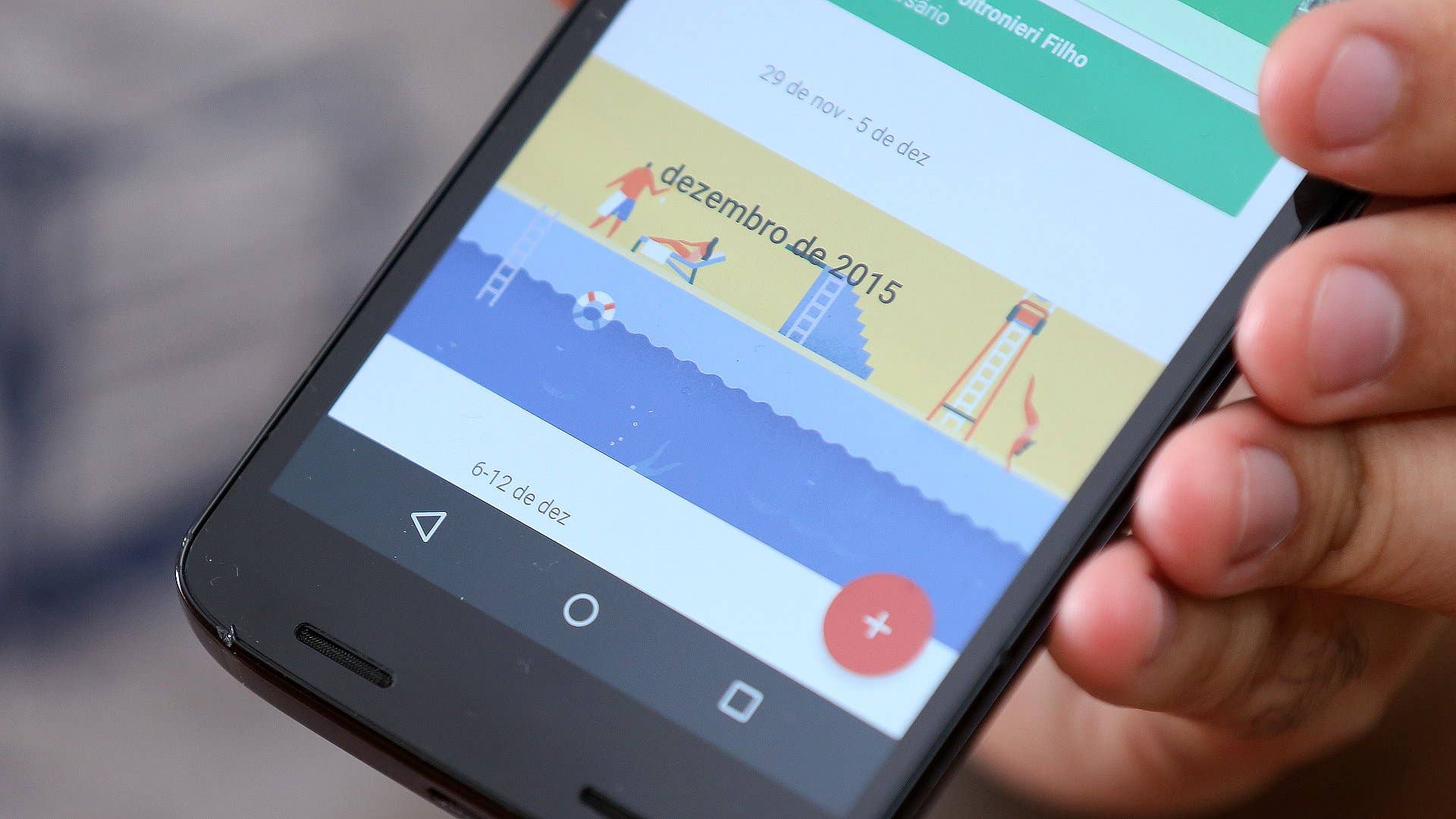
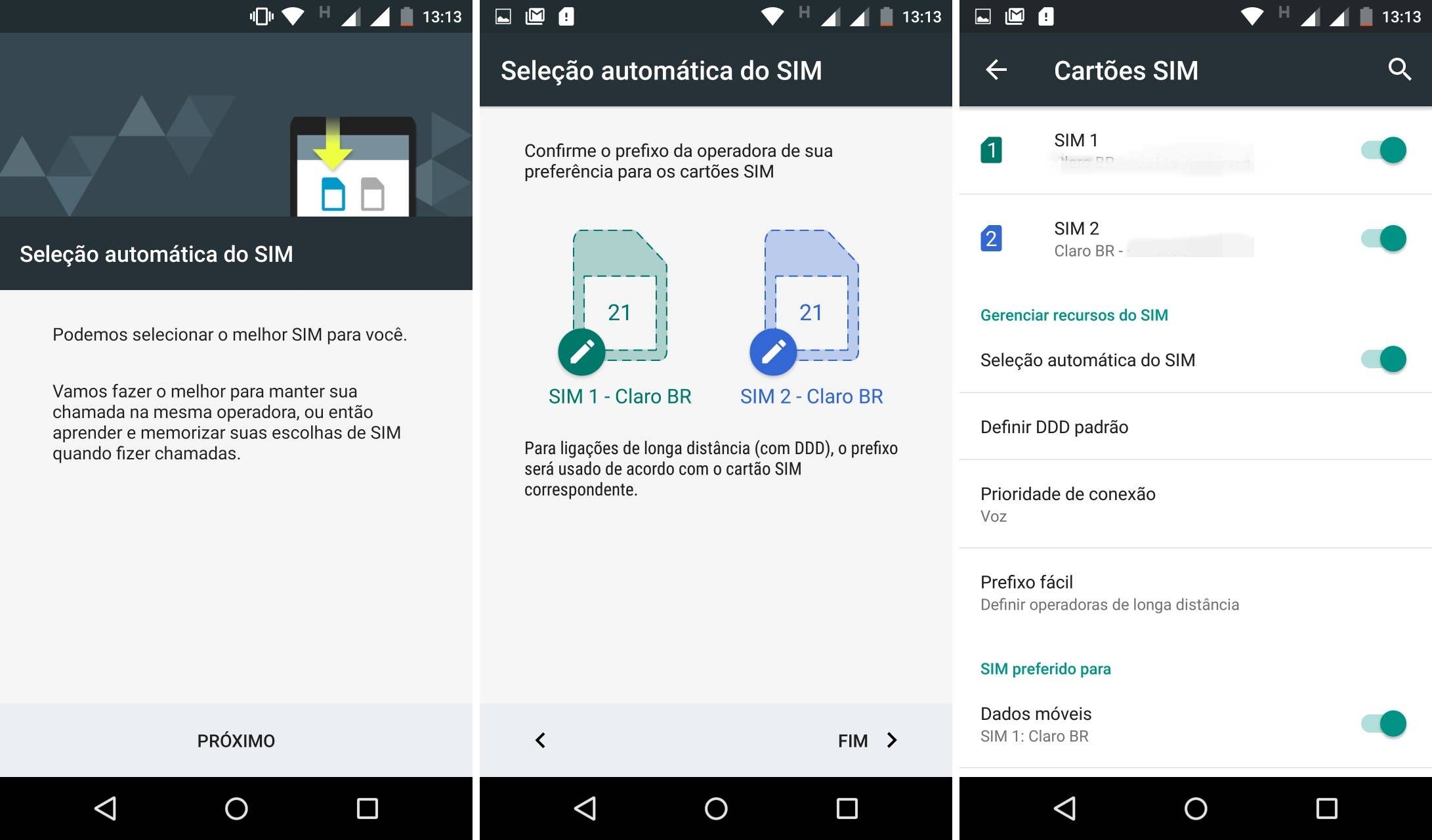
The Intelligent Dual-SIM software is designed for users with two SIM cards from different networks, and can recognize which one will give best internet connection or carrier signal at the present time. The software will switch between networks to find the best connection – it’s possible to set up an alert for network change, if you don’t want it to occur without you having given permission.
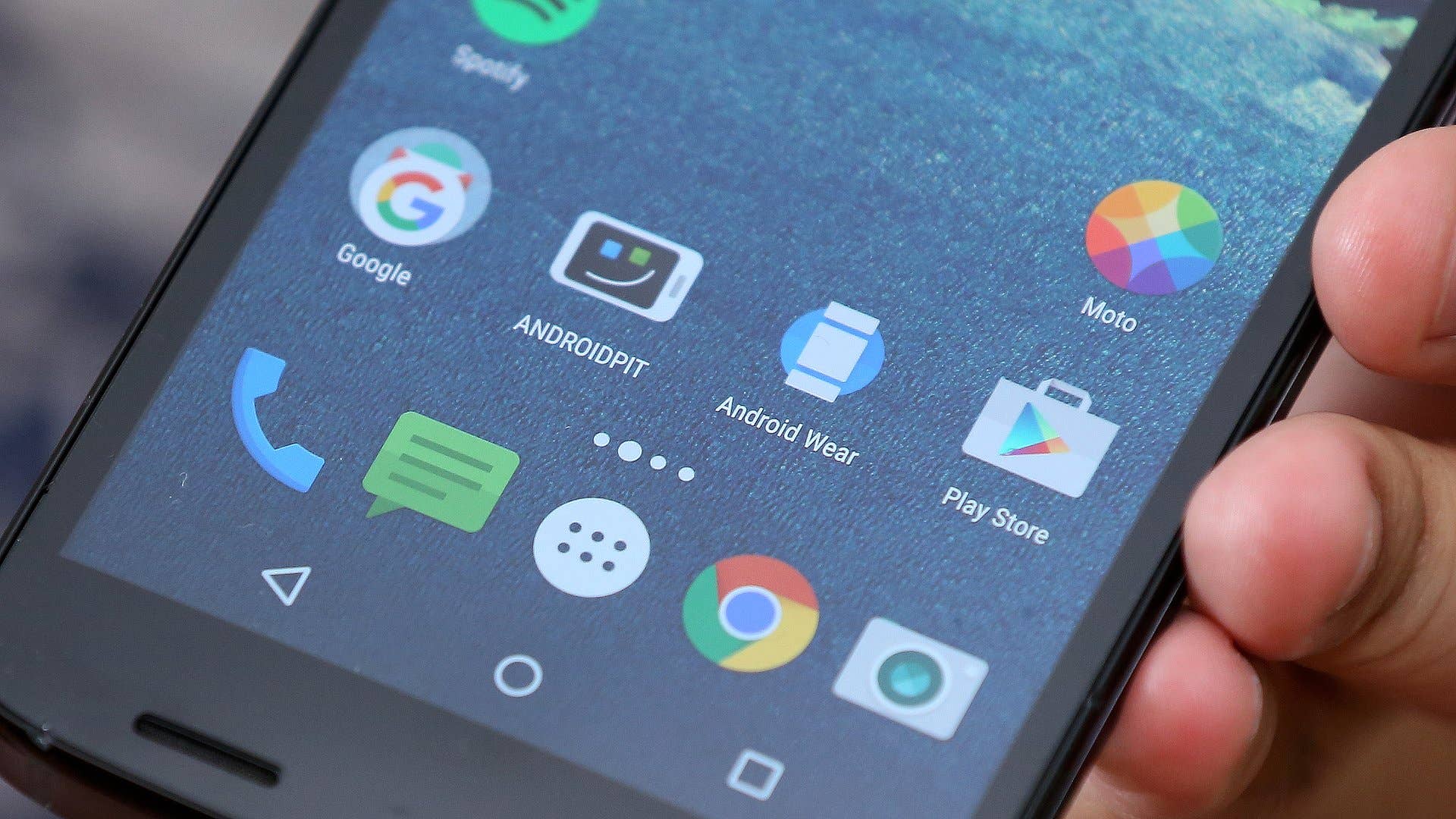
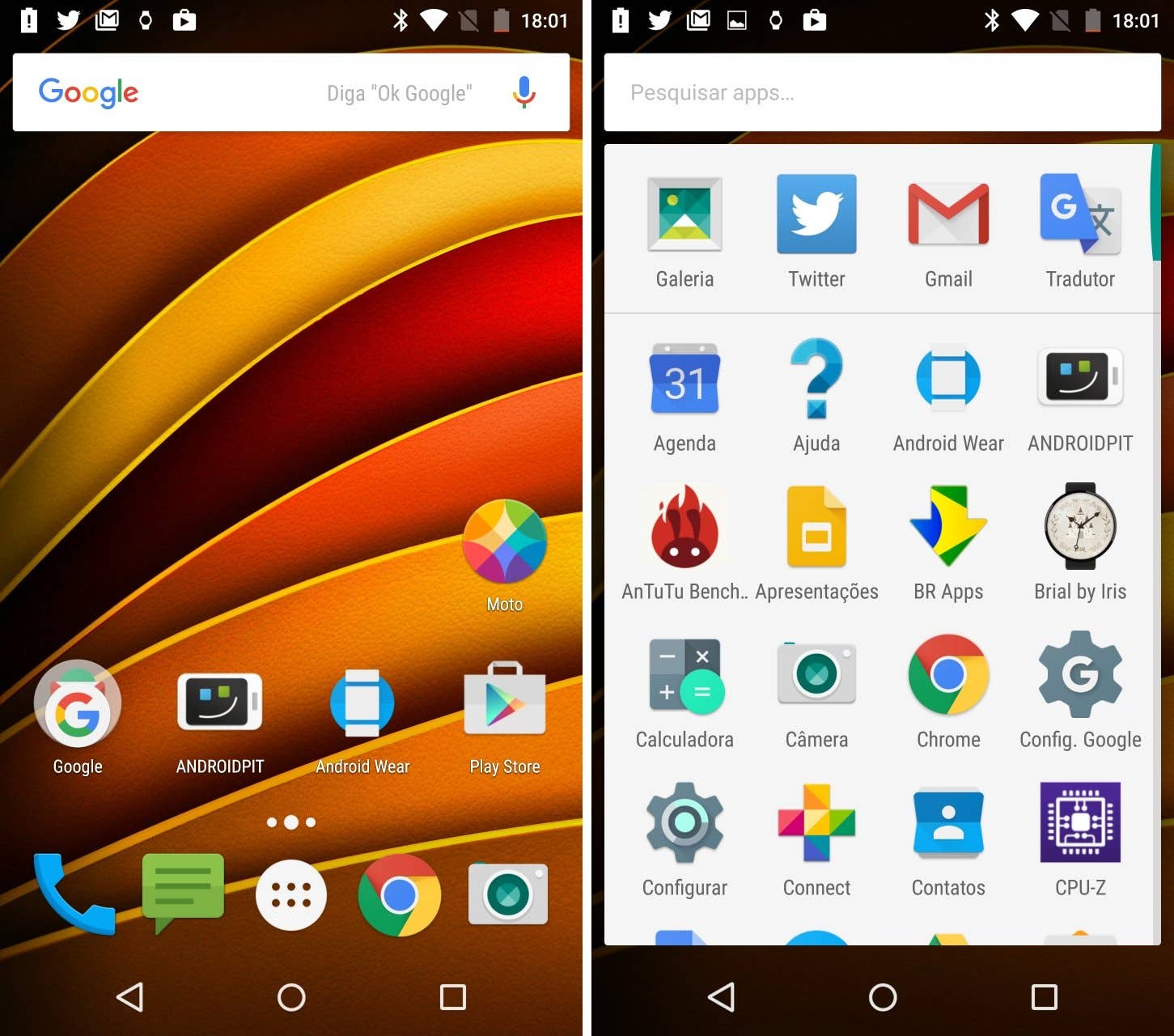
The Droid Turbo 2 leaves the factory with Android 5.1.1 Lollipop, but Motorola has confirmed that this device will receive the Android 6.0 Marshmallow update soon, but not exactly when. The software offers the familiar visual experience of the Google Now Launcher, plus the Android 6.0 app drawer and some stock wallpapers.
This phone has 36 native applications installed, four of them from Motorola, and the rest of them from Google. What you’re getting here is more or less the same as any other device in the Moto X series.
Motorola Droid Turbo 2 performance
The Droid Turbo 2 packs the Snapdragon 810 processor (MSM8994), running eight cores at a frequency of 2 GHz. Four of these cores are Cortex-A53 at 1.5 GHz and four are Cortex-A57 at 2.0 GHz. The GPU is the Adreno 430, which is capable of playing videos in 4K and running games with high levels of graphic detail without dropping frames. The phone comes in either 32 GB or 64 GB models and offers the possibility to expand its memory with microSD cards up to 2 TB.
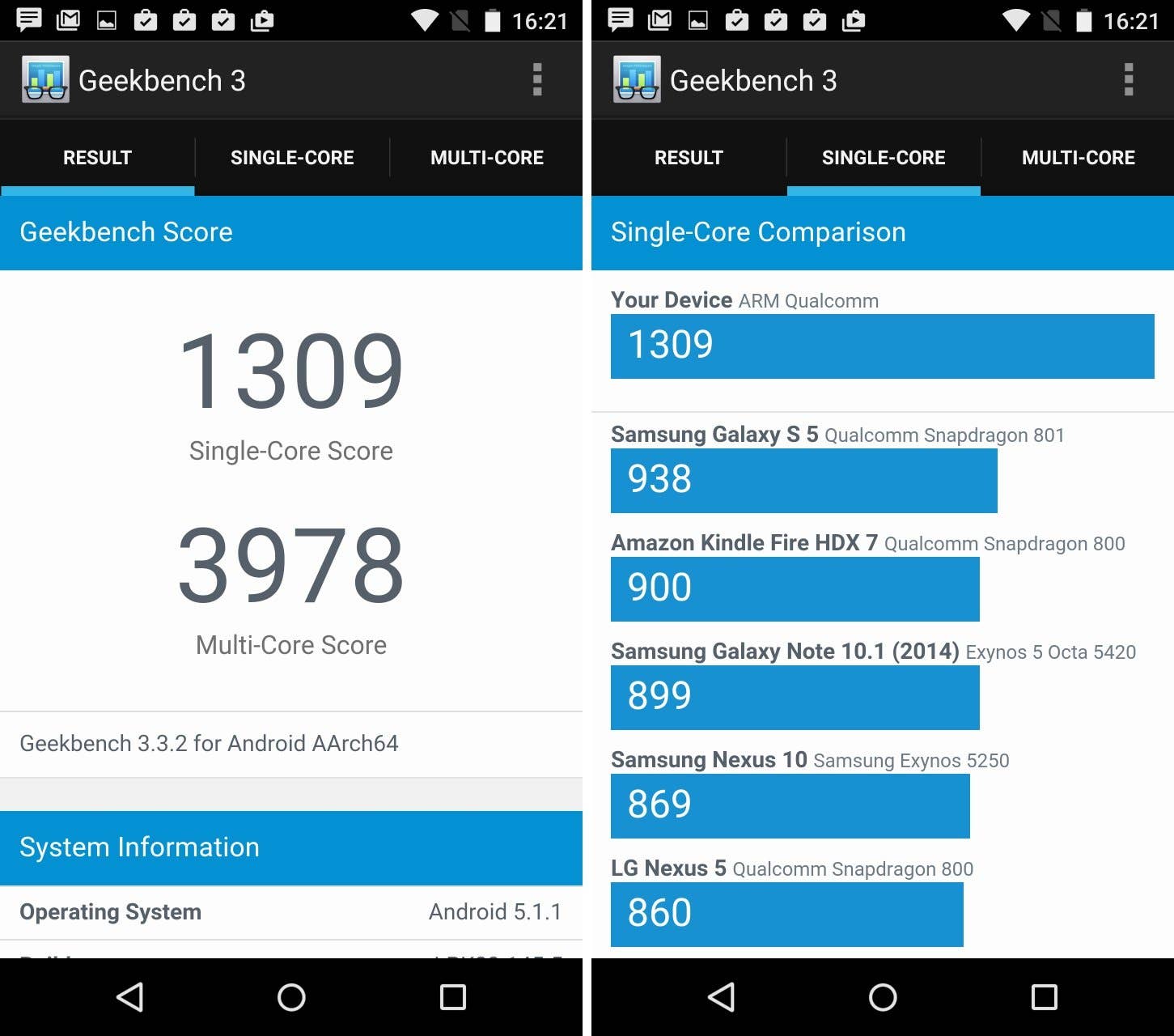
I didn’t experience any type of overheating while charging the device, using the camera or running graphically intensive games. Below you can see the results of some benchmark tests that were run on the Droid Turbo 2.
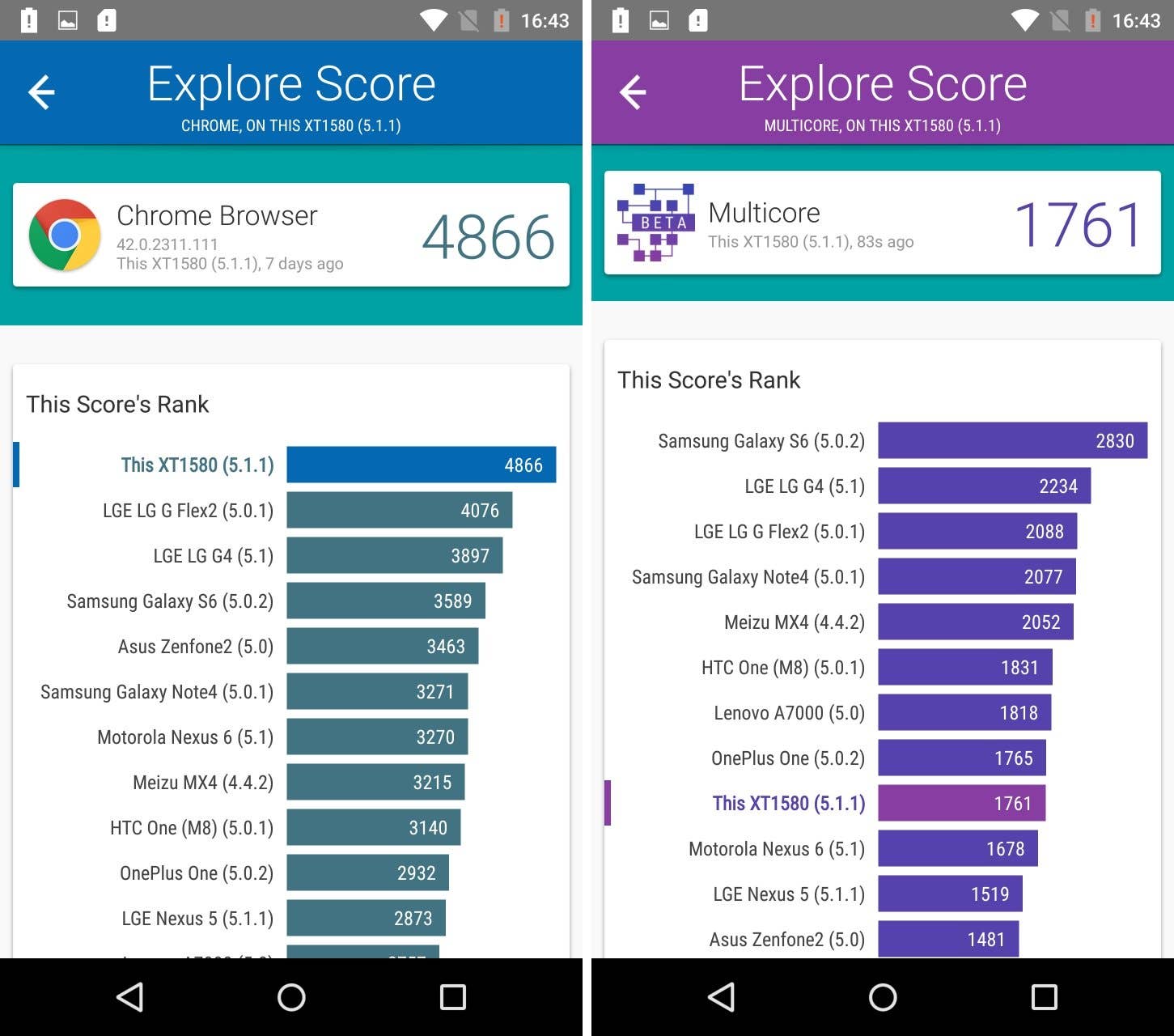
On Vellamo, which specifically evaluates the online performance of the device, the Droid Turbo 2 scored 4,866 points. On Geekbench 3, which evaluates processor and RAM performance separately, the device’s score was 1,309 for single-thread performance and 3,978 in multi-core performance.
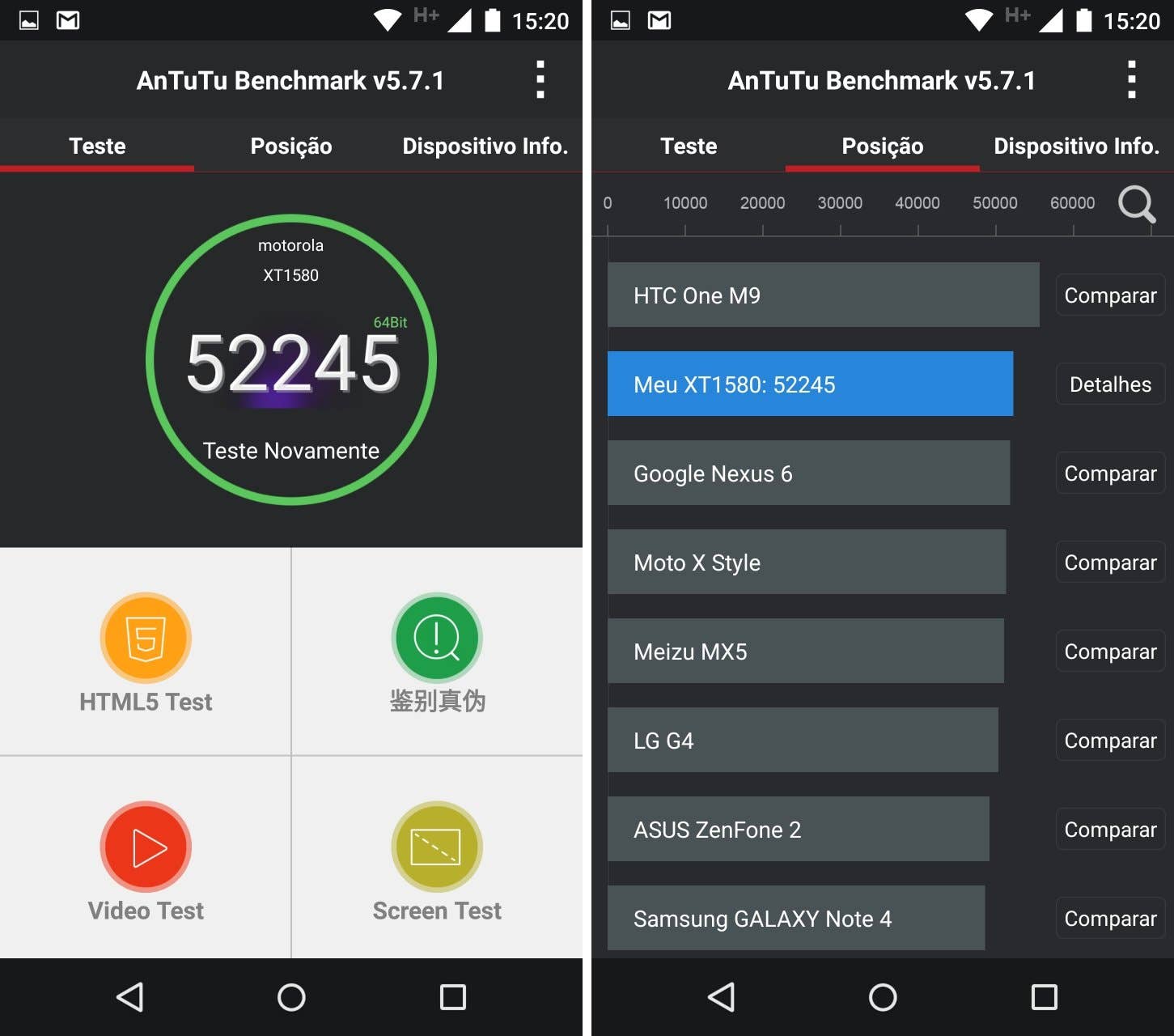
The Droid Turbo 2’s AnTuTu result was below average: 52,245 points, which is below devices with similar specs. The Xperia Z5, for example, scored 63,000 points in the same test. Check out the results below:
The Droid Turbo 2 audio falls short on several points. The bottom right speaker is monophonic, while the bottom left port serves no purpose other than to balance the device’s design. The sound produced by this mono output is clean, but lacks treble and bass. This is a common occurrence with Motorola’s speakers.
The top speaker plays its role during calls. The call volume is excellent, even when you’re using headphones or loudspeaker mode. It is worth mentioning that the Droid Turbo 2 has five active microphones dedicated to noise canceling.There’s some bad news for radio fans: the Droid Turbo 2 is not compatible with radio or TV broadcasting frequencies.
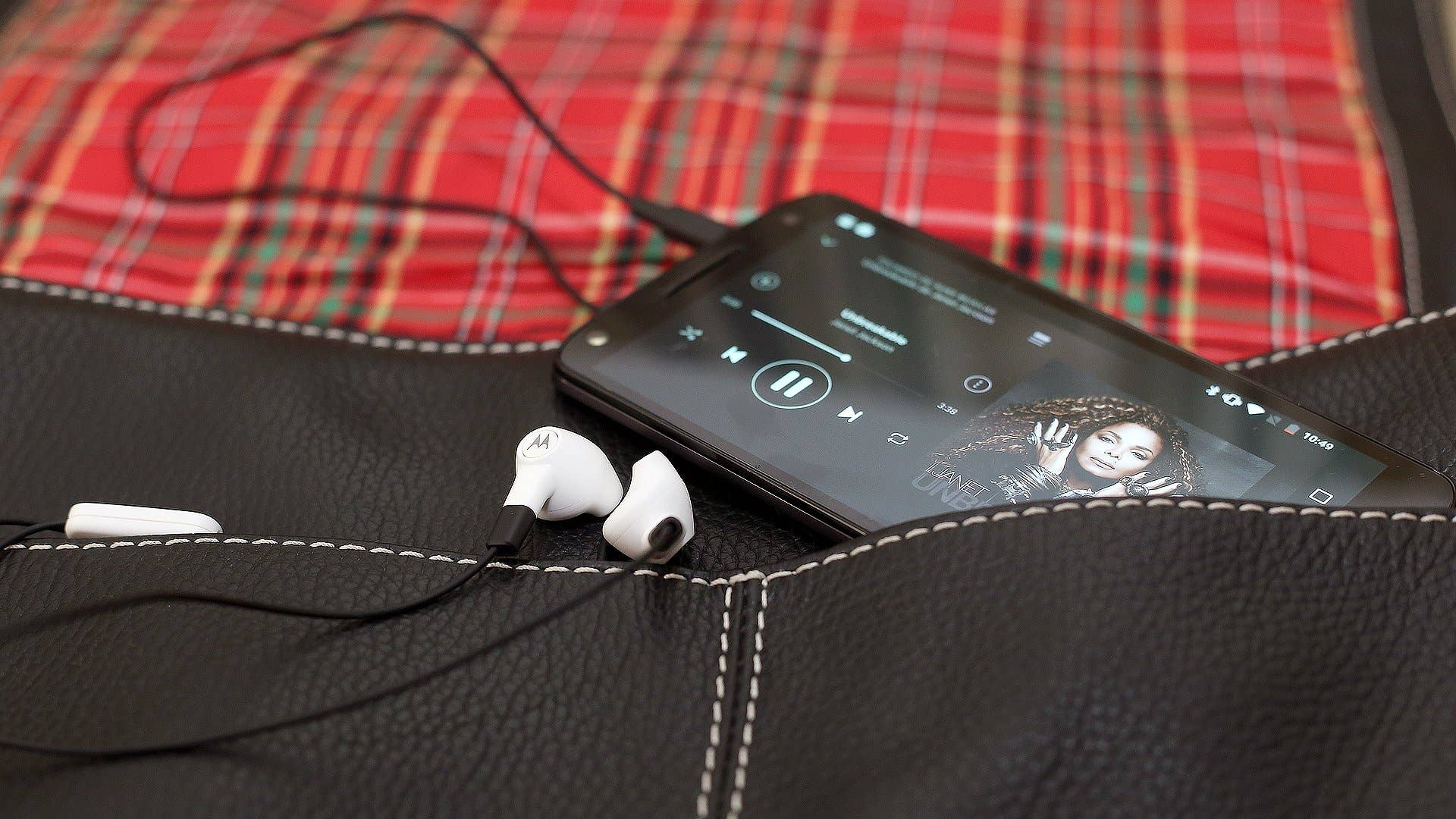
The Turbo 2’s earphones are the same ones that have come with every Moto X phone since the line was launched in 2013. The Droid Turbo 2’s audio output does sound better through headphones, and is improved further with the help of an equalizer, but it still lacks treble and bass.
Motorola Droid Turbo 2 camera
The Droid Turbo 2 rear camera has a 21 MP sensor with an f/2.0 aperture, paired with a dual-tone LED flash. Simple features have been confusingly renamed, such as ‘zero shutter’, which is nothing more than capturing images without camera software delays. ‘Zero delay’ would make more sense. The camera software offers interesting features such as Rapid Focus, HDR, panorama and location. The rear LED flash also has CCT color balancing technology.
The front camera has a 5 MP sensor and an LED that helps in darker environments. The shots it produces are practically the same as the Moto X Pure, so it’s great for selfies.
During my testing I noticed that the photos had exceptional clarity. The images of the main camera are really good, with a good level of detail and white balance, which is especially noticeable when viewing images back on a computer.
Motorola Droid Turbo 2 battery
The Droid Turbo 2 battery is one of this phone’s strengths. Motorola has used a 3,760 mAh battery, which it claims has enough power to last 36 hours with moderate use. It is 140 mAh smaller than the one in last year’s model though.
The device is compatible with turbo charging technology from Motorola (Turbo Power). Motorola offers the charger along with the phone. The Droid Turbo 2 also works with compatible wireless chargers.
The table below should give you an idea of the Droid Turbo 2’s battery life:
Moderate use
Time
Wi-Fi (Instagram, Chromecast, Netflix, push email and syncing enabled)
11 hours
4G (Instagram, Facebook, WhatsApp and disabled syncing)
16 hours
Wi-Fi (WhatsApp, Instagram and disabled syncing)
22 hours
The average time reported in our test will vary depending on the quality of internet connection (Wi-Fi / mobile), brightness level and number of installed applications. The test was performed with an active 4G connection, brightness between 15 and 43 percent and location disabled most of the time.
Motorola Droid Turbo 2 technical specifications
Final verdict
During 2015, we have seen only a few innovations among new Android devices. The Droid Turbo 2 may seem like a minimal upgrade compared with the Moto Maxx 2 or Moto X Pure Edition, but it’s far ahead of the competition when it comes to innovation. It doesn’t break when you drop it – and that’s something that we haven’t seen since the Nokia phones of yesteryear.
Three years of research and development went into Moto ShatterShield before it was ready for consumers. Motorola has broken new ground in the construction of the phone’s panels, and delivered all this technology in a relatively thin and light device. However, the trade-off of this is that it does make this phone a little expensive.
The Droid Turbo 2 has similar specs and the same software and camera experience to the US$399.99 Moto X Pure Edition. It brings together all the advantages of Motorola’s high-end phone, with the key additions of a longer battery life and a shatter-resistant display. If you’re not clumsy, however, consider another device instead of the Droid Turbo 2. I personally believe the the Moto X Pure offers a better cost-benefit ratio, but for some, an unbreakable screen will be invaluable.
So, what did you think of the Droid Turbo 2? Let us know in the comments.
Motorola Droid Turbo 2 – where to buy?
The suggested price for the Droid Turbo 2 is US$624 (US$26/month for 24 months) for the 32 GB version, or US$720 (US$30/month for 24 months) for the 64 GB model and is available on Motorola’s website. Here are the best deals for the Droid Turbo 2:
This is a solid state phone. Screen, solid. Battery, solid. And, the keyboard and everything down to the calculator as a very friendly design. The home, back, and open windows button are always exactly where I am looking for them. I have been most happy with the speed of the camera, and the image quality hits the mark for me.
The word snappy is how I would describe it. Everything opens immediately. The phone boots up very fast. I like it a lot.
I’ve been testing ways to get functions from the galaxy note 5 onto here. Screencapture is working well and easy enough to crop for a rapid share.
My stylus on the screen seems a little slow, with the writing coming out late. I use the adonit jot, and jot pro, which I do really like. At times, so far, I am not getting a consistent line.
It has easy access to a screen cast function, but I haven’t had success with my Microsoft wireless adapter on my monitor yet. Sometimes features like that work better a little later.
Overall, the phone is a decent leap on every front. For example, the wide angle selfie lense is fantastic. It has a flash too. The image was a huge leap forward from my droid maxx and it was much easier to get the shot lined up right. Both cameras shoot almost instantly with solid focus. With my flash on, I was able to zoom in and see in between the weaves of a blanket.
The best leap, that was very surprising, is the quality of the voice activated "OK google" function. The weaker side is that it doesn’t always pickup my command to turn that on. The strong side, the voice recognition is spotless. I am literally asking my phone anything and the answer is popping right up with a voice dictating. You’ve got to try that. The effectiveness blew me away. From "what is the weather this weekend," to the command to call someone, or navigate, this is awesome. Push the microphone button on the search bar if the app doesn’t hear you hands free. I have had 100% accuracy on every word and it spits back the answer faster than if I were talking to a person who knew the answer.
The battery charges super fast and lasts. My next add on will likely be a car mount with rapid QI charging, so I can go wireless and have quick charge. On quick charge, a 30 minute drive will fill up more than a normal day’s use.
I used the words solid state because a lot of this stuff is working to perfection.
Log in to Reply
OK The outer shatter shield layer is designed to break.Sounds like its shatterproof once Whats up with that?They’re making no claim about water resistance let alone waterproof. Isn’t the point to make a tough phone.I want a phone tough enough to keep for a couple years at 3g of ram This aint it
Log in to Reply
I like the processor speeds for Snapdragon 810
Log in to Reply
If only it had a fingerprint scanner. I would own it by now. I’m still happy with my Droid Turbo first gen.
Log in to Reply
It’s a huge investment for me, and I am waffling between the Droid Turbo 2, Droid Maxx, and the Moto X Pure Edition. I like my current Moto X (2nd gen) but find that living on the edge of 4G means my battery drains very quickly, even when I shut off apps. So, I understand that the Turbo 2 is not waterproof? And the Maxx’s back pops off, which I can’t think would be good, and the Moto X Pure Edition doesn’t have as good of a display.
Why doesn’t Motorola and the Droid line fix everything at once and sell a phone like that? If I have to choose between which kind of features I really want, I am stuck paying for an expensive phone that I might not like. I guess that I’ll have to wait until I can get to a store in order to actually hold one and see what it does.
Log in to Reply
I think I’m gonna get that phone (moto X Force), the lack of fingerprint scanner is not a problem for me, I wouln’t use it: I scratch/cut my fingers sometimes (tools) and use the phone with defeet cycling gloves when on a ride and in need of gps map or to reply to a text. Water resistance should be good enough when my jersey gets sweaty (fine w/ nokia 720). The galaxy S6 active is nowhere to be seen in UK/Europe.. Normal S6 too fragile I fear, has too small a battery.
Log in to Reply
transfer data between iPhone and android phones
Log in to Reply
First: you mean Waterproof, let alone water-resistant – Moto DOES state it is water-resistant. Second: The outer layer is NOT designed to break, nor shatter, and not just once, multiple falls reveal no damage. Third: A tough phone would be, a single out of many other points to a phone’ designs, so kinda yes.
3GB, you’ll be waiting at least 6 more months for any device to have 3GB.
Log in to Reply
It indeed DOES have a Flashlight, why did you mark that it doesnt? It is in the secondary dropdown quick settiongs – lower left corner, both LEDs come on (both parts of the dual flash – the center dot and the ring).
Tap On/Tap again OFF, stays on regardless of screen kill!
Log in to Reply
total agree there
Log in to Reply
Not stock Andorid for the VZW, it is Blur-ish, but still blur. And there is a 64GB Internal Storage version as well. The microSD is capable of addressing 2TB (TERRA) – Japan made one at $12,000 USD, bringing the 1TB down to $4,200 USD – Just in case you are interested. Common are the 128GB, soon available in most stores will be the 256GB msd
Log in to Reply
Yellowlemon makes a case/clip/car thing with a fingerprint reader near the bottom edge of the phone, when in that case. It uses Blue Tooth 4.1 to communicate. You rub it, and if BT is off, the rubbing turns it on temporarily to send, then unlocks if it’s your print, turns BT back off if it was already off.
Log in to Reply
I’m from Germany, and i will not longer wait for the Droid Turbo 2! A Friend will buy it for me and send it to me! So the question is: does this phone work in Germany, with all the GSM, LTE and so on! I hope anyone can answer …! Big thanks
Log in to Reply
So is there really an "Intelligent Dual-Sim" software capability in the Droid Turbo 2? This article is the first place I’ve seen this noted. Also, the screenshot with this feature in the article is in Portuguese, implying you’re using a Brazilian unit. But the Droid Turbo 2 is a Verizon exclusive. And the Moto X Force hasn’t been released in Brazil yet. So what’s the deal here?…
Log in to Reply
For anyone intersted: Just finished a chat session with Motorola Support (USA). apparently the Dual-SIM Turbo 2 will only work in India, thus is only available in that market. They confirmed the US Verizon exclusive and the Dual-SIM variant share identical specifications, but I have not compared the data-sheets myself. so yeah… Pity, I was looking forward to carrying a single handset.
Log in to Reply
Horrible article. The most important spec for a phone is how well does it receive a signal. All other characteristics are secondary features. What was the rf sensitivity of this phone? You forgot to tell us. Processor, camera, storage ect. are all meaningless without the ability to receive a signal.
Log in to Reply
I bought a Moto X force and updated it inmediatelly to 6.0… I dont know how was the browser performance before the update, but now with Android 6.0 performance sucks. I compare it with my old LG G3, and the G3 surfs smothly, the Moto X is laggy, slowly… This happens also with my wife Moto X Second Gen, also updated to 6.0.





This is a solid state phone. Screen, solid. Battery, solid. And, the keyboard and everything down to the calculator as a very friendly design. The home, back, and open windows button are always exactly where I am looking for them. I have been most happy with the speed of the camera, and the image quality hits the mark for me.
The word snappy is how I would describe it. Everything opens immediately. The phone boots up very fast. I like it a lot.
I’ve been testing ways to get functions from the galaxy note 5 onto here. Screencapture is working well and easy enough to crop for a rapid share.
My stylus on the screen seems a little slow, with the writing coming out late. I use the adonit jot, and jot pro, which I do really like. At times, so far, I am not getting a consistent line.
It has easy access to a screen cast function, but I haven’t had success with my Microsoft wireless adapter on my monitor yet. Sometimes features like that work better a little later.
Overall, the phone is a decent leap on every front. For example, the wide angle selfie lense is fantastic. It has a flash too. The image was a huge leap forward from my droid maxx and it was much easier to get the shot lined up right. Both cameras shoot almost instantly with solid focus. With my flash on, I was able to zoom in and see in between the weaves of a blanket.
The best leap, that was very surprising, is the quality of the voice activated "OK google" function. The weaker side is that it doesn’t always pickup my command to turn that on. The strong side, the voice recognition is spotless. I am literally asking my phone anything and the answer is popping right up with a voice dictating. You’ve got to try that. The effectiveness blew me away. From "what is the weather this weekend," to the command to call someone, or navigate, this is awesome. Push the microphone button on the search bar if the app doesn’t hear you hands free. I have had 100% accuracy on every word and it spits back the answer faster than if I were talking to a person who knew the answer.
The battery charges super fast and lasts. My next add on will likely be a car mount with rapid QI charging, so I can go wireless and have quick charge. On quick charge, a 30 minute drive will fill up more than a normal day’s use.
I used the words solid state because a lot of this stuff is working to perfection.
OK The outer shatter shield layer is designed to break.Sounds like its shatterproof once Whats up with that?They’re making no claim about water resistance let alone waterproof. Isn’t the point to make a tough phone.I want a phone tough enough to keep for a couple years at 3g of ram This aint it
I like the processor speeds for Snapdragon 810
If only it had a fingerprint scanner. I would own it by now. I’m still happy with my Droid Turbo first gen.
It’s a huge investment for me, and I am waffling between the Droid Turbo 2, Droid Maxx, and the Moto X Pure Edition. I like my current Moto X (2nd gen) but find that living on the edge of 4G means my battery drains very quickly, even when I shut off apps. So, I understand that the Turbo 2 is not waterproof? And the Maxx’s back pops off, which I can’t think would be good, and the Moto X Pure Edition doesn’t have as good of a display.
Why doesn’t Motorola and the Droid line fix everything at once and sell a phone like that? If I have to choose between which kind of features I really want, I am stuck paying for an expensive phone that I might not like. I guess that I’ll have to wait until I can get to a store in order to actually hold one and see what it does.
I think I’m gonna get that phone (moto X Force), the lack of fingerprint scanner is not a problem for me, I wouln’t use it: I scratch/cut my fingers sometimes (tools) and use the phone with defeet cycling gloves when on a ride and in need of gps map or to reply to a text. Water resistance should be good enough when my jersey gets sweaty (fine w/ nokia 720). The galaxy S6 active is nowhere to be seen in UK/Europe.. Normal S6 too fragile I fear, has too small a battery.
transfer data between iPhone and android phones
First: you mean Waterproof, let alone water-resistant – Moto DOES state it is water-resistant.
Second: The outer layer is NOT designed to break, nor shatter, and not just once, multiple falls reveal no damage.
Third: A tough phone would be, a single out of many other points to a phone’ designs, so kinda yes.
3GB, you’ll be waiting at least 6 more months for any device to have 3GB.
It indeed DOES have a Flashlight, why did you mark that it doesnt? It is in the secondary dropdown quick settiongs – lower left corner, both LEDs come on (both parts of the dual flash – the center dot and the ring).
Tap On/Tap again OFF, stays on regardless of screen kill!
total agree there
Not stock Andorid for the VZW, it is Blur-ish, but still blur.
And there is a 64GB Internal Storage version as well.
The microSD is capable of addressing 2TB (TERRA) – Japan made one at $12,000 USD, bringing the 1TB down to $4,200 USD – Just in case you are interested. Common are the 128GB, soon available in most stores will be the 256GB msd
Yellowlemon makes a case/clip/car thing with a fingerprint reader near the bottom edge of the phone, when in that case. It uses Blue Tooth 4.1 to communicate. You rub it, and if BT is off, the rubbing turns it on temporarily to send, then unlocks if it’s your print, turns BT back off if it was already off.
I’m from Germany, and i will not longer wait for the Droid Turbo 2! A Friend will buy it for me and send it to me! So the question is: does this phone work in Germany, with all the GSM, LTE and so on! I hope anyone can answer …! Big thanks
So is there really an "Intelligent Dual-Sim" software capability in the Droid Turbo 2? This article is the first place I’ve seen this noted. Also, the screenshot with this feature in the article is in Portuguese, implying you’re using a Brazilian unit. But the Droid Turbo 2 is a Verizon exclusive. And the Moto X Force hasn’t been released in Brazil yet. So what’s the deal here?…
For anyone intersted: Just finished a chat session with Motorola Support (USA). apparently the Dual-SIM Turbo 2 will only work in India, thus is only available in that market. They confirmed the US Verizon exclusive and the Dual-SIM variant share identical specifications, but I have not compared the data-sheets myself. so yeah… Pity, I was looking forward to carrying a single handset.
Horrible article. The most important spec for a phone is how well does it receive a signal. All other characteristics are secondary features. What was the rf sensitivity of this phone? You forgot to tell us. Processor, camera, storage ect. are all meaningless without the ability to receive a signal.
I bought a Moto X force and updated it inmediatelly to 6.0… I dont know how was the browser performance before the update, but now with Android 6.0 performance sucks. I compare it with my old LG G3, and the G3 surfs smothly, the Moto X is laggy, slowly… This happens also with my wife Moto X Second Gen, also updated to 6.0.