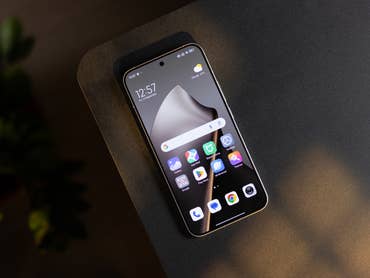


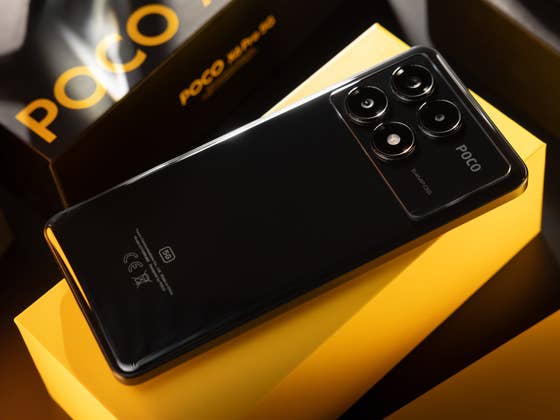
Xiaomi’s Redmi Turbo 4, or Poco X7 Pro globally, featured a 6,000 mAh battery (6,550 mAh for the Indian variant). This already marked a significant upgrade over its predecessor and most competing mid-range devices.
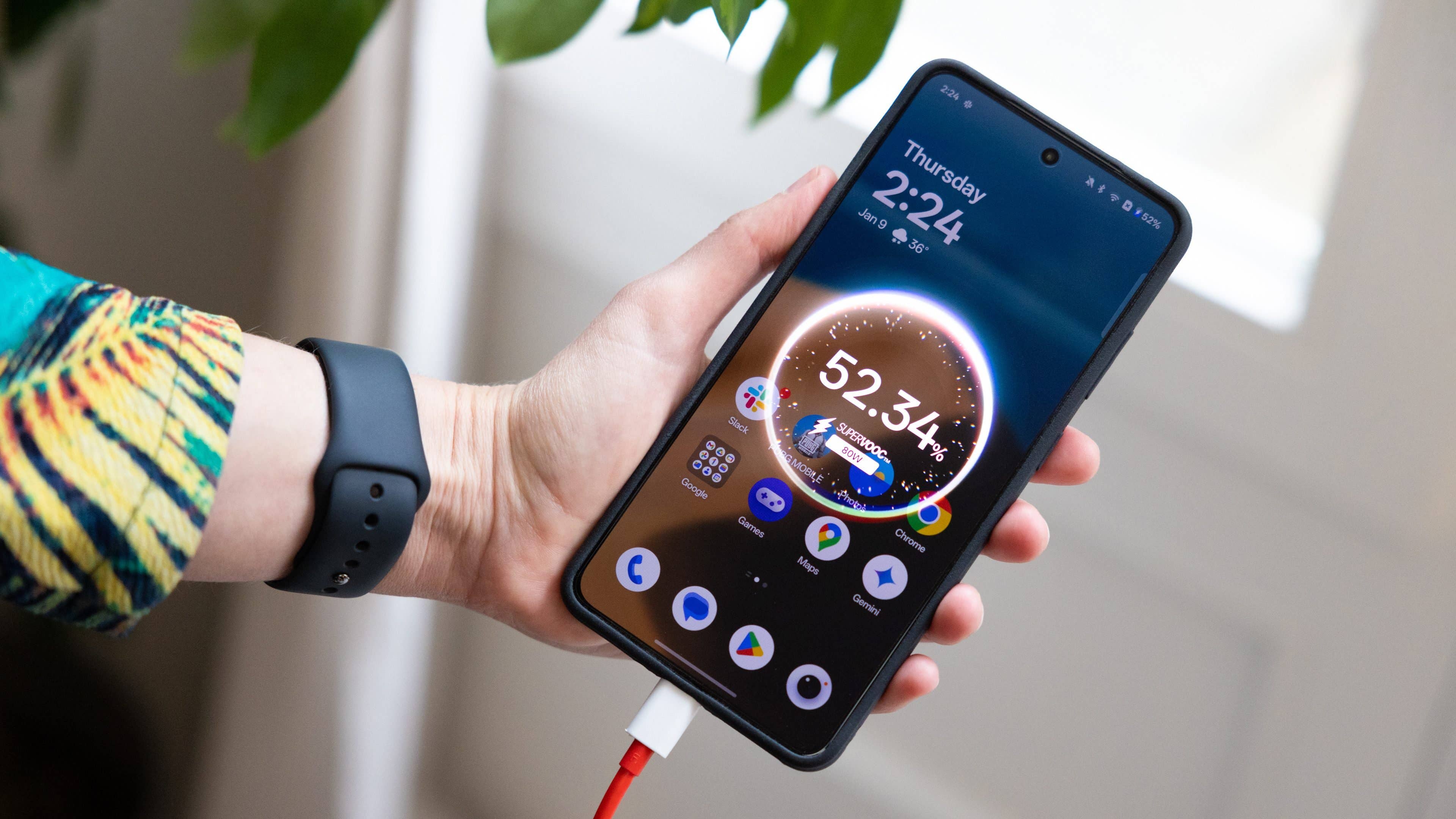
According to prolific leaker Digital Chat Station, the Redmi Turbo 4 Pro variant may raise the bar further with a massive 7,500 mAh battery. This would eclipse competitors like the recently launched Realme GT7 Pro (6,500 mAh), and the OnePlus 13R and OnePlus 13 we recently tested (both 6,000 mAh).
Interestingly, the leaker also hinted at another Xiaomi device under development that could debut with an unprecedented 8,000 mAh capacity. Speculation suggests it might belong to the company’s budget flagship or mid-range lineup.
Are 6,000 mAh and 7,000 mAh Batteries Becoming the Norm?
While the rumored 7,500 mAh battery for the Redmi Turbo 4 Pro remains unconfirmed, the figure seems plausible. Chinese manufacturers have been steadily increasing battery sizes, largely due to advancements in Silicon-Carbon (Si/C) battery technology.
Si/C batteries offer several key advantages over traditional lithium-ion cells, including significantly higher energy density. This allows manufacturers to increase battery capacities without making devices thicker, heavier, or bulkier.
Another benefit of Si/C batteries is improved battery heat management during charging, which supports fast-charging technology even with larger capacities. These innovations make it feasible for brands to integrate higher-capacity batteries without compromising user experience.
As more smartphones adopt 6,000 mAh cells, it’s likely we’ll see 7,000 mAh capacities become standard in the near future, potentially by next year. Who knows for sure?
Bigger Batteries or Faster Charging? With battery capacities increasing, the debate shifts to whether Android OEMs should focus on even larger batteries or prioritize faster charging speeds. What do you think? We’d love to hear your opinion!