

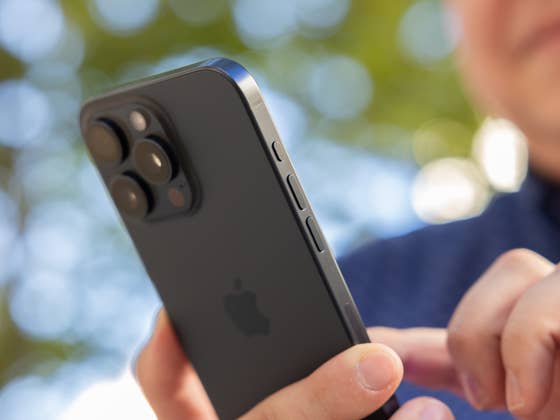
While the iPhone 16 Pro is likely enlisting the A18 Pro SoC based on an improved 3 nm process, Apple is said to significantly step up the game in the A19 Pro chip. The chip is supposed to power the iPhone 17 Pro and iPhone 17 Pro Max.
- Also read: Flagship mobile SoC compared
First 2 nm mobile system-on-chip
According to outlet DigiTimes, the next year high-end mobile chipset of Apple will be manufactured using TSMC’s upcoming N2 production technology based on 2 nm process. The upgraded chip production is expected to be rolled out in the second half of 2025, which will be aligned for the launch of the iPhone 17 series.
The most apparent advantage seen for this switch to an even smaller node are the increased efficiency and improved speed by squeezing in more transistors into the chip. It was detailed that the N2 node would gain 15 percent more transistors in the same die size when compared to the N3E node in a 3 nm process.
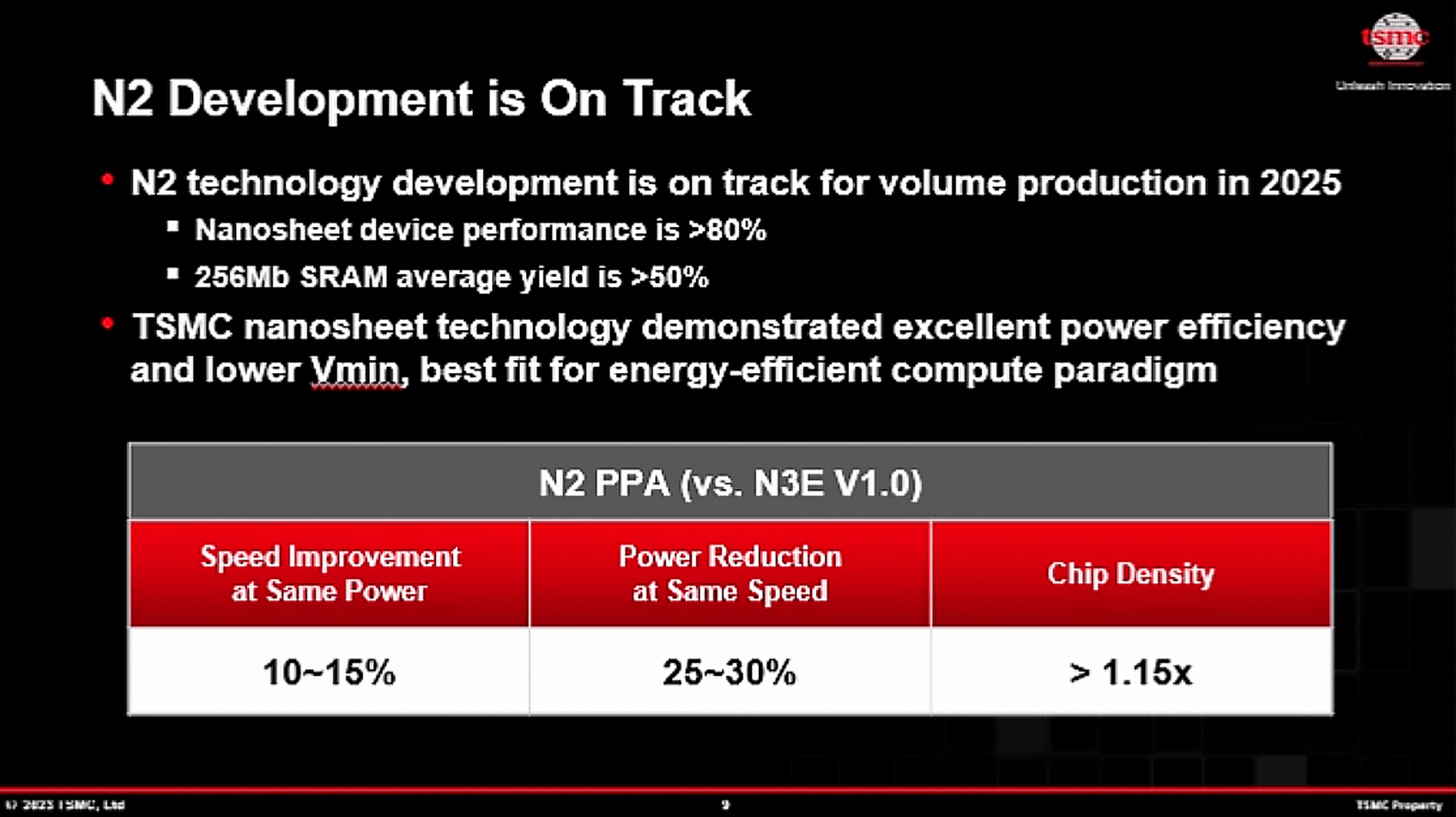
Despite the higher number of transistors, the chip based on this 2 nm process could still see of up to 30 percent of reduced power consumption while still offering up to 15 percent faster performance from a 3 nm chip.
Of course, not all of these benefits would be fully realized on the actual chip, such as in Apple’s A19 Pro. In the case of the A17 Pro, several key factors could still play out, such as excessive heat. But nonetheless, the improvements in the 2 nm chip already look promising enough.
Will the standard iPhone 17 get the same 2 nm SoC?
With Apple continuing to distinguish the Pro from the standard iPhone, it is safe to say only the iPhone 17 Pro’s chip will be made in this node, while the iPhone 17 could carry over this year’s 3 nm A18 Pro.
Apart from the A19 Pro, Apple’s future M chip that is found in its iPad tablets and MacBook is also believed to be manufactured in the same advanced chip manufacturing technology. However, it is already shaping up that the iPhone will first take advantage of this.
What are your thoughts on these improvements of Apple’s next iPhone chip? Do this makes the iPhone 17 Pro worth the wait? Share with us your answers in the comments.
We mark partner links with this symbol. If you click on one of these links or buttons–or make a purchase through them–we may receive a small commission from the retailer. This doesn’t affect the price you pay, but it helps us keep nextpit free for everyone. Thanks for your support! Prices are based on the date of publication of this article and may be subject to change.