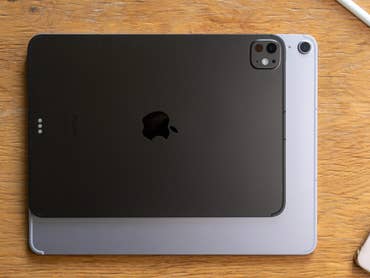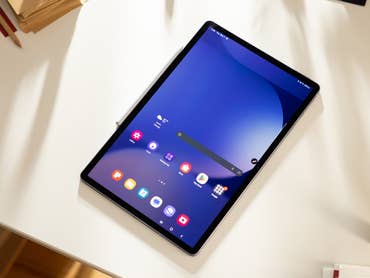


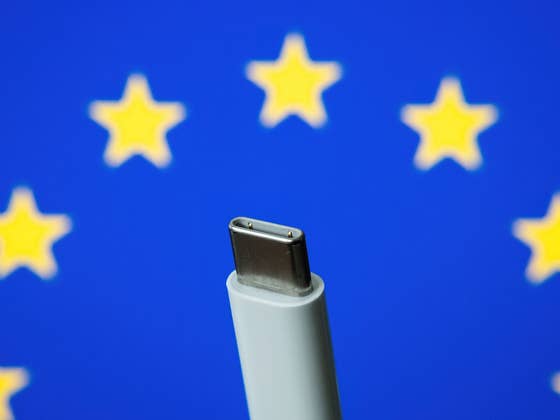
This mandate primarily affects the iPhones that are stuck with the Lightning port. However, recent reports indicate Apple is ready to drop its custom port in favor of type-C starting with the iPhone 15 (Ultra) next year. On the other hand, its entire iPad lineup has switched to USB-C with the iPad 10 (2022) as the last model to do so.
The law will also be required for other products that use wired charging such as headphones, smartwatches, keyboards, and consoles, among others. Meanwhile, laptops are planned to adhere starting on April 28, 2026. Furthermore, the order does not include wireless charging, but that is surely interesting to watch out for in the coming years.
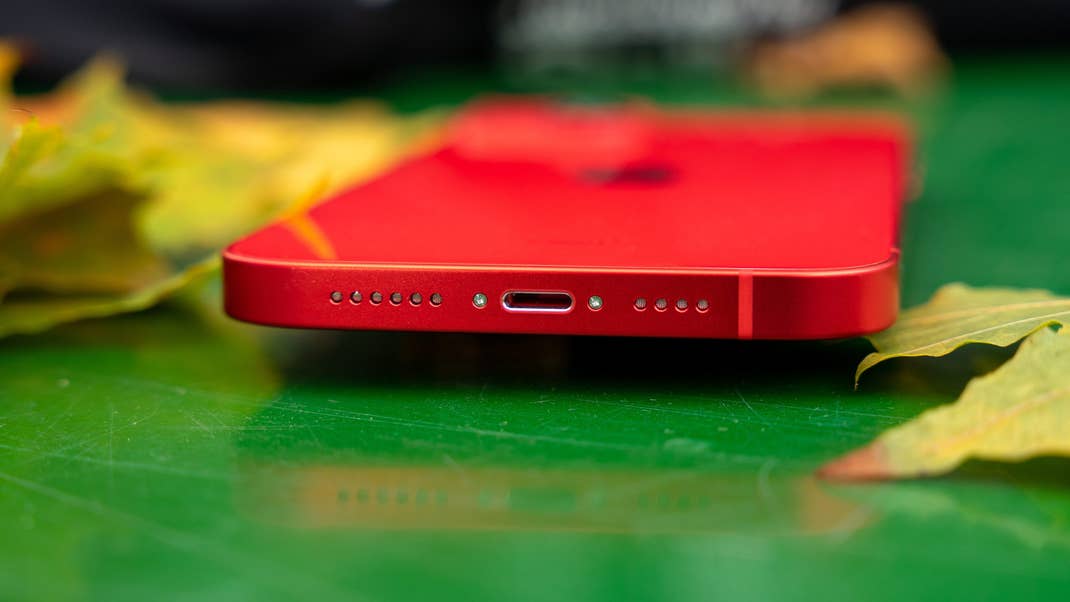
USB-C PD charging for Apple iPhones
At the same time, it has been mentioned that the legislation will compel companies to utilize PD (Power Delivery) for charging ratings above 15W. The specific tech allows for higher power transfer as well as dynamic charging. This enables either device at both ends of the cable to be charged or supply power.
It is to recall that the goal of this initiative at first is to reduce electronic waste. Consumers won’t need to buy a separate charger or cable in every purchase of a new device or when switching. But now it is looking to speed up the development of charging technologies as well.
Do you expect that the other remaining Apple products will also arrive with USB-C ports next year? And what charging speed do you think is ideal? We’d like to hear your thoughts on this matter.
We mark partner links with this symbol. If you click on one of these links or buttons–or make a purchase through them–we may receive a small commission from the retailer. This doesn’t affect the price you pay, but it helps us keep nextpit free for everyone. Thanks for your support! Prices are based on the date of publication of this article and may be subject to change.