Sorry, aber gerade ist bei uns wirklich gar nix zu holen. Unser Server ist im Wartungsmodus – und unser kleiner Bot versucht gerade, mit letzter Energie die Fehlermeldungen zu sortieren.
Ob’s ein Daten-Leck, ein Stromausfall im Cluster oder einfach nur ein mies gelauntes Bit war – wir wissen es noch nicht. Was wir aber wissen:
Das Daten-Drama eskalierte zu einer Server-Schmelze. Aber keine Sorge: Wir sind dran.
Was jetzt?
Bei unseren Kolleg:innen von inside digital läuft bestimmt alles rund – schau doch mal vorbei!
Oder du vertreibst dir die Zeit mit einem Besuch auf unseren Social-Media-Kanälen – zum Beispiel Instagram, YouTube oder TikTok. Da gibt’s immerhin keine Serverprobleme – versprochen.
Danke für deine Geduld. Unser Bot rebootet schon mit Hochdruck. 🔧
NewsHyperOS 3: Xiaomi Confirms Which Poco Phones Will Get Android 16
Xiaomi is closing out the year with fresh Poco flagships and a major HyperOS 3.0 update based on Android 16. From new phones to a redesigned UI, here’s what’s rolling out and when you can expect it on your device.
Xiaomi isn’t done launching phones this year. It recently unveiled the global versions of the Poco F8 Pro and F8 Ultra. Alongside the wave of fresh hardware, the company also updated the rollout timeline for HyperOS 3.0, which is now set to reach more than a dozen Poco phones and tablets.
The new Poco F8 Pro and Poco F8 Ultra flagships ship with Android 16 out of the box. Meanwhile, other models will follow staggered release dates.
Which Poco Devices Will Be Updated to HyperOS 3.0?
The rollout began in October and continues through the end of November for the first batch of Poco devices. Leading the list are last year’s Poco F7 series and Poco X7 series, including their Ultra models. Some users outside China have already reported receiving the firmware. However, depending on variants, it’s not unusual for other devices to be notified only in the coming days.
The next group is scheduled for December, headlined by the Poco F6 (Pro), Poco X6 Pro, Poco M7, Poco M6 (Pro), and Poco C75.
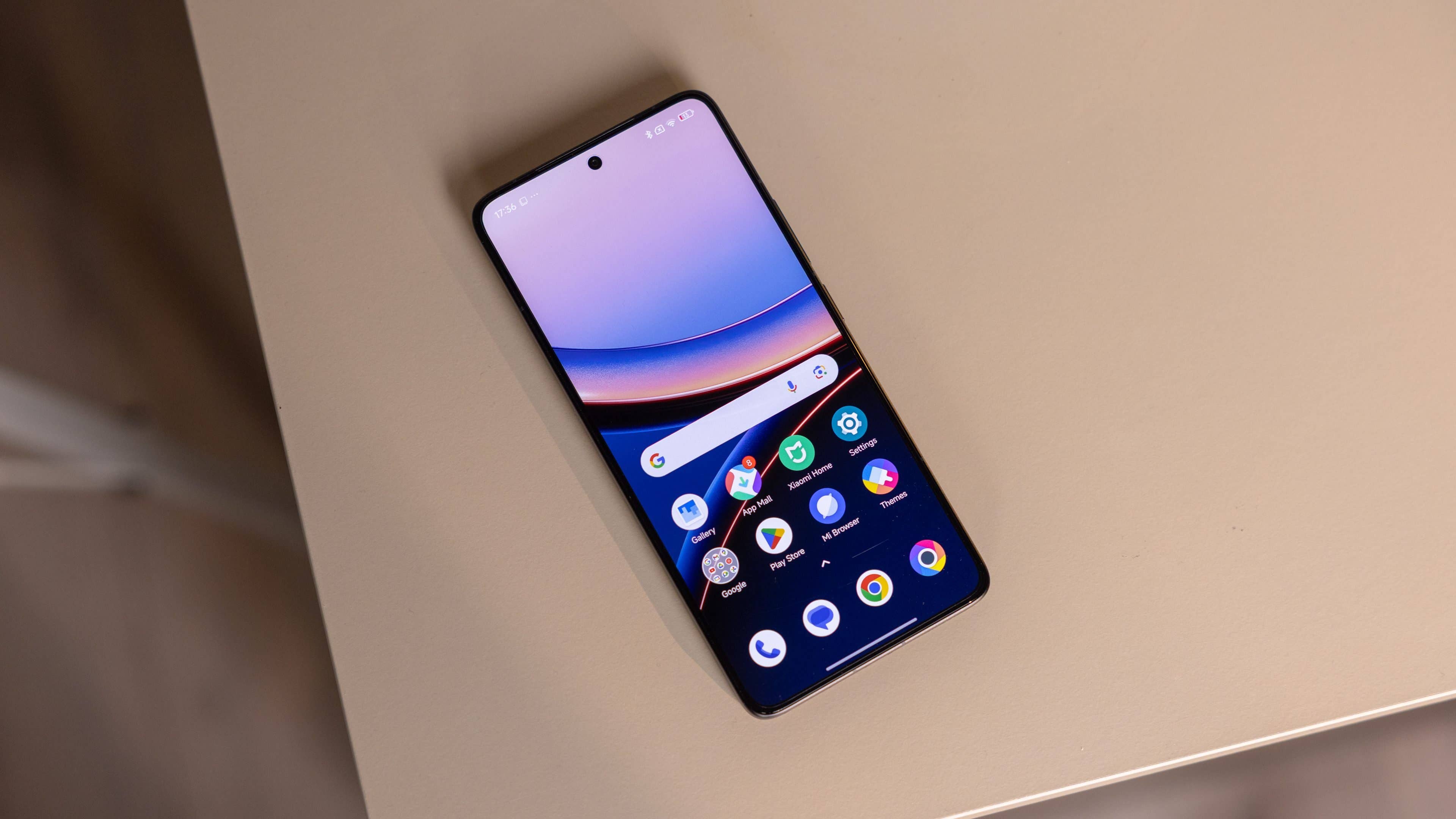
The 32 MP selfie camera is located in the punch-hole notch at the top of the display. Image source: nextpit
A wider release is planned between December 2025 and March 2026, covering the Poco F5 (Pro), Poco X6, Poco M7 Pro, and Poco C85. These will be joined by Poco’s Android tablets, including the Poco Pad, Poco Pad X1, and Poco Pad M1. Unfortunately, Xiaomi hasn’t provided exact timing for each device.
What’s New in HyperOS 3.0?
HyperOS 3.0 is built on Android 16, which brings its own set of new features and tweaks. Xiaomi’s version adds a major user interface makeover, enhanced security, and better optimization for longer battery life and smoother performance.
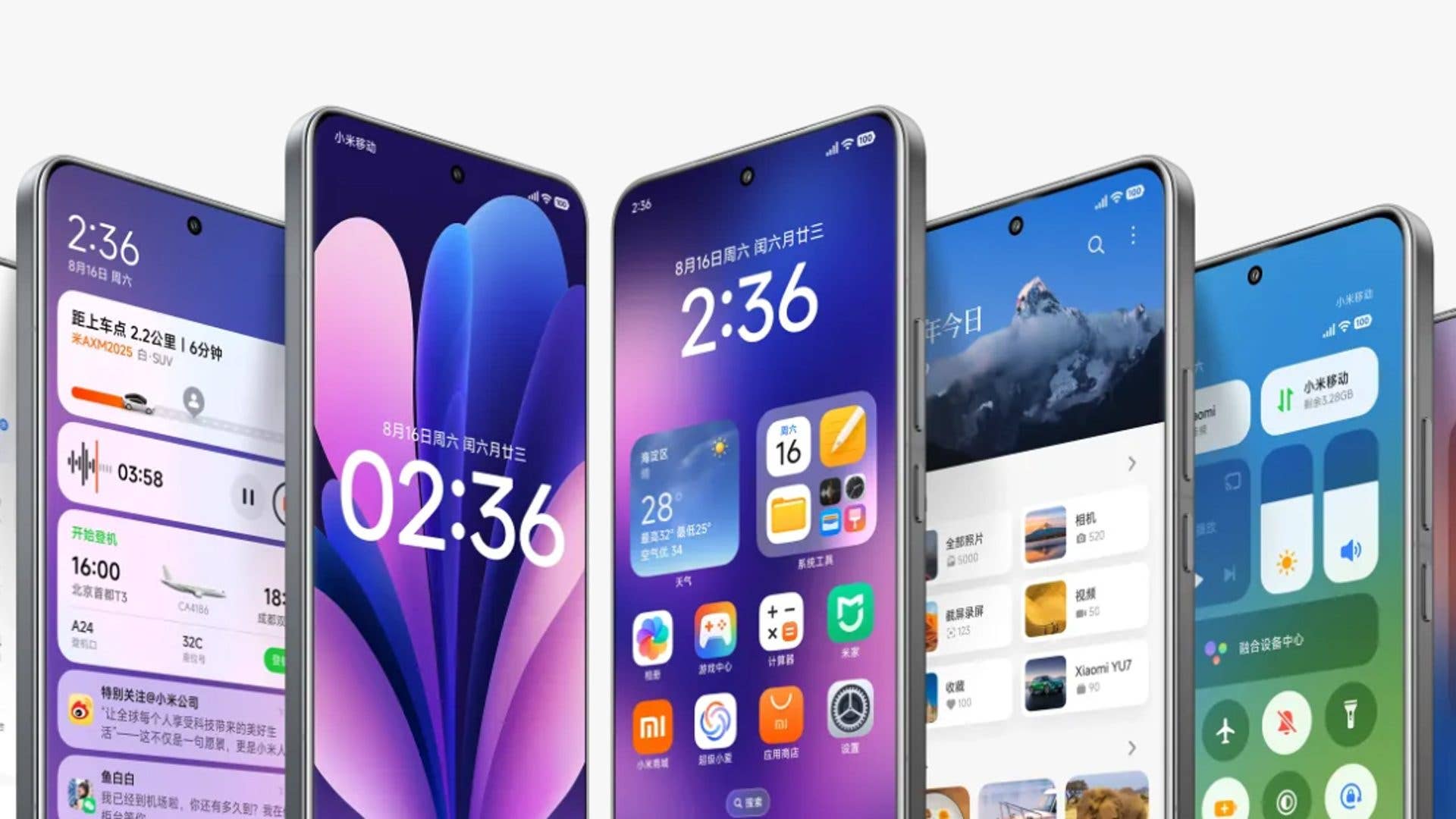
The most notable visual change is Super Island, inspired by iOS’s Dynamic Island. Integrated into the punch-hole camera area, it displays dynamic widgets and live updates, which is a native feature introduced with Android 16.
Multiple Xiaomi smartphones displaying various app interfaces and the time 02:36. Image source: Xiaomi
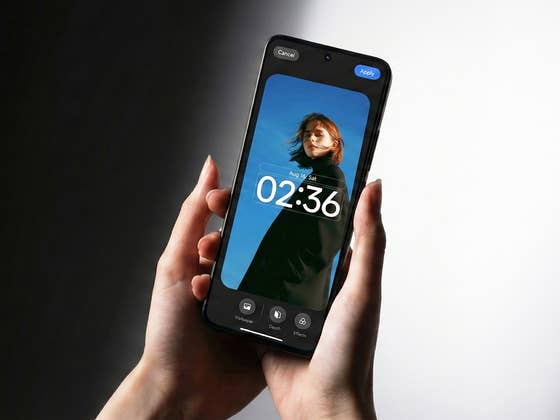
The main UI has also been modernized with transparent elements, blurred backgrounds, and refreshed app icons. On the lock screen, users get new styles, including AI-generated wallpapers and live effects.
Xiaomi also promises improved performance and usability. Multitasking and app switching are said to be snappier, while overall responsiveness feels quicker.
Security has been strengthened with better data protection and permission controls. Elsewhere, HyperOS 3.0 offers tighter integration with Xiaomi’s broader product ecosystem.
Which of these HyperOS 3.0 features are you most excited to try once the update arrives on your device? Share your thoughts in the comments.
We mark partner links with this symbol. If you click on one of these links or buttons–or make a purchase through them–we may receive a small commission from the retailer. This doesn’t affect the price you pay, but it helps us keep nextpit free for everyone. Thanks for your support!






0 comments