

In addition to their affordability, HMD emphasized the “Gen 1” repairability aspect of the Pulse trio. The Finnish company partnered with iFixit to provide users with self-repair tools and replacement parts such as batteries, display panels, and ports, among others.
- Don’t miss this: The best smartphones you can buy in 2024 for under $400
HMD Pulse Pro
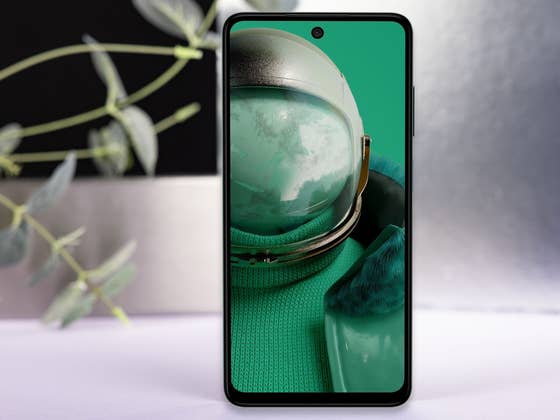
The lineup is headlined by the HMD Pulse Pro that features a 6.65-inch HD+ LCD screen with a 90 Hz refresh rate and 600 nits peak brightness. It has a dual rear camera configuration that consists of a 50 MP wide shooter that shoots 1080p video and a 2 MP depth sensor. Flip it over to the front and you get a 50 MP sensor for your selfies.
HMD’s Pulse Pro is powered by the Unisoc T606 chipset, a dated 12 nm silicon that debuted in 2021. The same chip can be found in a number of budget phones like the Nokia G22 and Samsung Galaxy A03. Using this chip, you get 4G LTE connectivity, Bluetooth 5.0, GPS, and NFC.

The memory on the device ranges from 4 to 6 and 8 GB of RAM while the 128 GB on-board storage remains standard across the board. You can expand its storage by up to 256 GB via the microSD card slot.
HMD also touted the robust battery life on the Pulse Pro. It rated the device which is equipped with 5000 mAh battery capacity, to last up to 59 hours on a full charge. The device features 20-watt fast charging via a USB-C port.
HMD Pulse+ and Pulse
A slightly slower version of the Pulse Pro is the Pulse+. The main differences between the Plus and the Pro models would be the slower charging speed at 10 watts and a lower resolution 8 MP selfie camera. The rest of the hardware remains the same, including the IP54 dust and water certification, display, processor, memory, and battery size.
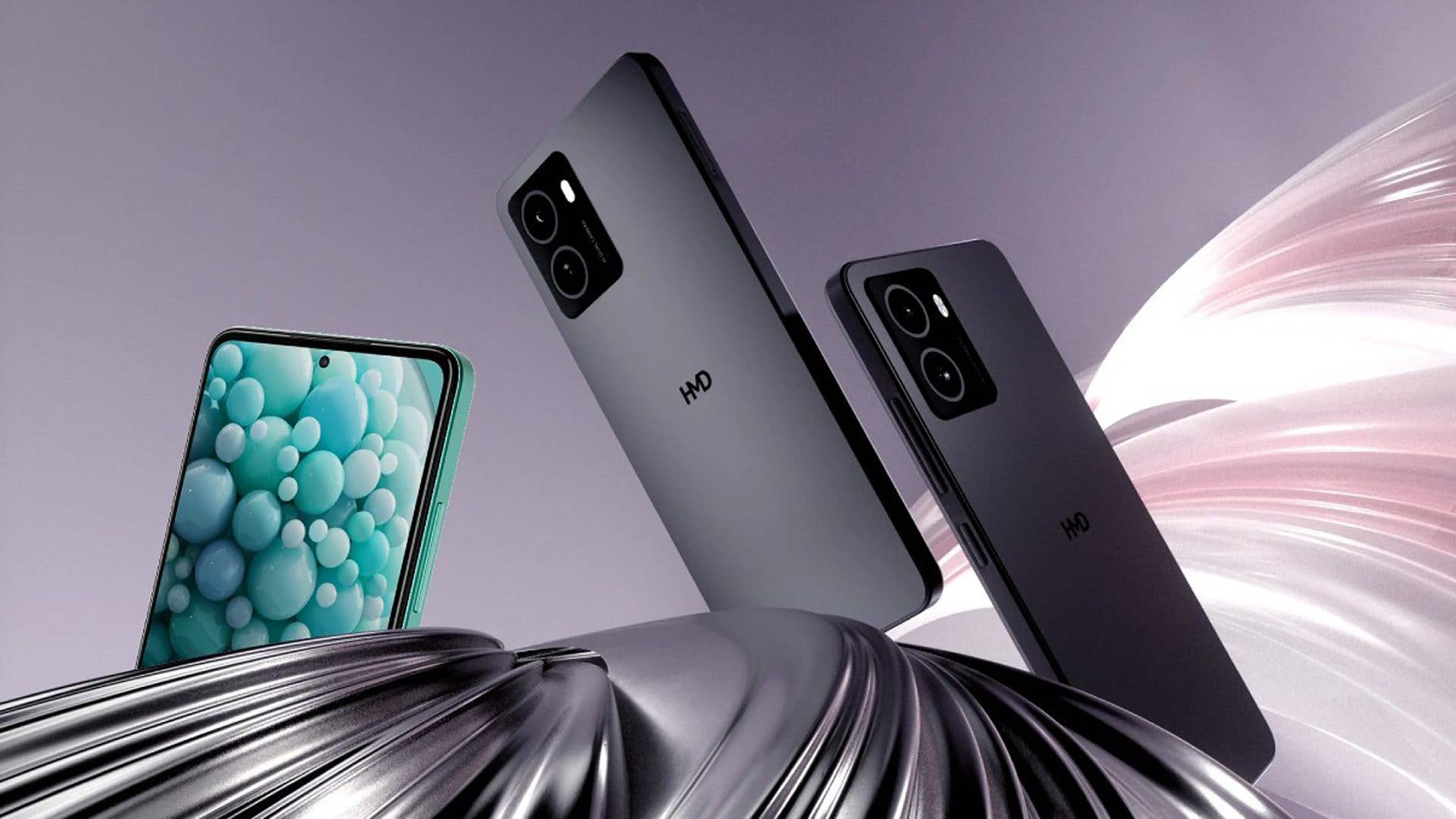
The cheapest device the trio is the HMD Pulse. It is distinguished by the presence of a 13 MP main shooter at the back mated to a 2 MP depth sensor. Furthermore, it comes with a smaller 64 GB expandable memory alongside 4 or 6 GB RAM.
All three HMD Pulse models boot on Android 14 out of the box and is guaranteed to receive two major Android upgrades and 3 years of security patches.
HMD Pulse prices and HMD Vibe launch
How much do they cost? The HMD Pulse Pro costs €180 (~$192) a pop and will be available soon from HMD and third-party retailers. As for the HMD Pulse+ and Pulse, they were already listed on HMD’s store starting from €160 ($171) and €140 ($150), respectively.
HMD confirmed it will launch the HMD Vibe, a variant that falls between the Pulse+ and Pulse Pro, in the US later this year. The company mentioned the Vibe will retail for $150.
What are your thoughts on HMD introducing repairable smartphones? Do you think more brands will follow HMD’s suit? Let us hear your opinion on this matter.
We mark partner links with this symbol. If you click on one of these links or buttons–or make a purchase through them–we may receive a small commission from the retailer. This doesn’t affect the price you pay, but it helps us keep nextpit free for everyone. Thanks for your support! Prices are based on the date of publication of this article and may be subject to change.