
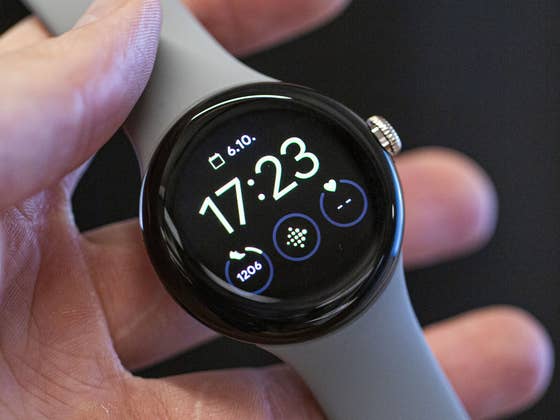
Ultra-wideband is a type of newer wireless technology with some advantages compared to Bluetooth. It includes faster data transfer and less interference. These also allow for a more precise localization or tracking between two connected devices, which is what can be found on supported Apple watches when used with other Apple devices.
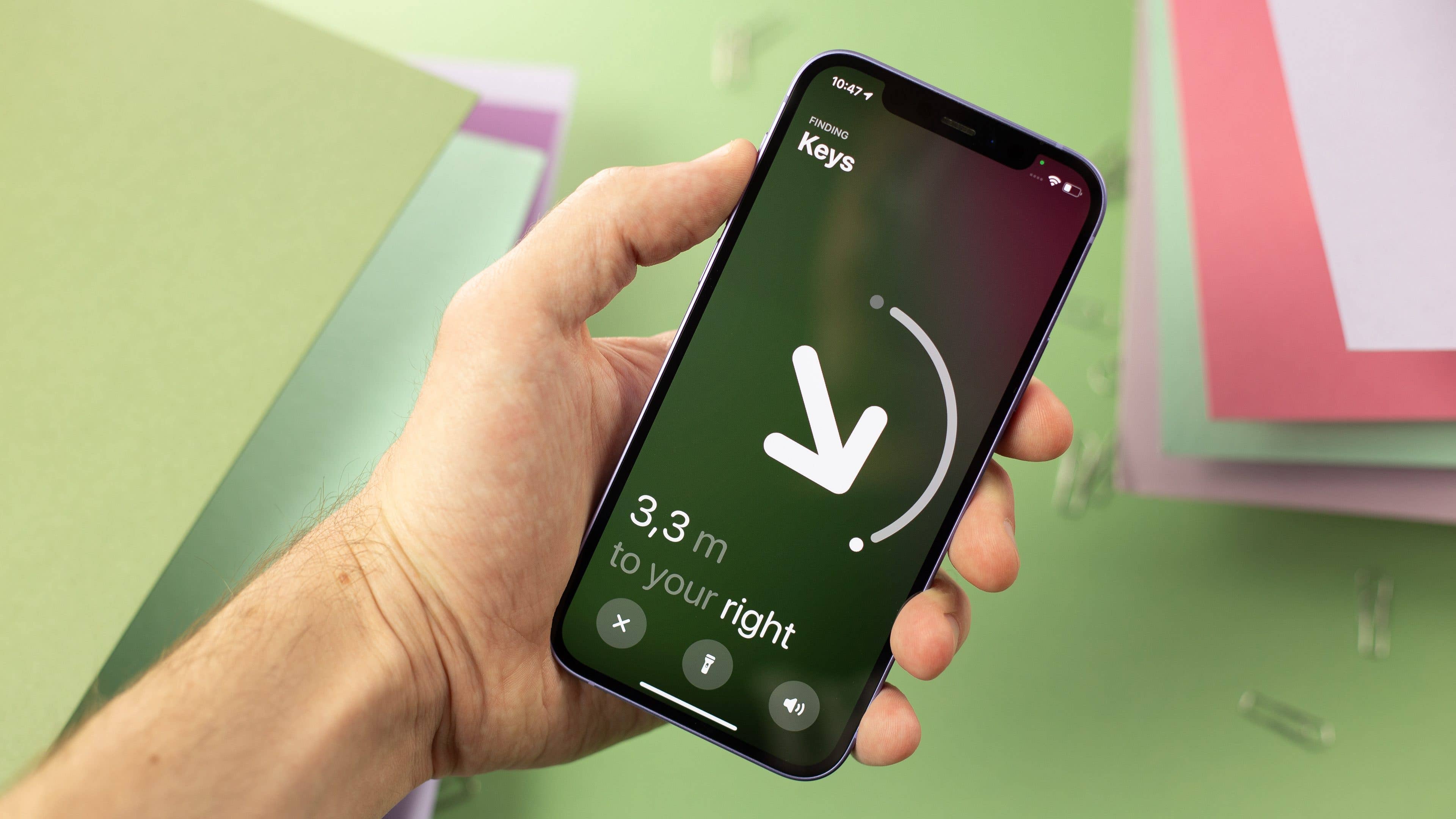
Although it has not been confirmed, the Google Pixel Watch 2 could benefit from UWB’s key features. For instance, the company could improve the current Find My Device tracking by having guided navigation that is similar to how the AirTag (review) works in close range. In addition, it is possible the wireless connectivity will enhance Google’s custom Fast Pair such as introducing smart profiles.
Apart from that, the same source also mentioned the Pixel Watch 2 will sport a slightly larger 306 mAh battery compared to the 294 mAh battery that powers the Pixel Watch. This change is not substantial but is rumored to be more efficient, and with the faster Snapdragon W5 chip, it could further extend the battery life of the wearable.
It was also rumored that the Pixel Watch 2 will retain its 1.2-inch circular display just like its predecessor. However, instead of enlisting a stainless-steel bottom dome, it is set to arrive with an aluminum chassis. The material would subsequently reduce the weight of the device.
Google normally hosts its fall event in October each year. It is anticipated the flagship Pixel 8 and Pixel 8 Pro smartphones will debut alongside the Pixel Watch 2. It remains unclear how much the second generation smartwatch will cost at launch.
Do you think these initial specifications and features make the Google Pixel Watch 2 worth upgrading? Let us hear your thoughts on this.
Mit diesem Symbol kennzeichnen wir Partner-Links. Wenn du so einen Link oder Button anklickst oder darüber einkaufst, erhalten wir eine kleine Vergütung vom jeweiligen Website-Betreiber. Auf den Preis eines Kaufs hat das keine Auswirkung. Du hilfst uns aber, nextpit weiterhin kostenlos anbieten zu können. Vielen Dank!

0 comments