

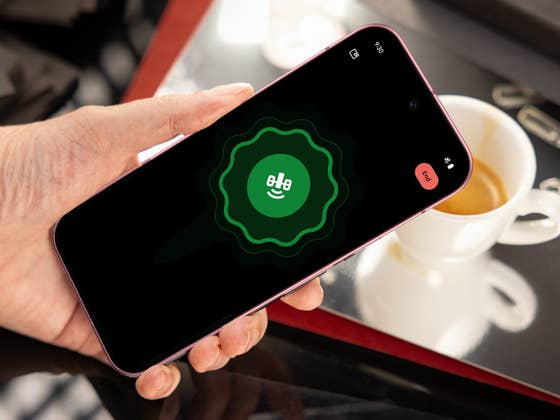
Similar to Apple’s iPhone satellite connectivity, Google’s satellite feature is tied with the emergency function in the Pixel handset rather than an alternative messaging option.
In the Google Pixel 9 or Pixel 9 Pro, Satellite SOS activates if you’re in an area with no cellular coverage or Wi-Fi connection. The Pixel handset will connect to satellites through the non-terrestrial networks (NTNs), with Skylo as the provider. It also requires the service to be set up and activated before you plan your trip.

Garmin detailed how Google will leverage its satellite emergency response services to manage emergency incidents from the Pixel 9, Pixel 9 Pro, or Pixel 9 Pro Fold. The initial launch will see the feature available in the USA, with potential availability in more countries, although specifics were not provided.
Will satellite connectivity arrive on more Android smartphones?
Garmin also highlighted how the company is open to bringing its satellite emergency support to more Android devices in the future in addition to the Google Pixel.
While it is only with Android 15 that Google finally added a native satellite-based connectivity feature, it remains unclear until now how this can be implemented in non-Pixel devices. The announcement from Garmin suggests a Pixel-like approach might be adopted by other Android manufacturers.
Even Samsung is set to deploy satellite connectivity on its Galaxy smartphones, although it has been revealed that a two-way satellite messaging system might be used, offering additional services beyond life-threatening situations.
It’s also unclear how much Google’s Satellite SOS will cost, although it is known that it will be free for the first two years after activating it on your Pixel 9. As for Apple, the Cupertino company is still offering the emergency SOS service via satellite for free since it was launched on the iPhone 14. Perhaps Google might take a page from Apple’s book.
What are your thoughts on satellite connectivity or messaging being standardized in smartphones? Do you think it is a more important feature for manufacturers to prioritize over AI? Are you willing to pay for this service? Let us hear your thoughts in the comments.