

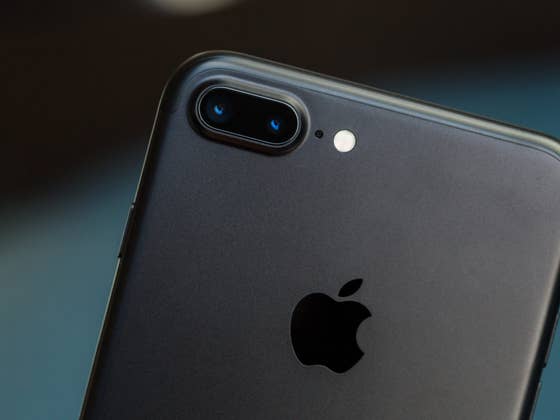
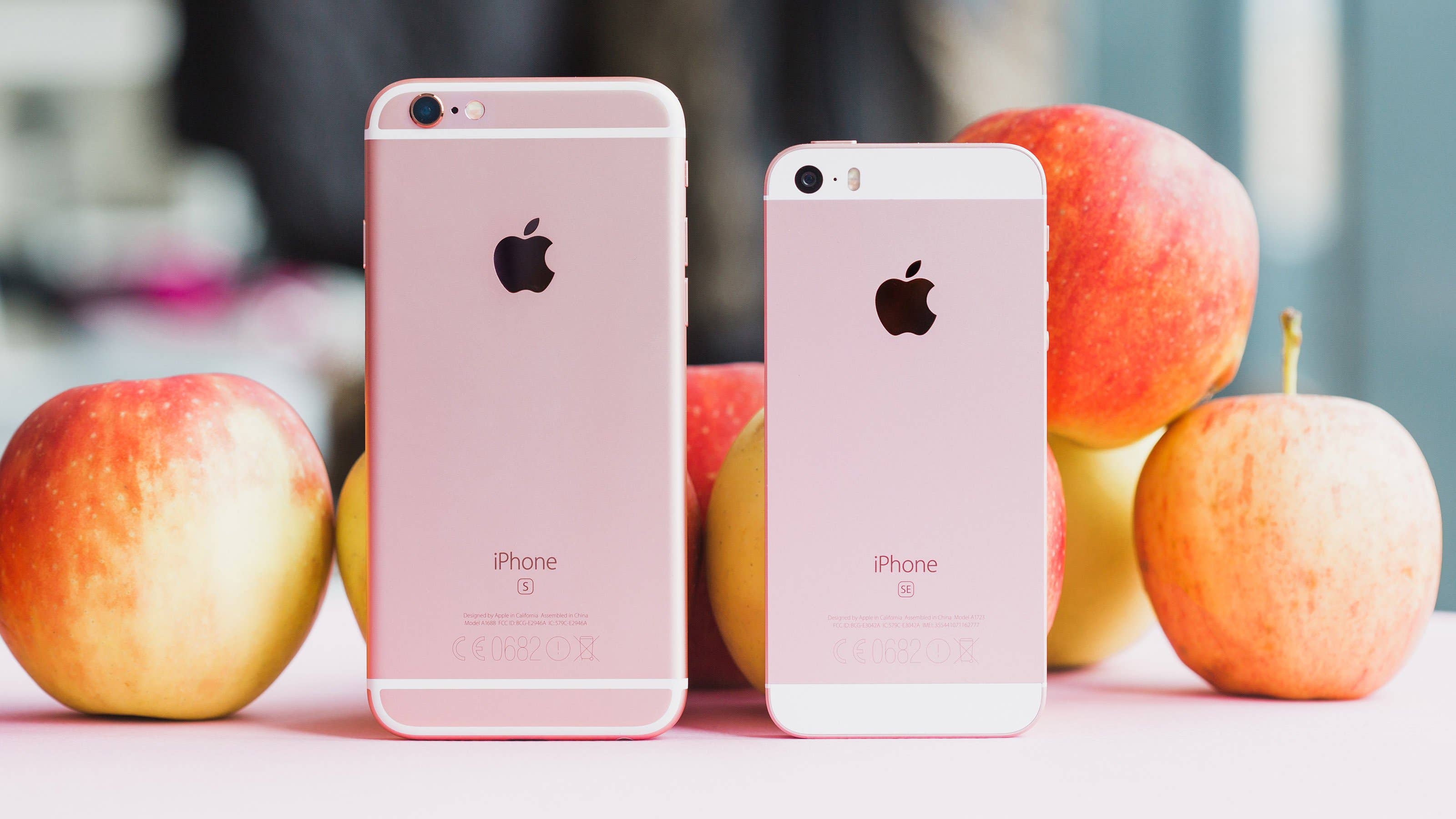
The controversy started when Apple rolled out an iOS 10.2 update for older iPhones in 2017, which included the iPhone 6, iPhone 6s, and iPhone 7 lines. However, it was discovered that the firmware secretly throttled the performance of these iPhones to avoid an accelerated battery health degradation which could also result in devices to forcibly shut down by the system.
At first, Apple didn’t acknowledge the issue, so it subsequently created a backlash from large numbers of users and also led to a class action lawsuit being filed. Later that year, the company offered measures to address the ‘batterygate’ controversy ranging from lowering the price of battery replacements to $29 and up to providing detailed information about the power management that comes with the software update.
Now, according to The Mercury News, the judge who handles the lawsuit has denied and dropped the appeal of the two claimants over their objection to the settlement terms. This leaves the last hurdle to be cleared and for the original settlement made in March 2020 to proceed.
But as noted, only those affected and eligible customers in the US who signed up for the claim before the deadline on October 6th, 2020 will be rewarded with an individual payout of $65 each.
On the other hand, Apple is facing another $2 billion lawsuit in the UK that also relates to the performance throttling and defective batteries that are alleged by a consumer group. But Apple has seemingly denied the accusation.
Are you one of those affected users of the batterygate back in 2017? How was it resolved? Tell us in the comments.
We mark partner links with this symbol. If you click on one of these links or buttons–or make a purchase through them–we may receive a small commission from the retailer. This doesn’t affect the price you pay, but it helps us keep nextpit free for everyone. Thanks for your support! Prices are based on the date of publication of this article and may be subject to change.