Sorry, but there's really nothing to see here right now. Our server is in maintenance mode – and our
little bot is trying to sort the error messages with its last bit of energy.
Whether it was a data leak, a power outage in the cluster, or just a grumpy bit – we don't know yet.
But what we do know is:
The data drama escalated into a server meltdown. But don't worry: We're on it.
What now?
Everything is surely running smoothly over at our colleagues from inside
digital – why not stop by!
Or you could pass the time by visiting our social media channels – for example Instagram, YouTube or TikTok. At least there are no
server problems there – promised.
Thanks for your patience. Our bot is already rebooting at full speed. 🔧
NewsIs Your Device Affected? Google Ends Android 12 Security Updates
If you still own an Android smartphone or tablet running Android 12, or know someone who does, it’s now crucial to consider upgrading to a newer device. Google’s latest security update has officially stopped providing security patches for these devices, leaving them increasingly vulnerable to security risks that could compromise both the device and your personal data.
Google ends Android 12 support
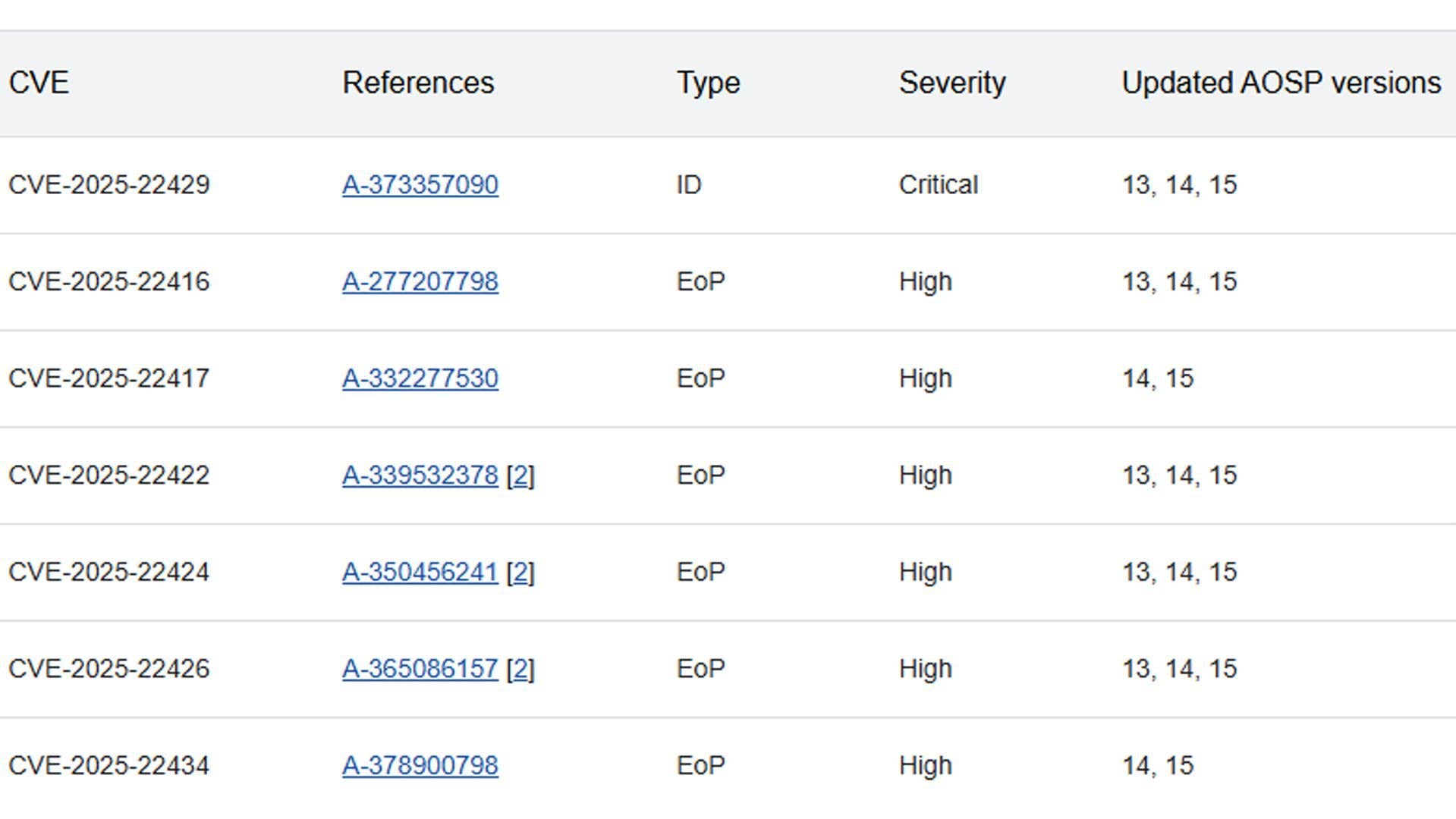
This development stems from Google’s most recent April security bulletin. These bulletins typically list the Android versions receiving coverage for each security fix or addition.
Notably, the April patches no longer include Android 12 and 12L, only supporting Android 15, 14, and 13. Android Authority has also confirmed that the final security patches encompassing Android 12 devices were released on March 31, 2025.
Consequently, Android 12 devices are unlikely to receive any further security updates, significantly increasing their exposure to potential security vulnerabilities.
While some Original Equipment Manufacturers (OEMs) like Samsung, OnePlus and Xiaomi might choose to backport security patches for a limited time, this is not a guaranteed solution. For smaller brands, allocating the necessary resources for backporting can be a significant challenge.
It’s important to remember that a substantial number of Android devices are still operating on Android 12 and 12L. Last May’s data indicated that over 14% of active smartphones and tablets were running these versions.
Which Android Devices Could Be at Risk?
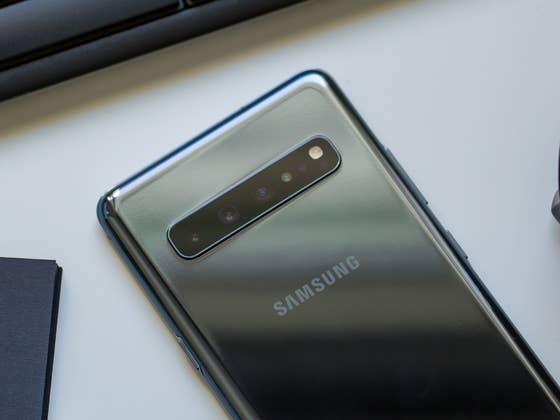
Google initially released Android 12 in 2021, followed by Android 12L later that year. Prominent devices that received Android 12 as their final major software update include the Samsung Galaxy S10 and Note 10 series, the original Galaxy Z Fold and Flip foldables, numerous mid-range Galaxy A01 and A21 variants, the Google Pixel 3, and the OnePlus 7T.
If you currently use a device with Android 12, it can still serve as a backup. However, using it as your primary device for sensitive data and applications is no longer recommended due to the lack of ongoing security support.
While we have seen short-term security support for older Android versions in the past, newer smartphones are now benefiting from extended software support, including security patches designed to keep them secure for several years. Impressively, even some budget and mid-range smartphones now come with up to extended years of security policy.
Do you currently own an Android smartphone running Android 12 or an earlier version? What purpose do you use it for these days? Share your experiences and thoughts in the comments below.
We mark partner links with this symbol. If you click on one of these links or buttons–or make a purchase through them–we may receive a small commission from the retailer. This doesn’t affect the price you pay, but it helps us keep nextpit free for everyone. Thanks for your support!






0 comments