Sorry, but there's really nothing to see here right now. Our server is in maintenance mode – and our
little bot is trying to sort the error messages with its last bit of energy.
Whether it was a data leak, a power outage in the cluster, or just a grumpy bit – we don't know yet.
But what we do know is:
The data drama escalated into a server meltdown. But don't worry: We're on it.
What now?
Everything is surely running smoothly over at our colleagues from inside
digital – why not stop by!
Or you could pass the time by visiting our social media channels – for example Instagram, YouTube or TikTok. At least there are no
server problems there – promised.
Thanks for your patience. Our bot is already rebooting at full speed. 🔧
NewsTabletGoogle Enhances Android 14 OS Cellular Network Security
Although smartphones and tablets are mostly relying on newer cellular generations like 4G and 5G, these devices still come and support older types of networks like 2G. These obsolete technologies present underlying security threats and higher risks to be utilized in cyberattacks. In Android 14, Google is further enhancing 2G use for enterprise-level and cellular security for general users.
Don’t miss: Everything you should about Google Passkey
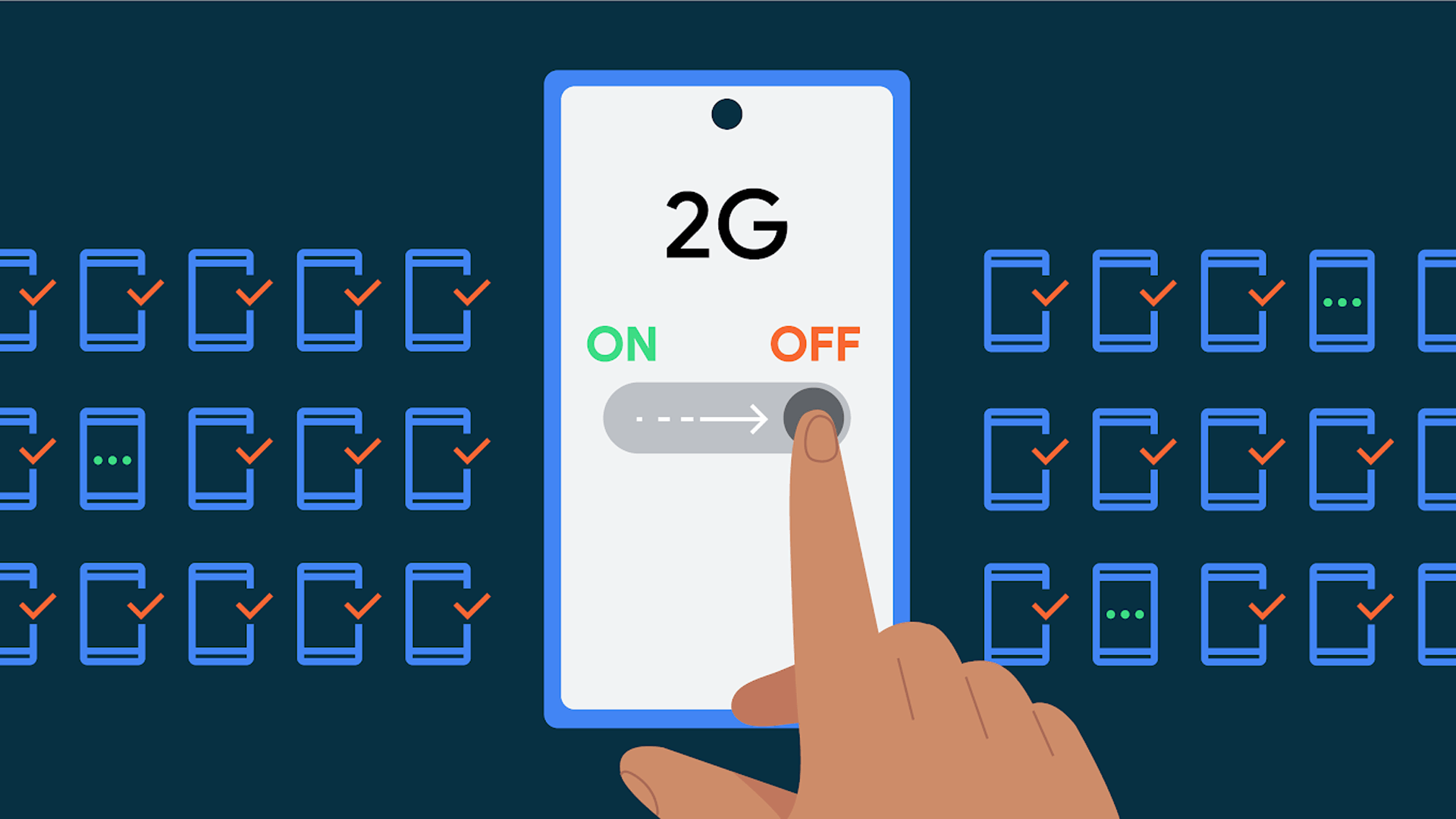
Disable 2G on Android 14 devices during attacks
Firstly, the upcoming major Android update will address major risks associated with a 2G network. This is specific to attackers taking advantage of the outdated security features of 2G and coming up with sophisticated ways that a target device will be downgraded to this network.
To counter this, Google will give Android Enterprise administrators the ability to design their managed hardware system to restrict it from using a 2G network in addition to doing this remotely. At the same time, supporting phone models already have a feature where a user can disable using 2G directly on the device when there is a threat.
What’s available to the majority of users is improved protection from cellular null cipher connectivity. This kind of attack, like the Stingray, typically tricks the network so the connection it uses is encrypted. So instead, it allows criminals to intercept and eavesdrop the information such as SMS and voice calls that are being exchanged between a network and a device.
Google has resolved this by giving users an option to disable null cipher connections through their smartphone at the modem-level. While turned off, Google said that communication is still possible, so users can still make calls for emergency uses. This feature is planned to be added to Android 14 OS, which will start shipping to compatible devices later this year.
Apart from these two additions, what other security features do wish Google will add to the Android OS? Tell us your opinion in the comment section.
We mark partner links with this symbol. If you click on one of these links or buttons–or make a purchase through them–we may receive a small commission from the retailer. This doesn’t affect the price you pay, but it helps us keep nextpit free for everyone. Thanks for your support!