

The reason for this change of course lies primarily in the weak demand for large electric vehicles. In the USA in particular, heavy e-pick-ups’ sales figures are significantly worse than expected. Other compounding factors are high production costs and a changing political environment, driving the decision to do so. Subsidy programs for electric cars have also been cut, slowing down sales further.
Ford Rethinks: Less Electric, More Hybrid
Ford has drawn clear conclusions from this: instead of continuing to invest billions in large electric models, the Group wants to invest in areas where profitability and demand can be better combined for the future. This will primarily include hybrid cars, classic internal combustion engines (ICE), and new, smaller electric cars, which are to be launched on the market from 2027. In this context, Ford has come to an understanding with Renault recently. In addition, Ford is taking a massive write-down of $19.5 billion in the electric vehicle business.
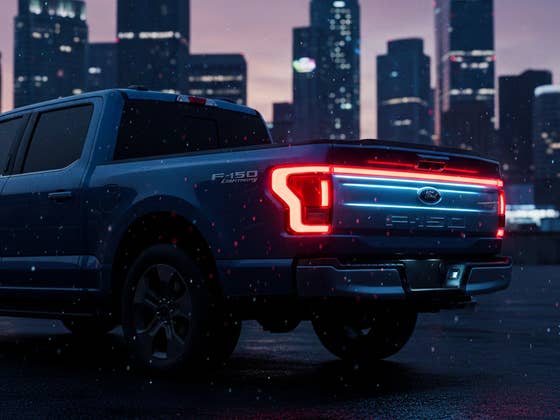
The former electric flagship, the F-150 Lightning, has been hit particularly hard. Since its market launch in 2022, the electric pickup has failed to meet economic expectations. Negative headlines surrounding the model have been piling up for months. It is now clear: production is being discontinued.
The F-150 Lightning Remains – But Not as an Electric Car
However, Ford is not bidding goodbye to the F-150 completely. Future versions are to come as plug-in hybrids with a range extender. Here, an internal combustion engine acts as a generator to provide additional range — an approach that should be much more practical for large trucks in particular. Other ambitious electric projects, including the planned truck codenamed “T3” and electric commercial vehicles, have also been canned.
Ford justified the change in strategy with clear market facts: Large, expensive e-cars are selling worse than forecasted. At the same time, important purchase incentives are missing due to reduced subsidies. The write-off, therefore, affects not only discontinued models but also investments in battery joint ventures and project-related development costs. Instead of continuing to invest money in unprofitable electric vehicles, capital is now flowing into areas with better returns, according to the manufacturer.
Optimism for the Future?
Despite challenges in the electric segment, Ford is optimistic about the future. Conventional trucks, SUVs, and hybrid models, in particular, are expected to stabilize sales and ensure future growth. These vehicle classes are currently much more profitable and better meet the tastes of many customers.
In the long term, Ford is nevertheless sticking to electrification ±— albeit with a more realistic approach. The Group plans to increase its share of electric cars, hybrid vehicles, and extended-range models to around 50 percent of global sales. The focus is clearly on efficiency, economy, and suitability for everyday use.
For you, this means Ford is not bidding adieu to electric cars, but is focusing on a more balanced mix in the future. Fewer large e-trucks, but more hybrids, internal combustion engines, and compact e-cars with attractive prices. Will this change in strategy work? Nobody knows. But if the new strategy pans out, it is likely to have a decisive impact on the car market in the coming years.