Sorry, but there's really nothing to see here right now. Our server is in maintenance mode – and our
little bot is trying to sort the error messages with its last bit of energy.
Whether it was a data leak, a power outage in the cluster, or just a grumpy bit – we don't know yet.
But what we do know is:
The data drama escalated into a server meltdown. But don't worry: We're on it.
What now?
Everything is surely running smoothly over at our colleagues from inside
digital – why not stop by!
Or you could pass the time by visiting our social media channels – for example Instagram, YouTube or TikTok. At least there are no
server problems there – promised.
Thanks for your patience. Our bot is already rebooting at full speed. 🔧
NewsTabletApple to Open Up iPhone’s NFC Technology to Developers
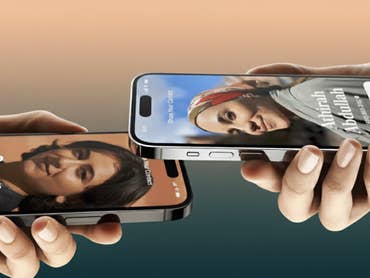
The European Commission recently announced it is accepting Apple’s pledges to open the Near Field Communication or NFC technology on its iPhones. The decision was made after a lengthy investigation initiated in 2020 which accused of Apple blocking third-party access to the key iPhone feature used for mobile payments and wallets.
How iPhone users could benefit from the opened payment tech
In the published report, the Commission agreed to the changes and plans laid by Apple earlier this year. These include opening up the payment system for third-party wallet providers and banks to utilize it for their services and apps without paying Apple.
More importantly, it lets users in the region set a different default mobile wallet other than Apple Wallet or Apple Pay. There are also no restrictions to the use of these services outside Europe.
Part of the commitments also allow outside companies and developers to take advantage of the double-click feature on the iPhone, which is utilized to launch the mobile wallet app. At the same time, competitors were given access to iOS security features like Face ID and Touch ID to authenticate payment transactions.
In addition, it mentioned transactions made using third-party wallets will use a new system called “Host Card Emulation mode” that provides the same level of security and experience as Apple’s on-device hardware security features to secure NFC payments.
It was also highlighted developers and rivals will have the ability to integrate other services into their NFC payment like digital IDs, tickets, boarding passes, transit cards, and more. With this, it provides an opportunity for rivals such as Google to fully deploy Google Wallet on iPhones.
The Commission has given Apple until July 25 to implement these changes while the commitments are said to be enforced for 10 years. An independent reviewer will also oversee the implementation.
Although the agreement also means the iPhone manufacturer will avoid any potential hefty fine from this antitrust probe, Apple faces another case in the bloc. In preliminary findings, the company was accused by the EU to have violated the Digital Markets Act. The Commission will be handling its final ruling in March 2025. If Apple is proven to breach the DMA, it could face a fine of up to 10 percent of its global revenue.
Do you think these changes will ultimately benefit most users without comprising the Apple experience? We want to hear your opinion on the matter.
We mark partner links with this symbol. If you click on one of these links or buttons–or make a purchase through them–we may receive a small commission from the retailer. This doesn’t affect the price you pay, but it helps us keep nextpit free for everyone. Thanks for your support!






0 comments