


0
4 Min.
Tesla once again causes a stir in the world of electric cars! In the USA, the electric car manufacturer has unveiled new, more affordable versions of the Tesla Model Y and the Tesla Model 3. The so-called standard models are intended to make entry into the Tesla world more affordable. Tesla is not replacing the previous variants, but simply expanding the range. The new models will target anyone who has been flirting with the idea of owning a Tesla for a while but has been put off by the price so far.
Xpeng G6 review: Is this Chinese EV a Tesla killer?
0
2 Min.
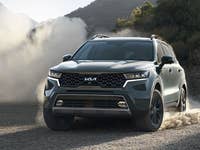
Fire is one of the most dangerous risks in automotive safety recalls, which is why manufacturers tend to prioritize it when detected. A similar issue recently affected nearly 200,000 BMW and Toyota vehicles. Now, Kia has been struck with a related hazard, prompting a recall of more than 39,000 vehicles.

0
2 Min.
Recent weeks have seen a wave of safety recalls affecting multiple carmakers, but the latest one may be the most serious yet. BMW is recalling nearly 200,000 vehicles in the United States due to a fire risk, and owners are being urged to stop driving and avoid parking their cars inside garages or near buildings until the issue is resolved.
0
2 Min.
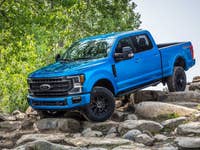
Ford pickup trucks are among the best-selling vehicles in the U.S., and while many prefer them for their rugged build and advanced features, they are not exempt from defects. In some cases, those defects are serious, like the latest safety recall affecting more than 115,000 Ford F-Series pickup trucks.
0
2 Min.
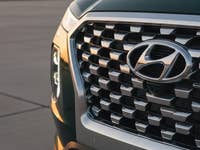
If you’ve been following the motoring world, you’ll know that massive recalls are affecting nearly every major brand and countless car models. Now, Hyundai joins that list with a major safety recall impacting over 560,000 Palisade vehicles. The defect involves the seatbelt system, which could put passengers and drivers at serious risk.
0
2 Min.
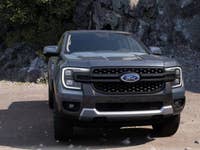
Ford’s Ranger pickup continues to make headlines, but not in the way you might expect. Following multiple recalls over the past year, the truck is once again involved in a major safety issue. This time, more than 100,000 vehicles are affected due to a potential airbag defect that increases the risk of injury during a crash.
0
3 Min.
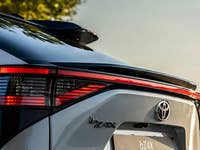
While Toyota is widely known for producing reliable and long-lasting vehicles, its cars are not immune to mechanical issues and system bugs, especially in newer models and electrified versions. The Japanese automaker is now facing two major recalls affecting approximately 591,000 vehicles and nearly 95,000 electric vehicles, affecting about 685,000 units in total. One of these recalls has even led Toyota to halt sales.
0
2 Min.
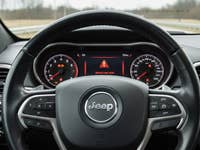
Following a massive recall in July, Jeep isn’t catching a break. The Chrysler-owned brand is now facing another recall. This time, it involves its Grand Cherokee plug-in hybrid SUVs due to a more serious flaw of sudden loss of propulsion, which significantly increases crash risk. Beyond the defect itself, the incident underscores a broader vulnerability in modern vehicles, especially EVs.
0
2 Min.
While Ford continues to promote improvements in vehicle quality, its safety recall streak shows no signs of slowing. Following recent issues involving a large number of its cars, the company is now facing another recall affecting approximately 500,000 vehicles. Ford has confirmed that a definitive fix will not be available until April next year, prolonging the wait for affected owners and increasing potential risks.
0
2 Min.
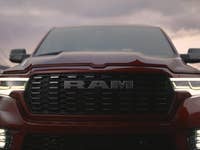
Huge US pick-ups such as the Tesla Cybertruck or pick-up truck models from the Stellantis brand, Ram, may soon be rolling onto Europe’s roads without any major hurdles. This is precisely what a current trade deal between the EU and the USA could make possible. While this sounds exciting at first, behind the shiny, new technology lies a whole host of safety risks, environmental damage, and traffic regulations in Europe.
Electric car batteries: Is the West losing out to China?