Sorry, aber gerade ist bei uns wirklich gar nix zu holen. Unser Server ist im Wartungsmodus – und unser kleiner Bot versucht gerade, mit letzter Energie die Fehlermeldungen zu sortieren.
Ob’s ein Daten-Leck, ein Stromausfall im Cluster oder einfach nur ein mies gelauntes Bit war – wir wissen es noch nicht. Was wir aber wissen:
Das Daten-Drama eskalierte zu einer Server-Schmelze. Aber keine Sorge: Wir sind dran.
Was jetzt?
Bei unseren Kolleg:innen von inside digital läuft bestimmt alles rund – schau doch mal vorbei!
Oder du vertreibst dir die Zeit mit einem Besuch auf unseren Social-Media-Kanälen – zum Beispiel Instagram, YouTube oder TikTok. Da gibt’s immerhin keine Serverprobleme – versprochen.
Danke für deine Geduld. Unser Bot rebootet schon mit Hochdruck. 🔧
NewsSamsung's New 200 MP Sensor May Feature in the Galaxy S25 Ultra
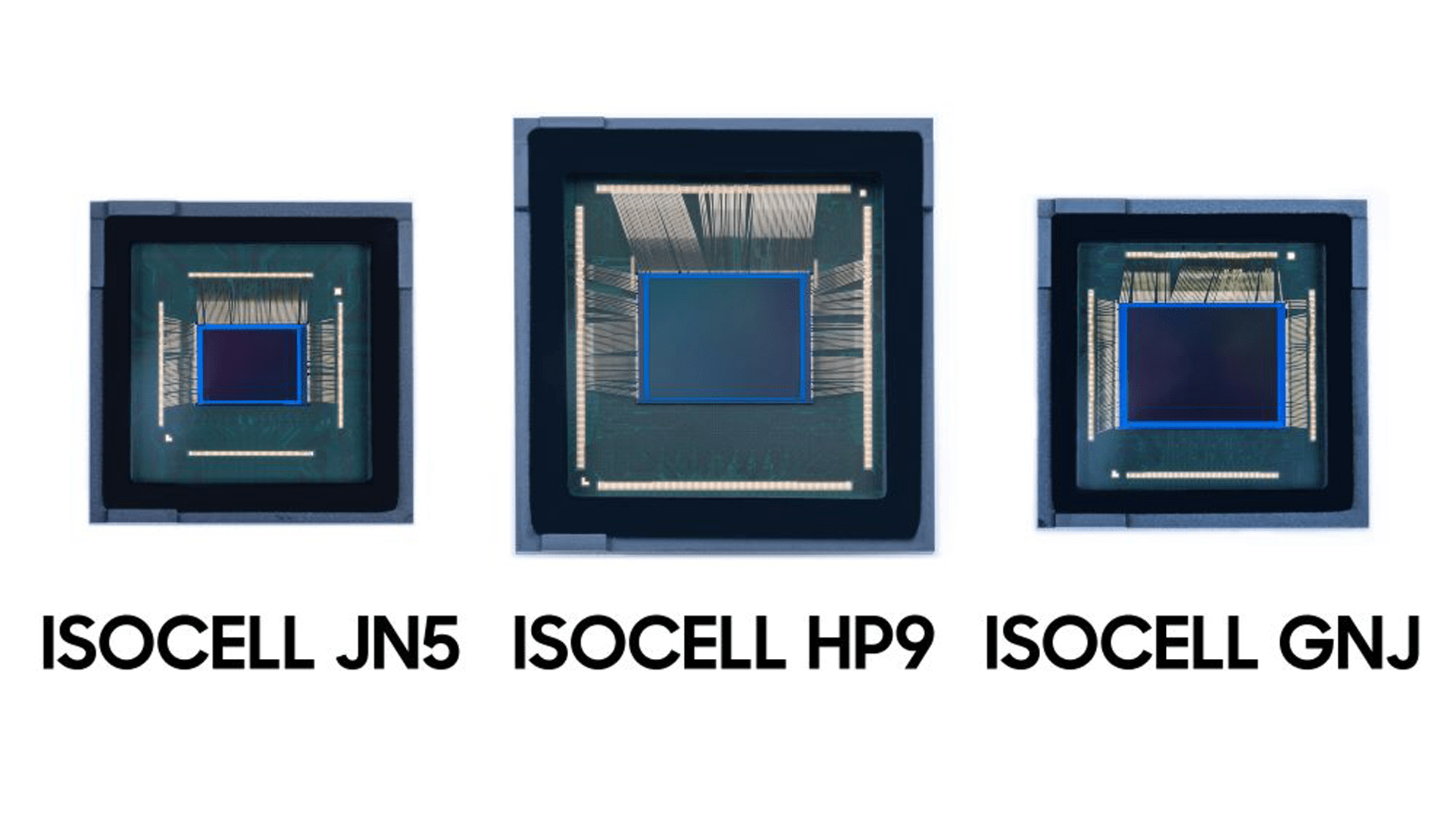
Apart from manufacturing great smartphones, Samsung is also known to roll out imaging sensors that are utilized by other brands. The South Koreans will debut three new sensors, of which among them may end up in its upcoming camera phones including the Galaxy S25 (Ultra) and Galaxy Z Flip 6.
New 200 MP telephoto sensor
The camera sensor trio is headlined by an ISOCELL HP9. It boasts a 200 MP resolution with a 0.56-micrometer pixel size and a 1/1.4-inch sensor size. Samsung claims the sensor is 12 percent more sensitive to light and 10 percent better in autofocus contrast compared to its predecessor.
Samsung’s ISOCELL HP9 was primarily designed to be utilized in a telephoto camera and supports tetra pixel binning technology. This can produce images in 12 MP resolution by combining 16 pixels into one, which should result in sharper images. There’s also an in-sensor zoom of 2x and 4x while it can be used in tandem with a telephoto lens for extended zoom levels of up to 12x.
Surprisingly, the sensor is already found in the Vivo X100 Ultra, which is used with the handset’s periscope module. Samsung has not confirmed if the 200 MP sensor will find its way to its upcoming camera phones, but if this were to happen, the most probable candidate would be next year’s Galaxy S25 Ultra.
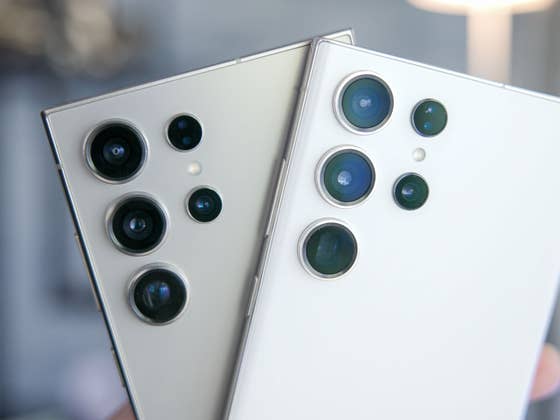
With the current Galaxy S24 Ultra (review) sporting a dated 10 MP 3x telephoto camera, it might make sense for Samsung to adopt the 200 MP ISOCELL HP9 in the Galaxy S25 Ultra. Eventually, the new sensor might provide it with a significantly better 3x telephoto snapper while the remaining setup will be composed of 0.5x, 1x, and 5x capabilities.
New primary shooter for the Galaxy S25?
Samsung will also introduce a new 50 MP ISOCELL GNJ, which is a dual-pixel sensor with a size that spans 1/1.57-inch wide while boasting a 1.0-micrometer pixel size. The dual-pixel design allows for faster and more accurate focus and improved power efficiency when shooting video. Meanwhile, the new sensor layer is said to reduce unwanted reflections and offers better light handling.
So which Galaxy camera phones the ISOCELL GNJ could debut in? It’s likely to arrive in the company in high-end and flagship smartphones, including the Galaxy S25. It will also not be surprising if the forthcoming Galaxy Z Flip 6 and Galaxy Z Fold 6 will feature the said sensor.
A better selfie camera
The ISOCELL JN5 is another 50 MP sensor from the trio. However, unlike on the GNJ, this is a slimmer and more compact version which comes in a 1/2.76-inch sensor size and 0.64-micrometer pixels. Due to its form factor, it’s intended to be utilized in the selfie, ultra-wide, or telephoto cameras rather than a main shooter.
While the ISOCELL JN5 is a successor to the ISOCELL JN1 in terms of featuring the same resolution and size, the new sensor offers enhanced low-light shooting by reducing noise in images. In addition, it carries over Samsung’s Super Quad Phase Detection for less blurry shots.
Which one of these sensors would you like to see in your smartphone? Let us know in the comments.
We mark partner links with this symbol. If you click on one of these links or buttons–or make a purchase through them–we may receive a small commission from the retailer. This doesn’t affect the price you pay, but it helps us keep nextpit free for everyone. Thanks for your support!




0 comments