

Smart tags have long since ceased to be a niche market, but it was Apple that really made these little locators suitable for everyday use. Although the actual, working Bluetooth range of such trackers is limited to around 50 meters and they do not have their own GPS, the global network of millions of iPhones solves this problem. This makes worldwide tracking possible — extremely energy-efficient and sans any monthly fees.
Google has also now followed suit with its “Find My Device” network. The difference? Google does not (yet) build its own hardware, but left the heavy lifting to its partners. If you were to buy a capable third-party model like this, you will also benefit from global coverage.
Finally, an AirTag for Android
Until now, however, Android trackers have suffered from one crucial detail: the pinpoint accuracy when searching was often missing. While Apple users can locate their keys down to the centimeter within the deep confines of a sofa’s crevices (Precision Finding), Android has often only shown a rough proximity — i.e. whether the device is within Bluetooth range or not. The reason for this? The lack of an ultra-wideband chip (UWB), which is necessary for this accuracy.
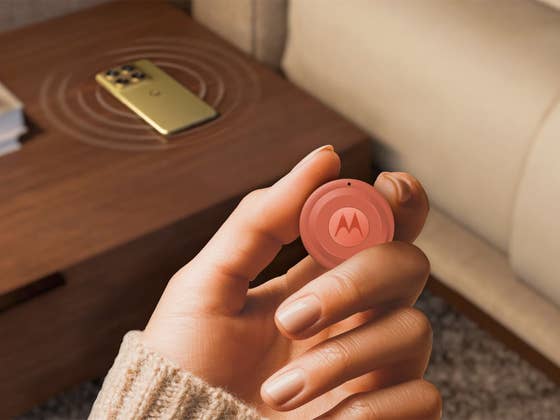
Motorola has now solved this at CES in Las Vegas: The Moto Tag 2 is basically the long-awaited AirTag equivalent for the Android camp with a full feature set. Thanks to the integrated UWB chip, you can not only track the tracker worldwide via Google’s network, but also locate it in the room down to the exact centimeter.
Moto Tag 2 Unveiled
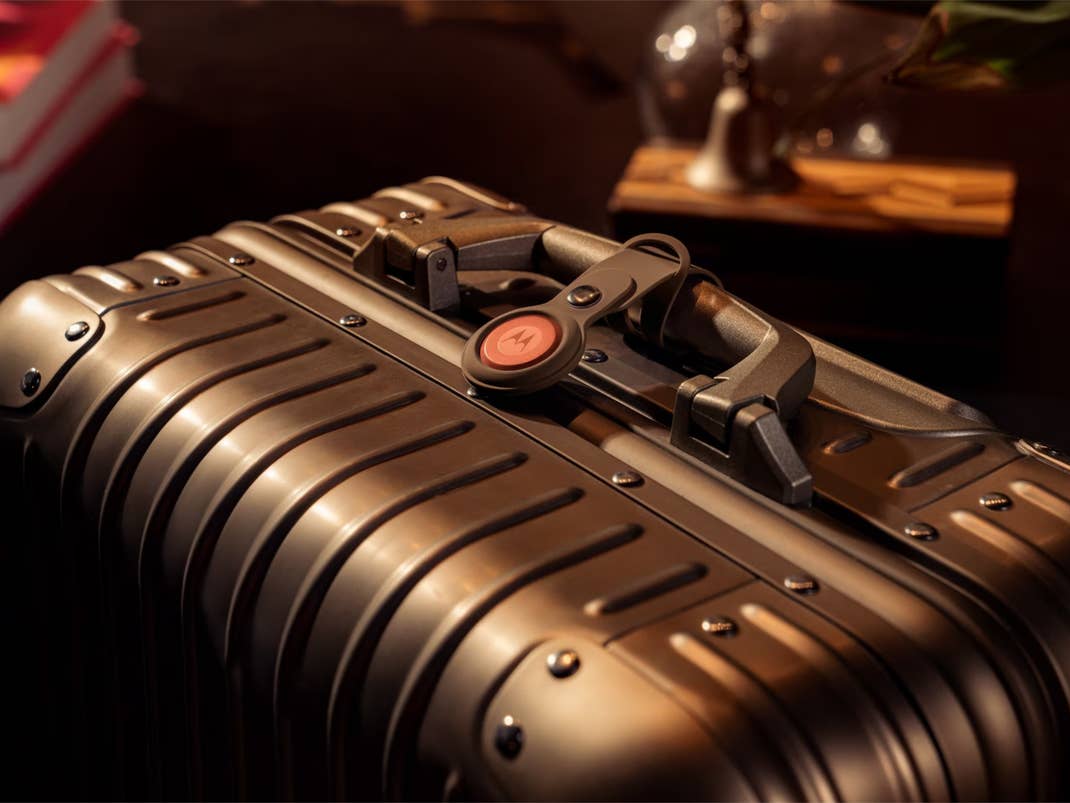
Similar to the model from Cupertino, Motorola also relies on a replaceable CR2032 button cell and promises a battery life of up to 600 days. The fact that no permanently installed lithium-ion battery is used has strategic advantages: first, the battery lasts significantly longer, and second, trackers without a lithium battery are allowed into the cargo hold of airplanes. This means that you can check in and track your suitcase at check-in without any worries.
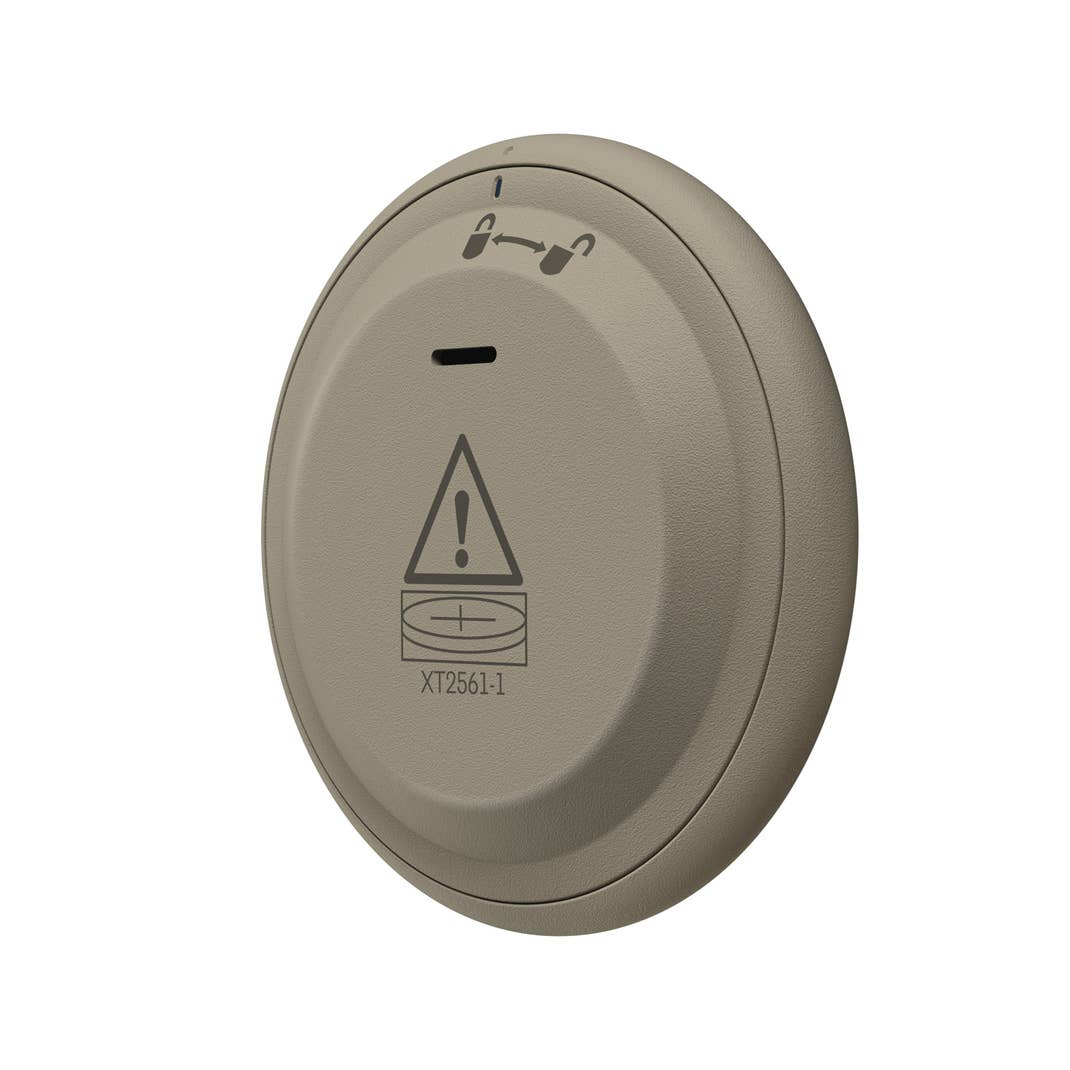
The Moto Tag 2 is available in two color variants. One particularly clever move: The dimensions are so close to the Apple counterpart that you can theoretically use the gigantic range of AirTag accessories. However, the integrated button is a truly unique selling point compared to Apple: If the camera app on your smartphone is active, the Moto Tag 2 serves as a practical remote shutter release for photos.
Motorola’s price is directly in line with the competition: a single tag costs €39, the 4-pack costs €139. An exact release date is still missing, with availability is only stated as “coming soon”. Do note that there is no US pricing yet as well since Motorola has not announced a release date in that part of the world, too.
Will you buy the Moto Tag 2 or are you waiting for Google’s own hardware?
We mark partner links with this symbol. If you click on one of these links or buttons–or make a purchase through them–we may receive a small commission from the retailer. This doesn’t affect the price you pay, but it helps us keep nextpit free for everyone. Thanks for your support! Prices are based on the date of publication of this article and may be subject to change.