Ford's Ranger pickup continues to make headlines, but not in the way you might expect. Following multiple recalls over the past year, the truck is once again involved in a major safety issue. This time, more than 100,000 vehicles are affected due to a potential airbag defect that increases the risk of injury during a crash.
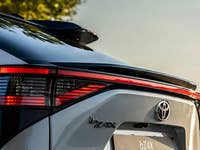
While Toyota is widely known for producing reliable and long-lasting vehicles, its cars are not immune to mechanical issues and system bugs, especially in newer models and electrified versions. The Japanese automaker is now facing two major recalls affecting approximately 591,000 vehicles and nearly 95,000 electric vehicles, affecting about 685,000 units in total. One of these recalls has even led Toyota to halt sales.
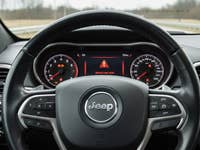
Following a massive recall in July, Jeep isn’t catching a break. The Chrysler-owned brand is now facing another recall. This time, it involves its Grand Cherokee plug-in hybrid SUVs due to a more serious flaw of sudden loss of propulsion, which significantly increases crash risk. Beyond the defect itself, the incident underscores a broader vulnerability in modern vehicles, especially EVs.
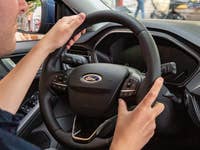
While Ford continues to promote improvements in vehicle quality, its safety recall streak shows no signs of slowing. Following recent issues involving a large number of its cars, the company is now facing another recall affecting approximately 500,000 vehicles. Ford has confirmed that a definitive fix will not be available until April next year, prolonging the wait for affected owners and increasing potential risks.
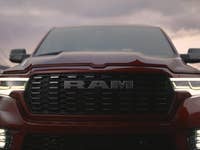
Huge US pick-ups such as the Tesla Cybertruck or pick-up truck models from the Stellantis brand, Ram, may soon be rolling onto Europe's roads without any major hurdles. This is precisely what a current trade deal between the EU and the USA could make possible. While this sounds exciting at first, behind the shiny, new technology lies a whole host of safety risks, environmental damage, and traffic regulations in Europe.
Electric car batteries: Is the West losing out to China?
A new Mercedes recall is making the rounds and concerns some popular models from the Stuttgart-based manufacturer. Specifically, this time it affects compact vans. But don't panic, because Mercedes-Benz already has a simple solution on hand: a free software update should help to eliminate the newly discovered faults.
It's a small detail in the VW ID.4 that is currently causing trouble. Normally, we talk about things like range, charging times, or software bugs when it comes to electric cars. But this time it's about something that could easily be overlooked: the touch fields on the steering wheel. These are currently at the center of a rather controversial discussion - and even in court.
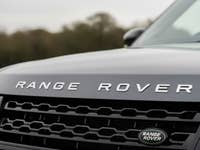
While Range Rover models are some of the top choices for tough driving in different terrains, they're not always immune to failure. Jaguar Land Rover has sent out an urgent warning to drivers of over 121,000 vehicles affected by a potential suspension defect that increases the risk of a fatal crash.
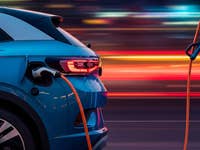
You're probably familiar with the situation: you plug your electric car into a fast-charging station, look forward to fast-charging times - and then? Instead of the advertised 150 kW, the charging display jerks along at a leisurely 60 or 70 kW. Annoying, isn't it? But don't worry: we'll tell you why and what you can do to ensure that your electric car really accelerates when fast charging. The charging performance depends on several factors - battery temperature, charging station technology, charging curve, etc. If you keep these points in mind, you can save valuable time when using DC or HPC fast charging.
Ford wants a slice of the EV pie! The US car giant is investing a whopping two billion dollars in its plant in Louisville, Kentucky, to place more affordable electric cars on the road from 2027. The aim? To stop the growing tide of competition from China, especially brands such as BYD, which offer their electric cars at competitive prices.
Xpeng G6 review: Is this Chinese EV the Tesla killer?