Sorry, but there's really nothing to see here right now. Our server is in maintenance mode – and our
little bot is trying to sort the error messages with its last bit of energy.
Whether it was a data leak, a power outage in the cluster, or just a grumpy bit – we don't know yet.
But what we do know is:
The data drama escalated into a server meltdown. But don't worry: We're on it.
What now?
Everything is surely running smoothly over at our colleagues from inside
digital – why not stop by!
Or you could pass the time by visiting our social media channels – for example Instagram, YouTube or TikTok. At least there are no
server problems there – promised.
Thanks for your patience. Our bot is already rebooting at full speed. 🔧
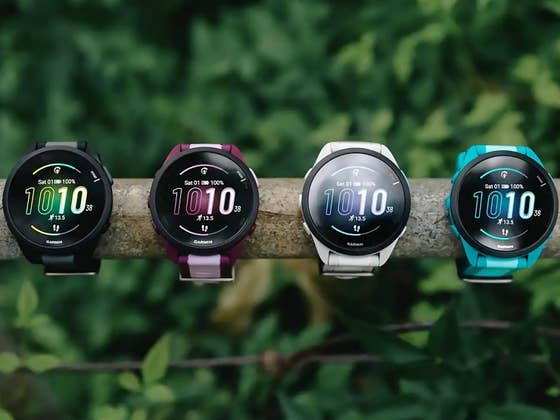
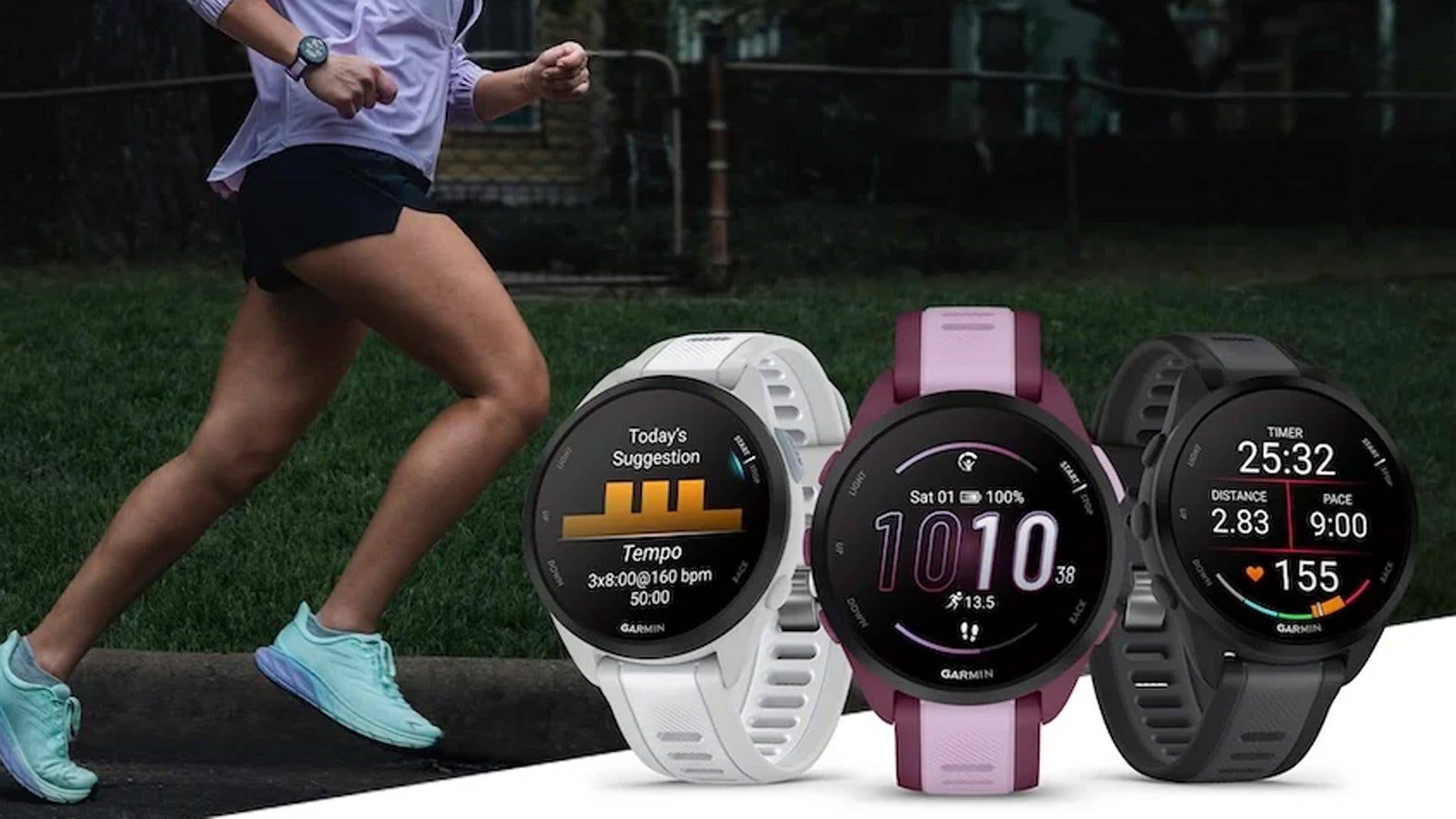
It was fairly recent for Garmin’s smartwatches to feature AMOLED screens. Before that, they relied on MIP screens, which do carry a few advantages in selected areas but remain fairly behind AMOLED in many ways. The company expanded the adoption of AMOLED screens to its running smartwatch models by launching even a cheaper AMOLED-equipped model—the Forerunner 165 series.
Garmin Forerunner 165 features and specifications
For starters, the Forerunner 165, which comes in standard and Music edition, which is a slightly muted version of the Forerunner 265 (review). It has the same round form factor albeit sporting a slightly smaller circular touchscreen panel at 1.2-inches with 390×390 pixels resolution. This is protected by a chemically-strengthened glass instead of the Gorilla Glass 3 on the pricier Forerunner 265.
The smartwatch receives a similar 5 ATM waterproof rating in addition to the case being made from fiber-reinforced polymer. You can also find five physical buttons around the device. More notably, it is slightly lighter, tipping the scales at a mere 39 grams without a case. The wearable comes with a replaceable silicone strap measuring 20 mm in size.
In terms of fitness tracking, you’ll get the same capabilities on both Forerunner lines. The Forerunner 165 comes with a wide array of activity tracking features for regular workouts and in-depth race training tools, including Race Adaptive Training Plans and Running Power and Dynamics.
The well-being section is fronted by an optical heart rate sensor via the older Elevate V4 sensor, blood oxygen monitoring, sleep and stress management, and nap detection, among others. There is also a guided meditation and safety features such as incident detection and live tracking.
In addition, the Forerunner 165 is compatible with Android smartphones and iPhones. It supports smart features like notifications and Find My via Bluetooth. On the other hand, the Forerunner 165 Music edition gets Wi-Fi connectivity and integrated memory to store music tracks that you can play even without a connected smartphone. Likewise, both standard and Music variants will feature remote smartphone playback control.
The differences between the Forerunner 165 and 265 lie primarily in the sensors. With the 165, there is only a single-frequency GPS rather than a more accurate dual-frequency GPS on the latter. The cheaper smartwatch dropped the gyroscope sensor and has a slightly shorter battery life at 11 days compared to 13 days on the 265.
Despite the minimal differences in features to the Forerunner 265, the Forerunner 165 is steeply discounted at $250 a pop, or $200 cheaper, while the Forerunner 165 Music will set you back at $300.
With a cheaper entry price, do you intend to buy the Forerunner 165 over the Forerunner 265? Let us hear your opinion.
We mark partner links with this symbol. If you click on one of these links or buttons–or make a purchase through them–we may receive a small commission from the retailer. This doesn’t affect the price you pay, but it helps us keep nextpit free for everyone. Thanks for your support!