Sorry, but there's really nothing to see here right now. Our server is in maintenance mode – and our
little bot is trying to sort the error messages with its last bit of energy.
Whether it was a data leak, a power outage in the cluster, or just a grumpy bit – we don't know yet.
But what we do know is:
The data drama escalated into a server meltdown. But don't worry: We're on it.
What now?
Everything is surely running smoothly over at our colleagues from inside
digital – why not stop by!
Or you could pass the time by visiting our social media channels – for example Instagram, YouTube or TikTok. At least there are no
server problems there – promised.
Thanks for your patience. Our bot is already rebooting at full speed. 🔧
NewsVR & ARGoogle’s Android XR Devices Are Starting to Be Mind-Blowing
Google is doubling down on Android XR with a major update and fresh hardware plans. The new features hint at how XR could move beyond headsets and into everyday devices, making the platform a more compelling rival to Apple or Meta’s XR foray.
Following the Android XR reveal last year, the first hardware powered by the platform only arrived in October with the Samsung Galaxy XR. Now, Google has announced a new update that will roll out to the wearable, bringing a fresh set of features that are also expected to appear in future devices. The company has additionally teased the first wave of smart glasses that will run on the platform.
The fresh Android XR features begin rolling out to Galaxy XR starting today. However, most of these are still in beta, so users may expect hiccups and improvements along the way.
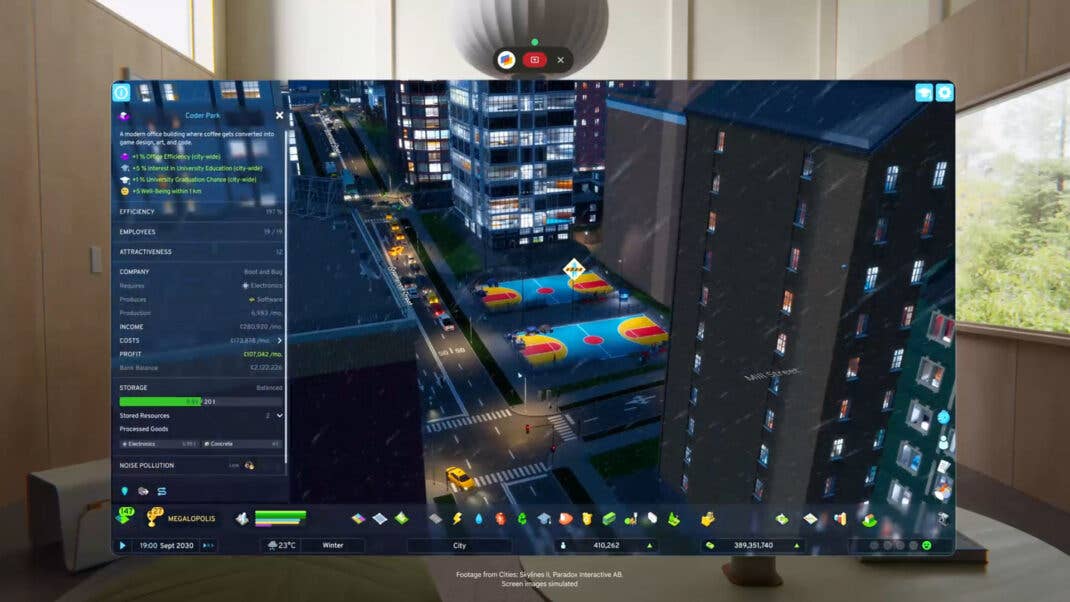
One of the new features is PC Connect, which enables Android XR headsets to link with Windows PCs. Users can bring the desktop or individual windows into XR mode, and this works with native Android XR apps. It is useful for expanding the limited screen space of a laptop or PC and improving productivity on the go. It also supports gaming, making the experience more immersive.
Another addition is a new travel mode, which transforms the view into an expansive cinema or immersive workspace. It optimizes the virtual display and reduces unnecessary movement.
Android XR headsets now support integration with Windows PC via the PC Connect feature. Image source: Google
Google is also introducing Likeness, a feature that lets users create lifelike 3D avatars of their faces for use during video calls. These avatars mirror facial expressions and hand gestures, giving participants a stronger sense of presence.
This feature may eventually expand to headsets with external or cover displays, similar to Apple Vision Pro’s spatial persona. With these updates, Google is clearly taking cues from Apple’s XR platform. All of these features announced are rolling out in beta.
Android XR Glasses to Arrive in 2026
Google is giving more attention to the glasses form factor, continuing to tease ahead of the first Android XR glasses set to arrive next year.
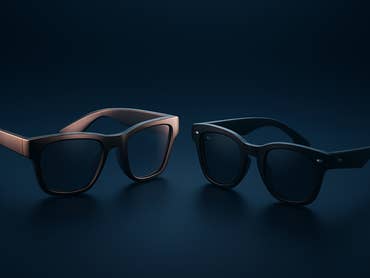
For smart glasses, which Google calls AI glasses, the platform will support both discrete models without displays and display‑equipped AI glasses. The latter will feature built‑in screens similar to the original Google Glass and the Meta Ray‑Ban Display smart glasses. These wearables will include speakers, microphones, and cameras, and will integrate with Gemini for natural language and contextual awareness, much like the Ray-Ban smart glasses.
The first Android XR AI and XR smart glasses will launch in 2026. Image source: Google
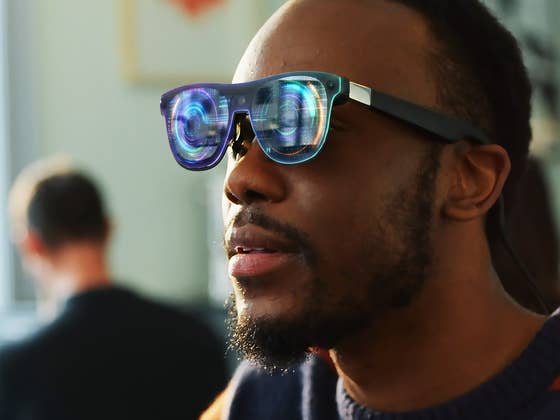
Google is also adding wired XR glasses to the mix, targeting a different market segment. It has partnered with Xreal to create Project Aura, the first device in this category and a testbed for future development. The device features see‑through lenses with a 70‑degree field of view.
Unlike XR headsets, XR glasses allow users to experience immersive features while staying aware of their surroundings. This makes them suitable for scenarios such as hands‑on training and guided activities. They also support hand and head gestures, as shown in Google’s shared materials.
There is no word yet on when Project Aura will be available to consumers. Google has said it plans to share more details about the new XR segment and devices next year.
What are your thoughts on Android XR? What features would you like Google to add to the platform that might convince you to choose it over Apple or Meta’s XR alternatives? Share your ideas in the comments.
We mark partner links with this symbol. If you click on one of these links or buttons–or make a purchase through them–we may receive a small commission from the retailer. This doesn’t affect the price you pay, but it helps us keep nextpit free for everyone. Thanks for your support!