

With Android 16 already rolled out to most manufacturers, all eyes are now on Android 17. While the developer preview of the update has seen a slight delay, a steady stream of leaks and reports continues to pour in. These give us insight into what we can expect.
The latest leak hints that Google is tweaking a major section of the user interface. Such a move could prove controversial for many longtime users.
Google Following the Lead of Samsung and Xiaomi
On Telegram, a leaker known as Mystic Leaks shared that Google is continuing to overhaul the system controls for Android 17, which is internally codenamed Cinnamon Bun. According to the tipster’s findings, this section will receive a notable revamp in two major ways.
First, it will adopt a dual shade design that drops the unified panel we have used for years. Second, it will introduce new, dedicated connectivity toggles for Wi-Fi and cellular data.
A video shared by the leaker shows the redesigned interface using a split layout. This new look shows clear similarities with the software skins used by other brands, such as Samsung’s One UI and Xiaomi’s HyperOS. The demo shows that swiping down from the left side of the status bar opens the notifications panel, while swiping down from the right opens the system controls.
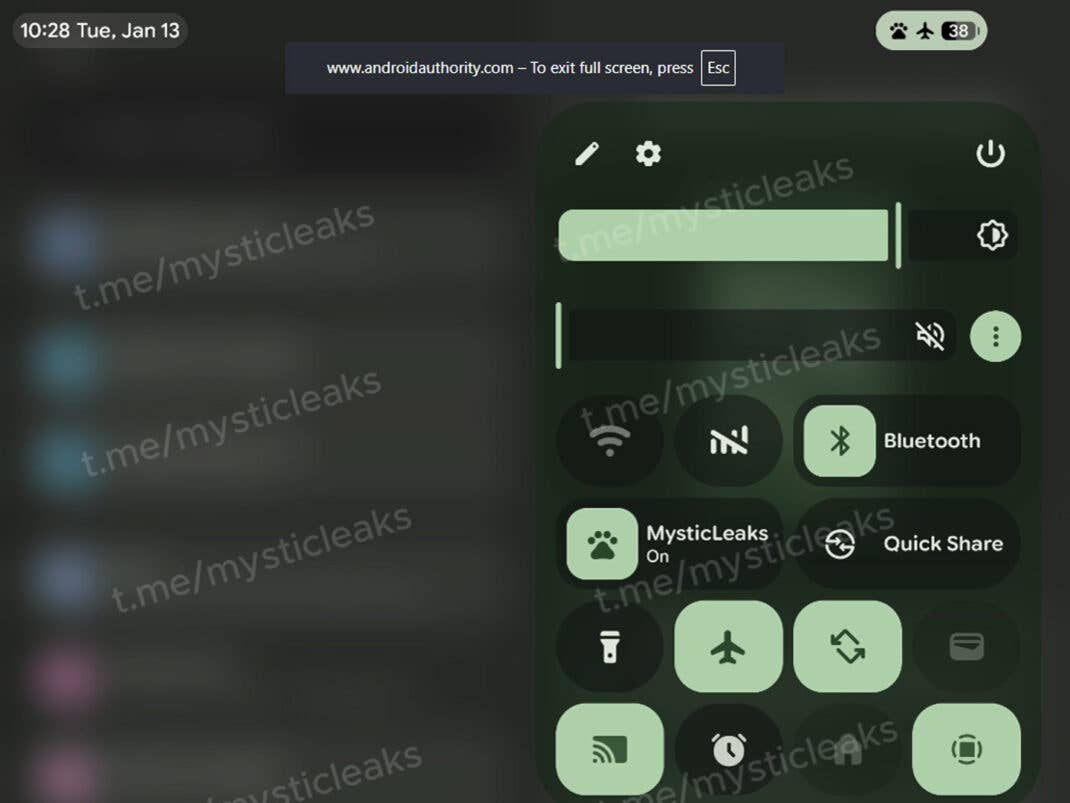
Fortunately, it appears that this new gesture will be optional for smartphone users. The settings menu reveals a new section where users can choose between a Separate split design or the combined classic look. This is great news for those who prefer the current layout. This finding supports the earlier report of Android Authority.
However, it is noted that large screen devices like tablets and foldables will default to the Separate style, mirroring the way Galaxy tablets operate. While having separate panels may suit two-handed use on larger screens, it will certainly require a period of adjustment for many.
A Faster Way to Manage Wi-Fi and Mobile Data
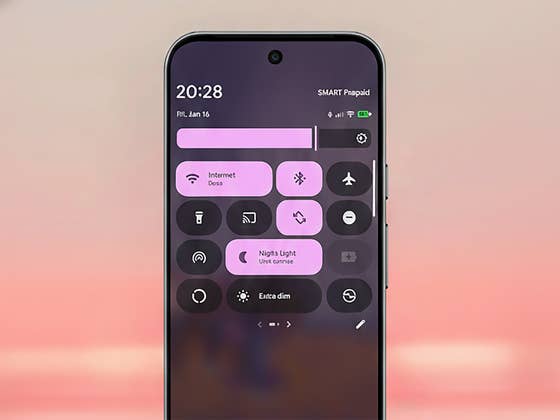
In addition to the new split layout, Android 17 will bring individual toggles for Wi-Fi and cellular data. This is a notable departure from the current design, where both shortcuts are tucked inside a single Internet tile. Many users prefer having dedicated buttons because the current unified tile requires extra touches just to enable or disable a specific connection.
Beyond these interface changes, other known features for Android 17 include expanded theming and deeper customization options. There is also a smarter, AI-powered search feature that has already been seen in some custom Android versions. Much of the remaining detail is still under wraps as Google has yet to release the official Android 17 developer build.
Google is expected to fully announce Android 17 in May at the Google I/O 2026 conference.
If you had to choose between the current layout and this upcoming redesign, which would you prefer? We want to hear your feedback in the comments.
We mark partner links with this symbol. If you click on one of these links or buttons–or make a purchase through them–we may receive a small commission from the retailer. This doesn’t affect the price you pay, but it helps us keep nextpit free for everyone. Thanks for your support! Prices are based on the date of publication of this article and may be subject to change.