

0
2 Min.
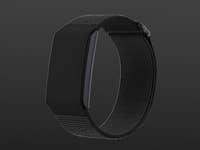
The Helio Strap, Amazfit’s screenless competitor to the Whoop, was launched last month. It costs less than $100, which is a fraction of the price of Whoop and other high-end smartwatches. Beyond its affordability, it also features advanced tracking tools at no additional cost. Amazfit has now rolled out an update that further enhances one of its powerful features in the fitness tracker.
Also read: Amazfit T-Rex 3 review
0
3 Min.
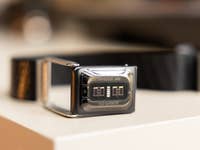
Whoop expanded its screenless wearable range and subscription tiers in May with the new Whoop 5.0 and Whoop MG (Medical Grade). The latter is the most expensive option, featuring advanced tracking tools, including Blood Pressure Insights. However, the FDA has now flagged this specific feature and released a warning letter to the company, claiming it’s being marketed without proper approvals.

0
3 Min.
Did you think keyboards and mice would last forever? Wrong. Meta has just unveiled a futuristic piece of technology worthy of a sci-fi movie: a wristband that reads your gestures… and even your intentions.
0
4 Min.
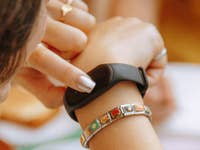
Amazon has acquired Bee, an AI startup that has developed a rather disturbing product. This gadget looks like an ordinary Fitbit-type connected bracelet, but it actually contains microphones that record everything you say. Should we be worried about Amazon’s acquisition of such a product, one of the world’s most data-hungry companies?
0
3 Min.
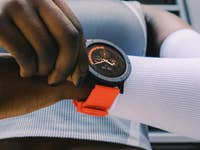
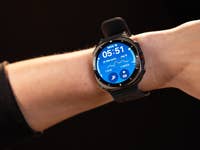
Apart from Nothing’s very own line of smartwatches, it also offers cheaper options with its CMF sub-brand, which proves to be popular. The CMF lineup was headlined by the CMF Watch 2 Pro last year. Now, it is getting a successor through the new CMF Watch 3 Pro. The new budget watch brings a handful of new premium features and beefier specs, but it keeps the price under $100.
2
3 Min.
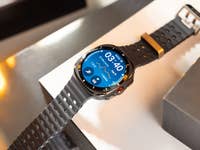
The One UI 8 Watch update, announced with the Galaxy Watch 8 and Watch Ultra (2025), is considerably a major leap forward for the Galaxy Watch in terms of features. While it was expected to hit later for earlier Watch models, Samsung seems to surprise us by releasing the major Wear OS 6-based software today, with the original Watch Ultra getting the first dibs.
0
2 Min.
If you’re on the hunt for the most rugged and capable Android smartwatch to date, the Samsung Galaxy Watch Ultra is our top pick. And right now, you can pick up the Galaxy smartwatch at near half its price. It just plunged to $379 on Amazon, which slashes its price by $270 (44%) from $699.

0
4 Min.
“Drink more water” is one of the most common pieces of health advice out there. The general rule of thumb is that most people should aim for 1.5 to 2 liters of water a day. Simple enough in theory. But in practice, how do you really know if you are hydrated? Thirst, fatigue, and headaches are usually late-stage signs that you are already running low.

0
4 Min.
If you feel like your workouts no longer deliver results the way they did in your early twenties, it is not a glitch in the system. It is simply how the body works. After 30, muscle loss happens naturally and progressively. And if, like me, you only started paying real attention to your fitness after 40, the good news is that there is indeed a smarter way to train in order to gain and maintain muscle.
0
6 Min.
For a while, whenever people talked about wearables, it was all about smartwatches. The Apple Watch, Galaxy Watch pretty much owned the spotlight thanks to big brands and how well they worked with our phones. But that’s changing. Now people are looking for devices that are dependable, subtle, and always working in the background to monitor their health.