

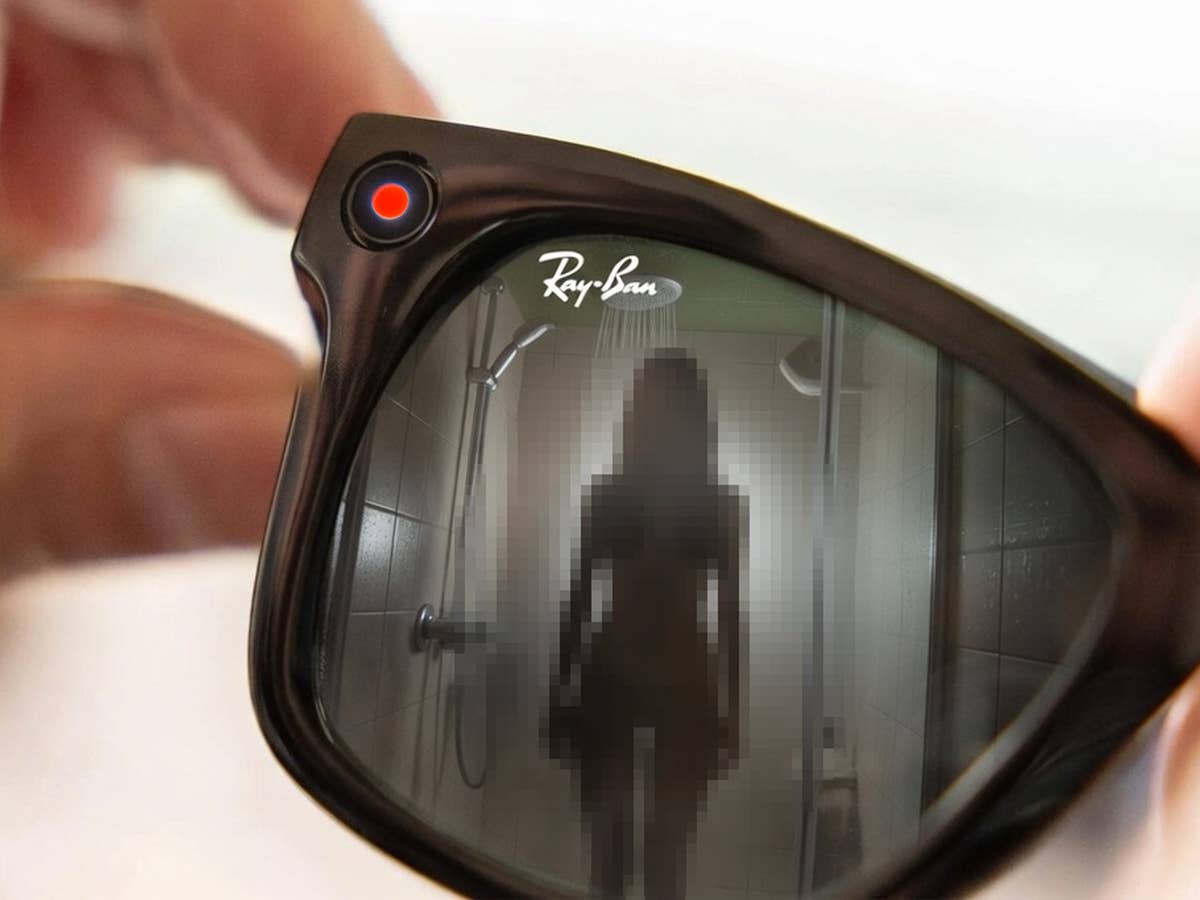
Meta’s handling of user data and privacy has long been criticized due to exploitative practices. While several measures have been introduced to address security lapses, it appears these issues persist. Now, Meta’s popular Ray-Ban smart glasses are allegedly sending highly sensitive videos, including footage of nudity, to third-party data reviewers.
Whistleblowers Detail Meta Can See What Your Glasses Can See
The allegations were first reported by the Swedish outlet Svenska Dagbladet or SvD (via 9to5Mac), which cited whistleblowers from a third-party contractor named Sama, based in Kenya. Such groups are believed to be hired by Meta to review recorded video and audio footage from smart glasses, which are then used to train and improve AI models.
In interviews, employees stated they are tasked with annotating videos to improve the AI recognition capabilities of the glasses, and sometimes performing transcriptions. However, beyond standard video feeds, these reviews allegedly include sensitive footage accidentally recorded and sent to Meta unbeknownst to users.
One employee described seeing “everything from living rooms to naked bodies.” There are also instances where reviewers reportedly saw users watching pornography or revealing sensitive financial details, such as credit card numbers.
“There are even sex scenes filmed with the smart glasses—cases where someone is wearing them while having sex. That is why this is so extremely sensitive. There are cameras everywhere in our office, and you are not allowed to bring your own phones or any device that can record,” stated one of the employees.
Consequently, it is probable that some users unknowingly agreed to share extra data while activating an AI feature that triggers recording. Once captured, this footage is likely sent, which is either randomly or systematically, to Meta’s servers for human review.
The Hidden Cost of AI
There is little transparency regarding how Meta manages and stores the video data used for AI training. While the company utilizes end-to-end encryption for its messaging services, it is unclear if those same security standards are applied to the sensitive footage captured by its smart glasses.
SvD tested a pair of the glasses purchased in Sweden and noted that the wearable frequently connects to Meta’s servers in Sweden and Denmark to run many of its AI and non-AI functions.
At this time, the company has not issued a statement to disprove the allegations or offer insight. However, given Meta’s history of mishandling user data, these reports are not entirely surprising. Meta’s Ray-Ban smart glasses have already been at the center of several privacy and security concerns regarding infringement and misuse, even before this incident.
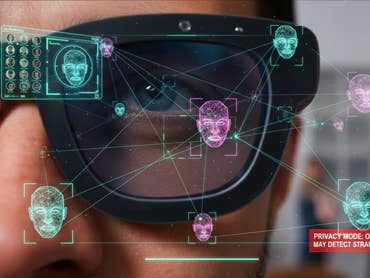
Compounding these issues, Meta has reportedly planned to add facial recognition capabilities to its wearable devices. This has sparked further privacy concerns regarding surveillance and extensive data collection.
What are your thoughts on Meta’s Ray-Ban smart glasses? Do you believe your footage is safe on your device, or do you suspect the company maintains unauthorized access? We want to hear your answers in the comments below.
We mark partner links with this symbol. If you click on one of these links or buttons–or make a purchase through them–we may receive a small commission from the retailer. This doesn’t affect the price you pay, but it helps us keep nextpit free for everyone. Thanks for your support! Prices are based on the date of publication of this article and may be subject to change.