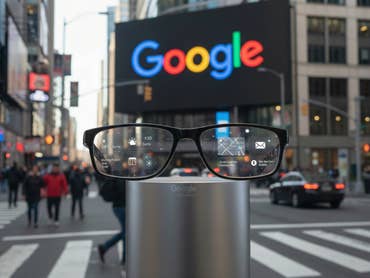


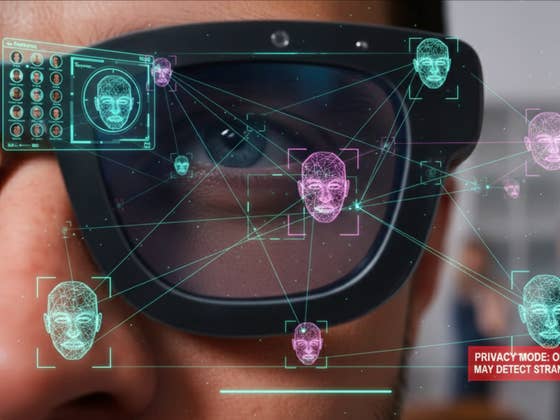
According to a report by The New York Times, citing employees familiar with the matter, Meta is planning to launch a facial recognition feature for its smart glasses as soon as this year. Internally dubbed “Name Tag,” the feature would allow wearers to identify individuals and pull up online information based on faces the glasses scan in public.
How Meta Glasses’ Name Tag Might Work
Meta is still refining exactly who the smart glasses should be able to identify. Current internal discussions suggest the technology may prioritize public figures, users with public Facebook or Instagram profiles, or accounts already connected to the wearer on Meta’s platforms, such as friends and family. Meta is also positioning this as a vital accessibility tool, designed to help blind or low-vision users identify people in their surroundings.
By integrating facial recognition with the Meta AI chatbot that already powers the device, the company aims to stay ahead of rivals such as Apple and Samsung. However, to avoid immediate regulatory backlash, Meta is reportedly refraining from making the feature a universal surveillance tool that recognizes every person in the vicinity in real-time, which is a concept reminiscent of the core themes in the futuristic film Minority Report.
Scrutiny and Ethical Concerns
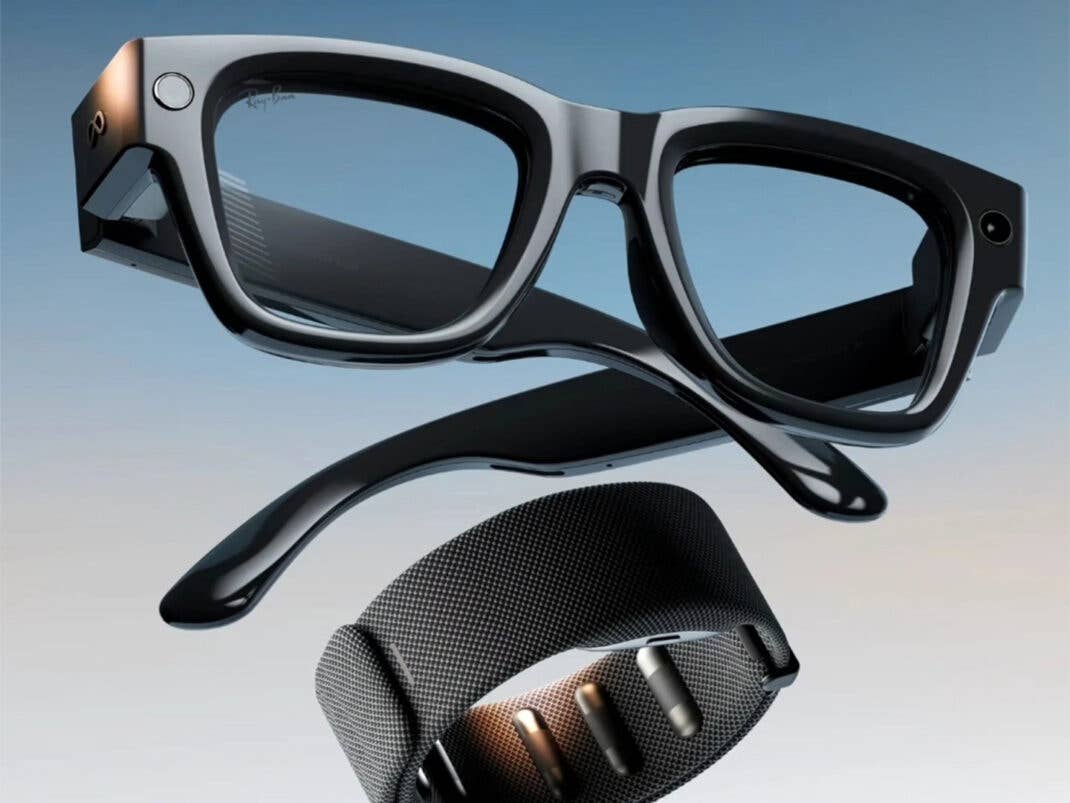
This measured approach is a clear attempt to navigate the intense scrutiny of privacy advocates and politicians. The ethics of wearable surveillance were highlighted in 2024 when two Harvard students modified Ray-Ban Meta glasses (review) to automatically identify strangers and display their home addresses in real-time. Meta is now developing its own safeguards to reduce criticism of its official version of the technology.
Intriguingly, an internal memo from Meta’s Reality Labs in May 2025 suggested that the company viewed the current political climate in the U.S. as a strategic window for the launch. “We will launch during a dynamic political environment where many civil society groups that we would expect to attack us would have their resources focused on other concerns,” the memo stated.
A Second Attempt at Facial Recognition
Facial recognition is a sensitive subject for Meta. The company originally planned to include the feature in its first-generation glasses but backed down due to technical and social hurdles. Long before that, Meta faced massive lawsuits over its facial recognition feature on Facebook, which eventually led the company to shut down its centralized facial recognition system and delete over a billion faceprints in 2021.
Ultimately, Meta views facial recognition as a testbed for future “super-sensing” capabilities. These future products could potentially record a wearer’s entire day, allowing them to later search through their memories or transcribe past meetings with friends effortlessly. This is also something other companies want to deliver. One of these is OpenAI, with its rumored pin-like AI device.
While there is no concrete release date, the update is expected to roll out to the current Ray-Ban Meta glasses, Ray-Ban Display, and the newer Oakley Meta HSTN sports line.
We mark partner links with this symbol. If you click on one of these links or buttons–or make a purchase through them–we may receive a small commission from the retailer. This doesn’t affect the price you pay, but it helps us keep nextpit free for everyone. Thanks for your support! Prices are based on the date of publication of this article and may be subject to change.