

Google is planning to re-enter the smartglasses market in 2026 with two AI-powered models that could discreetly make your everyday life smarter. The wearables market is growing rapidly, led by models such as Ray-Ban Meta Glasses, and it promises to partially replace smartphones. This is why Google is focusing on setting new standards with Gemini and Android XR.
Two Variants: Audio-Only and Display Smartglasses
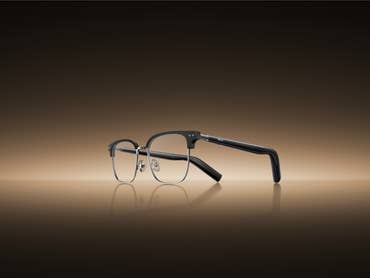
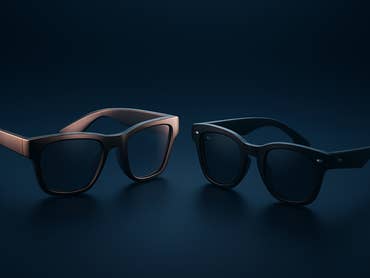
The plans include two different variants, both of which work with Google’s AI assistant Gemini and are connected via your smartphone. This keeps them light and suitable for everyday use. First comes an audio-only version without a display, which relies on speakers, a microphone, and a camera to provide functions such as real-time translations or navigation tips.
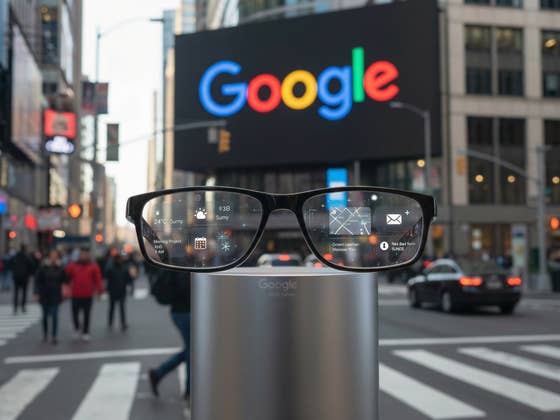
The second variant integrates an in-lens display directly into the glass to show visual content such as AR overlays, video playback, or app projections. In addition, both models enable photography and live assistance that work seamlessly with your Android device. Partners such as Samsung, Warby Parker, and Gentle Monster provide stylish, lightweight designs and comfort on the Android XR platform. Many remember Google Glass from 2013, which failed as a pioneer because it was clunky, expensive, and lacked data protection, but these lessons are now being incorporated. Google has learned from this and is therefore planning a strong comeback with Smartglasses 2026.
What Does This Mean For You?
For you, this means more mature tech that makes smart glasses easy to use without expert knowledge. Google is competing against Meta, HTC, and Rokid because the sector is booming. If Google implements these improvements, as the leaks suggest, it could keep up with Meta. Due to its use of Gemini, Google has the opportunity to tap into significant potential.