Sorry, but there's really nothing to see here right now. Our server is in maintenance mode – and our
little bot is trying to sort the error messages with its last bit of energy.
Whether it was a data leak, a power outage in the cluster, or just a grumpy bit – we don't know yet.
But what we do know is:
The data drama escalated into a server meltdown. But don't worry: We're on it.
What now?
Everything is surely running smoothly over at our colleagues from inside
digital – why not stop by!
Or you could pass the time by visiting our social media channels – for example Instagram, YouTube or TikTok. At least there are no
server problems there – promised.
Thanks for your patience. Our bot is already rebooting at full speed. 🔧
NewsHome-Audio-SystemsAndroid tablets may finally get a powerful processor to match Apple’s iPad Pro
Undoubtedly, Apple has established its name when it comes to creating powerful chipsets. Besides the unbeaten Bionic SoC found on iPhones, its iPad tablet lineup with custom M chips is also becoming harder to rival. Qualcomm is still playing catch up here, but it might not be far away before it turns the tide through the upcoming Snapdragon 8cx Gen 4.
As reported by WinFuture, Qualcomm is continuing to develop its next-gen Snapdragon 8cx Gen 4 or internally known as SC8380. The source claims that the popular mobile chipmaker is testing the new silicon on a 10-inch tablet. This suggests that the chip is expected to power large form factor hardware such as Android tablets and Windows 2-in-1 devices in 2024.
In terms of specs and performance, the Snapdragon 8cx Gen 4 will be using a 12-core Oryon processor from Nuvia in an 8+4 configuration where the first set is composed of performance cores clocked up to 3.4 GHz and the latter gets efficiency cores with a max individual speed of 2.5 GHz. On the graphics side, the same Adreno 740 GPU from Snapdragon 8 Gen 2 will be paired with the CPU.
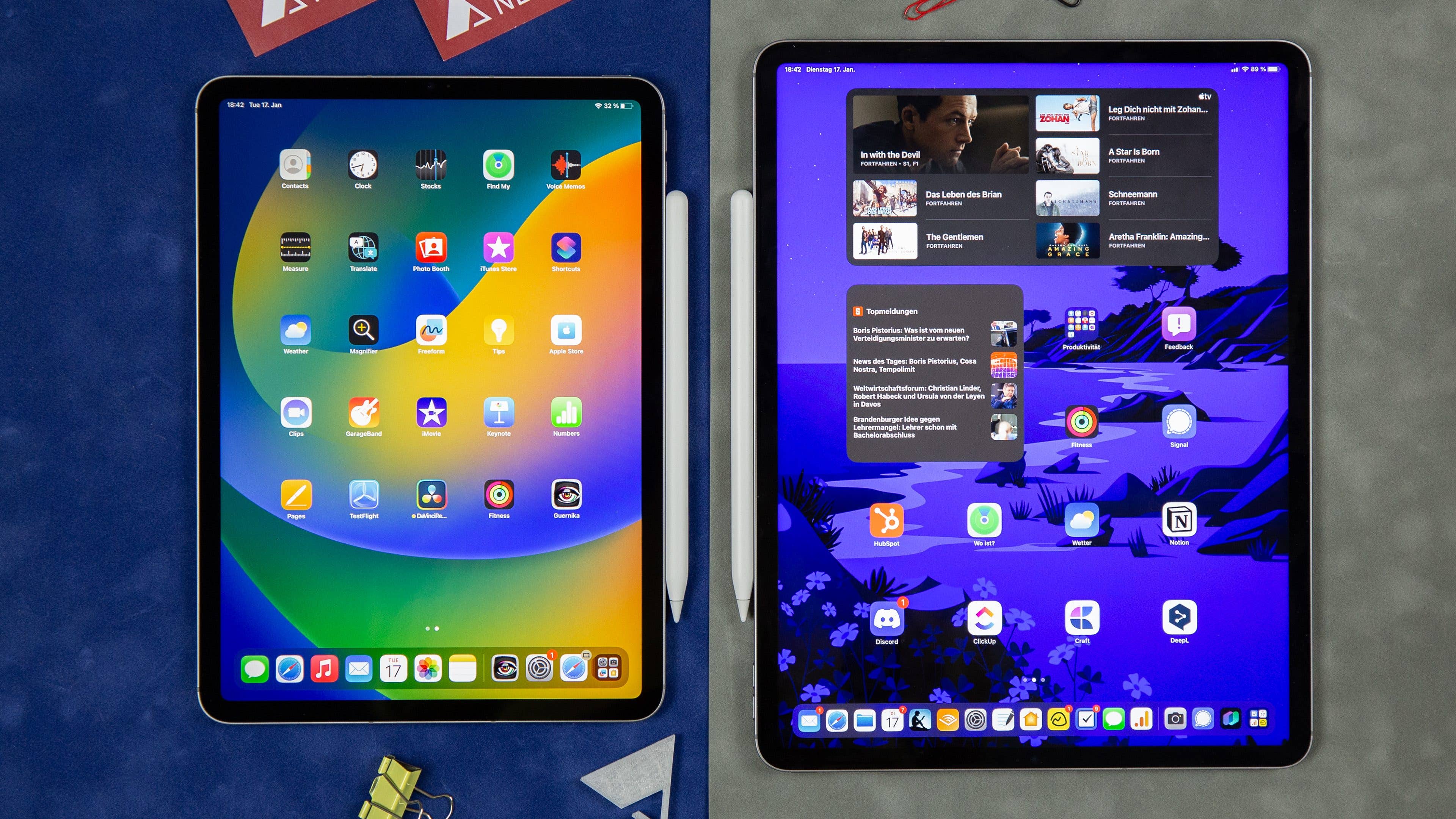
To recall, the iPad Pro 2022 (review) with Apple M2 chip only comes with an 8-core CPU clocked at 3.49 GHz. Although the newer M2 Pro and M2 Max ship with 10 to 12-core CPU, these are designed for laptops and PCs rather than thin and light slabs. Evidently, this makes the M2 or an unannounced M3 chip more comparable to the Snapdragon 8cx Gen 4. It’s also here where Qualcomm will have a clear shot to challenge Apple’s position.
But how will this be beneficial to Android OEMs like Samsung or Xiaomi? One way or another, these companies could finally produce tablets with dramatic speed further supporting process intensive tasks similar to iPad Pro. However, it’s too early to conclude if Qualcomm will finally give Apple a run for its money.
Do you think Android tablets, even the premium Galaxy Tab S8 (Ultra), should feature a standalone tablet processor? Let us know your thoughts.
We mark partner links with this symbol. If you click on one of these links or buttons–or make a purchase through them–we may receive a small commission from the retailer. This doesn’t affect the price you pay, but it helps us keep nextpit free for everyone. Thanks for your support! Prices are based on the date of publication of this article and may be subject to change.
Jade Bryan has been a Junior Technology Editor at nextpit since 2022. His tech journey began much earlier, tracing back to the early days of Android and the peak of the Nokia era. With years of experience contributing to various publications and tech forums, he specializes in providing practical tips and troubleshooting guides for users.
At nextpit, Jade’s expertise extends beyond smartphones and operating systems to include electric vehicles and the latest in gaming. He is particularly interested in how these evolving technologies intersect and shape our daily lives.
Outside of work, Jade is usually immersed in MMORPGs or catching up on his favorite anime and television shows.
"Should Android tablets feature a standalone tablet processor?" – Well, it depends. Some of my current Android tablets may have one (counting Huawei in). I do like them. However, little support (except from Huawei), and most of all: no clear idea regarding the target buyers. Whereas my iPads clearly are players in an Apple team. – So far, Android hardware seems to me [matter of impression, not even opinion] a matter of "tweak your device to your wishes", opposed to Apple’s [impression of] "let my team help you to get things done". Where would that tablet processor be in the set-up?
Log in to Reply
Definitely on the latter side. A custom tablet processor would likely open more possibilities like support for new intensive apps on top of these ‘tweak’ advantage over Apple’s iPad.
Log in to Reply
For my uses, it wouldnt be worth the development and engineering costs. I’m fine if another performance tier develops, it just doesn’t affect me.
I’m far more storage and battery limited than processor bottlenecks.
Log in to Reply
But I would love to see how this "faster" processor will be scaled up on Android tablets. Of course, I’m also in for improvements in battery life and perhaps durability as well, given how tablets become thin and frail which is more prone to damage.







"Should Android tablets feature a standalone tablet processor?" – Well, it depends. Some of my current Android tablets may have one (counting Huawei in). I do like them. However, little support (except from Huawei), and most of all: no clear idea regarding the target buyers. Whereas my iPads clearly are players in an Apple team. – So far, Android hardware seems to me [matter of impression, not even opinion] a matter of "tweak your device to your wishes", opposed to Apple’s [impression of] "let my team help you to get things done". Where would that tablet processor be in the set-up?
Definitely on the latter side. A custom tablet processor would likely open more possibilities like support for new intensive apps on top of these ‘tweak’ advantage over Apple’s iPad.
For my uses, it wouldnt be worth the development and engineering costs. I’m fine if another performance tier develops, it just doesn’t affect me.
I’m far more storage and battery limited than processor bottlenecks.
But I would love to see how this "faster" processor will be scaled up on Android tablets. Of course, I’m also in for improvements in battery life and perhaps durability as well, given how tablets become thin and frail which is more prone to damage.