


MotionAware and the new Hue Bridge Pro
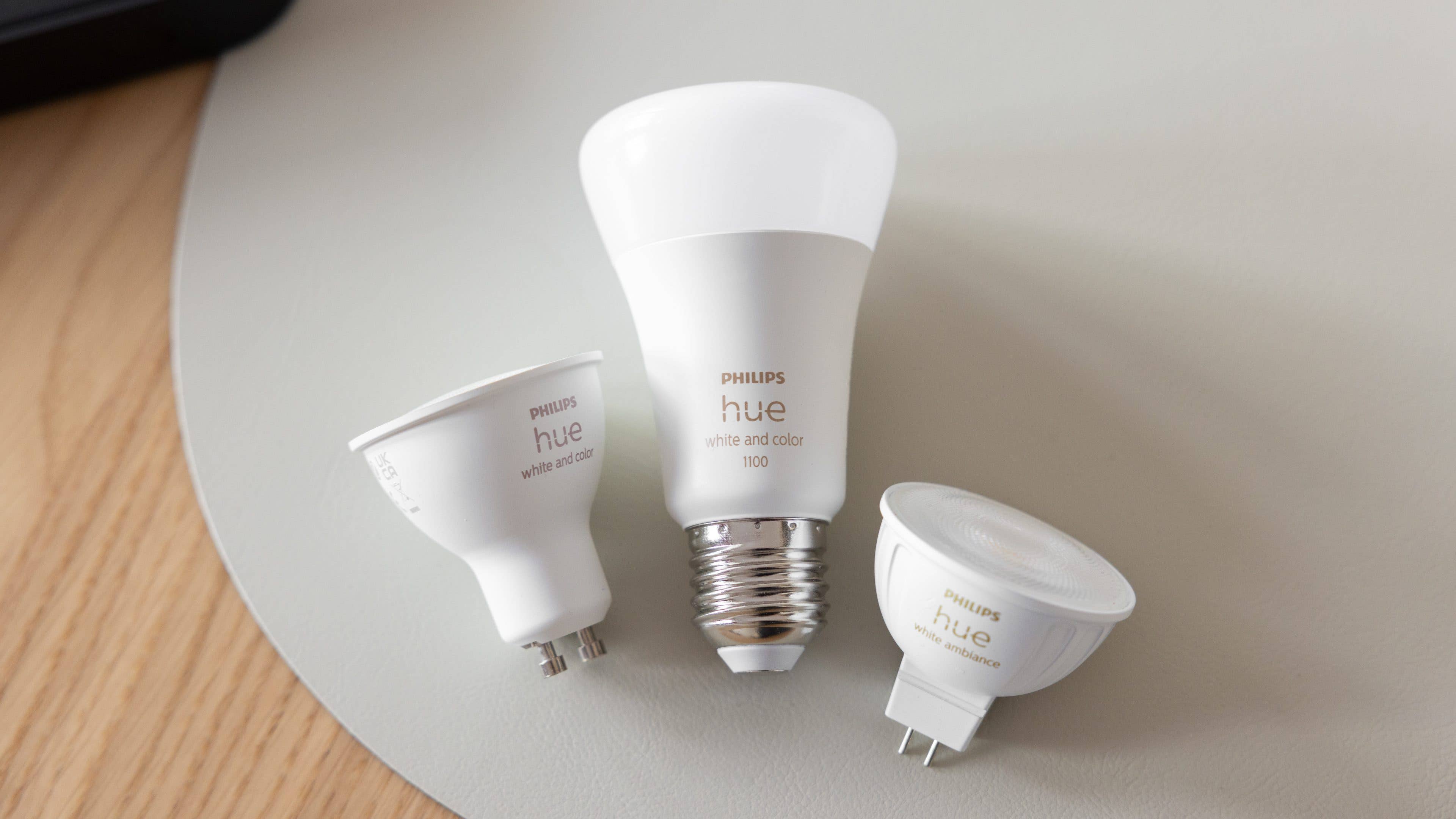
Philips Hue made a big splash at IFA 2025. With MotionAware, there is a new, free function for 95 percent of all light sources that transforms lamps (market overview) into motion sensors. The only requirement is to use the new Hue Bridge Pro, which was introduced by the company as well. Compared to its predecessor, the price has increased. The Bridge Pro costs $89.99 and is already available on Amazon*.
It is more powerful and supports over 150 lights and 50 accessories. The keywords here are ‘additional accessories’: The new function made me ask myself: “Is the classic Hue Motion Sensor redundant? Can I sell it now that I can do something similar with MotionAware?”
Is the Hue Motion Sensor made Redundant?
The Philips Hue Motion Sensor is one of my favorite accessories in my smart home. It detects movement and can, therefore, automatically turn lights on. After a period of pre-set time, the light turns itself off again if no additional movement is detected. This is ideal for passageways such as corridors or stairwells. I particularly like the integrated brightness detection in reality: the sensor only turned the lights on when it was dark enough.
The new MotionAware function does not make the Hue Motion Sensor redundant. At the Hue press event, I confirmed this via a combination of both components working together, making it all worthwhile. MotionAware detects movement even through furniture thanks to Zigbee signals. The problem is compatibility. The Hue smart plug, Hue Go models, and especially old Hue lamps are not compatible. MotionAware also has no integrated brightness detection.