

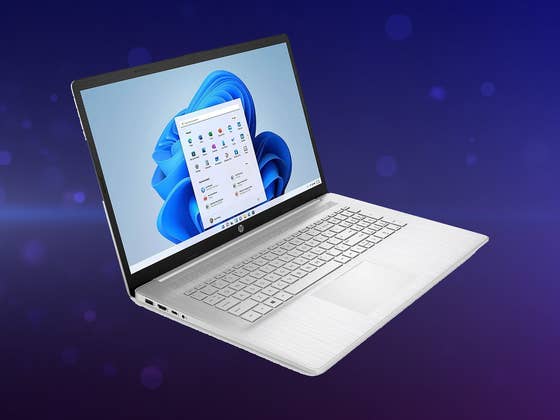
Microsoft disappointed many users at the launch of Windows 11: unlike previous versions, even current, powerful PC systems would not be eligible for an update to the new operating system. The intrusive in-app advertising and insistence on pushing the Edge browser also caused resentment.
The same applies to the prominently placed AI functions. Recall that the new AI-based desktop search faced significant data protection concerns and had to be fundamentally revised. The ubiquitous Copilot has yet to live up to anyone’s expectations. In addition, updates didn’t just fix bugs – they introduced new issues.
Focus on function and stability
Criticism of Windows 11’s shortcomings is growing, and more users are considering switching to a more user-friendly operating system. The tech company, therefore, sees itself forced to make a U-turn. According to Windows Central, the current AI strategy is set to be at least partially revised. For example, the integration of the Copilot button into other Windows apps will be discontinued for now. In some applications, the logo will be removed and replaced with an optimized input option. Notepad and Paint are among the apps affected.
Recall, which was postponed shortly after its launch due to data protection concerns, is also considered a failure in its current form. However, this does not mean Microsoft is abandoning AI. Work continues on projects including Semantic Search, Agentic Workspace, Windows ML, and the Windows AI APIs.
Before these innovations reach Windows 11, however, the company wants to address user criticism. Pavan Davuluri, head of the Windows and Devices division, told The Verge that 2026 will be dedicated to fixing vulnerabilities in the operating system.
Windows 11: Users delay the switch
The persistently poor image of Windows 11 is increasingly becoming a problem for Microsoft. The market share of Windows 10, which will only be supplied with security updates until October 2025, is still almost as high as that of its successor. Cybercriminals could exploit numerous unpatched security vulnerabilities on millions of PCs.