

Contents
Pros of the Xiaomi Redmi Note 13 Pro 4G
- Fast OLED display
- Fast charging
- Good main camera performance
- Headphone jack and microSD support
Cons of the Xiaomi Redmi Note 13 Pro 4G
- No 5G support
- Below average performance
- Secondary cameras are disappointing
- Worse value than other Redmi Note 13 models
In a nutshell
Launched globally on January 15 with four other Note 13 models, the Redmi Note 13 Pro 4G will apparently be Xiaomi’s highest-end (and last mid-range?) 4G phone for 2024. Priced in Europe at €350, it slots right between the Note 13 Pro 5G’s €400, and the Note 13 5G’s €300 MSRPs.
Without new 4G-only chips in the last two years, Xiaomi counts on the MediaTek Helio G99 processor, which performs roughly the same as the Dimensity 6080 5G on the lower-end model, or the Helio G96 on 2022’s Redmi Note 11 Pro which costs almost 40% less. As usual, the Redmi Note 13 Pro 4G is not officially available in the US but can be found via third-party marketplace sellers.
One last thing, the Redmi Note 13 Pro 4G is almost the same phone as the Poco M6 Pro, with the exception of a few design touches, Poco-specific apps, and the Note 13 Pro’s 200-megapixel main camera which is replaced by a 64 MP unit on the Poco phone. With the same display, battery, processor, and other specs, the Poco M6 Pro is, as of publishing time, more than €100 cheaper, something to keep in mind.
Design and display
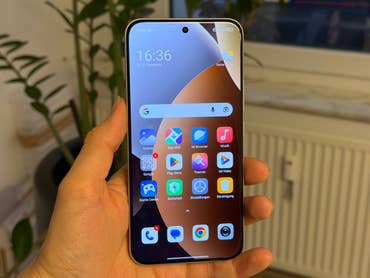
The Redmi Note 13 Pro 4G is visually different from the 5G models in the Note 13 lineup but shares some similarities with the Redmi Note 13 4G. The phone features an elegant design, that is dominated by the big 6.67-inch OLED display in the front, and a clean look in the back, with prominent islands for the camera lenses and flash.
Pros:
- Smooth 120 Hz OLED display.
- Protective case included in the box.
- Headphone jack and microSD support.
- Lightweight, despite the big dimensions.
- Fast under-display fingerprint reader.
Cons:
- Not waterproof.
- No eSIM support.
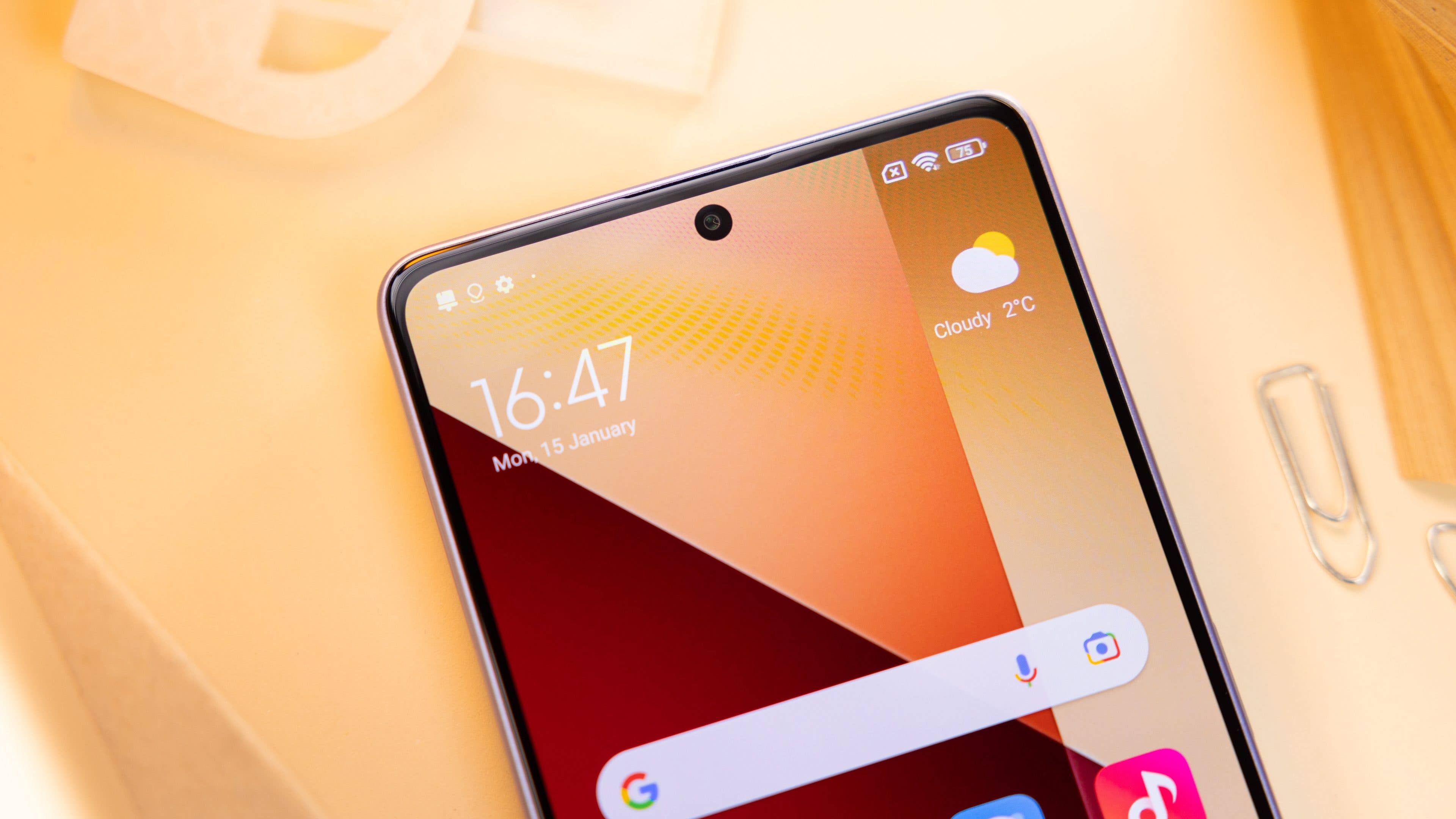
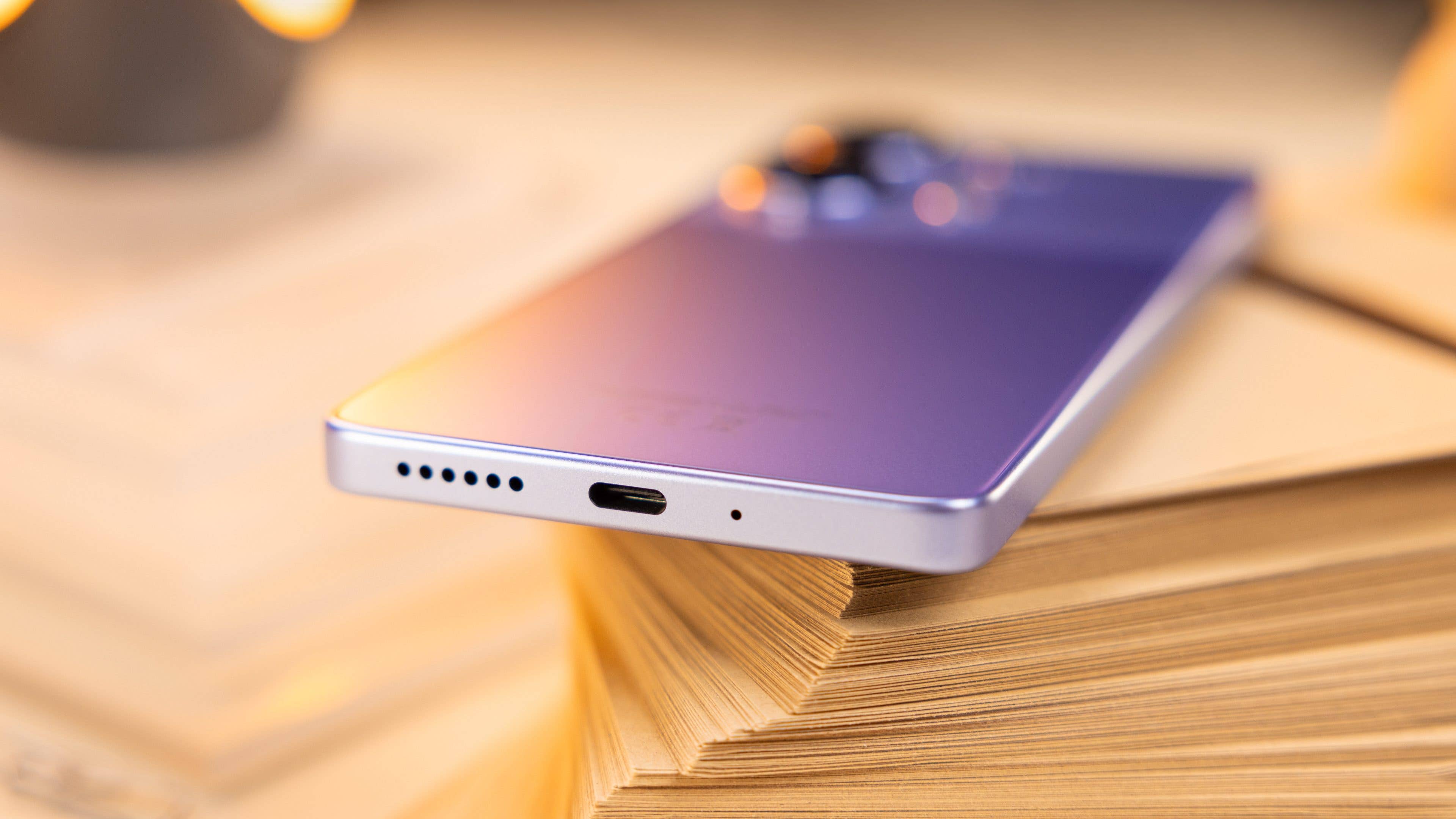
Despite the big dimensions, the Redmi Note 13 Pro 4G is relatively lightweight at 188 grams. The flat surfaces on the sides house the volume rocker and power button on the right, speaker and USB port on the bottom, the other speaker, headphone jack, and IR blaster on top, and the left side only has the SIM+microSD combo tray. There is no eSIM support on the Note 13 Pro 4G, different from the 5G model.
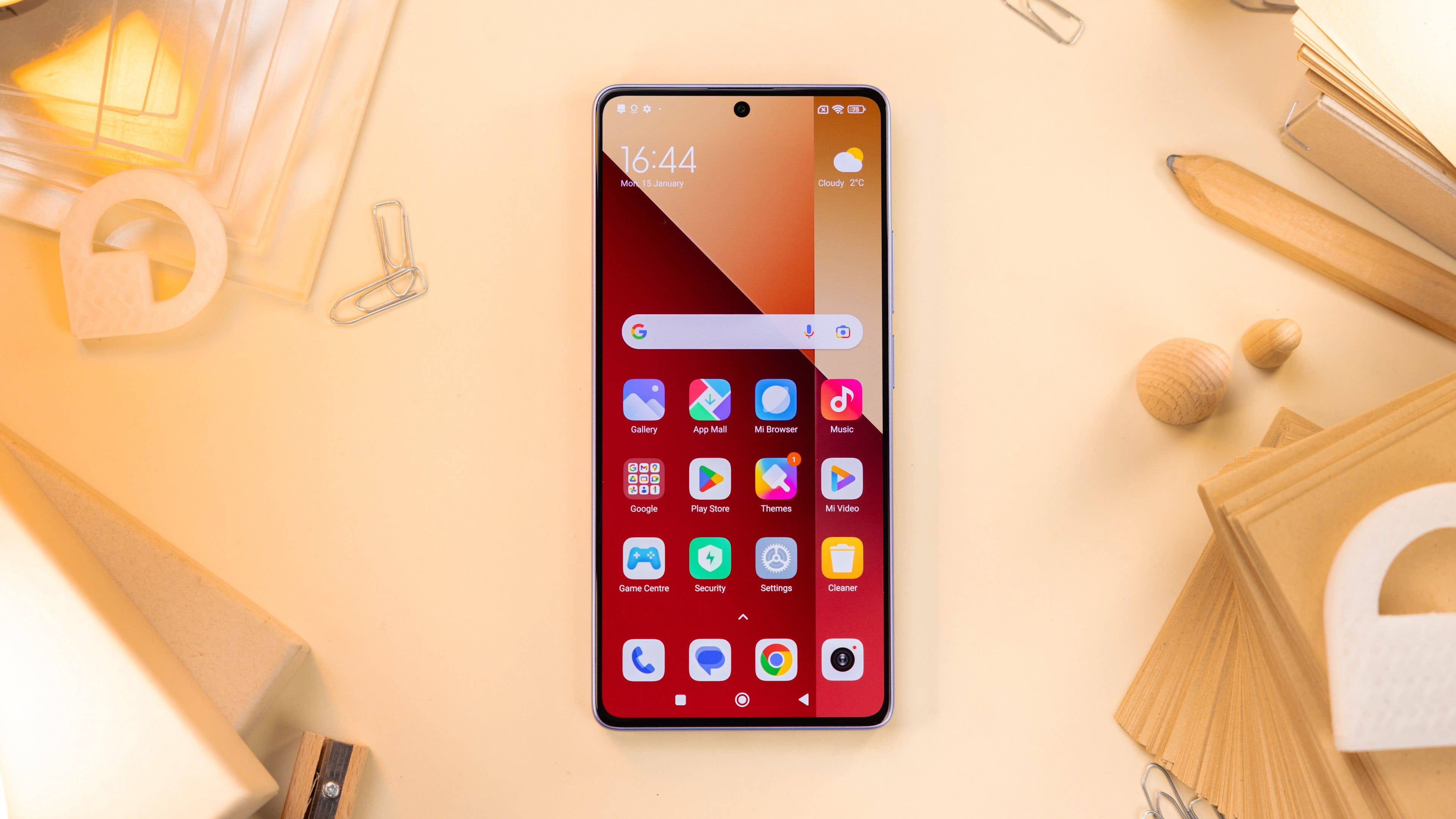
Another difference between the Pro models is the display, the 4G version uses a more traditional FullHD+ OLED panel, without the extra resolution and brightness found on the 5G one. Even so, the 2400×1080 pixels panel and the 1300 nits max brightness were good enough for the category.
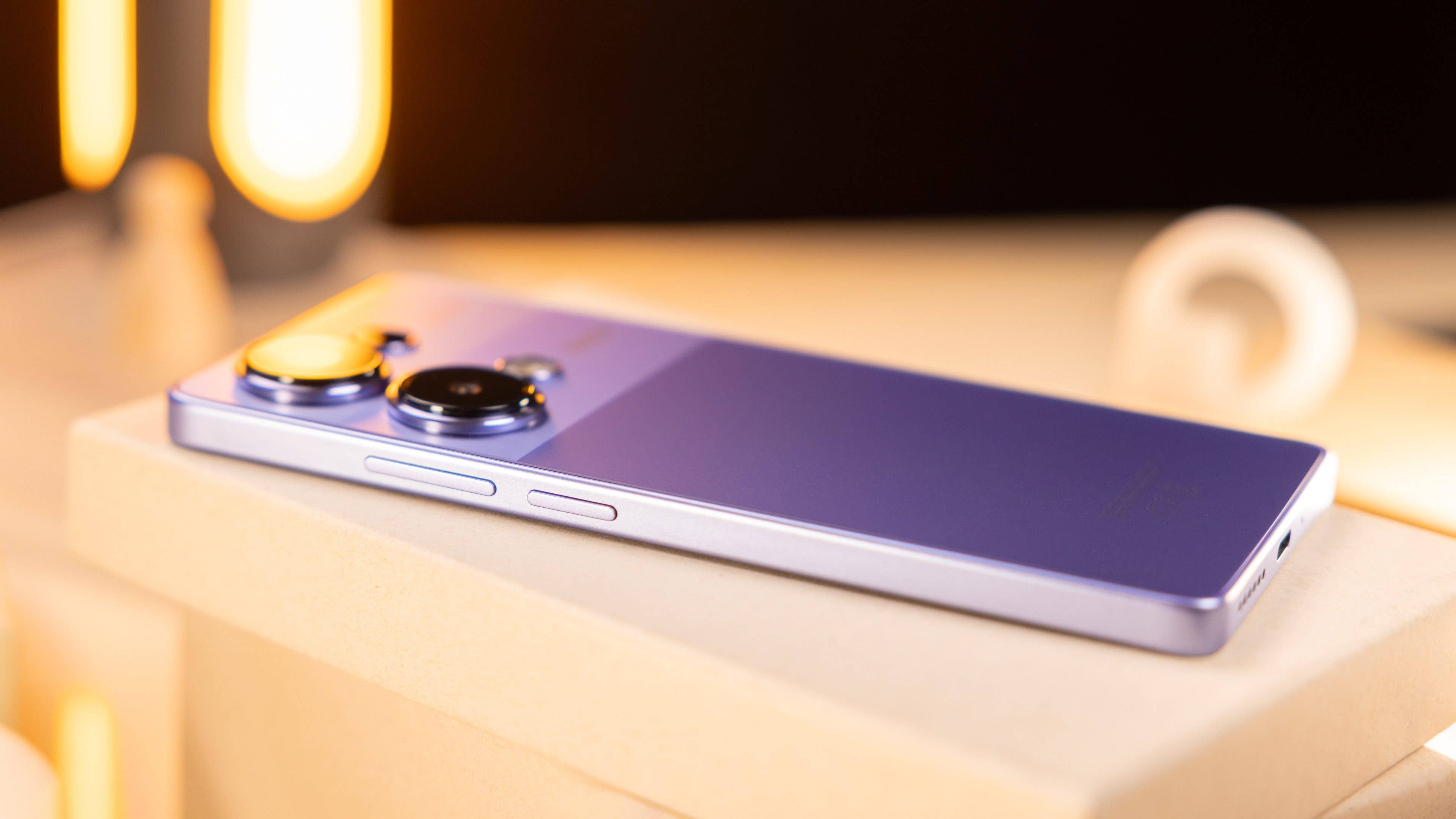
As for common features between the two Note 13 Pro, we have the IP54 rating for resistance against light water splashes, and the under-display fingerprint reader, which worked fine during our review time.
Xiaomi Redmi Note 13 Pro 4G performance
With an old CPU comes low expectations. Chip brands MediaTek and Qualcomm shifted their attention to 5G CPUs a few years ago even for intermediate phones, and Xiaomi had to adopt a rather outdated Helio G99 chip from MediaTek, the results were low-performance numbers and just average battery life.
Pros:
- Decent performance in daily tasks.
Cons:
- Outdated CPU falls behind other Xiaomi phones in the price range.
- Mediocre gaming performance.
- Ads and bloatware.
| Redmi Note 13 Pro 4G (Helio G99 Ultra) |
Redmi Note 13 Pro 5G (Snapdragon 7s Gen 2) |
Poco F5 (Snapdragon 7+ Gen 2) |
Redmi Note 13 5G (Dimensity 6080) |
Galaxy A54 (Exynos 1380) |
Redmi Note 12 Pro+ (Dimensity 1080) |
|
|---|---|---|---|---|---|---|
| 3D Mark Wild Life Stress Test |
Best loop: 1245 Worst loop: 1217 |
Best loop: 3050 Worst loop: 2754 |
Best loop: 7632 Worst loop: 7582 |
Best loop: 1333 Worst loop: 1307 |
Best loop: 2840 Worst loop: 2804 |
Best loop: 2281 Worst loop: 2268 |
| Geekbench 6 |
Single: 744 Multi: 2112 |
Single: 889 Multi: 2523 |
Single: 1107 Multi: 4232 |
Single: 777 Multi: 1996 |
Single: 1022 Multi: 2889 |
Single: 965 Multi: 2408 |
| PCMark Work 3.0 | 10688 | 13047 | 14335 | 10582 | 13477 | 11855 |
For example, on benchmarks, the Redmi Note 13 Pro 4G was two to six times slower than the similarly priced Poco F5. And to make matters worse, since that phone uses a more modern processor, not only the performance is higher but also the energy efficiency and battery life.
The Note 13 Pro 4G also fell considerably behind its more expensive 5G sibling, with overall performance numbers similar to those of the vanilla Redmi Note 13 5G, which is cheaper.
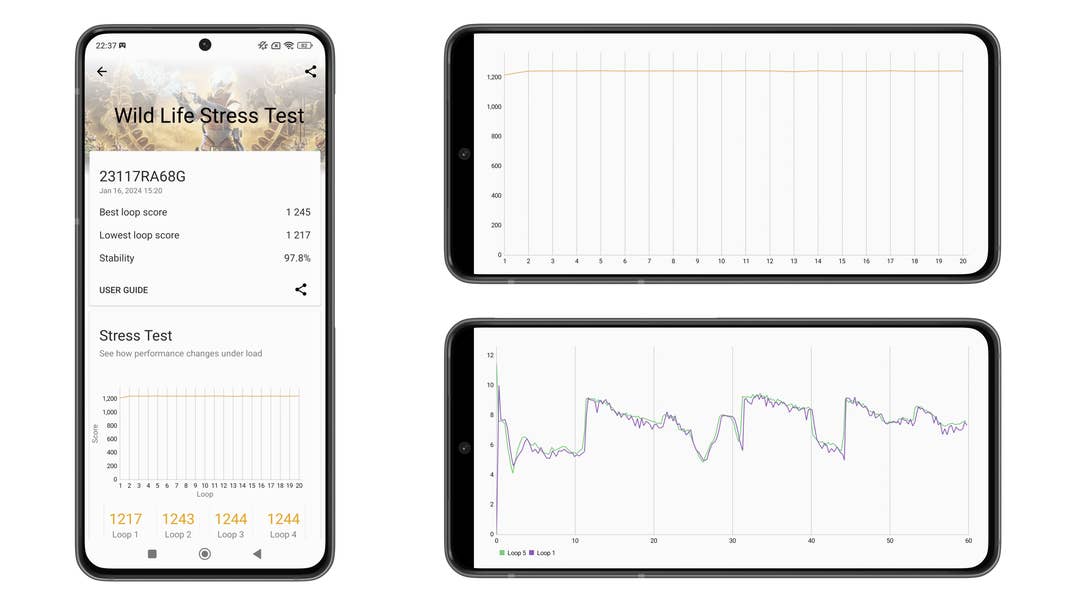
In daily tasks, messaging, browsing, and media consumption, performance was fine, helped by the relatively modern LPDDR4X RAM and UFS 2.2 storage standards. Gaming is possible with lower-quality settings on the Note 13 Pro 4G, but if that is a priority, go for the Poco F5.
The Redmi Note 13 Pro 4G comes with MIUI 14 installed over Android 13. The phone should receive the new HyperOS and Android 14, but Xiaomi doesn’t mention an official support policy for the phone, contrary to the more expensive models.
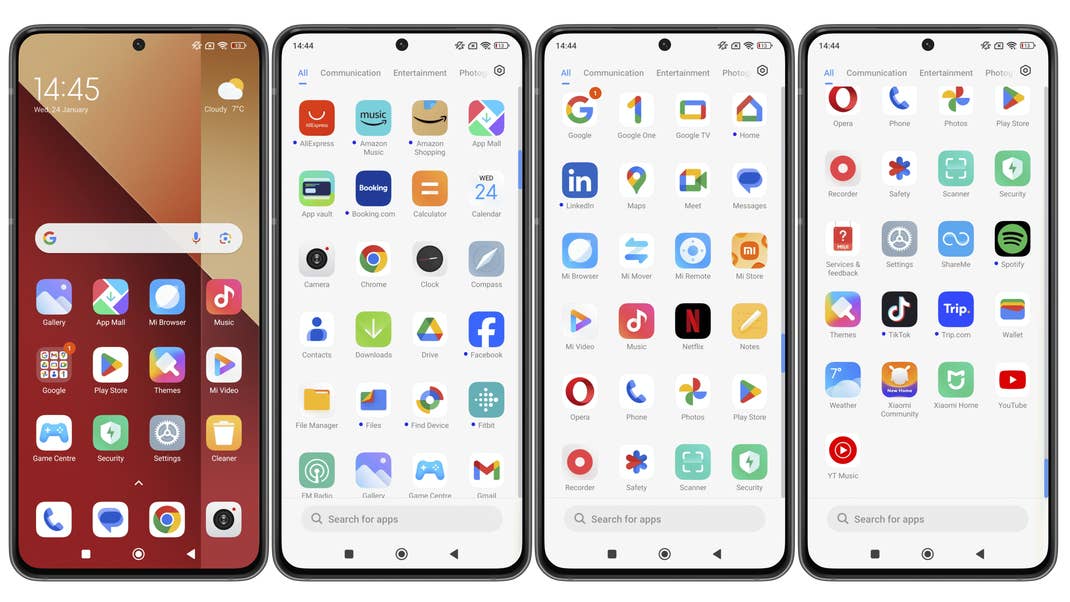
As usual for a mid-range Redmi model, the Note 13 Pro 4G came with 11 pre-installed third-party apps (skipping the eight extra games on the Pro 5G), resulting in 31 GB of storage used by default after updating the phone. It is also worth mentioning that even the first-party apps are bloated, with ads on their interface, and a tendency to spam notifications from the Music and Video apps.
- Also read: How to remove ads from the MIUI interface
Xiaomi Redmi Note 13 Pro 4G camera
In the camera department, the Redmi Note 13 Pro 4G brings the same specs as the 5G model: A 200-megapixel main camera that gives good pictures in both daylight and low-light conditions, an average 8 MP ultra-wide lens, and the seemingly unavoidable 2-megapixel macro camera with its questionable quality. In the end, we found the camera performance in both of the Note 13 Pros was basically the same.
Pros:
- Good daylight performance.
- Usable digital zoom shots up to 4x.
- No overprocessing in selfies.
Cons:
- Ultra-wide and macro cameras are disappointing.
Yes, the pros and cons are the same between the Redmi Note 13 Pro 4G and 5G. The camera is probably the Redmi Note 13 Pro 4G’s best feature, but part of the reason is its below-average performance in other departments, but we digress…
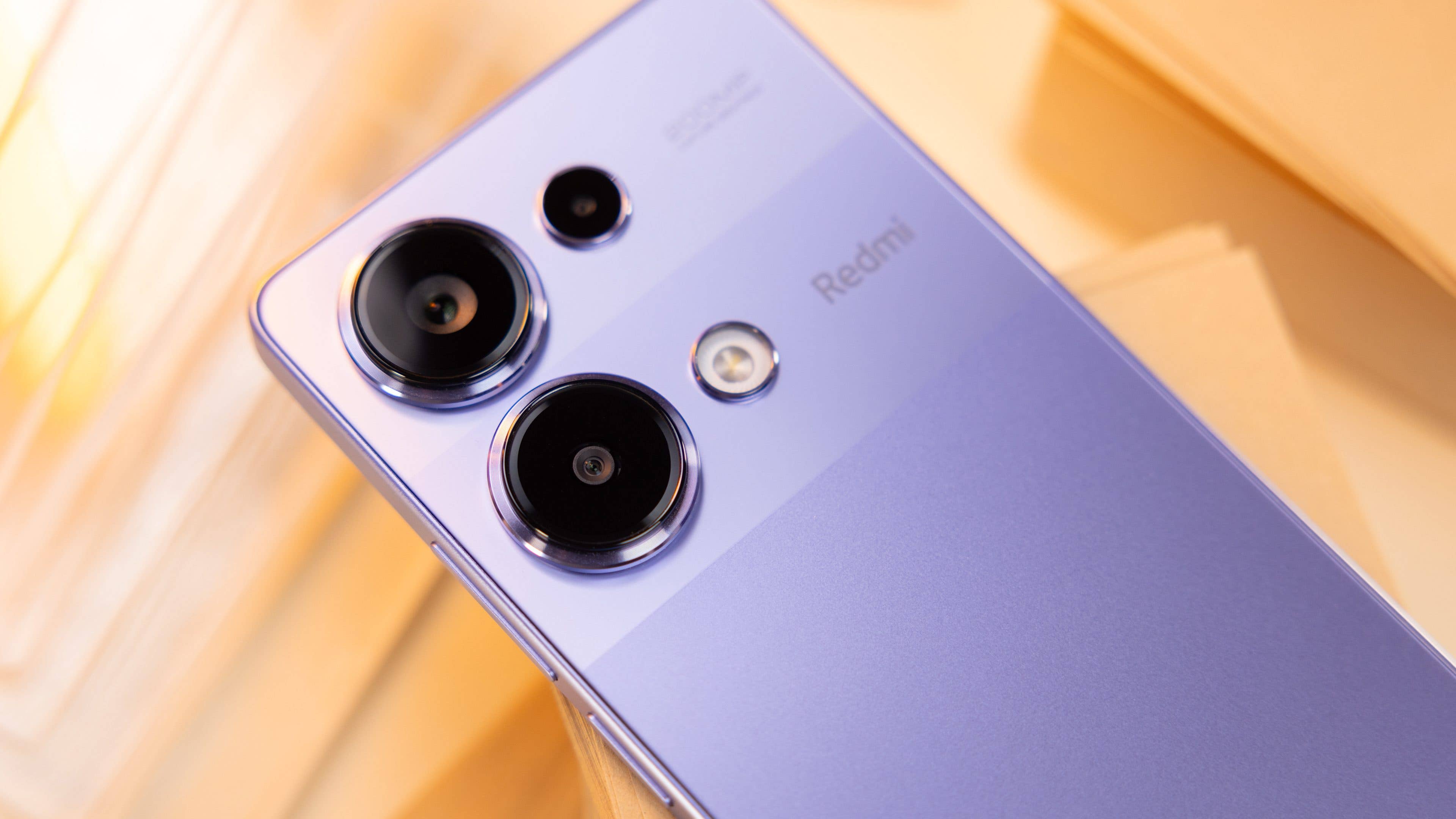
With a 1/1.4″ sensor, photos with the Note 13 Pro 4G’s main camera offer a good level of sharpness and color reproduction with or without light sources. In some cases, even daylight digital zoom shots at 4x ended up decently usable. 10x zoom returns blurry images and is best to be avoided.
Ultra-wide shots during the day were ok at best, with less sharpness and muted colors. At night, the camera couldn’t hide its limitations, even with the night mode activated. As for the 2MP macro, we would rather have its component costs going for more storage…
































Selfies taken with the Redmi Note 13 Pro 4G ended up well, with no beauty effect—or any beauty whatsoever on the model above—and, like on the 13 Pro 5G, only a few artificial blurring when activating the Portrait mode.
Xiaomi Redmi Note 13 Pro 4G battery
The Redmi Note 13 Pro 4G has a 5000 mAh battery and comes with the familiar Xiaomi 67 W charger. Charging times are fast for the price range, but energy efficiency is low due to the outdated processor.
Pros:
- Fast charging.
- Included charger.
Cons:
- Only average battery life.
On paper, the Redmi Note 13 Pro 4G has category-beating specifications, but the Helio G99 Ultra shows its age. As in the performance category, it cannot hide the fact that it is practically an overclocked version of the Helio G96 found in the Note 11 Pro, and possibly beyond the efficiency sweet spot of its 6-nm generation.
| Redmi Note 13 Pro 4G | Redmi 13 Pro 5G | Poco F5 | Galaxy A54 | Pixel 7a | Redmi 12 Pro+ | |
|---|---|---|---|---|---|---|
| 5 minutes |
|
|
|
|
|
|
| 10 minutes |
|
|
|
|
|
|
| 20 minutes |
|
|
|
|
|
|
| 30 minutes |
|
|
|
|
|
|
| 1 hour |
|
|
||||
| Full charge |
|
|
|
|
|
|
| PC Mark Battery test |
|
|
|
|
|
|
The Note 13 Pro 4G has both lower endurance and performance compared to its 5G version, and falls behind in either or both of its main competitors. For a quick reference, we updated the Redmi Note 11 Pro in the nextpit office to MIUI 14 and ran the same battery test to get 16h10 from the phone in similar test conditions (around 200 nits of brightness for the 1080p 6.67″ display and 5000 mAh battery).
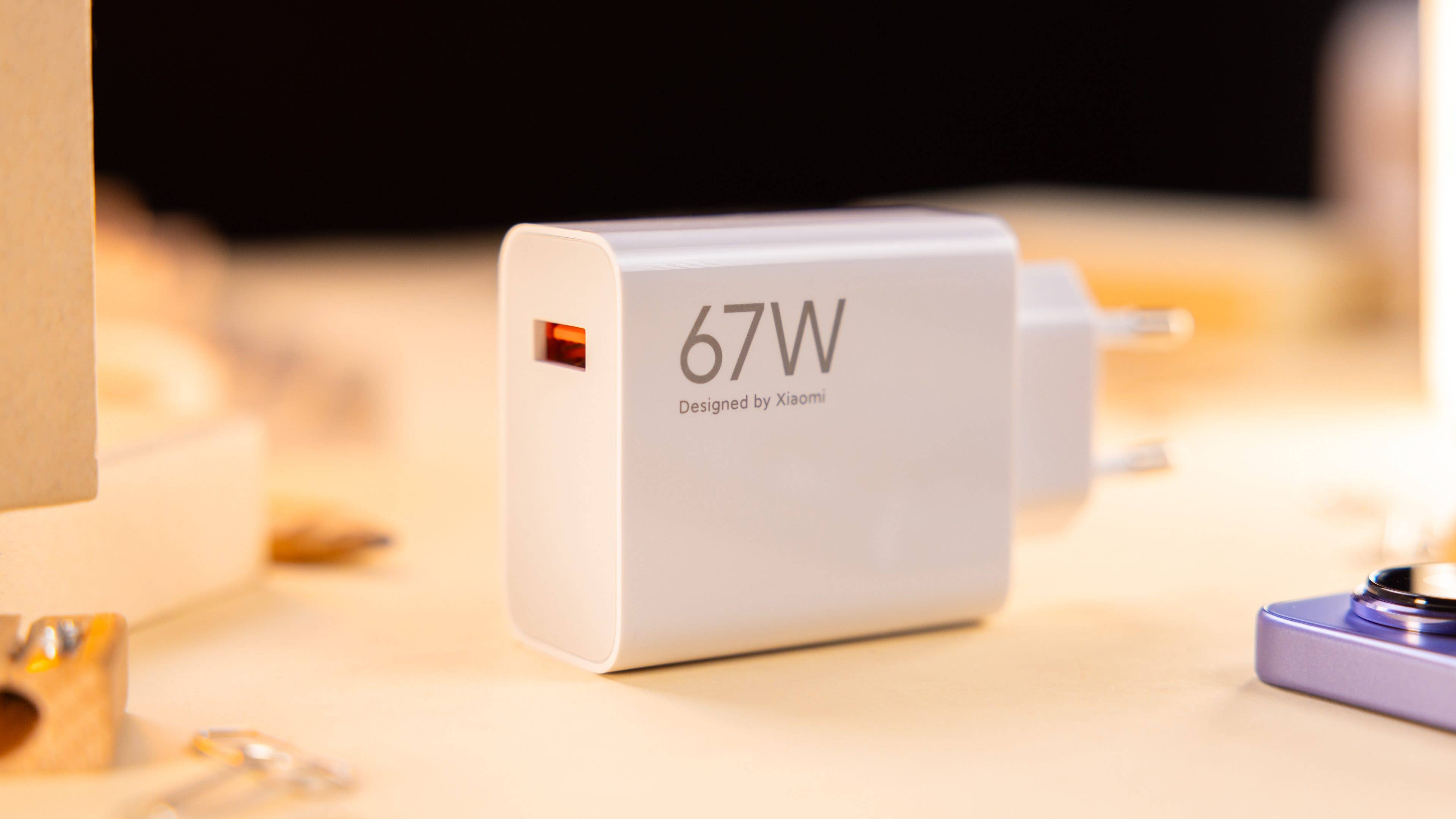
Charging the Redmi Note 13 Pro 4G is faster than its main competitors, with a full charge taking less than 50 minutes, similar to other Xiaomi phones with approx. 5000 mAh and the same 67 W charger. There is no wireless charging, but that is expected in the price range.
Xiaomi Redmi Note 13 Pro 4G technical specifications
| Xiaomi Redmi Note 13 Pro 4G | |
|---|---|
| Other points that may interest the nextpit community:
|
Final verdict
Xiaomi could be praised for not abandoning customers who are stuck to 4G—or don’t need 5G—but the lack of a modern processor makes its Redmi Note 13 Pro 4G perform like an entry-level phone, without compensating that with better battery endurance. In the end, its value proposition rides entirely on its 200-megapixel camera, since the company offers the same phone with a 64 MP cam for two-thirds of the price.
Some people may argue that performance is good enough with an old mid-range chip, but when you can get more than 33% extra battery life on top of triple the performance in heavy tasks under similar conditions, it is difficult to recommend the Redmi Note 13 Pro 4G.
The cheaper Redmi Note 13 5G offers comparable performance (with slightly better gaming power) and close camera quality. The more expensive Note 13 Pro 5G brings better performance overall plus a better screen, and all three models are evenly split over a €100 range.
If you value battery life, the Poco F5 (again) is a better value at usually the same price, with a big performance boost as a bonus. If camera image quality is paramount, there are always Pixel phone deals to be found. Finally, if you don’t care about the camera, the Poco M6 Pro offers exactly the same experience for €100 less.
As always, feel free to disagree with me, but it is difficult to see for whom Xiaomi is targeting the Redmi Note 13 Pro 4G. And part of the blame is its huge overlapping product line. And we didn’t even use the “future-proof” card on this review.