

0
2 Min.
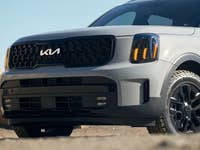
The past months have seen some of the biggest vehicle recalls in history, with numerous brands and millions of drivers affected. Kia is joining the list, with over 300,000 cars in total affected by two separate recalls over potential hazards that could put other drivers in danger.
0
2 Min.
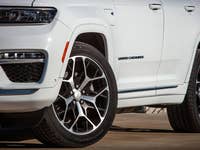
The past few weeks have been quite a rough time for motorists, particularly with numerous recalls issued that affect millions of units. Among the unfortunate ones are owners and drivers of Jeep vehicles. Stellantis, the parent company of Chrysler, has recalled over 120,000 units of Jeep Grand Cherokees due to a faulty second-row headrest that could increase the risk of injuries in the event of a crash.
0
2 Min.
While electric vehicles and hybrids are packed with fewer mechanical components than combustion-powered engines, it doesn’t mean that they are immune to breakdowns and failures. This is true for select EV and hybrid models of Volvo, which have been recently recalled due to an issue of total brake loss when using regenerative braking. Following the recall, a new stark warning has been issued by the feds.
0
3 Min.
Things are getting exciting: BMW boss Oliver Zipse is also getting involved in the heated debate surrounding the planned ban on internal combustion engines (ICE) in the EU starting in 2035, and did not mince his words. During a presentation, he made it clear that he does not believe the proposed ban will last in its current form. Zipse expects fundamental changes by 2028 at the latest – and he did not shy away from criticizing, saying, “The current system is a disaster.”
0
3 Min.
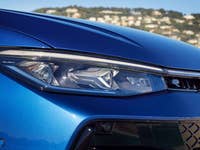
Normally, vehicle recalls tend to be harmless — a window regulator gets jammed or an ill-fitting screw causes an irritating rattling noise. However, what Volkswagen is facing now is an entirely different ball game. Affecting several models, it can be so dangerous that even your life might be at stake.
0
3 Min.
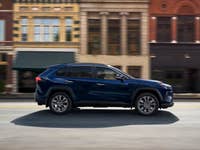
In 2023, the EV industry was heavily hyped, with Tesla’s Model Y, for the first time, outselling the Toyota RAV4 to claim the title of the world’s best-selling vehicle. While it was poised to continue this trend the following year, this wasn’t quite the case, as the conventional crossover SUV reportedly regained its crown in 2024.
0
2 Min.
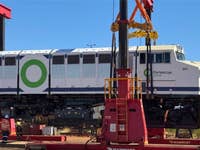
A train that never needs to be charged? What sounds like science fiction is becoming reality in Australia. The so-called Infinity Train by the mining company Fortescue has successfully completed its first test run of 1,100 kilometers. In the future, the entire fleet is expected to save around 82 million liters of diesel per year and be cheaper to operate than existing diesel locomotives.
0
2 Min.
The public spat between Elon Musk and former President Donald Trump is more than a clash of titans—it’s a warning flare for the entire tech sector. With tariff threats, subsidy rollbacks, and Twitter-style takedowns, the episode underscores just how quickly political favor can turn into political fire.
0
2 Min.
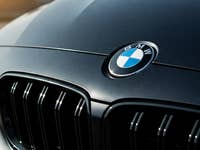
German carmakers BMW, Mercedes-Benz, and Volkswagen are reportedly feeling the impact of new car import tariffs imposed by the Trump administration. However, negotiations are reportedly underway with the U.S. government for a new import tariff deal, and German car manufacturers could leverage certain strategies to mitigate the impact of these tariffs.
Also read: Volkswagen and Uber plan to make robo-taxis
0
3 Min.
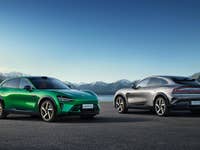
Range anxiety, be gone? Xiaomi is poised to address range anxiety in EVs as it unveiled the YU7, its first electric SUV. This new electric car boasts strong features with a focus on improved range and power in an SUV form, aiming to best Tesla’s Model Y. However, we will only discover if the YU7 genuinely has the potential to shake up the EV market once it launches in July, as the company remains silent about its price.