Sorry, but there's really nothing to see here right now. Our server is in maintenance mode – and our
little bot is trying to sort the error messages with its last bit of energy.
Whether it was a data leak, a power outage in the cluster, or just a grumpy bit – we don't know yet.
But what we do know is:
The data drama escalated into a server meltdown. But don't worry: We're on it.
What now?
Everything is surely running smoothly over at our colleagues from inside
digital – why not stop by!
Or you could pass the time by visiting our social media channels – for example Instagram, YouTube or TikTok. At least there are no
server problems there – promised.
Thanks for your patience. Our bot is already rebooting at full speed. 🔧
ComparisonsTabletiPhone 15 or iPhone 14? Apple’s Best-selling Phones Compared
With the release of the iPhone 15 Series, the question arises as it does every year: What are the differences between the iPhone 15 and the iPhone 14? And which model should I buy? In this article, nextpit compares the two vintages and tells you when the iPhone 15 is the right choice for you in 2024—and when the iPhone 14 is.
Apple iPhone 15 (Plus) vs iPhone 14 (Plus): Key characteristics compared
While we are still awaiting our review units of the new iPhone 15 and iPhone 15 Pro Series, please bear in mind that this comparison is based on our experience with the previous generations and the specifications of the new series.
Recently, Apple has repositioned its iPhone categories differently. As a result, the iPhone 15 and iPhone 15 Plus do not feature the latest A-Bionic processors. However, these devices remain powerful and have maintained their price points: $799 for the vanilla variant and $899 for the Plus model.
So, unless there’s a specific feature you consider indispensable, the new variant might not be as impactful as previous releases. Furthermore, iPhones do not depreciate in value as quickly as Android smartphones. Thus, the price difference is less significant here, except for certain carrier options.
In any case, my recommendation on which device to purchase currently hinges on these two factors:
If you already own the iPhone 14 (or 14 Plus)
The main distinctions lie in improved performance and camera quality, at least on paper—since we’ve yet to test the new iPhone generation. In terms of battery life, the duration is essentially the same.
In design aspects, the new iPhone 15 lineup now includes the ‘dynamic island.’ It’s a pleasant addition, but trust me: it’s not essential. Regarding software, all iOS 17 features are accessible on both devices. Should I mention the USB-C port? (More on that below.)
If you own an iPhone 13 (mini) or an older version
Go ahead and invest in the iPhone 15 Series. You’ll experience enhanced performance, a superior camera, and a contemporary display design for roughly the same price as last year’s model. However, if you stumble upon a great discount for the iPhone 14 lineup, this advice might not hold.
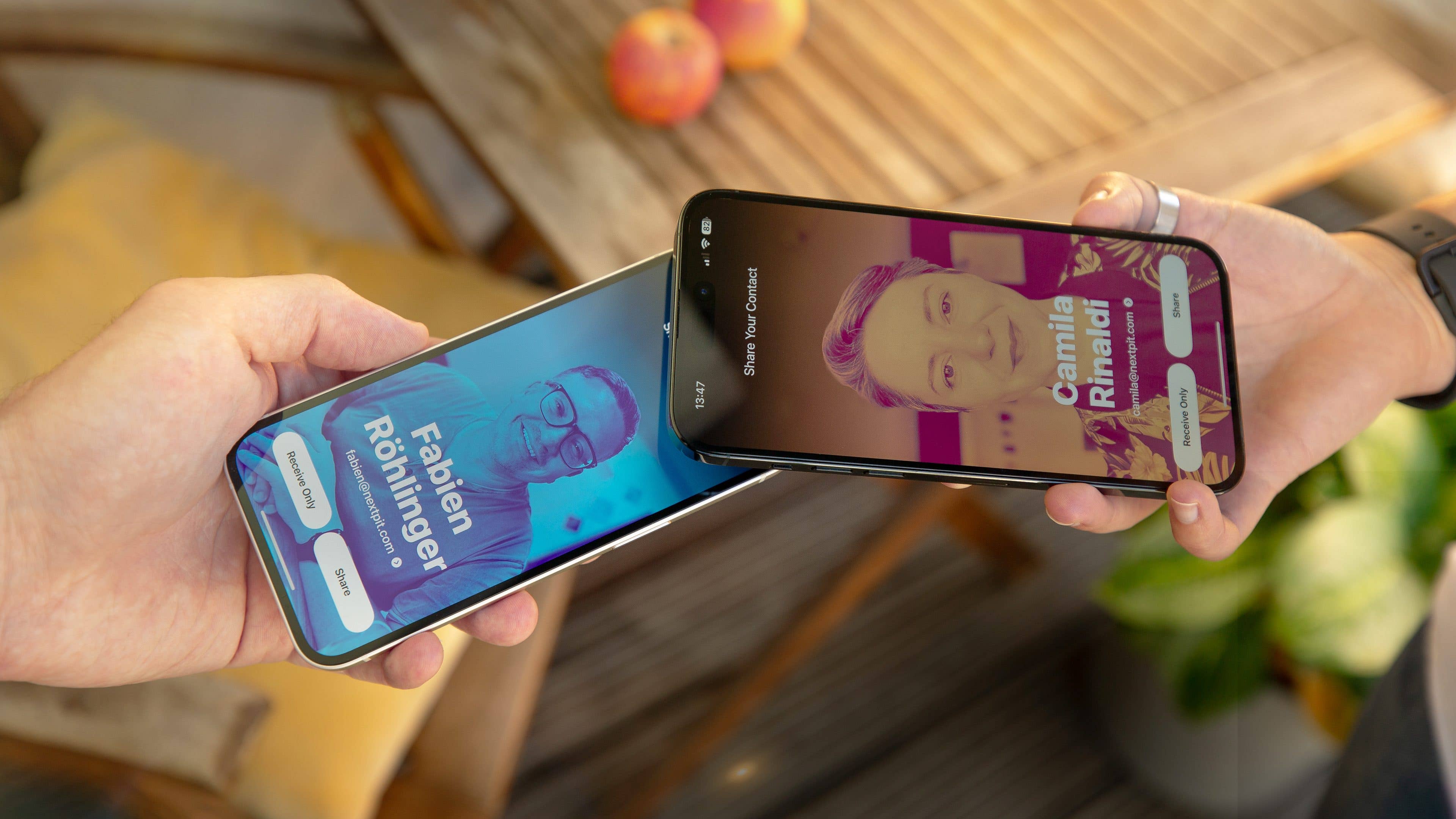
There are a few obvious changes to the design: The new lineup features the dynamic island, replacing the notch that is a heritage from the X series. Another notable change is the USB-C port, replacing the Lightning port—a shift less evident in design than it will be in user experience.
Beyond these, both series sport an aluminum frame. The dimensions and weight have changed only slightly. They come with colored glass on the back and a Ceramic Shield on the front.
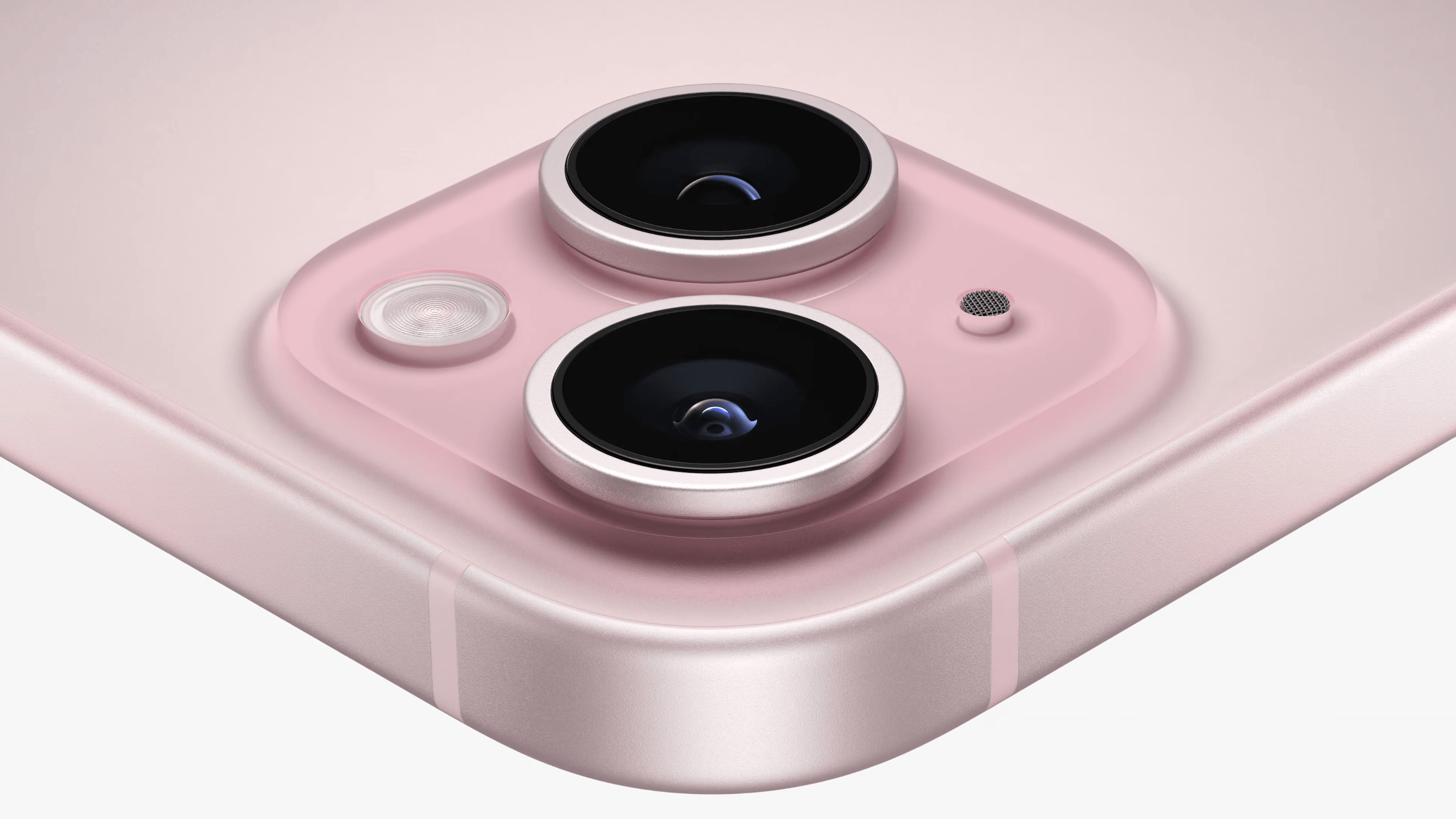
For colors, the iPhone 14 comes in Blue, Midnight, Aurora Borealis, Rosé, Yellow, and (PRODUCT)RED. Meanwhile, the iPhone 15 and 15 Plus are offered in pink, yellow, green, blue, and black.
The iPhone 15 has a 6.1-inch “Super Retina XDR” display, while the 15 Plus has a 6.7-inch one. Same size for the iPhone 14 and iPhone 14 Plus. However, the displays are brighter in the new generation, with Apple mentioning a brightness of up to 1,600 nits and even 2,000 nits in sunlight—double the brightness of the iPhone 14.
For those prone to accidents, both the iPhone 14 and iPhone 15 lineups feature pre-defined repair prices, aiming to make fixes clear for end users. Also, at $169 for a back glass repair, these iPhones are becoming more repair-friendly.
iPhone 15 vs. iPhone 14: Performance
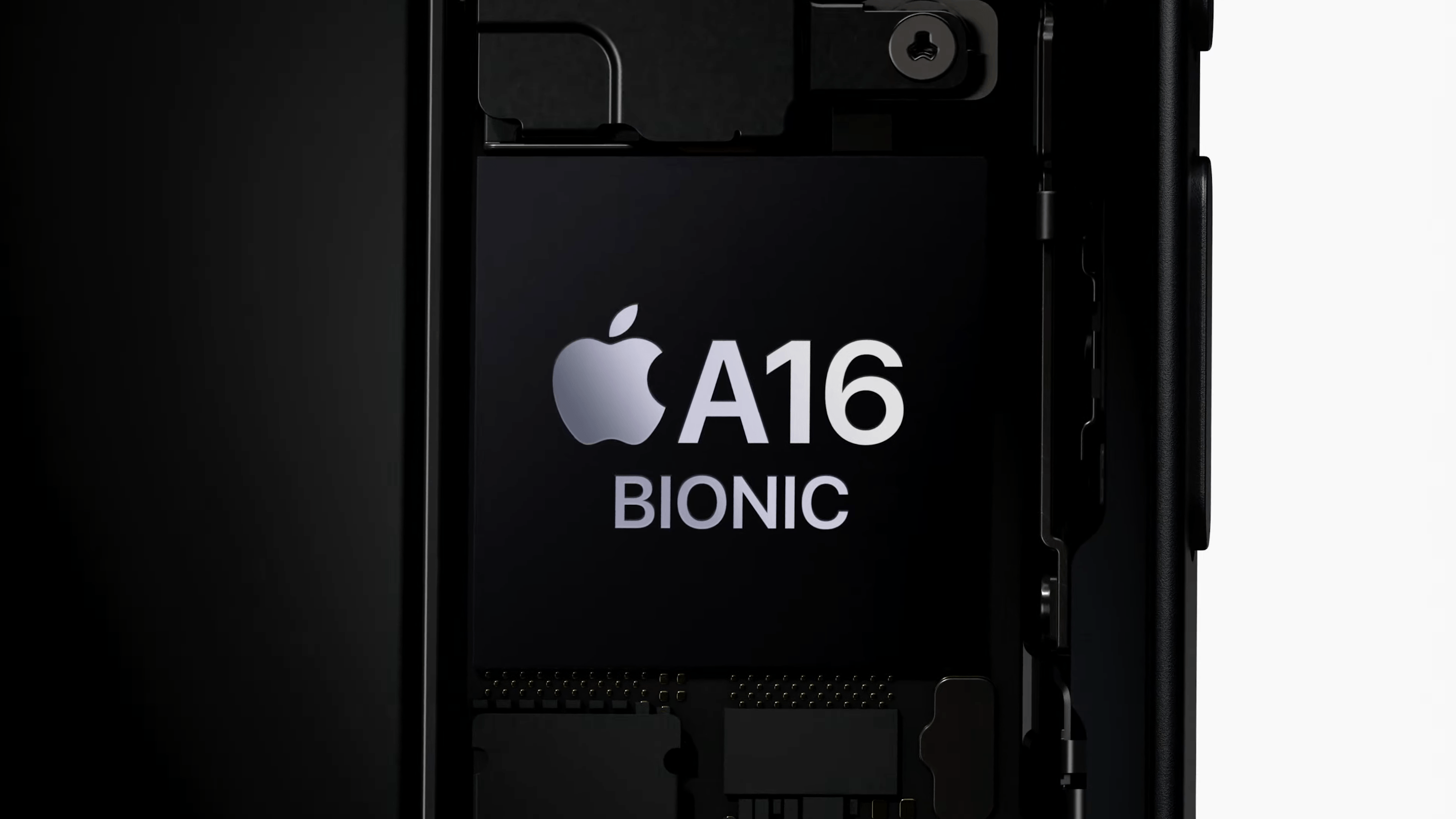
As mentioned at the beginning, since last year, the non-Pro variants no longer feature Apple’s state-of-the-art SoC. While the iPhone 14 is equipped with the A15 Bionic, the iPhone 15 is powered by the A16 Bionic. Both processors are reminiscent of the Pro variants from previous years.
Both series come with 6 GB of RAM, and the rest is typical: No microSD slot, with available storage options of 128 GB, 256 GB, and 512 GB.
On paper, the iPhone 14 is faster and boasts superior graphics performance. However, in terms of features, both generations are loaded with capabilities like fall detection and car accident detection. Additionally, in situations where Wi-Fi and mobile internet are unavailable, you can use “Emergency SOS” on both lineups to call for help via satellite.
Perhaps the most significant difference between the generations is the improved camera sensor on the iPhone 15—at least on paper. The new iPhone 15 and iPhone 15 Plus feature a primary camera with a 48 MP sensor and an f/1.6 aperture. The ultra-wide-angle camera retains the standard 12 MP resolution with an f/2.4 aperture.
By comparison, the iPhone 14 features a 12 MP main camera with a ƒ/1.5 aperture, as opposed to the ƒ/1.6 aperture. The extra resolution in the iPhone 15 is definitely a valuable upgrade, as it gives you more pixels for the digital zoom. Portrait photos in particular benefit from a “2x” or “3x” zoom level, and here you get more quality with the new iPhone.
Finally, the front camera is basically the same with a small tweak between generations. Both have 12 megapixels, but on the iPhone 15, we have an aperture of f/2.2 instead of f/2.4. Both sensors have autofocus.
For fans of video: Both series have a 4K Cinematic mode that works with either 24 or 30 frames per second.
Apple iPhone 14 image gallery
Ultra-wide angle in daylight
Quelle: NextPit
Daylight portrait mode
Quelle: NextPit
Wide angle in daylight
Quelle: NextPit
Ultra-wide angle in daylight
Quelle: NextPit
Ultra-wide angle in daylight
Quelle: NextPit
Portrait mode in wide angle: distance too large
Quelle: NextPit
Wide angle in daylight
Quelle: NextPit
Daylight portrait mode
Quelle: NextPit
Ultra-wide angle in daylight
Quelle: NextPit
Ultra-wide angle with HDR
Quelle: NextPit
Portrait mode in night mode – wide angle
Quelle: NextPit
Wide angle night mode
Quelle: NextPit
Ultra-wide angle at night
Quelle: NextPit
Wide angle night mode
Quelle: NextPit
Wide angle night mode
Quelle: NextPit
iPhone 15 vs. iPhone 14: Battery capacity and charging
The iPhone 15 and iPhone 15 Plus have larger batteries compared to their predecessor models. Nevertheless, Apple claims that the battery life of both models remains essentially the same – after all, the more powerful SoCs need to be supplied with energy somehow. In our test of the iPhone 15, we were able to reliably get through the whole day.
The maximum power for fast charging is 20 W, while wireless charging remains at 15 W. Of course, you can use MagSafe or any Qi-compatible charger for wireless charging so that your older accessories can still be used. What is new with the iPhone 15 series, however, is that charging now takes place via USB Type-C for the first time. However, the new connection has no effect on the charging speed.
iPhone 15 vs. iPhone 14: Which phone should you choose in 2023?
As already mentioned at the beginning: Your decision depends primarily on which device you currently own. The new iPhone 15 generation has improved the camera and offers significantly faster performance. The 15th-generation devices also have a more modern connection for charging and data transfer.
And with all four models currently on sale at the Apple Store, the brand reduced the 2022 model prices by $100 compared to their original MSRPs, now charged by the equivalent iPhone 15 model.
If you already have an iPhone 14, then it is not worth upgrading to the 15. However, if you are coming from an older model or switching from an Android smartphone, then we recommend the iPhone 15. The newer processor generation and the added convenience of USB-C and Dynamic Island are definitely worth the extra cost.
Now I’m curious to hear your opinion: would you swap your iPhone 14 for the iPhone 15? And if you are coming from a different smartphone: Which model would you choose?
We mark partner links with this symbol. If you click on one of these links or buttons–or make a purchase through them–we may receive a small commission from the retailer. This doesn’t affect the price you pay, but it helps us keep nextpit free for everyone. Thanks for your support!
Ich habe 15 Jahre Erfahrung in der Bewertung von Smartphones und Wearables und vereine technisches Know-how mit einer echten Leidenschaft für Innovation. Ich habe bekannte Tech-Websites wie AndroidPIT und Canaltech in Brasilien geleitet und möchte jetzt meine Expertise mit einem Publikum auf der ganzen Welt – unter anderem in den USA, Deutschland, Frankreich, Spanien und Brasilien – durch ehrliche, praxisnahe Tests teilen.
Kürzlich habe ich meinen Fokus auf digitale Gesundheit verlagert, mit einem besonderen Augenmerk auf Geschlechtergerechtigkeit und dem Ziel den geschlechtsspezifischen Datengraben zu überwinden. Ich brenne dafür, durch einfache, klare Texte Frauen in den Bereichen Technik und Gesundheit eine stärkere Stimme zu geben. Ob ich nun die neuesten Gadgets teste oder neue Trends im Bereich der digitalen Gesundheit erkunde – ich bemühe mich stets, komplexe Themen verständlich aufzubereiten.
Persönlich bin ich ein begeisterter Läufer – ich habe 2024 den Berlin-Marathon absolviert – und bereite mich auf eine lange Radtour von Deutschland nach Österreich vor, die im Jahr 2025 in nur vier Tagen schaffen will.























0 comments