Sorry, but there's really nothing to see here right now. Our server is in maintenance mode – and our
little bot is trying to sort the error messages with its last bit of energy.
Whether it was a data leak, a power outage in the cluster, or just a grumpy bit – we don't know yet.
But what we do know is:
The data drama escalated into a server meltdown. But don't worry: We're on it.
What now?
Everything is surely running smoothly over at our colleagues from inside
digital – why not stop by!
Or you could pass the time by visiting our social media channels – for example Instagram, YouTube or TikTok. At least there are no
server problems there – promised.
Thanks for your patience. Our bot is already rebooting at full speed. 🔧
Evolution: “the gradual development of something, especially from a simple to a more complex form!”
Last week, my colleague Benjamin Lucks wrote an editorial about smart switches and the companies’ ability to complicate simple everyday actions for the sake of the so-called connected home. While I understand his point of view, I disagree with some of his criticisms, and here are five reasons why.
Smart switches do not limit the simple use of switches
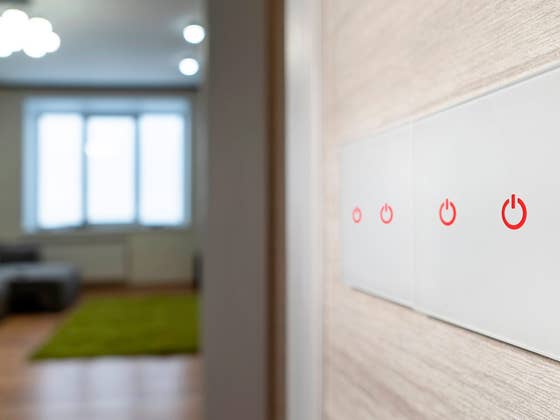
First, the fact that smart switches limit the original use of the switches we have at home is a fallacy. Smart switches also offer manual control. So you can control the lights with a simple touch, but you can also do this using voice, movement, or remotely via your cell phone. In addition, they work with both Wi-Fi and non-Wi-Fi connected lamps.
Therefore, smart switches can be used wall-mounted as standard switches!
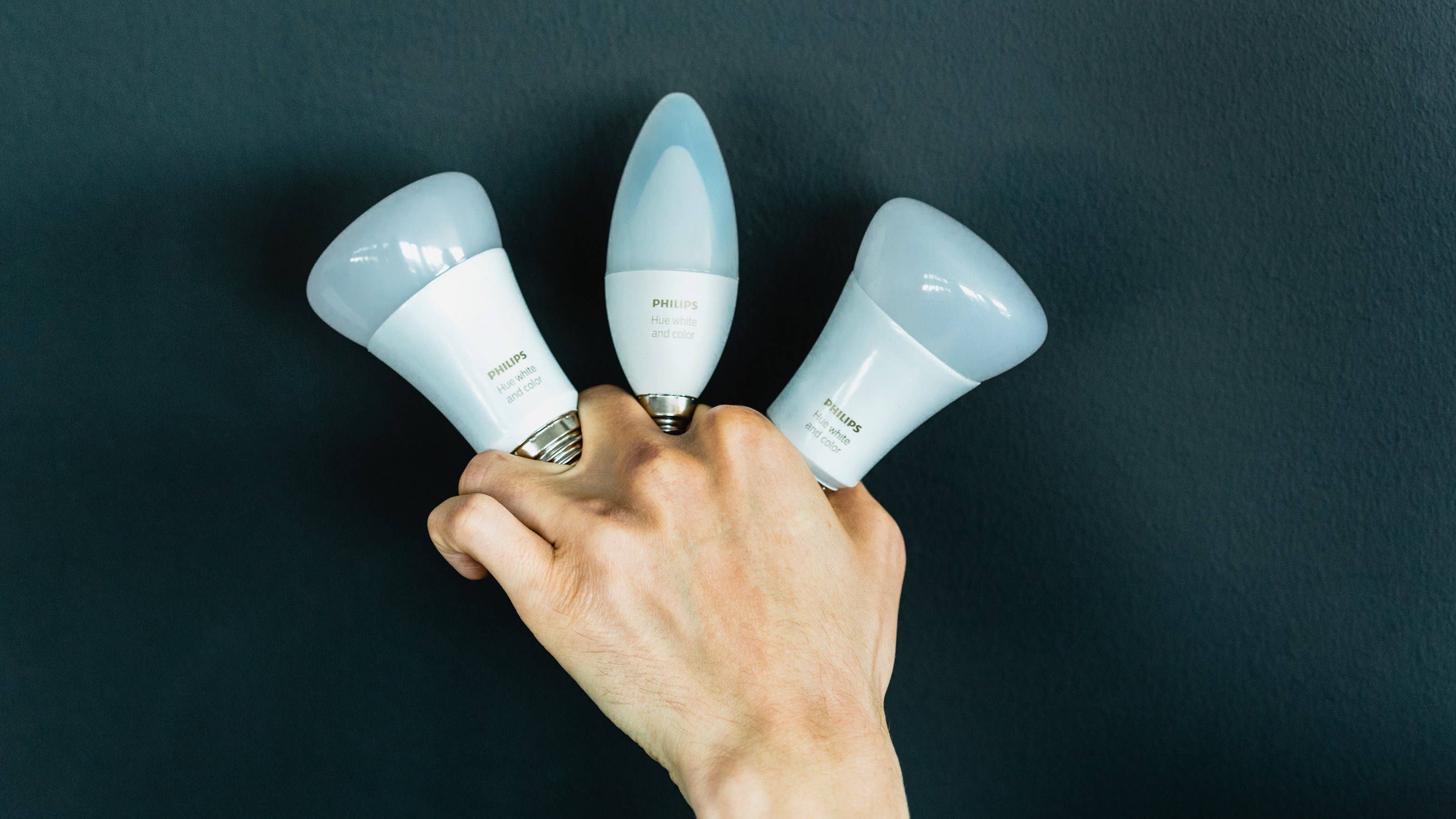
By the way, even smart light bulbs can be controlled manually, what you need is a remote control for that. But yes, to voice control Philips Hue smart bulbs, for example, the switches need to be activated in “on” mode constantly. However, even here it does not mean that you cannot simply “turn it off and on” the switch to turn on the lights in a room.
Another relevant difference between smart lights and smart switches is that while the latter allows you to group lamps together, the former requires individual configuration. This makes software updates or failures occur in isolation, even grouped via companion app or smart assistants like Alexa, Google Assistant, or Siri.
From decoration to home security
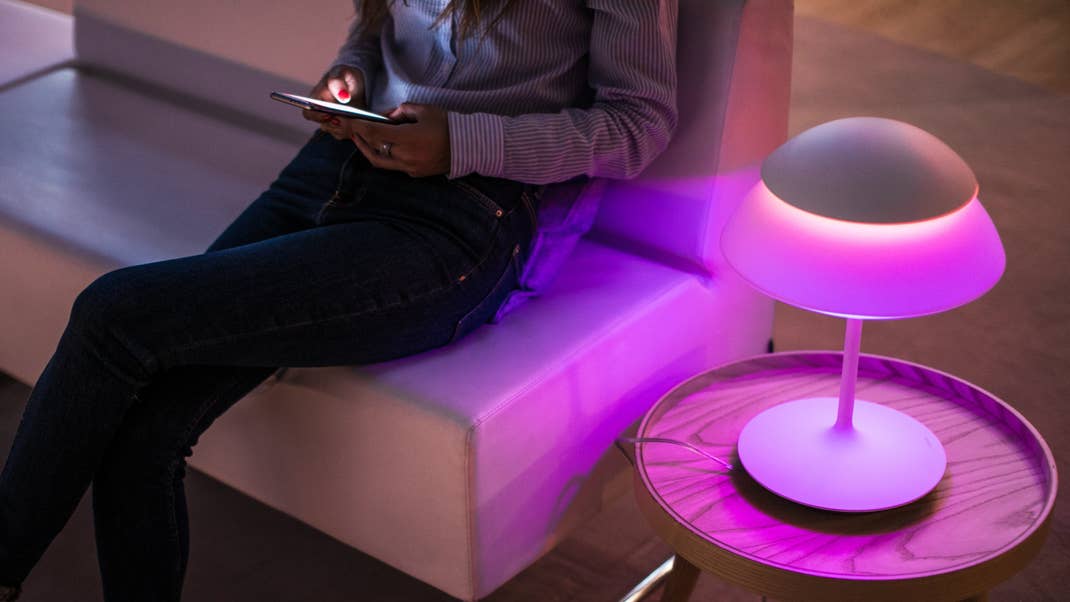
Smart switches allow you to regulate brightness, intensity, and the color of lights. Depending on the environment, you can use warmer colors, in other rooms cooler. In addition, the market for unconnected light bulbs has a wide variety of types, sizes, and shapes that can be used in conjunction with smart switches and still provide automation.
Beyond decorative use, especially for those who live in a house, setting some smart light switches to randomly turn on and off giving the impression that someone is home can be a good tactic for vacation time or business trips.
In fact, besides offering a bit more peace of mind, being able to make use of smart switches remotely ensures that you can access the lights in your home if you have forgotten to have a light bulb on. And this brings us to the third reason why smart switches are great.
An encouragement for more conscious energy use
A few weeks ago we published a guide on how to save energy in a smart home in which we cited some studies that show how automated tasks can generate savings on the electricity bill. More than that, the reduction in energy consumption also reduces the emission of carbon dioxide pollution into the environment, as I explain in this article about using smart plugs in smart TVs.
However, it is obvious that just installing a smart switch at home will not lower your electricity bill automatically at the end of the month or give you the title of the most dedicated treehugger. For that, you will need to configure the smart devices available in your home and maintain the software updates!
When it comes to savings, I don’t just mean controlling the lights remotely from your cell phone, but setting schedules for when the lights will be turned on and off, for example. My electricity bill used to increase considerably during the winter, because I used plant growing lamps all night. This has changed with the use of smart plugs by setting a period for the lamps to stay on, and the same can be done using smart switches.
But more than saving on the electricity bill, using smart devices has made me more conscious about how I consume energy. It is 2022 and we have many more options than we had five years ago, and far fewer than we will have in the next five years.
Another major benefit of using smart switches is accessibility. In addition to being used in conjunction with smart hubs like Amazon Echo and Google Nest via voice commands, these devices also offer models with ambient light or motion sensors for automatic adjustment and actuation.
Imagine living in a house with a person with a disability and having to leave part of the house lights on all night in case there is a nighttime trip to the bathroom. This happens every day in my mother’s house. My uncle is a disabled person and requires that some lights remain on all night. Today, for less than $60 a smart switch with motion sensor offers not only savings, but more security since my mother can tell when my uncle has got up because the lights turned on.
If we put ourselves outside our bubble, we can realize that a connected home goes beyond the simple voice command: “Alexa, turn off living room lights!”
More and more security options
Finally, just like your bank’s app or even WhatsApp or Telegram, many smart switch models today offer two-factor authentication as another layer of security. So the chances of someone taking control of your lights are very unlikely.
And let’s face it: how many times has your smart TV been hacked or your favorite messenger app? And I can even bet that the risk of possible security breaches did not make you stop using them, correct?
Now of course the fact that we can control our lamps remotely is only possible because we are connected to the Cloud. So just as you should read the terms of use for Google Photos or iCloud, it is important to research what services are used by the manufacturer of your smart switch—or any other smart device you have at home.
In any case, local regulations, such as GDPR in Europe, have various provisions related to vulnerability, and organizations need to comply with them. So instead of moving away from technology, I invite you to be part of its evolution, because only then can we improve the ecosystem of smart devices.
Finally, of course smart switches can make life more complex, but that is the price of evolution! After all, you are not reading this article on a piece of paper, are you?
We mark partner links with this symbol. If you click on one of these links or buttons–or make a purchase through them–we may receive a small commission from the retailer. This doesn’t affect the price you pay, but it helps us keep nextpit free for everyone. Thanks for your support! Prices are based on the date of publication of this article and may be subject to change.
Security concerns aren’t at home, but at the server for the most part.
Wifi itself is stupidly easy to eavesdrop and collect credentials. 2FA doesn’t protect against these vulnerabilities. The argument that everything else is bad is no defense of the switch itself either.
As we’ve seen with other smart home systems that rely on a centralized external server, you’re at the whim and life span of the company operating your devices. These come and go and you’re stuck with things that don’t work, can’t be re-used and are now wasted money and e-waste.
If you’re designing from the ground up for such a system, running Cat 6 or 7 from each switch to a central hub and operating the system in house is far more secure.
If you’re trying to patch something together for an apartment, I think you’re wasting money and generating needless waste. Replace bulbs with more efficient options as they wear out.
Bluetooth is a somewhat more interesting option to me. Halo makes some interesting things here. With the limited range of Bluetooth, you gain some security just from the crappy range. And nothing leaves your house to a central, risky, server. Again, this isn’t good for a retrofit, but designed in from the start.
There needs to be a much more universal standard, and fall-back operation should the original company go out of business, or dump the product line for being 2 years old or not profitable.








Security concerns aren’t at home, but at the server for the most part.
Wifi itself is stupidly easy to eavesdrop and collect credentials. 2FA doesn’t protect against these vulnerabilities. The argument that everything else is bad is no defense of the switch itself either.
As we’ve seen with other smart home systems that rely on a centralized external server, you’re at the whim and life span of the company operating your devices. These come and go and you’re stuck with things that don’t work, can’t be re-used and are now wasted money and e-waste.
If you’re designing from the ground up for such a system, running Cat 6 or 7 from each switch to a central hub and operating the system in house is far more secure.
If you’re trying to patch something together for an apartment, I think you’re wasting money and generating needless waste. Replace bulbs with more efficient options as they wear out.
Bluetooth is a somewhat more interesting option to me. Halo makes some interesting things here. With the limited range of Bluetooth, you gain some security just from the crappy range. And nothing leaves your house to a central, risky, server. Again, this isn’t good for a retrofit, but designed in from the start.
There needs to be a much more universal standard, and fall-back operation should the original company go out of business, or dump the product line for being 2 years old or not profitable.