


Contents
The guide has been updated to reflect changes in later Matter versions and the addition of supported devices.
What is Matter?
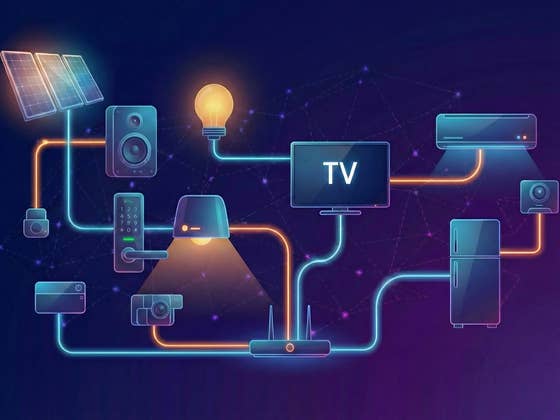
Matter was launched in late 2019 by the Connectivity Standards Alliance (CSA), an organization formed by major brands including Apple, Amazon, Google, Samsung, and the Zigbee Alliance, with additional industry support. It’s a royalty-free connectivity standard designed to improve compatibility across smart home products. Originally known as Connected Home over IP (CHIP), Matter uses Internet Protocol (IP) to link devices, ecosystems, and apps across platforms.
The following four communication protocols are supported by Matter.
- Ethernet / LAN cable (IEEE 802.3)
- Wi-Fi / WLAN (IEEE 802.11)
- Thread (IEEE 802.15.4)
- Bluetooth Low Energy
Think of Matter as the USB of smart home devices. Just as the now-universal connector replaced legacy plugs like serial, game port, and DisplayPort, Matter is designed to simplify compatibility across smart home ecosystems. Instead of choosing between Siri, Alexa, or Gemini for control—or between Z-Wave, Wi-Fi, or Zigbee for communication—Matter offers a unified standard. Thread acts as its primary communication protocol, streamlining how devices connect and interact.
Of course, that leads to the classic situation best exemplified by xkcd’s famous comic. But the sheer clout of all companies involved leads us to believe that Matter will become the market standard.
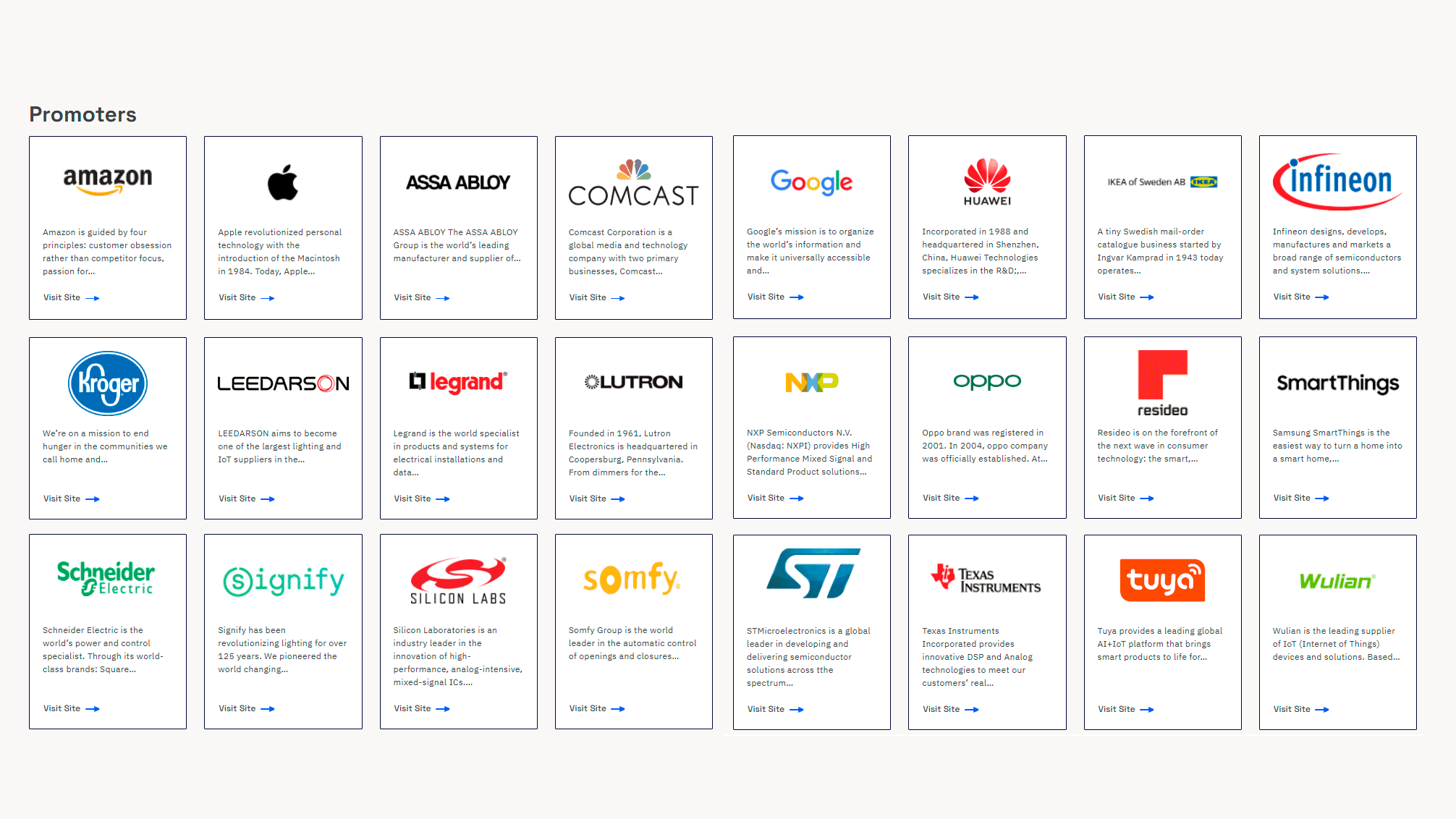
The picture above looks very impressive because big names like Apple, Google, and Amazon are there. We also see the smart lighting experts par excellence with Signify (Philips Hue), and Samsung also represented by SmartThings. But that’s only a fraction of what you can expect. If you were to take a look at the CSA (Connectivity Standards Alliance) page, you’ll see that there are now over 200 names there, and that includes a list of who’s who in the smart home sector.
What is Thread?
The key difference between Thread and standards like Wi-Fi or Bluetooth is that Thread creates a mesh network. That means any device permanently connected to power and compatible with Thread can help extend your smart home’s coverage. For instance, if a door lock isn’t within direct range of your alarm system, it can still communicate with it through a Matter-enabled light bulb.
The good news? You don’t need to manually set up this network. Matter devices automatically coordinate and determine the most efficient way to communicate with one another. To link your Thread network to the outside world, or to your smartphone, you only need one device at home that acts as a Matter “border router.” Devices like the HomePod Mini, the latest Amazon Echo, and the 3rd-generation Apple TV 4K already support this functionality.
What advantages do Matter and Thread offer?
Advantage 1: Interoperability
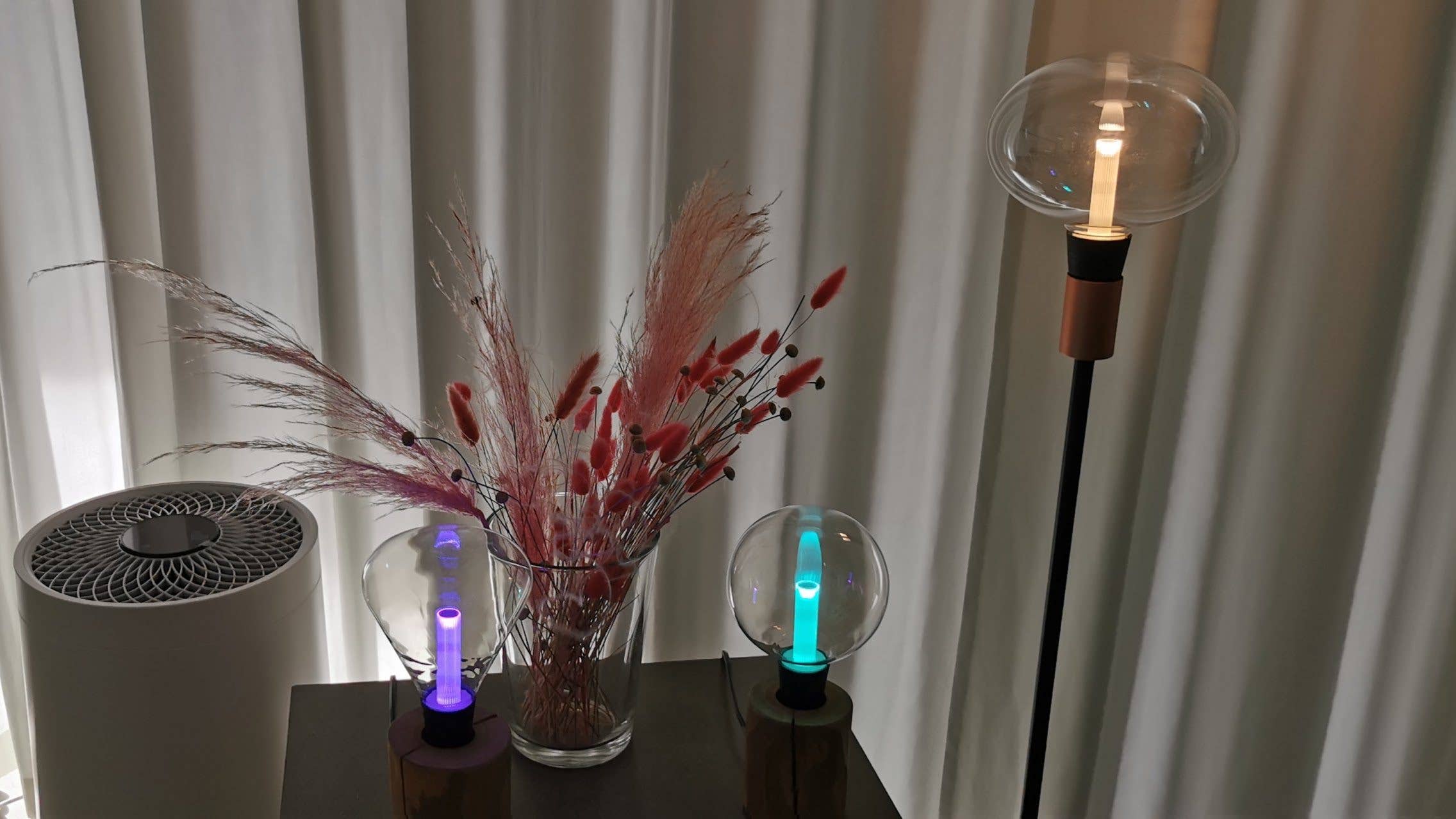
What does this mean for you specifically in the event Matter establishes itself as the primary standard? First of all, it won’t matter (heh!) whether you use the Apple HomeKit, Samsung SmartThings, or any other ecosystem under the Matter umbrella. You’ll be able to control your smart socket, which you’ve been controlling via Gemini, via Alexa—or simply control both simultaneously.
Imagine living in a household that uses both Android and iOS. Under Matter, it does not matter which smartphone you use, which ecosystem, and which smart assistant. This way, every family member can use their preferred operating system or favorite assistant in the future.
Advantage 2: Acquisition and selection
Buying smart products will be much easier for you in the future. You will have a huge selection of smart products to choose from and will no longer have to spend hours searching between different smart home solutions to find the one that fits the platform in your home. All you have to do is make sure that the Matter or Thread symbol is printed on the box.
Here is another plus point for you: The companies themselves no longer have to certify their products for several ecosystems at once. This saves both time and money in production and thus also helps to provide even more choice.
Advantage 3: Installation
Another advantage is that it will be easier for you to set up new hardware. As is currently the case with Apple Homekit, a QR code will suffice for installation in the future, saving you both time and frazzled nerves. However, that’s not all by a long shot, no sir!
More importantly, the mesh principle behind Thread means you won’t need any bridges or repeaters to expand your existing home network. Virtually any Thread device with a permanent power connection will be able to do it for you. This makes building your smart home network much (far more!) easier and hopefully, cheaper.
Advantage 4: Independence
You’ll also become more independent: if you’ve already sunk a lot of money into one manufacturer’s smart home ecosystem, for example, switching to another company is an unattractive proposition. This is set to be a thing of the past with Matter, because in the future, you should be able to mix light switches from Xiaomi and Bosch, for instance. We are extremely excited to see how this will change smart home ecosystems in the future.
This doesn’t just apply to hardware, by the way, but also to the apps you use to operate your smart home. For example, if Signify wants to, they could integrate Matter-compatible vacuum cleaner robots into their Philips Hue app down the road. In this case, however, the full range of functions may not be available as in the native manufacturer app of Roborock and other manufacturers, simply because Matter only specifies one hull functionality per product category, which manufacturers must make available to the Matter universe.
Advantage 5: Security
For hardware to be certified as Matter-ready, it must meet the minimum security standards. You might assume this is already a given with the major players in the first place. But now, you get such a degree of security even with lesser-known low-cost brands, as long as they have the certificate. Thanks to blockchain technology, Matter ensures that software changes are stored decentrally and transparently and can be verified by anyone. Matter products are encrypted and hack-proof.
In addition, connected devices will communicate locally, so you don’t have to control your smart home over the Internet. Of course, the manufacturers will continue to offer their cloud services, so that you can access your heating control or your vacuum cleaner robot while you’re on the road in the future.
What kind of devices does Matter support?
Following long delays, Matter was officially launched in October 2022 along with the first range of product categories. However, only some devices were available at launch, while support for other devices was added in later installments.
The first major expansion came one year later with Matter 1.2, which introduced several new device categories. In May 2024, Matter 1.3 added five appliance categories, improved energy management features, and support for electric vehicle chargers and water management systems.
Later that year, Matter 1.4 expanded support to include solar panels and batteries, while also enhancing multi-admin capabilities and energy automation. Smaller updates followed in early and mid-2025 with Matter 1.4.1 and Matter 1.4.2, both focused on streamlining setup and improving performance.
The next significant expansion arrived with Matter 1.5, announced in November 2025, just months after the smaller updates.
Matter 1.5 brought long-awaited support for security cameras, one of the major smart home categories. This enables interoperability across different types of imaging products and ecosystems, including video doorbells and smart home cameras.
The update also added closures, ranging from smart doors, blinds, and windows to rollers and gates. In the garden, soil sensors were finally included. It also marked a milestone for energy management systems by adding energy meters, load controllers, and smart plugs. Standardized data, smart grid integration, and smart charging were introduced as well.
| Devices | Matter 1.0 | Matter 1.2 | Matter 1.3 | Matter 1.4 | Matter 1.5 |
|---|---|---|---|---|---|
| Bridges | ✅ | ✅ | ✅ | ✅ | ✅ |
| Door locks | ✅ | ✅ | ✅ | ✅ | ✅ |
| Electrical | ✅ | ✅ | ✅ | ✅ | ✅ |
| HVAC controls | ✅ | ✅ | ✅ | ✅ | ✅ |
| Lighting | ✅ | ✅ | ✅ | ✅ | ✅ |
| Media devices | ✅ | ✅ | ✅ | ✅ | ✅ |
| Safety and security sensors | ✅ | ✅ | ✅ | ✅ | ✅ |
| Windows shades | ✅ | ✅ | ✅ | ✅ | ✅ |
| Air purifiers | ❌ | ✅ | ✅ | ✅ | ✅ |
| Air quality sensors | ❌ | ✅ | ✅ | ✅ | ✅ |
| Dishwashers | ❌ | ✅ | ✅ | ✅ | ✅ |
| Fans | ❌ | ✅ | ✅ | ✅ | ✅ |
| Refrigerators | ❌ | ✅ | ✅ | ✅ | ✅ |
| Robotic vacuum cleaners | ❌ | ✅ | ✅ | ✅ | ✅ |
| Room air conditioners | ❌ | ✅ | ✅ | ✅ | ✅ |
| Smoke and carbon monoxide alarms | ❌ | ✅ | ✅ | ✅ | ✅ |
| Washing machines | ❌ | ✅ | ✅ | ✅ | ✅ |
| Laundry dryers | ❌ | ❌ | ✅ | ✅ | ✅ |
| Microwave ovens | ❌ | ❌ | ✅ | ✅ | ✅ |
| Ovens | ❌ | ❌ | ✅ | ✅ | ✅ |
| Cooktops | ❌ | ❌ | ✅ | ✅ | ✅ |
| Extractor hoods | ❌ | ❌ | ✅ | ✅ | ✅ |
| Electric car chargers | ❌ | ❌ | ✅ | ✅ | ✅ |
| Water leak, rain, and freeze sensors | ❌ | ❌ | ✅ | ✅ | ✅ |
| Water valves | ❌ | ❌ | ✅ | ✅ | ✅ |
| Water heaters | ❌ | ❌ | ❌ | ✅ | ✅ |
| Heat pumps | ❌ | ❌ | ❌ | ✅ | ✅ |
| Batteries | ❌ | ❌ | ❌ | ✅ | ✅ |
| Solar panels | ❌ | ❌ | ❌ | ✅ | ✅ |
| Soil Sensors | ❌ | ❌ | ❌ | ❌ | ✅ |
| Closures (Doors, Windows, Blinds, Etc.) | ❌ | ❌ | ❌ | ❌ | ✅ |
| Energy Management Devices | ❌ | ❌ | ❌ | ❌ | ✅ |
| Smart Cameras | ❌ | ❌ | ❌ | ❌ | ✅ |
This leaves only a few Matter device categories still unsupported, such as speakers, paging systems, and certain garden irrigation solutions.
Matter Ecosystems: apps and bridges
Soon after the 1.0 standard became official, a number of companies announced their compatible devices, and just as important, smartphone apps to control them. The release also kickstarted the initial release of system updates to old products, but don’t take firmware updates for granted, as we can expect companies to try to push new sales.
| Company | Bridges / Hubs | Phone app |
|---|---|---|
| Amazon |
|
|
| Apple |
|
|
| Aqara |
|
|
|
||
| Ikea |
|
|
| LG |
|
|
| Samsung |
|
|
| Signify |
|
|
| Other |
|
|
|
||
With the interoperability promised by Matter, other companies are expected to release compatible bridges and apps in the future.
Transition hiccups
Although heralded as the “one true standard”, we will probably have to live with the existing ecosystems for quite a while, especially for those with their smart home already set. With some devices not slated to be upgraded, companies like Samsung already said that their proprietary standard, including certification, won’t go away anytime soon.
Because of that, even after updating the Samsung SmartThings Hub, existing non-Matter devices won’t magically be available to apps made by other brands, and will require using the current branded apps. Similar hiccups can be expected from other product families, but at least current devices should continue working as before, for better or worse.
Does Matter support older devices?
Not necessarily. Products need to be certified for the new standard and some of them will require a firmware update. Both Amazon and Google, together with device makers eWeLink, Ledvance, Sengled, TP-Link, Tuya, and Lifx announced that many devices will receive updated firmware to be compatible with Matter. The provisional list includes many Echo, Nest, and SmartThings devices and of course, Alexa and Assistant.
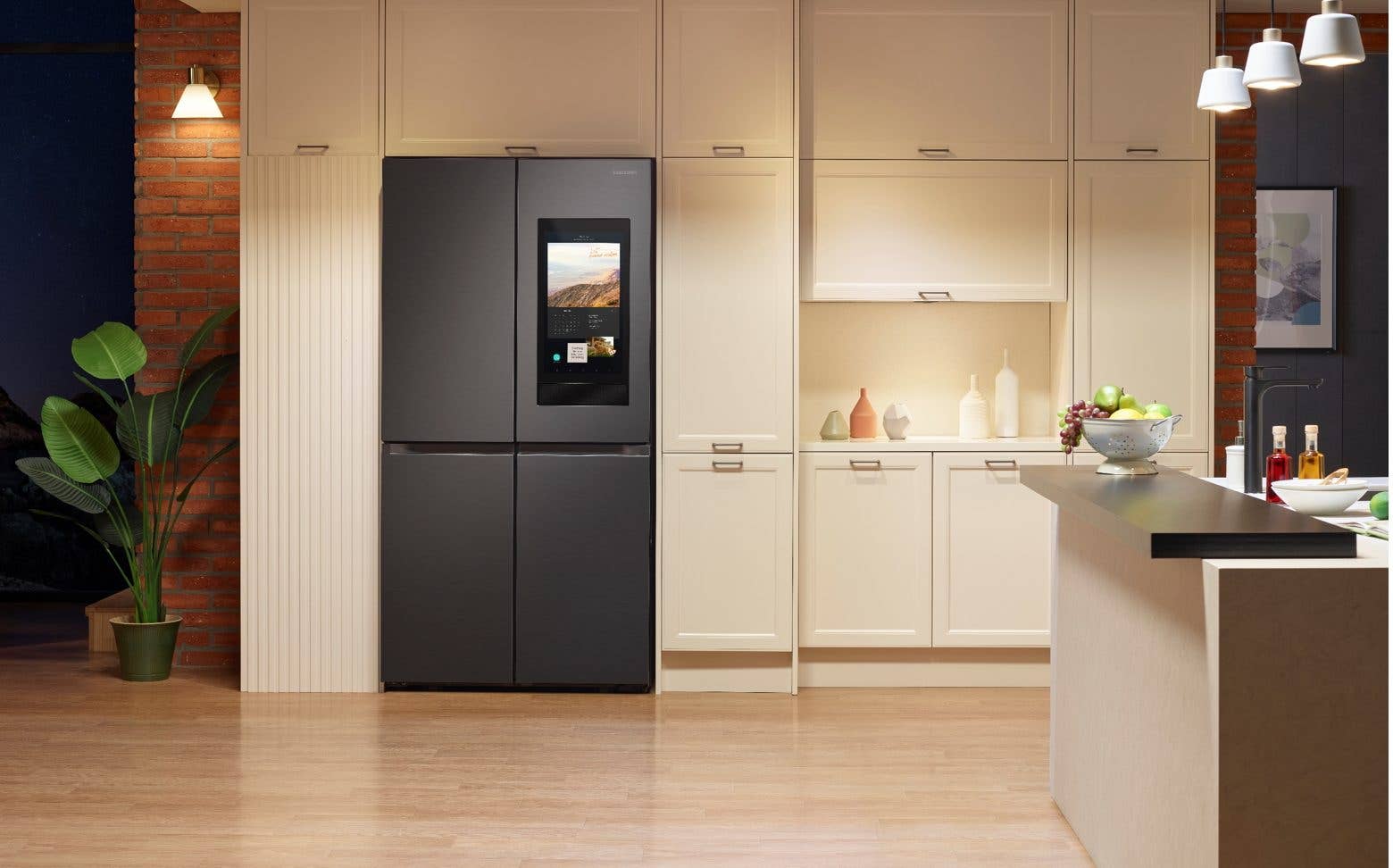
In some cases, the firmware upgrade will be required for a single device in the home, as the Matter upgrade Signify announced for its Philips Hue Bridge, which will integrate existing lamps into the new ecosystem. Similarly, Samsung announced that some of its smart TVs/monitors and even refrigerators will work as Matter hubs to control compatible devices.
Just like in the Android ecosystem, we expect manufacturers to slowly distribute firmware updates now that the standard has been ratified. Just don’t go on a buying spree without checking whether the device supports Matter to avoid any future incompatibilities.
Are you satisfied with the development and adoption of Matter and Thread? Which of your smart home devices come with the standard? Share with us in the comments below.
Article updated on December 2025 with the new product categories supported by Matter 1.5.
We mark partner links with this symbol. If you click on one of these links or buttons–or make a purchase through them–we may receive a small commission from the retailer. This doesn’t affect the price you pay, but it helps us keep nextpit free for everyone. Thanks for your support! Prices are based on the date of publication of this article and may be subject to change.