

Contents
Best Wireless Apple Earbuds: AirPods Pro 3 (3rd Gen)
The latest AirPods Pro 3 arrived recently, and they are more than just an upgrade. Apple introduced a range of new features, including heart rate tracking. They also feature the H2 chipset and the second-generation UWB chip.
Apple has retained the iconic semi-in-ear look of the AirPods Pro 2 but reshaped the 3rd generation high-end earbuds for a better fit. The AirPods Pro 3 now carry a higher IP57 dust and water resistance rating for improved durability.
The ear tips are foam-infused, enhancing passive noise cancellation. ANC in the third-generation AirPods Pro is twice as effective in blocking ambient noise and isolating voice during calls. Apple also highlights improved sound quality with clearer high frequencies and vocals, along with stronger bass.
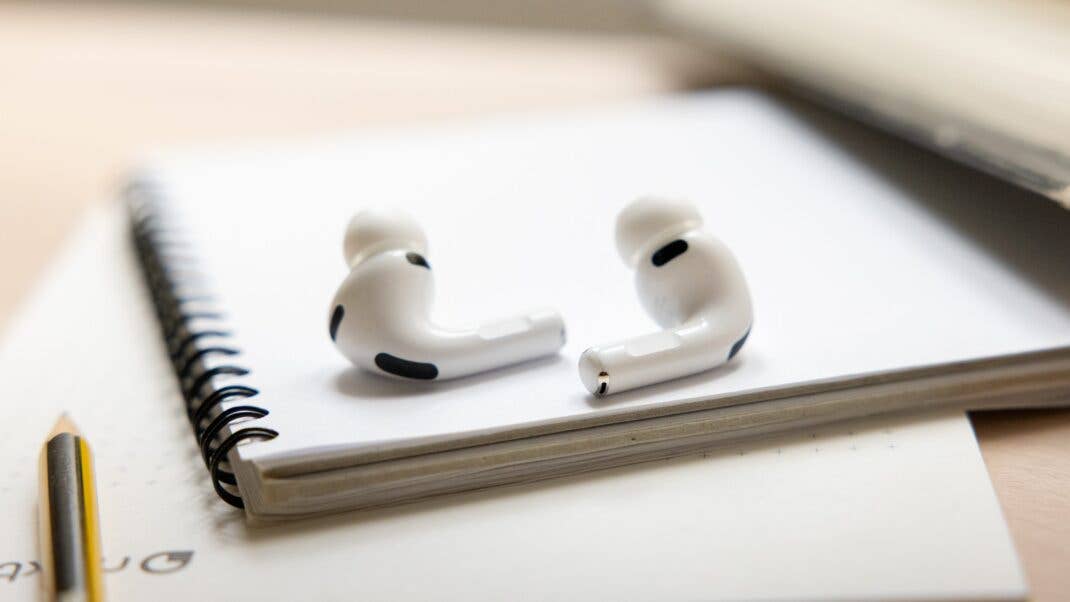
AirPods Pro 3 ship with Live Translation, an AI-based feature found in newer AirPods models. Paired with an iPhone, it offers real-time translation of conversations and allows you to check dialogue or transcripts on your phone.
For those invested in the Apple ecosystem, the AirPods Pro 3 are currently the best choice for wireless in-ear headphones. Active Noise Cancellation and microphone quality are excellent, battery life is longer, and the new U2 chip enables more precise location tracking with Apple devices.
If you’re lucky, you can even find the AirPods Pro 3 on sale at major retailers.
Budget ANC Apple Earbuds: AirPods 4 with ANC
The AirPods 4 (review) are the best option if you prefer not to use the in-ear format of the AirPods Pro. Apple launched them in September 2024 and addressed the biggest shortcoming of the standard AirPods 3, which was the lack of ANC.
Apple’s standard wireless earbuds now come in two variants, one without noise cancelling and one with ANC. The ANC model costs more but offers greater functionality.
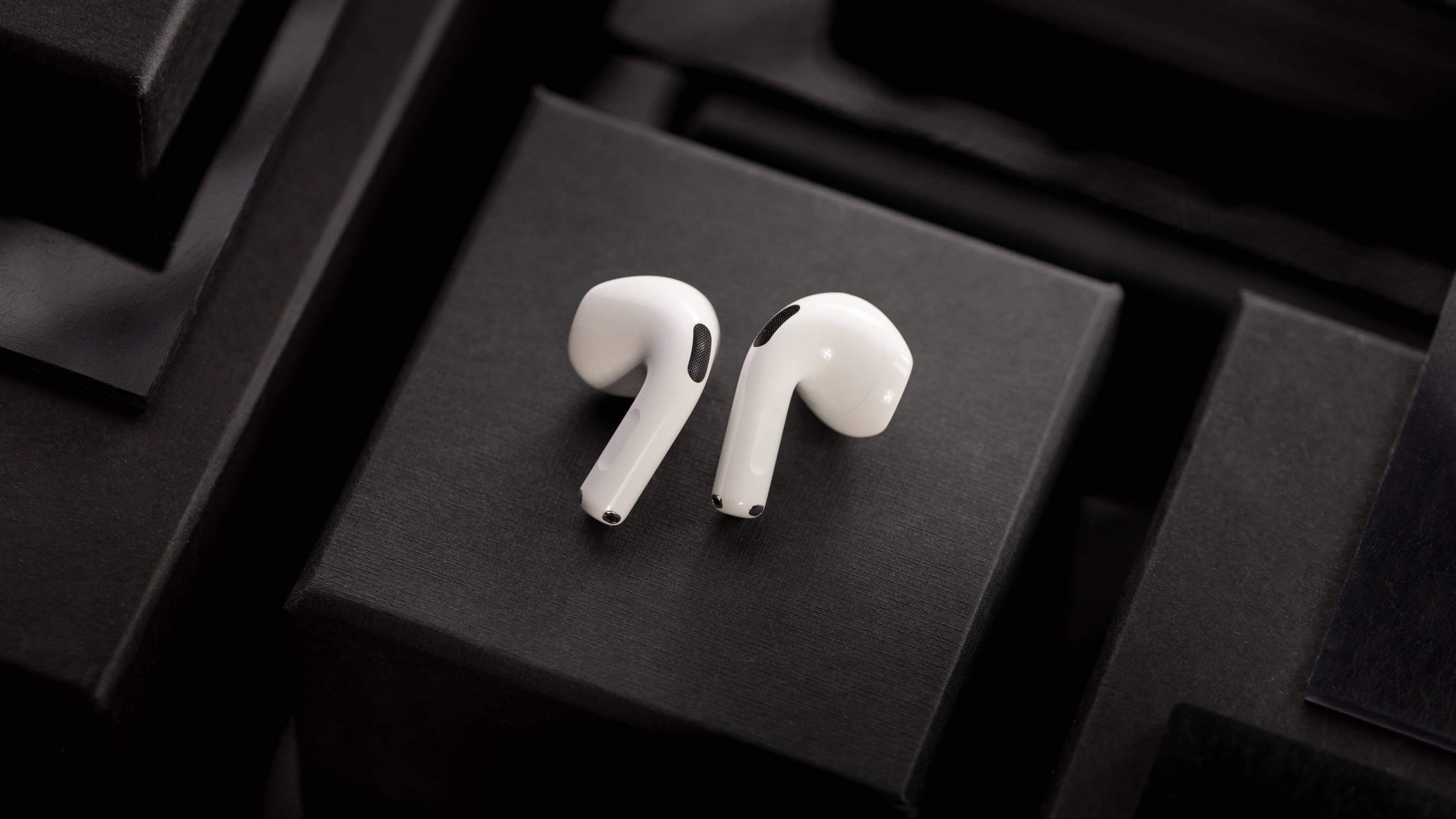
Both AirPods 4 models have an open-fit design, meaning they do not sit deep in the ear canal. This reduces passive noise isolation but greatly improves comfort. Apple slimmed and reshaped them for a more secure fit. They also gained IP54 certification, making them resistant to dust and water splashes.
Internally, AirPods 4 use the H2 chip, which improves audio quality and makes ANC effective even with the semi-open design. Adaptive Audio has been added, a feature missing from the previous generation, and Spatial Audio with head tracking remains.
The charging case has been redesigned to be more compact and now includes a built-in speaker for easier locating with Find My.
To keep costs lower, AirPods 4 omit some features. They lack volume adjustment on the earbuds, live translation, and heart rate sensors. Battery life on the earbuds themselves is reduced to 4 hours, though the case still provides 30 hours. For most users, this trade-off may not be significant.
Best value for money: Apple AirPods 4
If the AirPods 4 with ANC feel too expensive, the standard AirPods 4 are still a solid choice. They are nearly identical to the ANC model, except for the absence of noise cancelling.
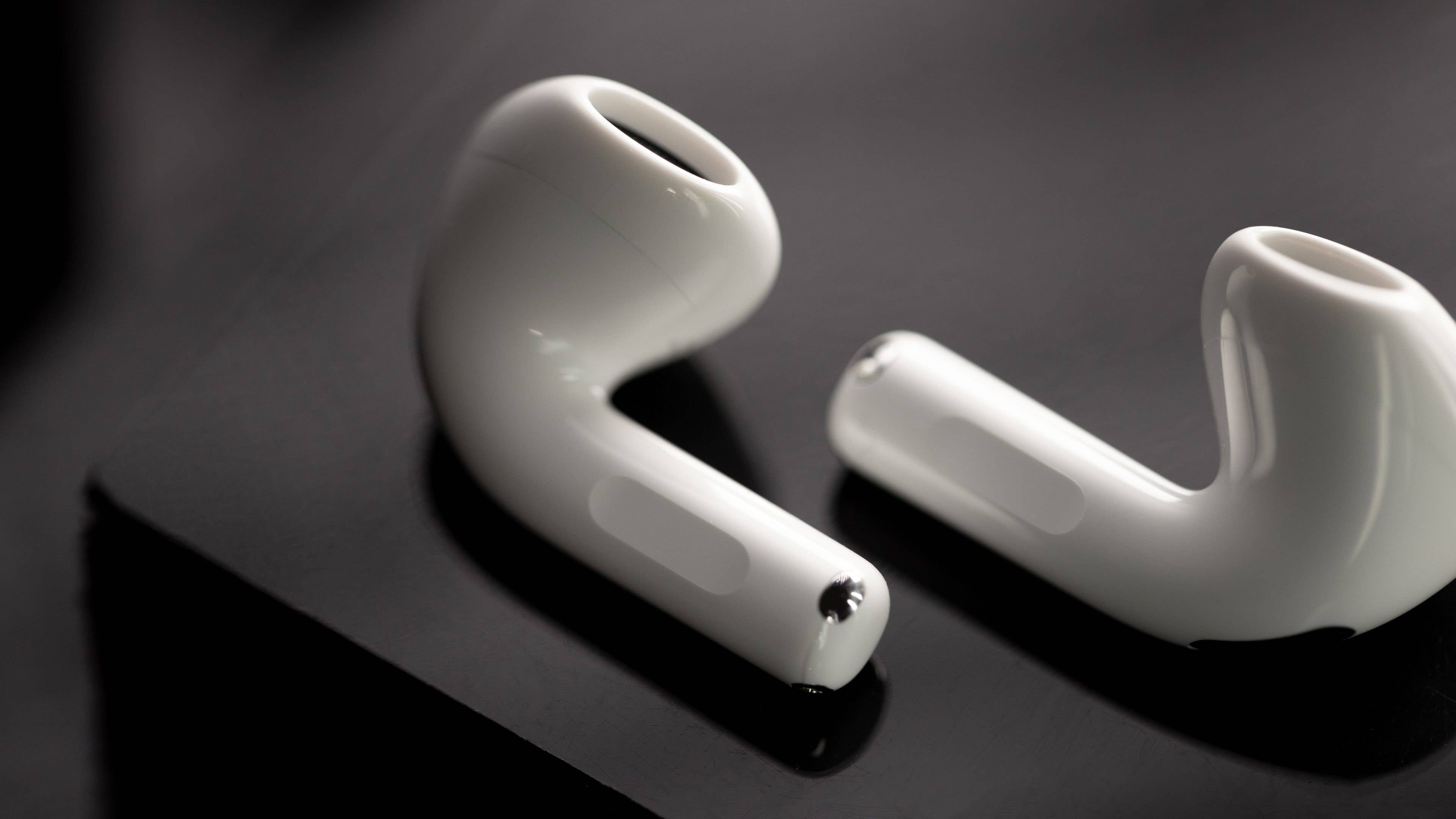
High-end features such as Spatial Audio with head tracking and adaptive equalizer are included. Sound quality remains strong in normal listening conditions, making them a good value option.
Apple AirPods Max: Apple’s only headset, therefore the best
Apple’s only over-ear headphones are the AirPods Max. They were released in December 2020, with a refreshed USB-C model arriving in 2024. There is still no sign of an AirPods Max 2, but both the Lightning and USB-C versions remain worth considering, especially at discounted prices.
The new AirPods Max (2024) offer upgrades beyond the port change. They now support lossless audio similar to the Beats Studio Pro in 24-bit/48 kHz format through wired USB connections. Bluetooth 5.0 and existing codecs remain, along with the 20-hour battery life.
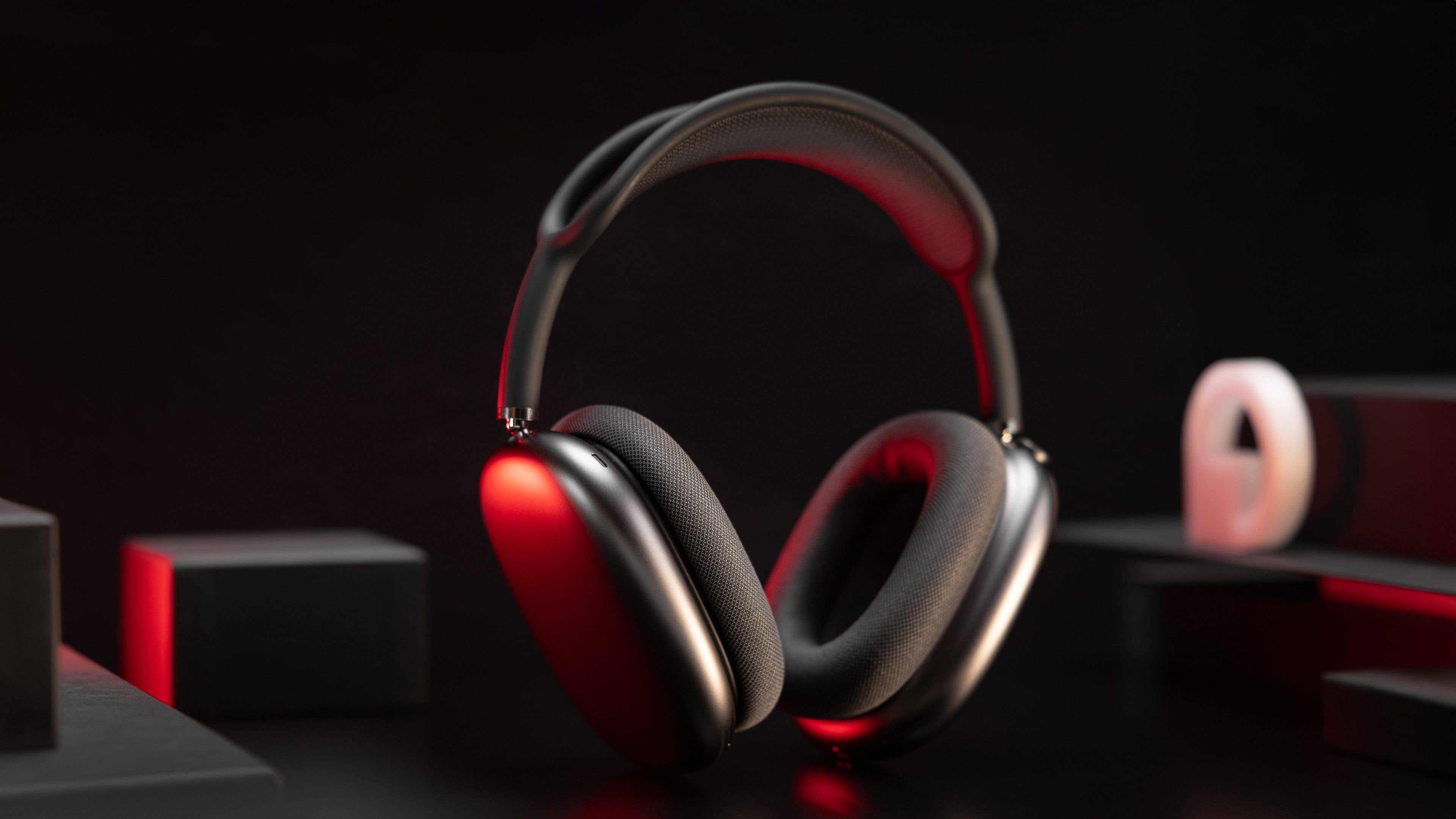
The USB-C AirPods Max also feature optimized personalized Spatial Audio and reduced latency, which benefits gamers and streamers.
Although some hardware is aging, the headphones still deliver strong performance. An H1 chip powers customized drivers, transparency mode, and adaptive equalizer. Nine microphones are built in, with up to eight dedicated to ANC.
The refreshed AirPods Max come in new two-tone colorways for the headband and ear cups, including Midnight, Starlight, Blue, Purple, and Orange.
Apple has integrated a digital crown for precise controls and a dedicated button for ANC. Their relatively lightweight design adds to the appeal of owning a pair.
What are the criteria for choosing Apple AirPods in 2025?
Apple AirPods audio quality
Don’t dwell on specs. Driver size, frequency response, etc. The AirPods Pro 3, AirPods 4 or AirPods Max are not products for audiophiles. And who cares, you’re probably listening to compressed MP3 on Apple Music. Whichever model you choose, the audio quality is just fine, even good.
Yes, there are better-performing models from other brands at the same price, or even cheaper. But is the slight superiority in audio quality worth sacrificing the intuitiveness of AirPods when they’re integrated into an Apple ecosystem? In my opinion, it depends, but in most cases, no.
Open-fit or in-ear, which format for your AirPods?
So, apart from audio quality and budget, the main differentiators between AirPods are format – in-ear or over-ear – and active noise reduction.
The open-fit format is the most comfortable. They don’t feel like earplugs, and you can wear them longer without discomfort. The downside is that you don’t get as good a fit in the ear as with in-ear monitors. And you also lose a lot in terms of passive noise isolation, since your ears remain “open” with open-fit earphones.
Active Noise Reduction (ANC) on Apple AirPods
Apple’s active noise reduction is never adjustable. You can turn it on, turn it off; the algorithms do the rest. On the AirPods 4 and AirPods Pro 3, the Adaptive Audio function allows you to adjust ANC and transparency levels dynamically according to changes in your sound environment.
None of Apple’s audio products support HD audio codecs. You’ll have to make do with basic SBC and AAC. None of the models listed here offer multipoint, but Apple does allow you to “switch” automatically between two Apple devices (and Apple devices only!).
- Check out nextpit’s guide to audio codecs
Is it stupid to use AirPods with an Android smartphone?
Yes. In absolute terms, it works. Pairing isn’t a problem, and you can listen to your music as normal. The problem is that you can’t set up your AirPods on an Android smartphone. Apple doesn’t offer an official companion app on the Play Store.
There are third-party apps that display battery levels and so on. But I don’t see the point. You also lose several features, including spatial audio and port detection.
All in all, it’s not worth the money.
Are you thinking of upgrading to new earbuds? What are your thoughts on these new Apple AirPods? We’d like to hear your answers.
We mark partner links with this symbol. If you click on one of these links or buttons–or make a purchase through them–we may receive a small commission from the retailer. This doesn’t affect the price you pay, but it helps us keep nextpit free for everyone. Thanks for your support! Prices are based on the date of publication of this article and may be subject to change.